
- Browse Category
Subjects
 We Begin at the EndLearn More
 - Choice Picks
- Top 100 Free Books
- Blog
- Recently Added
- Submit your eBook
- Browse Category
We Begin at the EndLearn More
- Choice Picks
- Top 100 Free Books
- Blog
- Recently Added
- Submit your eBook

Anthropology from a Pragmatic Point of View
2021-01-03 08:37:09
In the fall semester of 1772/73 at the Albertus University of Konigsberg, Immanuel Kant, metaphysician and professor of logic and metaphysics, began lectures on anthropology, which he continued until 1776, shortly before his retirement from public li...
Read more
In the fall semester of 1772/73 at the Albertus University of Konigsberg, Immanuel Kant, metaphysician and professor of logic and metaphysics, began lectures on anthropology, which he continued until 1776, shortly before his retirement from public life. His lecture notes and papers were first published in 1798, eight years after the publication of the "Critique of Judgment, "the third of his famous "Critiques. "The present edition of the "Anthropology "is a translation of the text found in volume 7 of "Kants gesammelte Schriften, "edited by Oswald Kulpe.
Kant describes the "Anthropology "as a systematic doctrine of the knowledge of humankind. (He does not yet distinguish between the academic discipline of anthropology as we understand it today and the philosophical.) Kant's lectures stressed the "pragmatic" approach to the subject because he intended to establish pragmatic anthropology as a regular academic discipline. He differentiates the physiological knowledge of the human race--the investigation of "what Nature makes of man"--from the pragmatic--"what man as a free being makes of himself, what he can make of himself, and what he ought to make of himself." Kant believed that anthropology teaches the knowledge of humankind and makes us familiar with what is pragmatic, not speculative, in relation to humanity. He shows us as world citizens within the context of the cosmos.
Summarizing the cloth edition of the "Anthropology," " Library Journal" concludes: "Kant's allusions to such issues as sensation, imagination, judgment, (aesthetic) taste, emotion, passion, moral character, and the character of the human species in regard to the ideal of a cosmopolitan society make this work an important resource for English readers who seek to grasp the connections among Kant's metaphysics of nature, metaphysics of morals, and political theory. The notes of the editor and translator, which incorporate material from Ernst Cassirer's edition and from Kant's "marginalia "in the original manuscript, shed considerable light on the text." Less

Compare Prices
| Store | Availability | Book Format | Condition | Price |
|---|---|---|---|---|
| BetterWorld.com - New, Used, Rare Books & Textbooks | In Stock | Buy USD 21.49 | ||
| Indigo Books & Music | In Stock | Buy CAD 191.20 |
Available Discount
No Discount available
Related Books
View All
The Silent Woman (Cat Carlisle, Book 1)
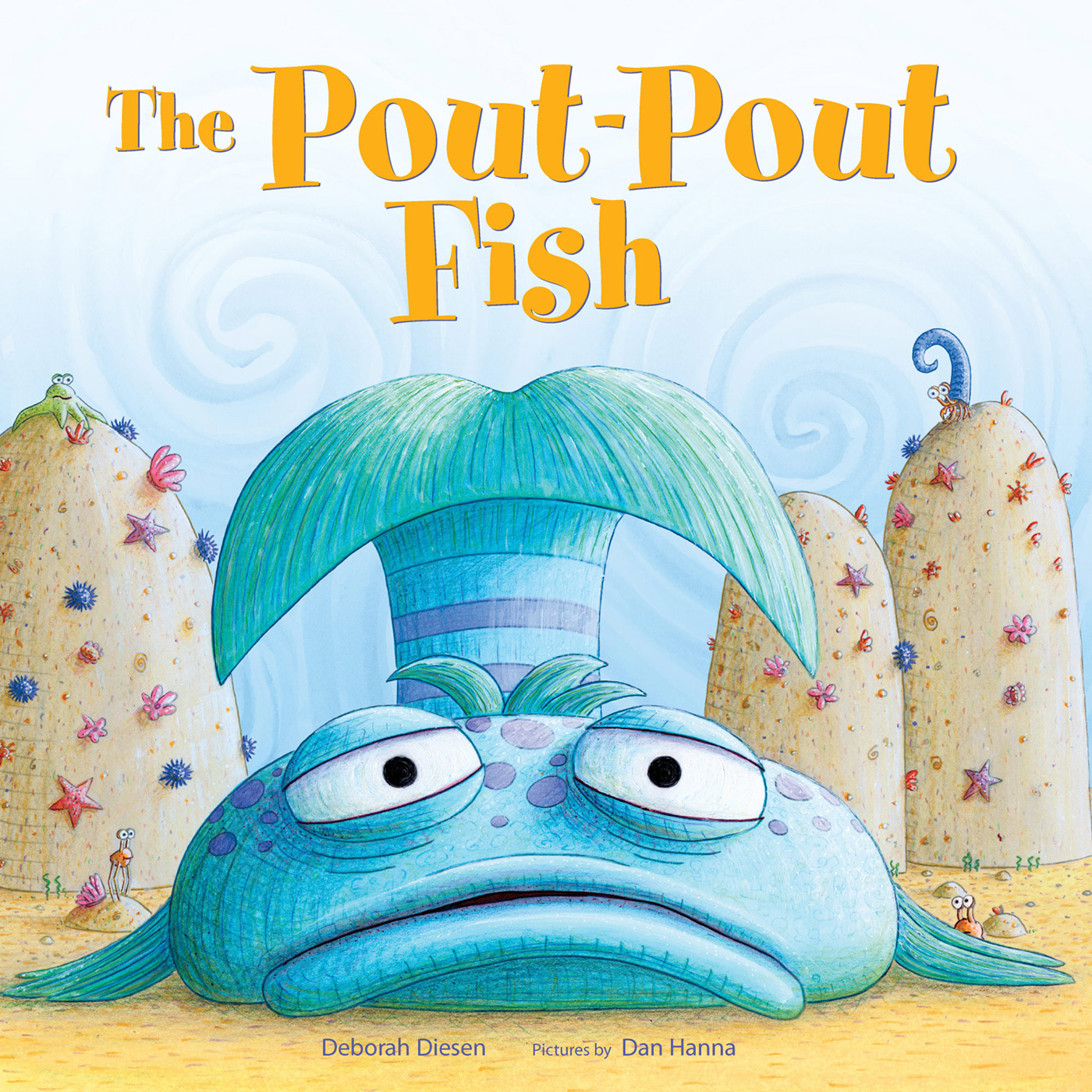
The Pout-Pout Fish

Life Will Be the Death of Me: ...And You Too!

There Was an Old Lady Who Swallowed a Chick!

We Are Not Friends (You Are Not Small)

Good Night, Little Blue Truck

Made for Me

Secrets Between Us: An absolutely gripping psychological thriller

The Secret Wife: A captivating story of romance, passion and mystery

Trillion Dollar Coach: The Leadership Playbook of Silicon Valley's Bill Campbell

Commander in Cheat: How Golf Explains Trump

House of Shadows: An Enthralling Historical Mystery
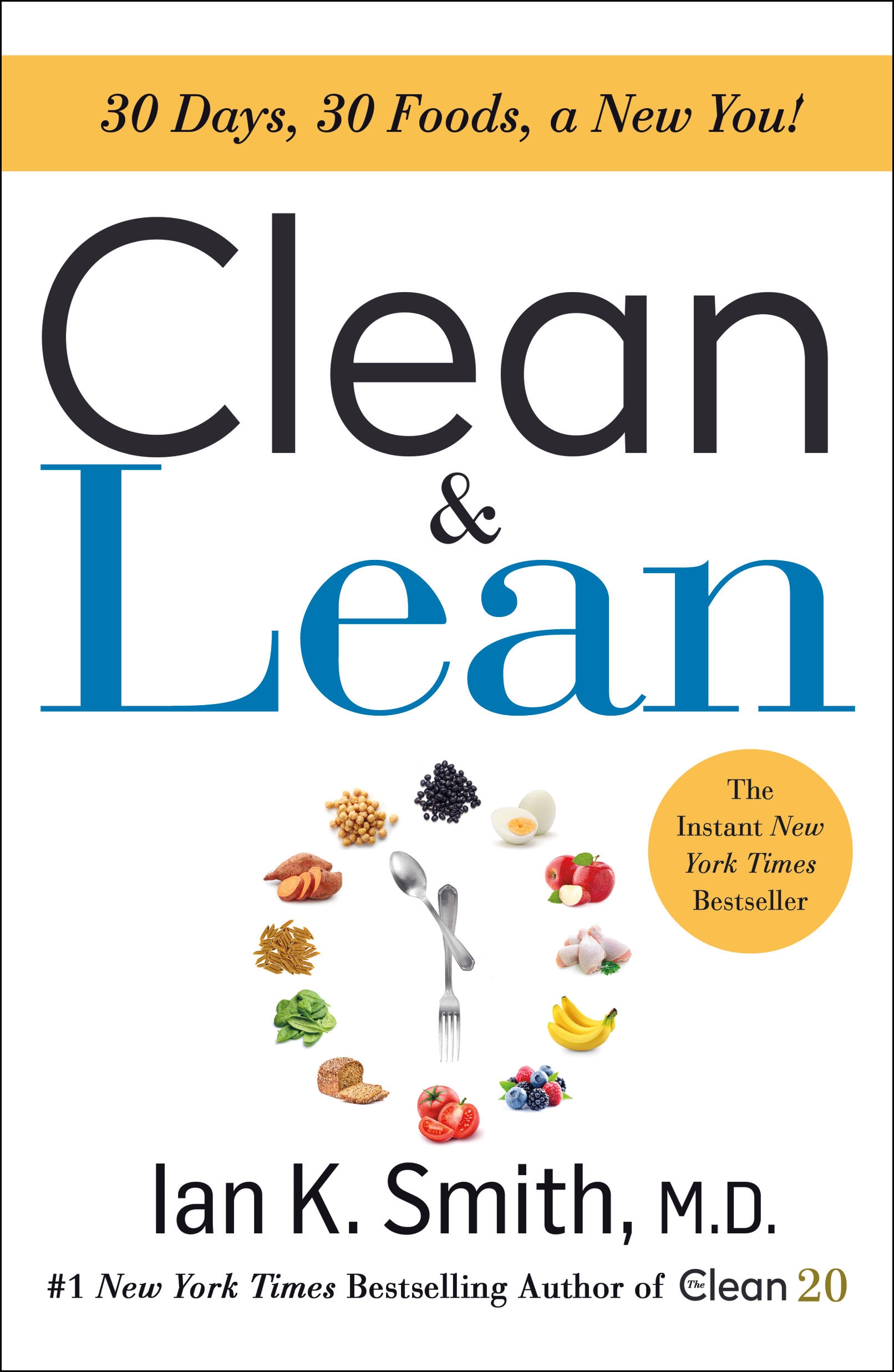
Clean & Lean: 30 Days, 30 Foods, a New You!

You Be You: Detox Your Life, Crush Your Limitations, and Own Your Awesome

Row, Row, Row Your Boat (Indestructibles Series)

Diary of an Awesome Friendly Kid: Rowley Jefferson's Journal

Going to School
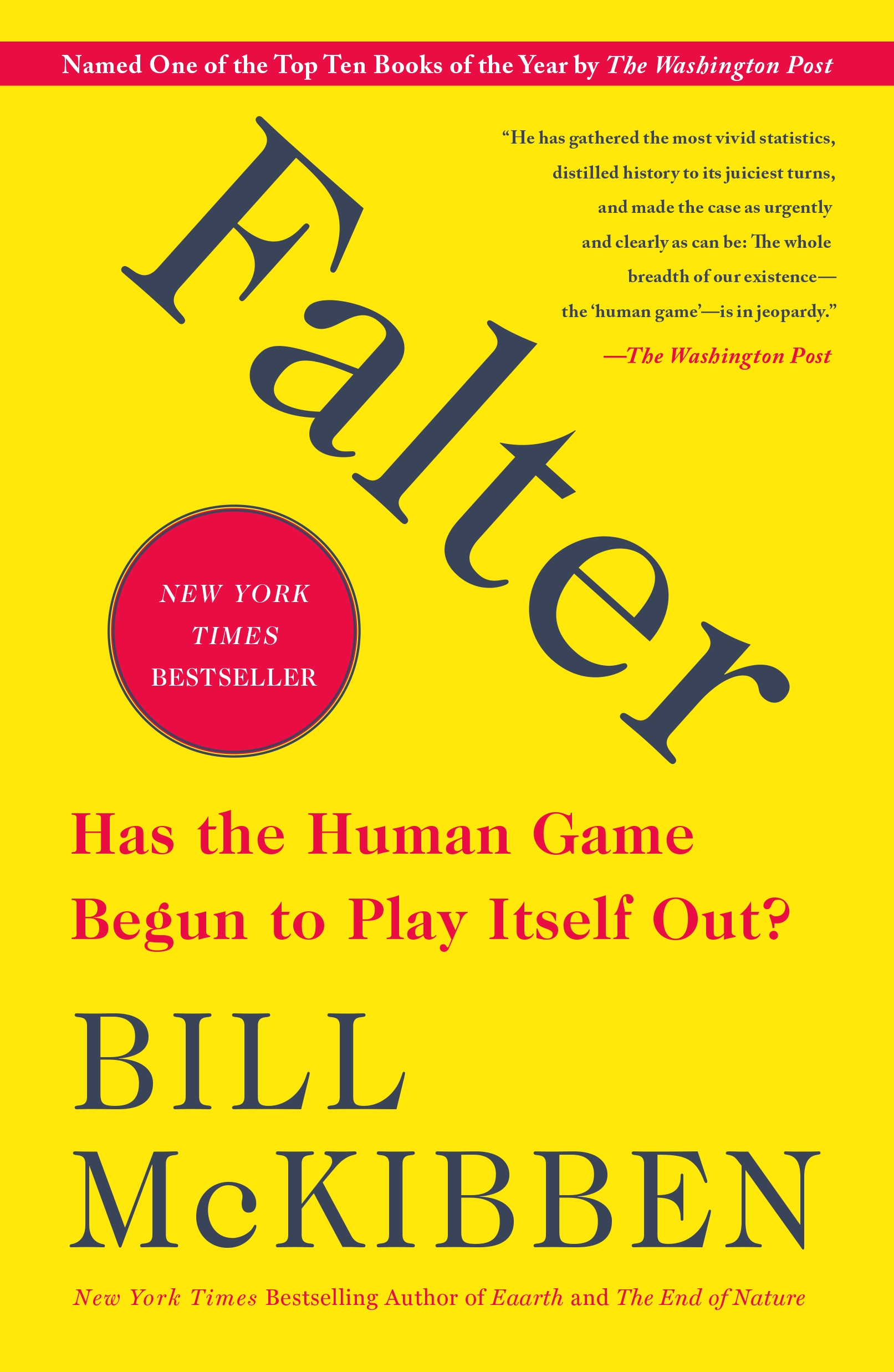
Falter: Has the Human Game Begun to Play Itself Out?

American Moonshot: John F. Kennedy and the Great Space Race
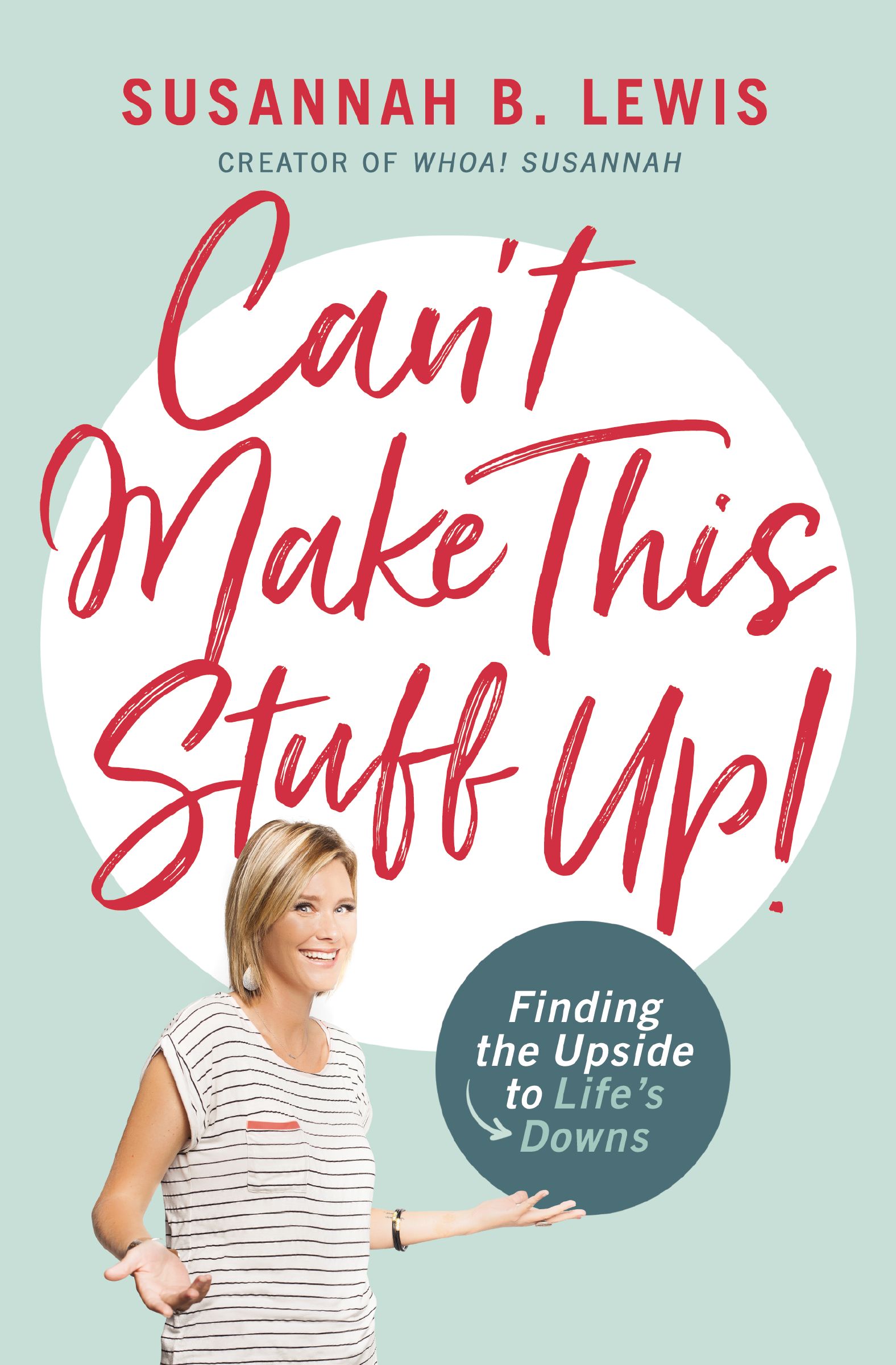
Can't Make This Stuff Up!: Finding the Upside to Life's Downs

Feed Your Best Friend Better: Easy, Nutritious Meals and Treats for Dogs

The Wonderful Things You Will Be

The Book Club
Hurricane Season

Twinkle, Twinkle, Little Star (Indestructibles Series)

Settings
Reflow text when sidebars are open.
