
- Browse Category
Subjects
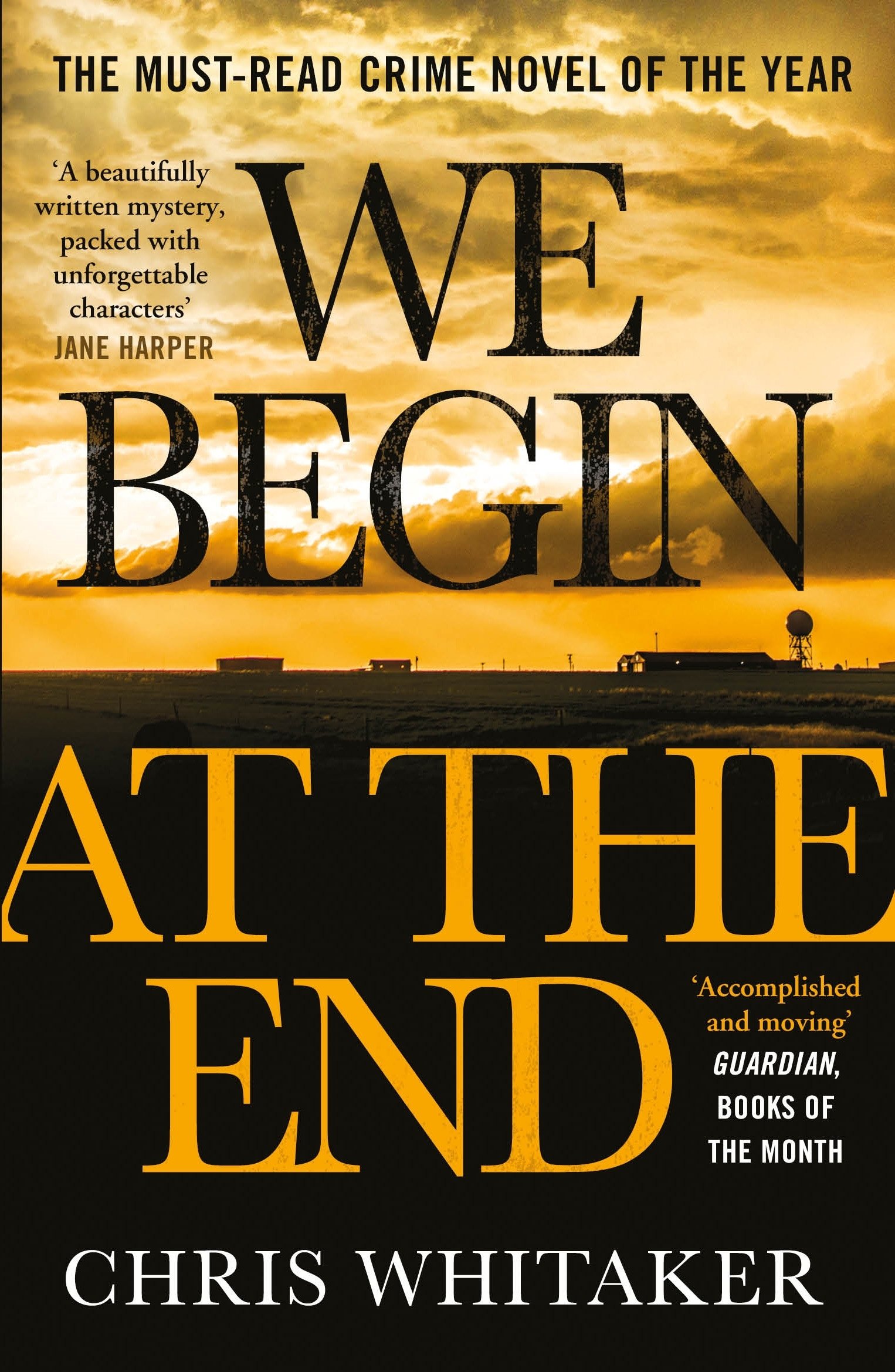 We Begin at the EndLearn More
 - Choice Picks
- Top 100 Free Books
- Blog
- Recently Added
- Submit your eBook
- Browse Category
We Begin at the EndLearn More
- Choice Picks
- Top 100 Free Books
- Blog
- Recently Added
- Submit your eBook
'Bare passives' and 'relative clauses' in be-passive form as modifiers
2020-05-06 21:27:35
Seminar paper from the year 2007 in the subject English Language and Literature Studies - Linguistics, grade: 1,3, University of Münster, 9 entries in the bibliography, language: English, abstract: 1Introduction
In order to learn more...
Read more
Seminar paper from the year 2007 in the subject English Language and Literature Studies - Linguistics, grade: 1,3, University of Münster, 9 entries in the bibliography, language: English, abstract: 1Introduction
In order to learn more about the English language and how it is actually used by the native speaker community I am going to investigate the occurrence of bare passives as modifiers and of relative clauses in be-passive form which can be compared to the former in its function as modifier. With help of the queries I will find out how many of these constructions exist in The Penn Treebank and then take a closer look at the beginning of sentences. Which of these two grammatical phenomenon is more frequent at the beginnings of sentences and why? Firstly in this term paper, I will introduce the grammatical phenomenon of the passive voice with its variants 'be-passive', 'get-passive' and 'bare passive' by contrasting it to the active voice. Furthermore I will explain the development of the different queries needed for the research whose findings will be discussed subsequent to that.
Less

Compare Prices
| Store | Availability | Book Format | Condition | Price |
|---|---|---|---|---|
| Barnes & Noble | In Stock | NOOK Book | NOOK Book | Buy USD 5.34 |
Available Discount
No Discount available
Related Books
View All
King Alfred's Viking A Story of the First English Fleet

The Adventures of Dick Maitland: A Tale of Unknown Africa

When You Were a Boy

The Battle of the Strong: A Romance of Two Kingdoms — Complete

The Heart of the Hills

Passing By

Hindu Law and Judicature From the Dharma-Sástra of Yájnavalkya

Bell's Cathedrals: The Abbey Church of Tewkesbury

The Oriental Story Book A Collection of Tales

Richard Carvel

The Mission; or Scenes in Africa

Nala and Damayanti and Other Poems

A Visit From Saint Nicholas (The Huntington Library Children’s Classics)

The Devil's Garden

A History of Insects

In the Wilderness

The Congo Rovers: A Story of the Slave Squadron

Arsene Lupin

Christmas Outside of Eden

A Middy of the Slave Squadron: A West African Story

The Amazing Interlude

The Sea-Witch; Or, The African Quadroon A Story of the Slave Coast

On Christmas Day in the Evening

The San Francisco Calamity

The Four Horsemen of the Apocalypse

Settings
Reflow text when sidebars are open.
