
- Browse Category
Subjects
 We Begin at the EndLearn More
 - Choice Picks
- Top 100 Free Books
- Blog
- Recently Added
- Submit your eBook
- Browse Category
We Begin at the EndLearn More
- Choice Picks
- Top 100 Free Books
- Blog
- Recently Added
- Submit your eBook
Black Labor Migration in Caribbean Guatemala, 1882-1923
2021-01-03 10:51:26
In the late nineteenth century, many Central American governments and countries sought to fill low-paying jobs and develop their economies by recruiting black American and West Indian laborers. Frederick Opie offers a revisionist interpretation of th...
Read more
In the late nineteenth century, many Central American governments and countries sought to fill low-paying jobs and develop their economies by recruiting black American and West Indian laborers. Frederick Opie offers a revisionist interpretation of these workers, who were often depicted as simple victims with little, if any, enduring legacy.
The Guatemalan government sought to build an extensive railroad system in the 1880s, and actively recruited foreign labor. For poor workers of African descent, immigrating to Guatemala was seen as an opportunity to improve their lives and escape from the racism of the Jim Crow U.S. South and the French and British colonial Caribbean.
Using primary and secondary sources as well as ethnographic data, Opie details the struggles of these workers who were ultimately inspired to organize by the ideas of Marcus Garvey. Regularly suffering class- and race-based attacks and persecution, black laborers frequently met such attacks with resistance. Their leverage--being able to shut down the railroad--was crucially important to the revolutionary movements in 1897 and 1920.

Compare Prices
| Store | Availability | Book Format | Condition | Price |
|---|---|---|---|---|
| Indigo Books & Music | In Stock | Buy CAD 24.95 | ||
| BetterWorld.com - New, Used, Rare Books & Textbooks | In Stock | Buy USD 18.20 |
Available Discount
No Discount available
Related Books
View All
We Are Not Friends (You Are Not Small)
Diary of an Awesome Friendly Kid: Rowley Jefferson's Journal

You Be You: Detox Your Life, Crush Your Limitations, and Own Your Awesome

Secrets Between Us: An absolutely gripping psychological thriller
Trillion Dollar Coach: The Leadership Playbook of Silicon Valley's Bill Campbell

Commander in Cheat: How Golf Explains Trump

Made for Me

Row, Row, Row Your Boat (Indestructibles Series)

There Was an Old Lady Who Swallowed a Chick!

House of Shadows: An Enthralling Historical Mystery

Going to School

American Moonshot: John F. Kennedy and the Great Space Race

Life Will Be the Death of Me: ...And You Too!
Clean & Lean: 30 Days, 30 Foods, a New You!
Hurricane Season

The Wonderful Things You Will Be
Falter: Has the Human Game Begun to Play Itself Out?
The Pout-Pout Fish
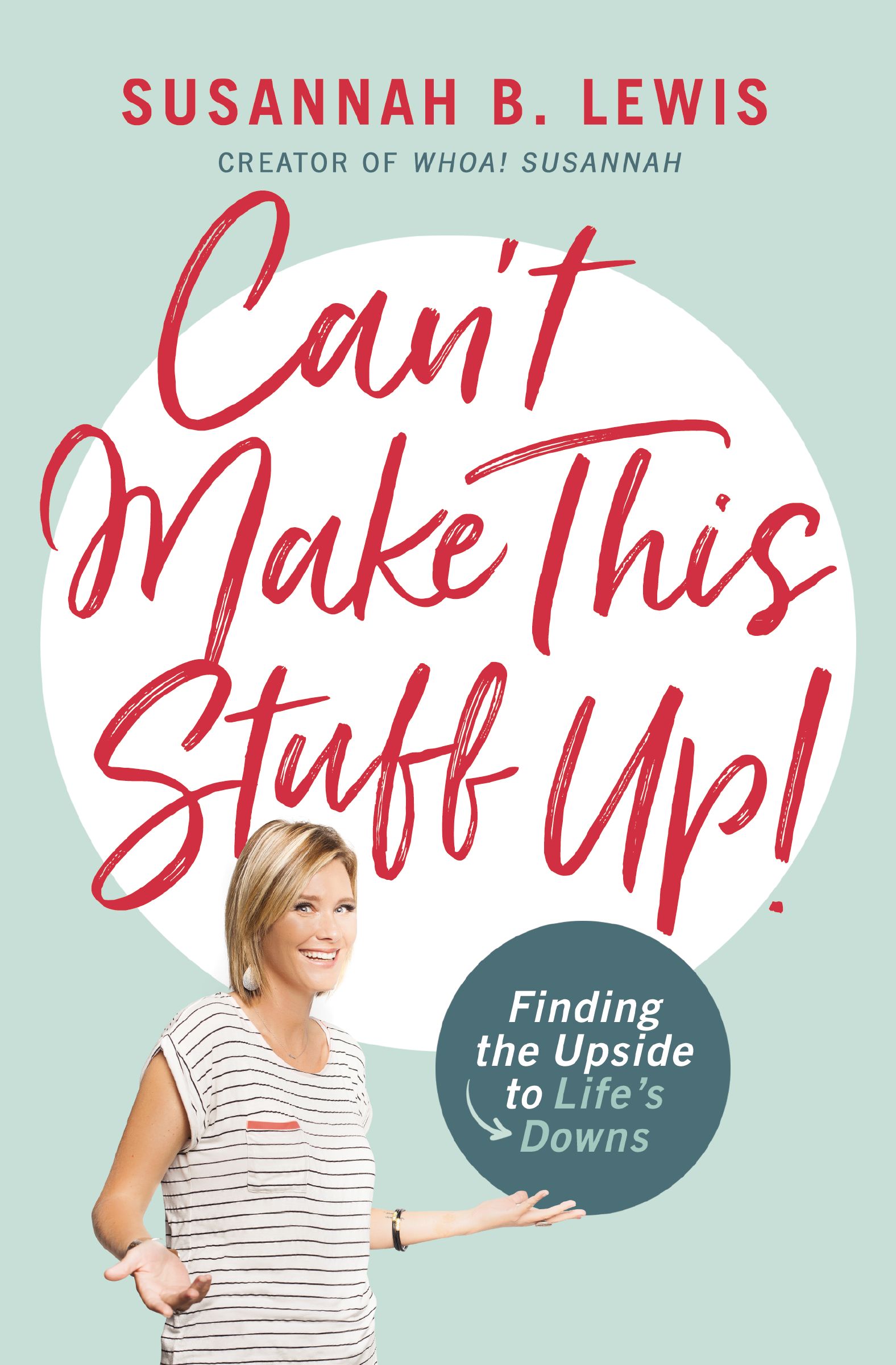
Can't Make This Stuff Up!: Finding the Upside to Life's Downs

Feed Your Best Friend Better: Easy, Nutritious Meals and Treats for Dogs

The Silent Woman (Cat Carlisle, Book 1)

Twinkle, Twinkle, Little Star (Indestructibles Series)

The Book Club

Good Night, Little Blue Truck

The Secret Wife: A captivating story of romance, passion and mystery

Settings
Reflow text when sidebars are open.
