
- Browse Category
Subjects
 We Begin at the EndLearn More
 - Choice Picks
- Top 100 Free Books
- Blog
- Recently Added
- Submit your eBook
- Browse Category
We Begin at the EndLearn More
- Choice Picks
- Top 100 Free Books
- Blog
- Recently Added
- Submit your eBook

Cases and Projects in International Management: Cross-Cultural Dimensions
2021-01-05 10:49:29
Culture may not be the only factor to affect organizational structure. Size, strategic location, the industrial climate, the complexity of the task in hand and the kind of technology used all exert an influence and profoundly affect the relations bet...
Read more
Culture may not be the only factor to affect organizational structure. Size, strategic location, the industrial climate, the complexity of the task in hand and the kind of technology used all exert an influence and profoundly affect the relations between members of an organization. Managers therefore have to contend with weighing culture against other variables when trying to implement organizational structure.If culture is but one among a range of factors, then why are cross-cultural management skills so important? Mead crisply answers this question at the outset and his views may be summarized as follows. Today's business world is global and therefore firms are forced to establish branches and subsidiaries outside their national boundaries. Managers have to deal with people from other cultures, and it is imperative that they develop the ability to interact with individuals who have different cultural priorities.
Effective cross-cultural management increasingly means working with people from different cultures and learning to tolerate differences when devising shared priorities.In today's economic climate, market forces appear to have an increasingly anthropological dimension. The ethnocentric manager, for example, who is unable or unwilling to deal with members of other cultures has fewer career opportunities. To accommodate these changes management schools are giving increasing priority to teaching cross-cultural management skills. International Management combines theory and practice, and includes a variety of exercises to enable students to apply general concepts to specific situations.Mead acknowledges the difficulty in providing a single definition of culture, but does not duck the issue. Instead he provides a succinct account of the sociological and anthropological positions before moving on to the management literature.
This publication deserves a warm welcome because it acknowledges the contribution made by anthropologists to the understanding of culture. As Richard Mead demonstrates, there is clearly a great deal of scope for making more use of anthropological insights in clarifying the role of culture in international management. The book is aimed at students and has been written with admirable clarity, and should be of value to anyone involved in teaching applied social sciences. Less

Compare Prices
| Store | Availability | Book Format | Condition | Price |
|---|---|---|---|---|
| Indigo Books & Music | In Stock | Buy CAD 84.77 | ||
| BetterWorld.com - New, Used, Rare Books & Textbooks | In Stock | Buy USD 8.23 |
Available Discount
No Discount available
Related Books
View All
Commander in Cheat: How Golf Explains Trump

The Pout-Pout Fish

The Book Club

There Was an Old Lady Who Swallowed a Chick!

Going to School

House of Shadows: An Enthralling Historical Mystery

Twinkle, Twinkle, Little Star (Indestructibles Series)

Secrets Between Us: An absolutely gripping psychological thriller

Hurricane Season

The Secret Wife: A captivating story of romance, passion and mystery

Good Night, Little Blue Truck

Clean & Lean: 30 Days, 30 Foods, a New You!

Trillion Dollar Coach: The Leadership Playbook of Silicon Valley's Bill Campbell

Made for Me

You Be You: Detox Your Life, Crush Your Limitations, and Own Your Awesome

Row, Row, Row Your Boat (Indestructibles Series)

We Are Not Friends (You Are Not Small)

Life Will Be the Death of Me: ...And You Too!

American Moonshot: John F. Kennedy and the Great Space Race

Falter: Has the Human Game Begun to Play Itself Out?
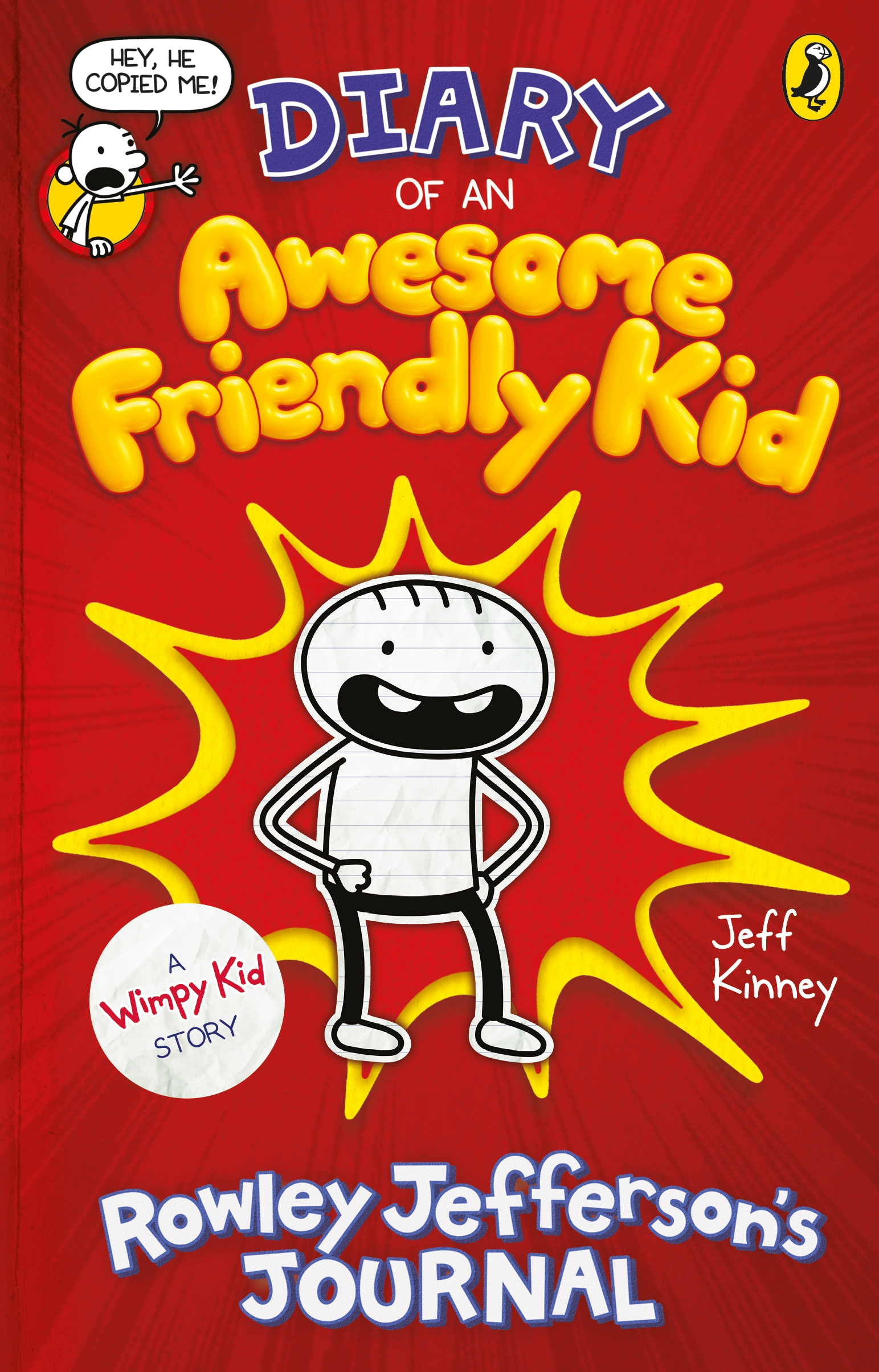
Diary of an Awesome Friendly Kid: Rowley Jefferson's Journal

The Silent Woman (Cat Carlisle, Book 1)

Feed Your Best Friend Better: Easy, Nutritious Meals and Treats for Dogs

The Wonderful Things You Will Be

Can't Make This Stuff Up!: Finding the Upside to Life's Downs

Settings
Reflow text when sidebars are open.
