
- Browse Category
Subjects
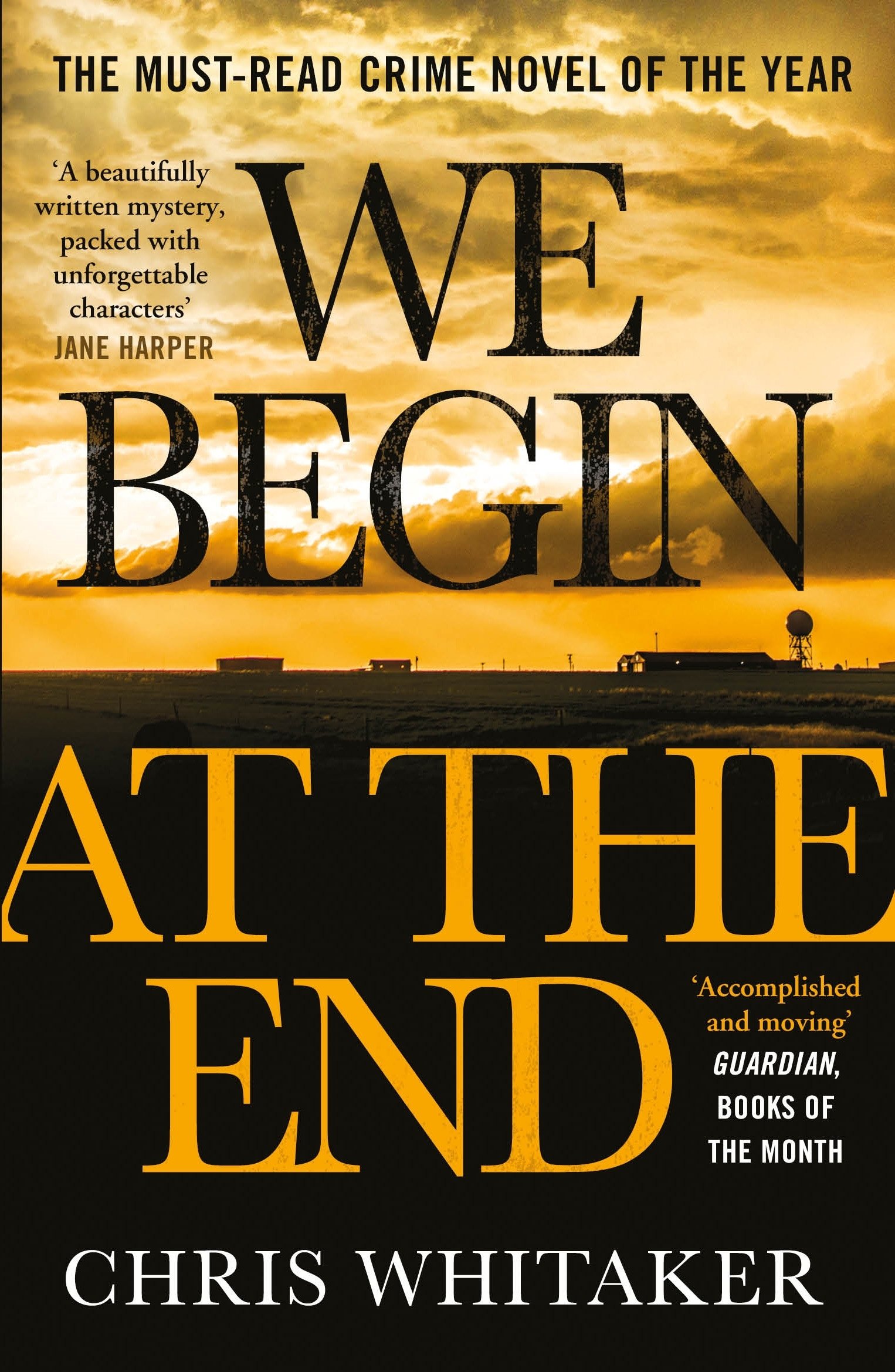 We Begin at the EndLearn More
 - Choice Picks
- Top 100 Free Books
- Blog
- Recently Added
- Submit your eBook
- Browse Category
We Begin at the EndLearn More
- Choice Picks
- Top 100 Free Books
- Blog
- Recently Added
- Submit your eBook
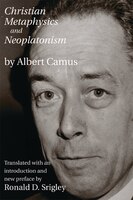
Christian Metaphysics And Neoplatonism
2021-01-05 19:40:52
Contemporary scholarship tends to view Albert Camus as a modern, but he himself was conscious of the past and called the transition from Hellenism to Christianity "the true and only turning point in history." For Camus, modernity was not fully compr...
Read more
Contemporary scholarship tends to view Albert Camus as a modern, but he himself was conscious of the past and called the transition from Hellenism to Christianity "the true and only turning point in history." For Camus, modernity was not fully comprehensible without an examination of the aspirations that were first articulated in antiquity and that later received their clearest expression in Christianity. These aspirations amounted to a fundamental reorientation of human life in politics, religion, science, and philosophy. Understanding the nature and achievement of that reorientation became the central task of "Christian Metaphysics and Neoplatonism." Primarily known through its inclusion in a French omnibus edition, it" "has remained one of Camus' least-read works, yet it marks his first attempt to understand the relationship between Greek philosophy and Christianity as he charted the movement from the Gospels through Gnosticism and Plotinus to what he calls Augustine's "second revelation" of the Christian faith. Ronald Srigley's translation of this seminal document helps illuminate these aspects of Camus' work. His freestanding English edition exposes readers to an important part of Camus' thought that is often overlooked by those concerned primarily with the book's literary value and supersedes the extant McBride translation by retaining a greater degree of literalness. Srigley has fully annotated "Christian Metaphysics" to include nearly all of Camus' original citations and has tracked down many poorly identified sources. When Camus cites an ancient primary source, whether in French translation or in the original language, Srigley substitutes a standard English translation in the interest of making his edition accessible to a wider range of readers. His introduction places the text in the context of Camus' better-known later work, explicating its relationship to those mature writings and exploring how its themes were reworked in subsequent books. Arguing that Camus was one of the great critics of modernity through his attempt to disentangle the Greeks from the Christians, Srigley clearly demonstrates the place of "Christian Metaphysics" in Camus' oeuvre. As the only stand-alone English version of this important work--and a long-overdue critical edition--his fluent translation is an essential benchmark in our understanding of Camus and his place in modern thought. Less

Compare Prices
| Store | Availability | Book Format | Condition | Price |
|---|---|---|---|---|
| Indigo Books & Music | In Stock | Buy CAD 35.50 |
Available Discount
No Discount available
Related Books
View All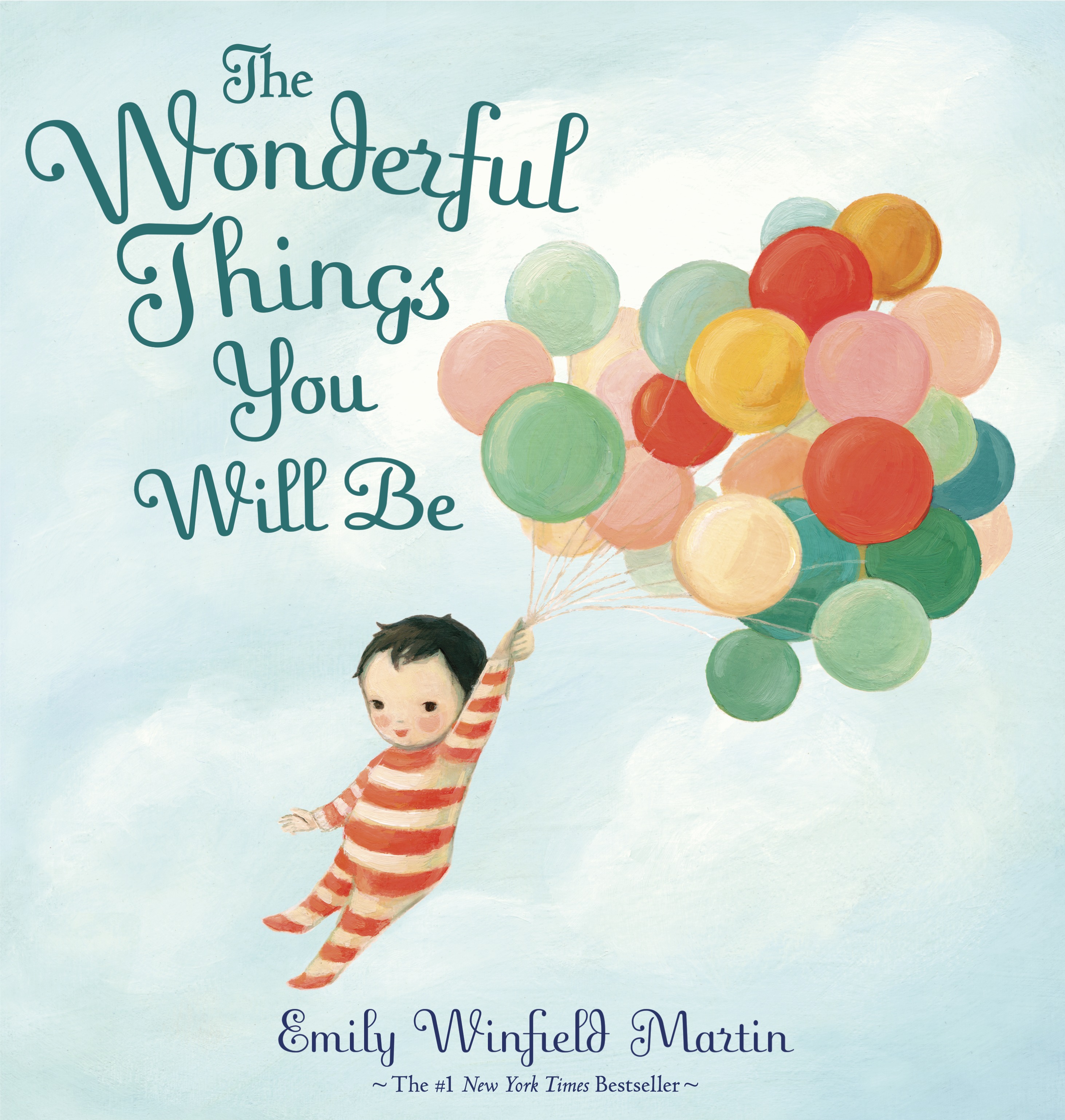
The Wonderful Things You Will Be

The Book Club

Secrets Between Us: An absolutely gripping psychological thriller
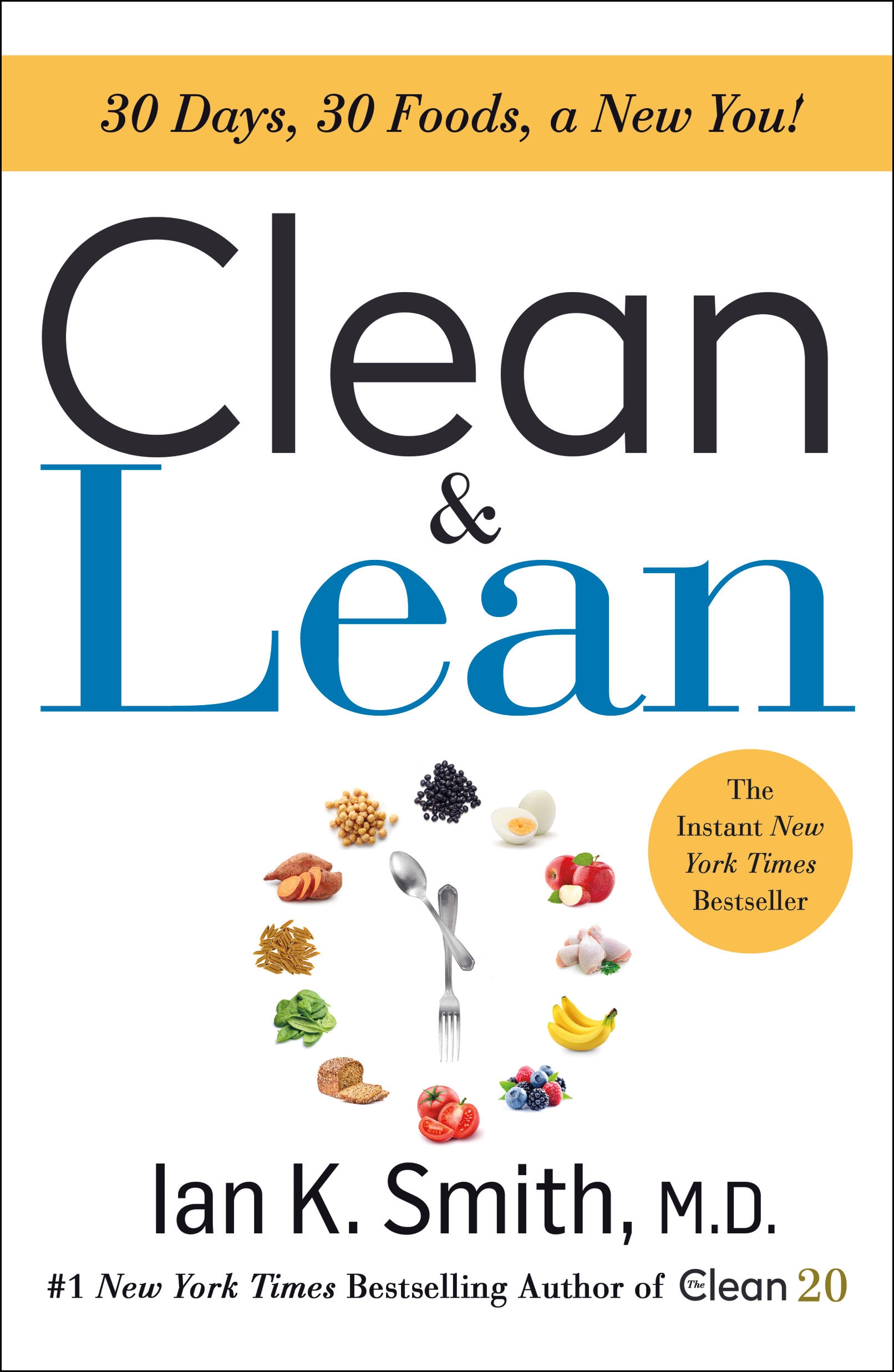
Clean & Lean: 30 Days, 30 Foods, a New You!
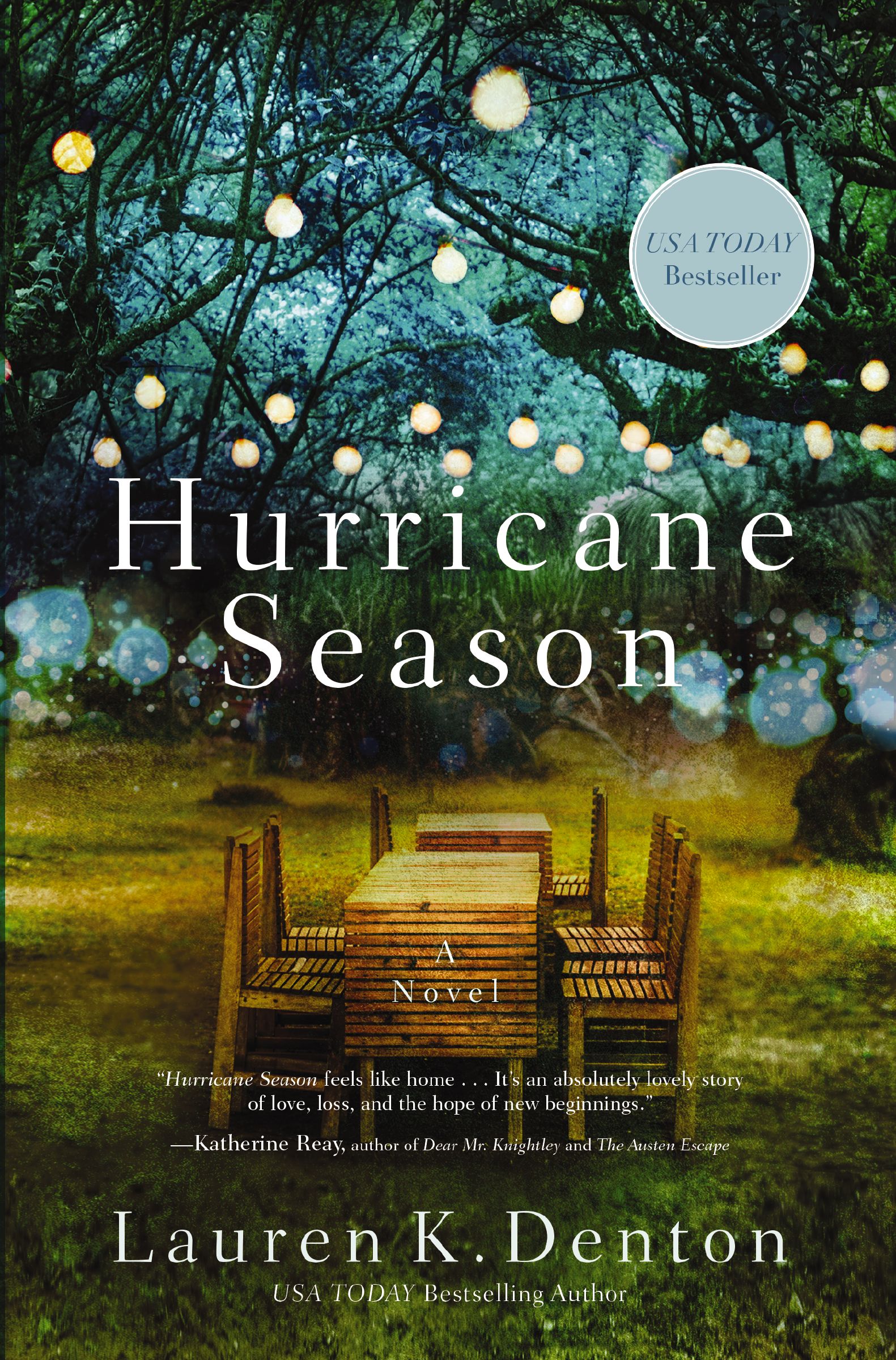
Hurricane Season
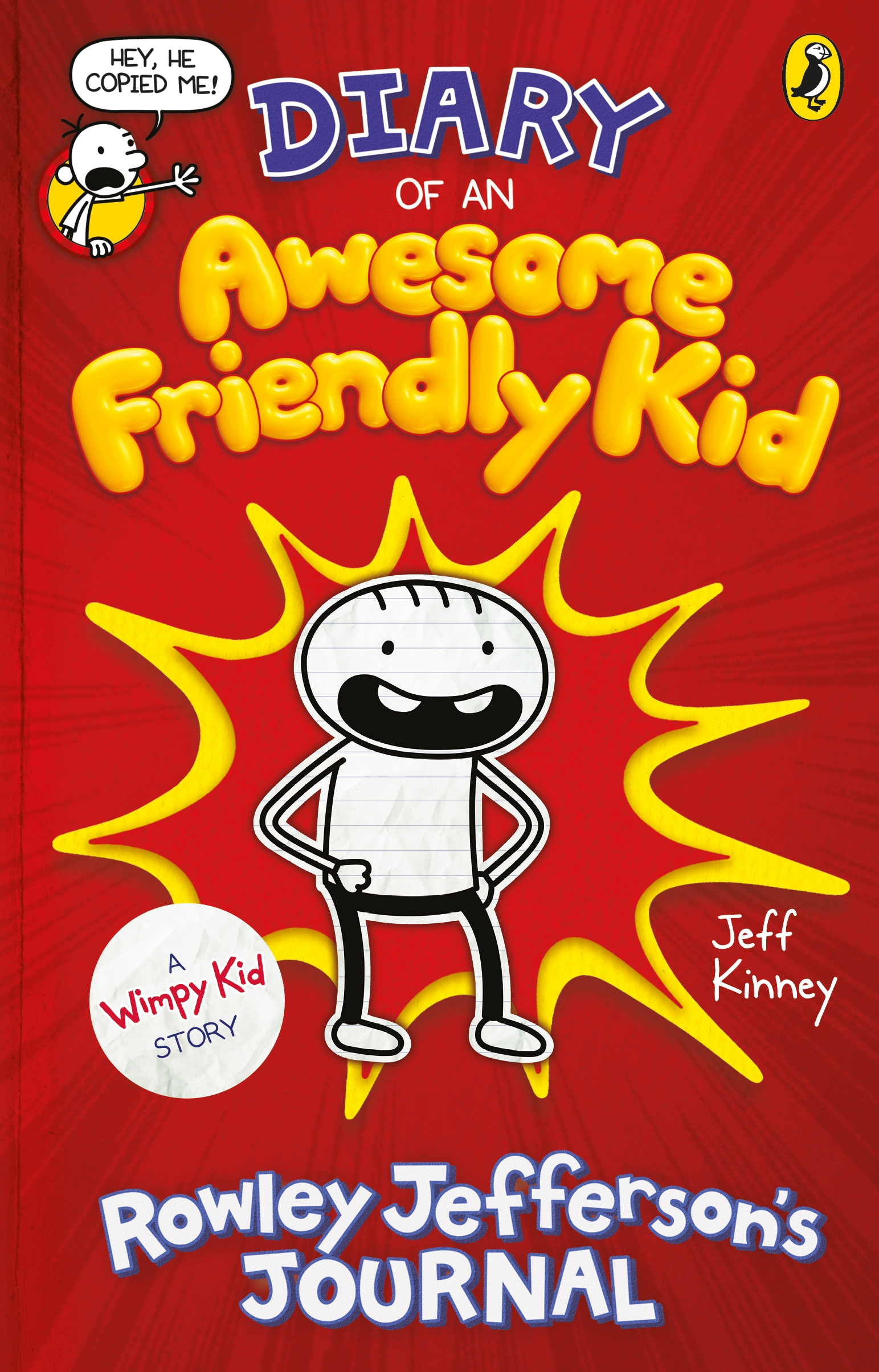
Diary of an Awesome Friendly Kid: Rowley Jefferson's Journal

House of Shadows: An Enthralling Historical Mystery
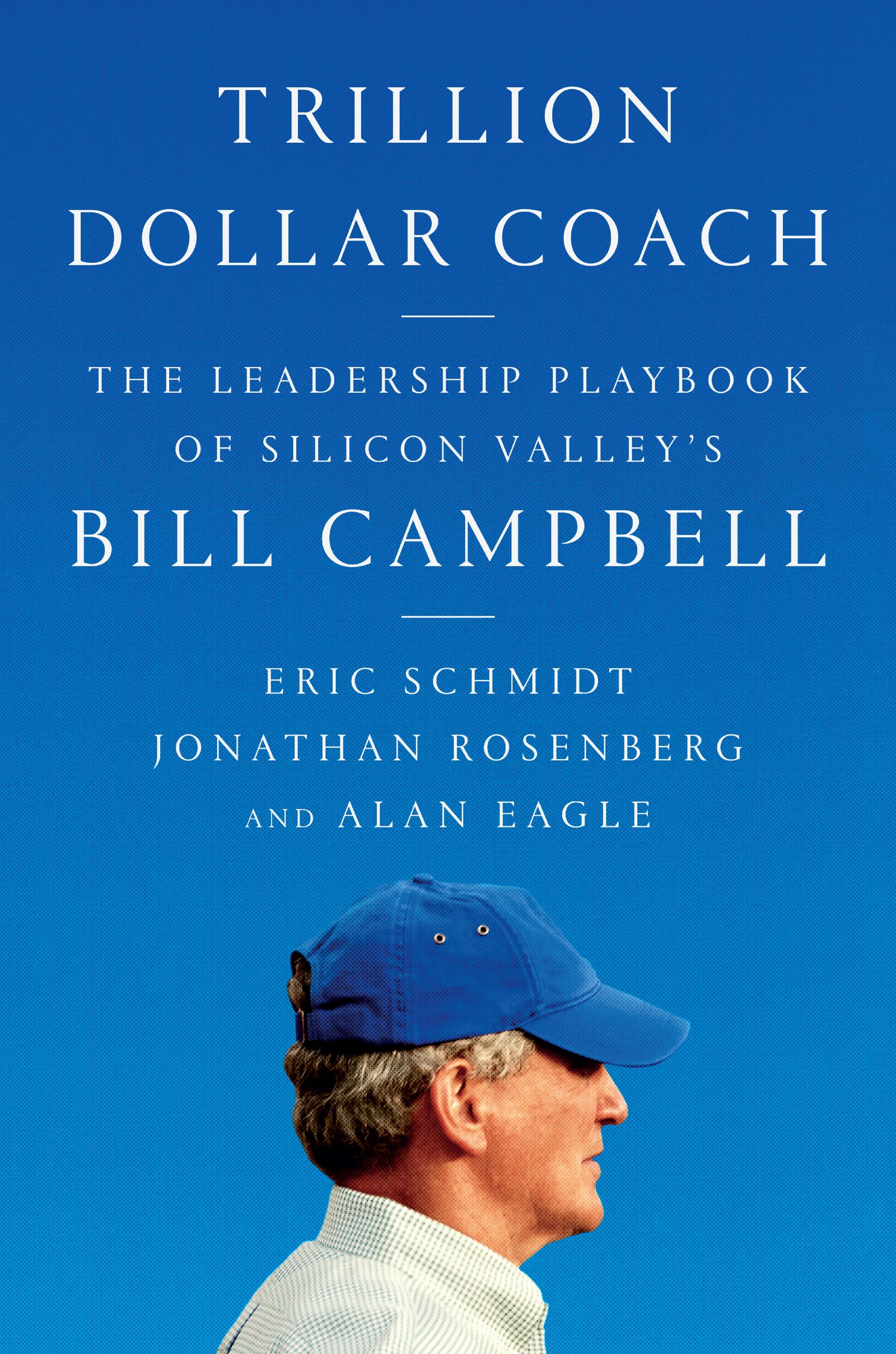
Trillion Dollar Coach: The Leadership Playbook of Silicon Valley's Bill Campbell

You Be You: Detox Your Life, Crush Your Limitations, and Own Your Awesome

Commander in Cheat: How Golf Explains Trump

The Secret Wife: A captivating story of romance, passion and mystery

Life Will Be the Death of Me: ...And You Too!

The Silent Woman (Cat Carlisle, Book 1)

Made for Me
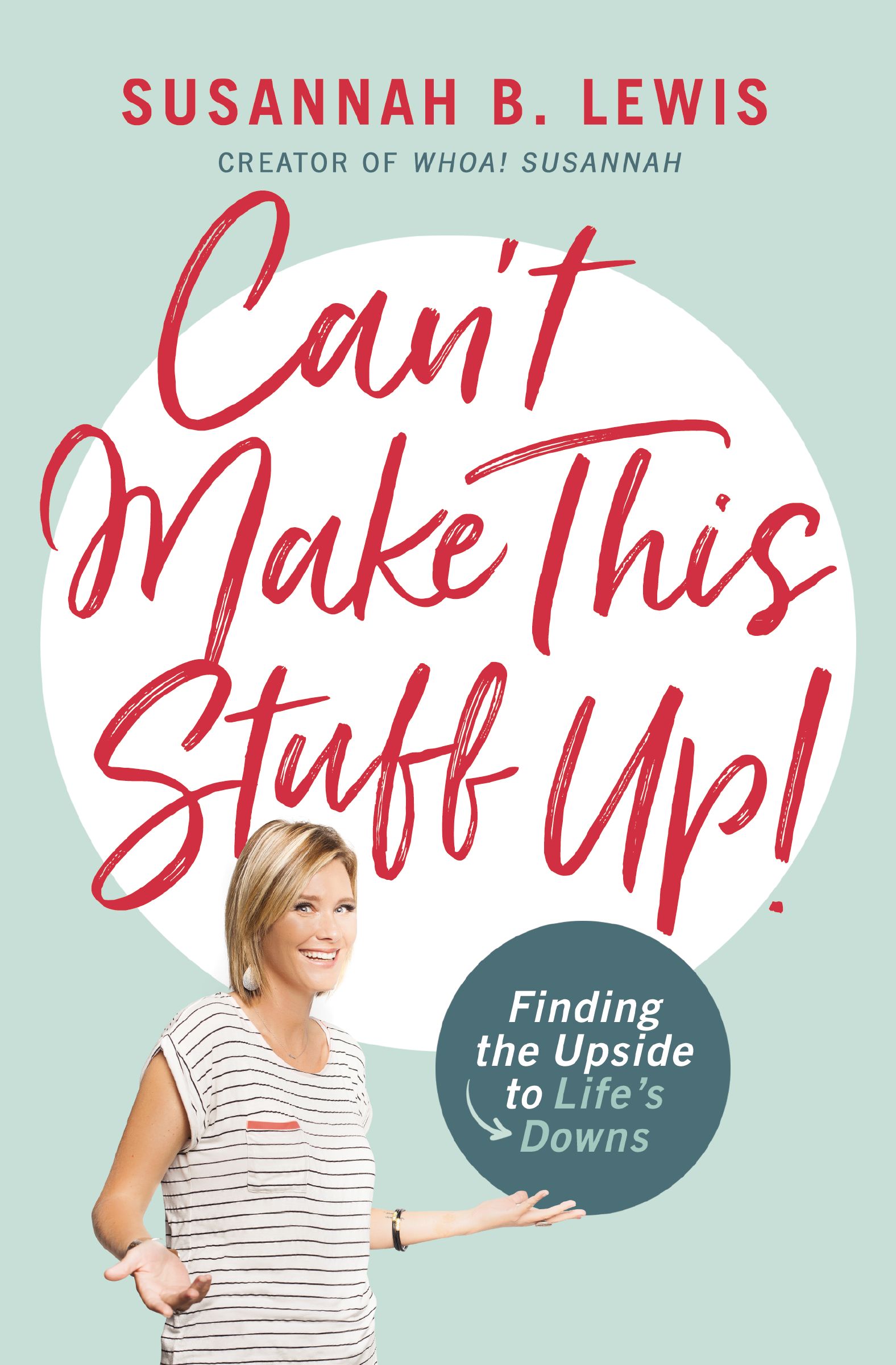
Can't Make This Stuff Up!: Finding the Upside to Life's Downs

We Are Not Friends (You Are Not Small)

Feed Your Best Friend Better: Easy, Nutritious Meals and Treats for Dogs

There Was an Old Lady Who Swallowed a Chick!

Twinkle, Twinkle, Little Star (Indestructibles Series)
Falter: Has the Human Game Begun to Play Itself Out?

Good Night, Little Blue Truck

Row, Row, Row Your Boat (Indestructibles Series)
The Pout-Pout Fish

Going to School
American Moonshot: John F. Kennedy and the Great Space Race

Settings
Reflow text when sidebars are open.
