
- Browse Category
Subjects
 We Begin at the EndLearn More
 - Choice Picks
- Top 100 Free Books
- Blog
- Recently Added
- Submit your eBook
- Browse Category
We Begin at the EndLearn More
- Choice Picks
- Top 100 Free Books
- Blog
- Recently Added
- Submit your eBook
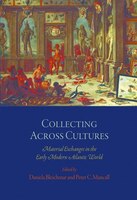
Collecting Across Cultures: Material Exchanges in the Early Modern Atlantic World
2021-01-09 09:43:25
In the early modern age more people traveled farther than at any earlier time in human history. Many returned home with stories of distant lands and at least some of the objects they collected during their journeys. And those who did not travel eager...
Read more
In the early modern age more people traveled farther than at any earlier time in human history. Many returned home with stories of distant lands and at least some of the objects they collected during their journeys. And those who did not travel eagerly acquired wondrous materials that arrived from faraway places. Objects traveled various routes—personal, imperial, missionary, or trade—and moved not only across space but also across cultures.
Histories of the early modern global culture of collecting have focused for the most part on European Wunderkammern, or "cabinets of curiosities." But the passion for acquiring unfamiliar items rippled across many lands. The court in Java marveled at, collected, and displayed myriad goods brought through its halls. African princes traded captured members of other African groups so they could get the newest kinds of cloth produced in Europe. Native Americans sought colored glass beads made in Europe, often trading them to other indigenous groups. Items changed hands and crossed cultural boundaries frequently, often gaining new and valuable meanings in the process. An object that might have seemed mundane in some cultures could become a target of veneration in another.
The fourteen essays in Collecting Across Cultures represent work by an international group of historians, art historians, and historians of science. Each author explores a specific aspect of the cross-cultural history of collecting and display from the dawn of the sixteenth century to the early decades of the nineteenth century. As the essays attest, an examination of early modern collecting in cross-cultural contexts sheds light on the creative and complicated ways in which objects in collections served to create knowledge—some factual, some fictional—about distant peoples in an increasingly transnational world.
Less
Compare Prices
| Store | Availability | Book Format | Condition | Price |
|---|---|---|---|---|
| Indigo Books & Music | In Stock | Paperback | Paperback | Buy CAD 38.95 |
Available Discount
No Discount available
Related Books
View All
Twinkle, Twinkle, Little Star (Indestructibles Series)

Going to School

You Be You: Detox Your Life, Crush Your Limitations, and Own Your Awesome

The Secret Wife: A captivating story of romance, passion and mystery

Commander in Cheat: How Golf Explains Trump
The Wonderful Things You Will Be

Life Will Be the Death of Me: ...And You Too!
Can't Make This Stuff Up!: Finding the Upside to Life's Downs

The Book Club

Made for Me

We Are Not Friends (You Are Not Small)

House of Shadows: An Enthralling Historical Mystery
Falter: Has the Human Game Begun to Play Itself Out?
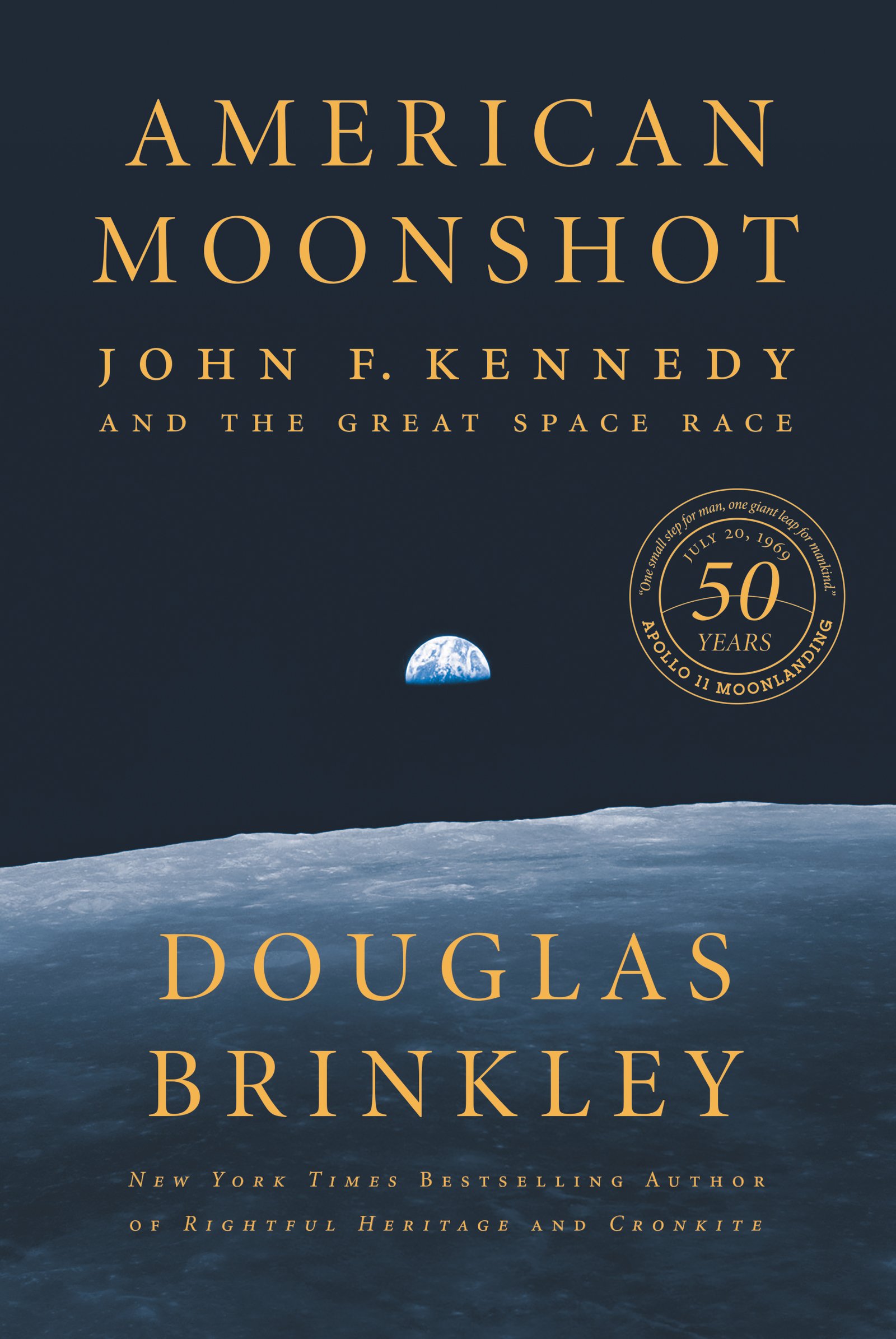
American Moonshot: John F. Kennedy and the Great Space Race

There Was an Old Lady Who Swallowed a Chick!

Clean & Lean: 30 Days, 30 Foods, a New You!

Good Night, Little Blue Truck
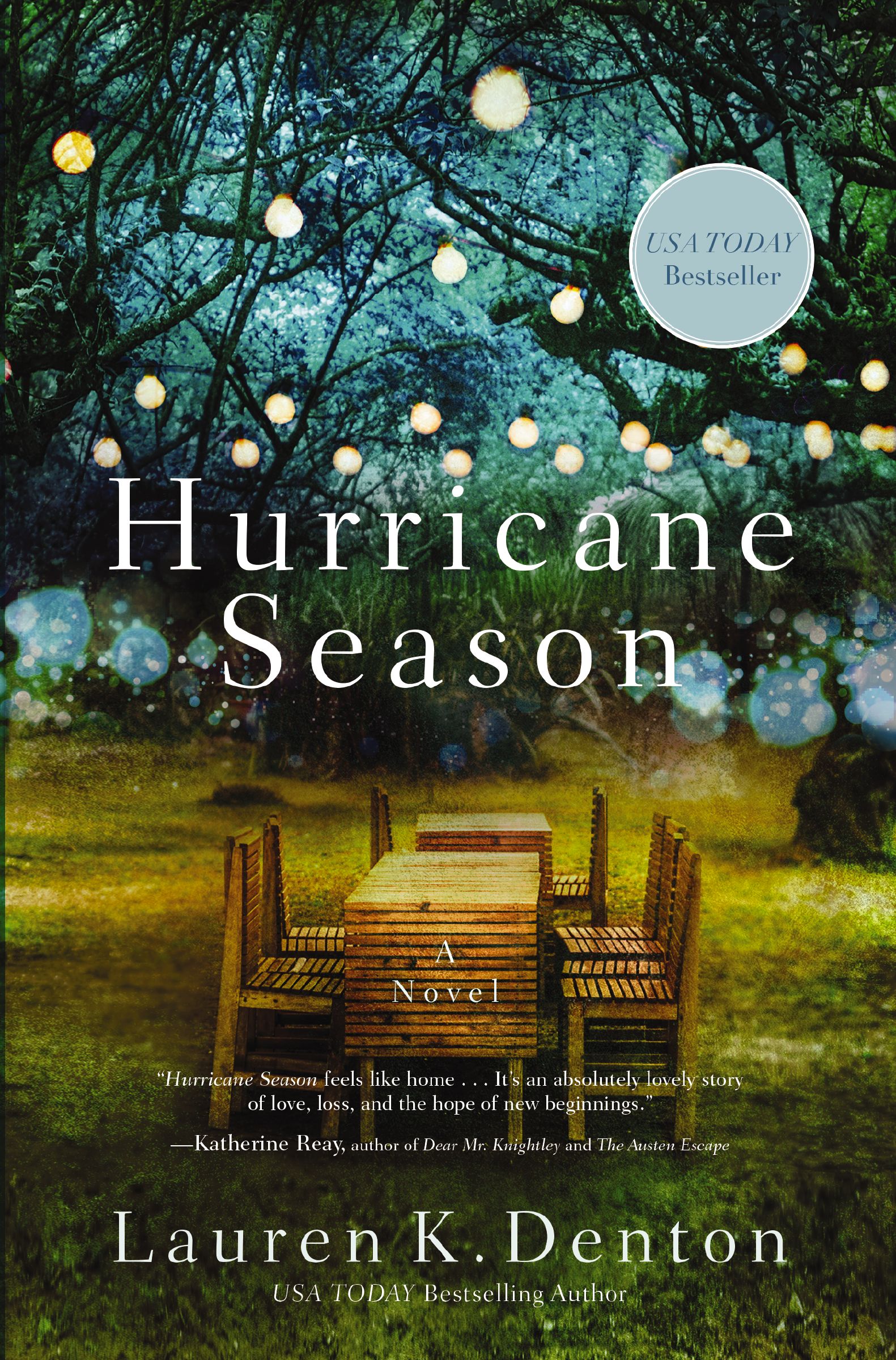
Hurricane Season

Row, Row, Row Your Boat (Indestructibles Series)

Secrets Between Us: An absolutely gripping psychological thriller
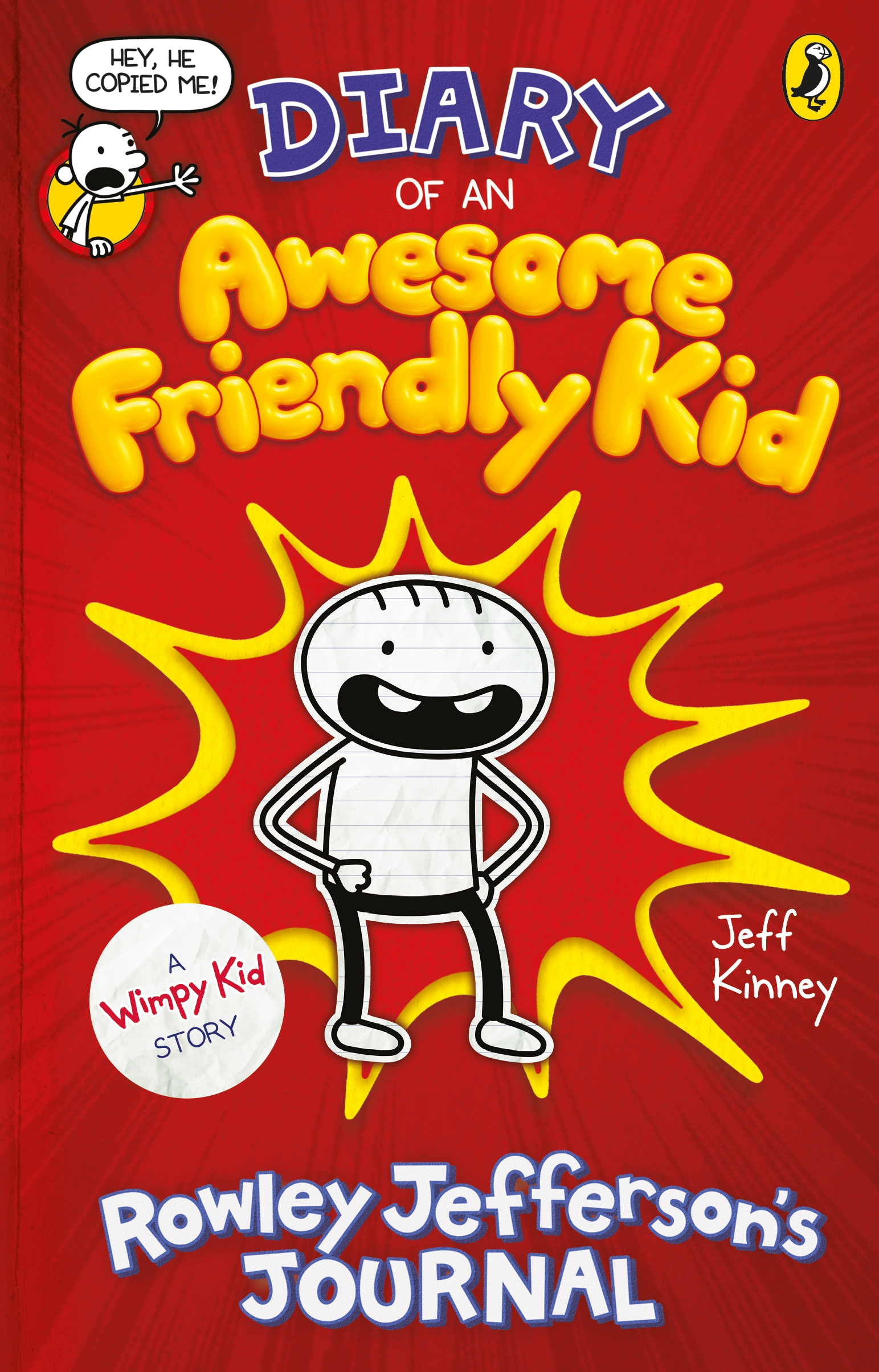
Diary of an Awesome Friendly Kid: Rowley Jefferson's Journal

Feed Your Best Friend Better: Easy, Nutritious Meals and Treats for Dogs
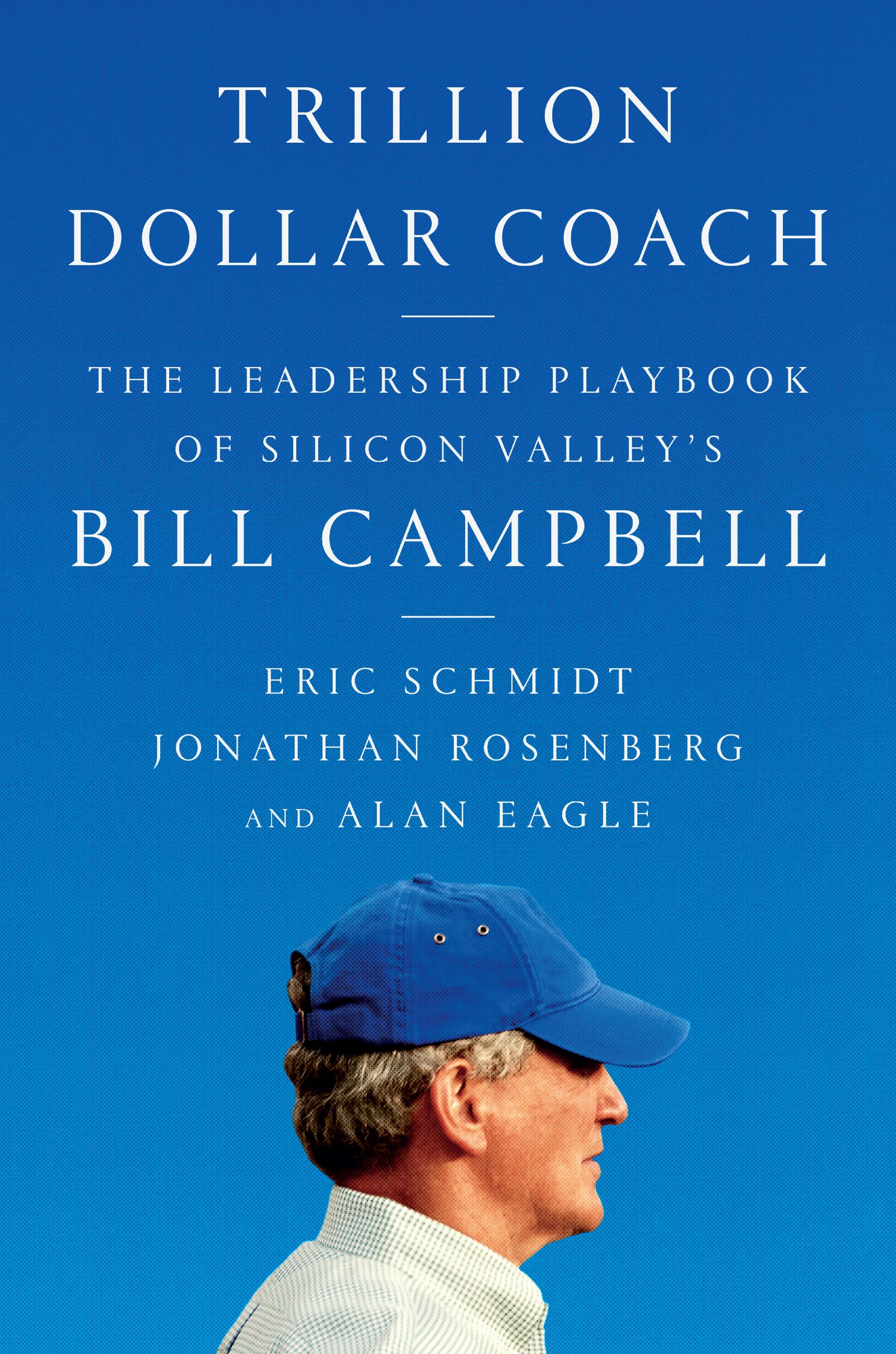
Trillion Dollar Coach: The Leadership Playbook of Silicon Valley's Bill Campbell
The Pout-Pout Fish

The Silent Woman (Cat Carlisle, Book 1)

Settings
Reflow text when sidebars are open.
