
- Browse Category
Subjects
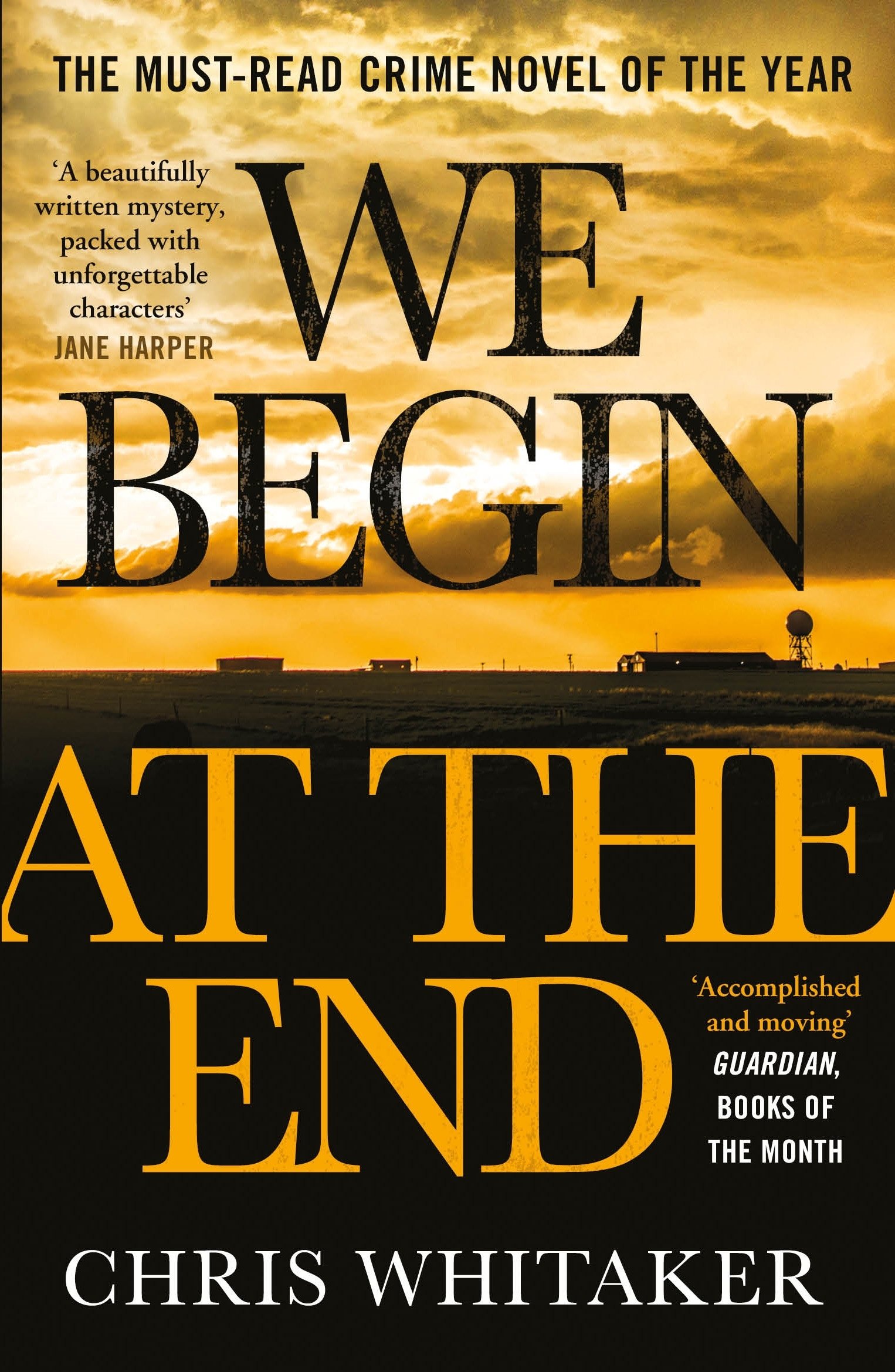 We Begin at the EndLearn More
 - Choice Picks
- Top 100 Free Books
- Blog
- Recently Added
- Submit your eBook
- Browse Category
We Begin at the EndLearn More
- Choice Picks
- Top 100 Free Books
- Blog
- Recently Added
- Submit your eBook

Coney Island Baby Lou Reed Artist
2024-07-25 07:50:54
From 1972's {|Transformer|} onward, {|Lou Reed|} spent most of the '70s playing the druggy decadence card for all it was worth, with increasingly mixed results. But on 1976's {|Coney Island Baby|}, {|Reed|}'s songwriting began to move into warmer, mo...
Read more
From 1972's {|Transformer|} onward, {|Lou Reed|} spent most of the '70s playing the druggy decadence card for all it was worth, with increasingly mixed results. But on 1976's {|Coney Island Baby|}, {|Reed|}'s songwriting began to move into warmer, more compassionate territory, and the result was his most approachable album since {|Loaded|}. On most of the tracks, {|Reed|} stripped his band back down to guitar, bass, and drums, and the results were both leaner and a lot more comfortable than the leaden over-production of {|Sally Can't Dance|} or {|Berlin|}. {|Crazy Feeling,|} {|She's My Best Friend,|} and {|Coney Island Baby|} found {|Reed|} actually writing recognizable love songs for a change, and while {|Reed|} pursued his traditional interest in the underside of the hipster's life on {|Charlie's Girl|} and {|Nobody's Business,|} he did so with a breezy, freewheeling air that was truly a relief after the lethargic tone of {|Sally Can't Dance|}. {|Kicks|} used an audio-tape collage to generate atmospheric tension that gave its tale of drugs and death a chilling quality that was far more effective than his usual blase take on the subject, and {|Coney Island Baby|} was the polar opposite, a song about love and regret that was as sincere and heart-tugging as anything the man has ever recorded. {|Coney Island Baby|} sounds casual on the surface, but emotionally it's as compelling as anything {|Lou Reed|} released in the 1970s, and proved he could write about real people with recognizable emotions as well as anyone in {|rock|} music -- something you might not have guessed from most of the solo albums that preceded it. ~ Mark Deming
Less

Available Discount
No Discount available

Settings
Reflow text when sidebars are open.
