
- Browse Category
Subjects
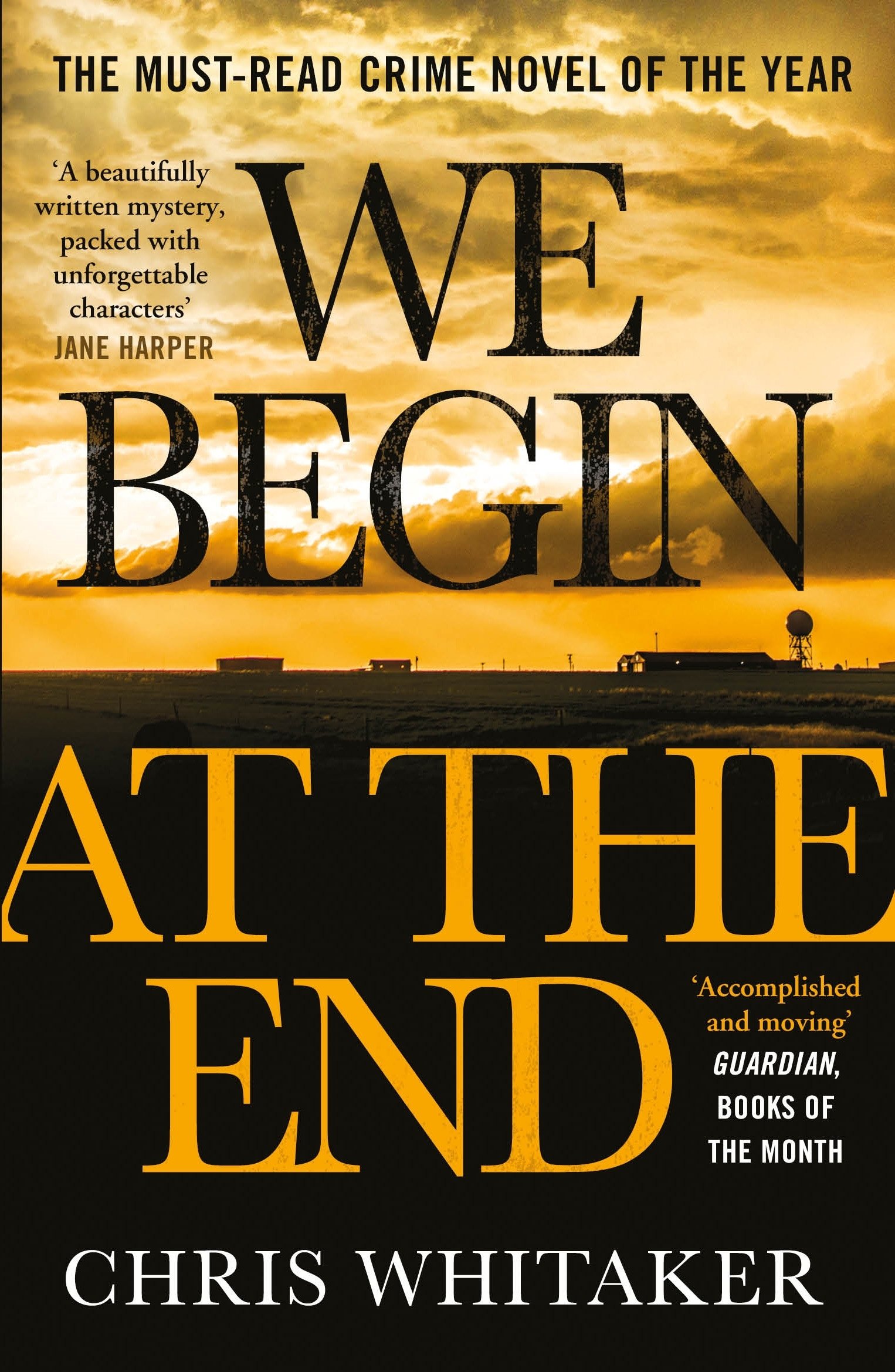 We Begin at the EndLearn More
 - Choice Picks
- Top 100 Free Books
- Blog
- Recently Added
- Submit your eBook
- Browse Category
We Begin at the EndLearn More
- Choice Picks
- Top 100 Free Books
- Blog
- Recently Added
- Submit your eBook
Contemporary States of Emergency: The Politics of Military and Humanitarian Interventions
2021-01-07 02:56:40
From natural disaster areas to zones of conflict around the world, a new logic of intervention has emerged. This new post-Cold War international order combines military action and humanitarian aid, conflates moral imperatives and political arguments,...
Read more
From natural disaster areas to zones of conflict around the world, a new logic of intervention has emerged. This new post-Cold War international order combines military action and humanitarian aid, conflates moral imperatives and political arguments, and confuses the concepts of legitimacy and legality. The mandate to protect human lives, however and wherever endangered, has thus promoted a new form of military and humanitarian government that operates in a temporality of urgency, moving from one crisis to the next, applying the same battery of technical expertise — from army logistics to epidemiological management to the latest administrative tools for forging “good governance.” In the name of the right to intervene, this new strategy challenges national sovereignties and deploys economic powers. Not only does it take charge of people’s lives, it also reduces their histories and expectations to bare lives to be rescued.Drawing on the critical insights of anthropologists, legal scholars, political scientists, and practitioners from the field, Contemporary States of Emergency first examines the historical antecedents as well as the moral, juridical, ideological, and economic conditions that have made military and humanitarian interventions possible today. It then addresses the practical process of intervention in global situations on five continents, illustrating the diversity as well as the parallels between contemporary forms of military and humanitarian interventions.Finally, it investigates the ethical and political consequences of the generalization of states of emergency and the humanitarian government that they entail. The authors thus seek to understand a critical question that confronts the world today: How and why have military and humanitarian interventions transformed the international order such that what was once a logic of exception has now become the rule of contemporary global politics?
Less

Compare Prices
| Store | Availability | Book Format | Condition | Price |
|---|---|---|---|---|
| BetterWorld.com - New, Used, Rare Books & Textbooks | In Stock | Buy USD 5.61 | ||
| Indigo Books & Music | In Stock | Buy CAD 33.99 |
Available Discount
No Discount available
Related Books
View All
There Was an Old Lady Who Swallowed a Chick!

Made for Me
Diary of an Awesome Friendly Kid: Rowley Jefferson's Journal
Clean & Lean: 30 Days, 30 Foods, a New You!

You Be You: Detox Your Life, Crush Your Limitations, and Own Your Awesome

Twinkle, Twinkle, Little Star (Indestructibles Series)

We Are Not Friends (You Are Not Small)

American Moonshot: John F. Kennedy and the Great Space Race

House of Shadows: An Enthralling Historical Mystery

The Secret Wife: A captivating story of romance, passion and mystery
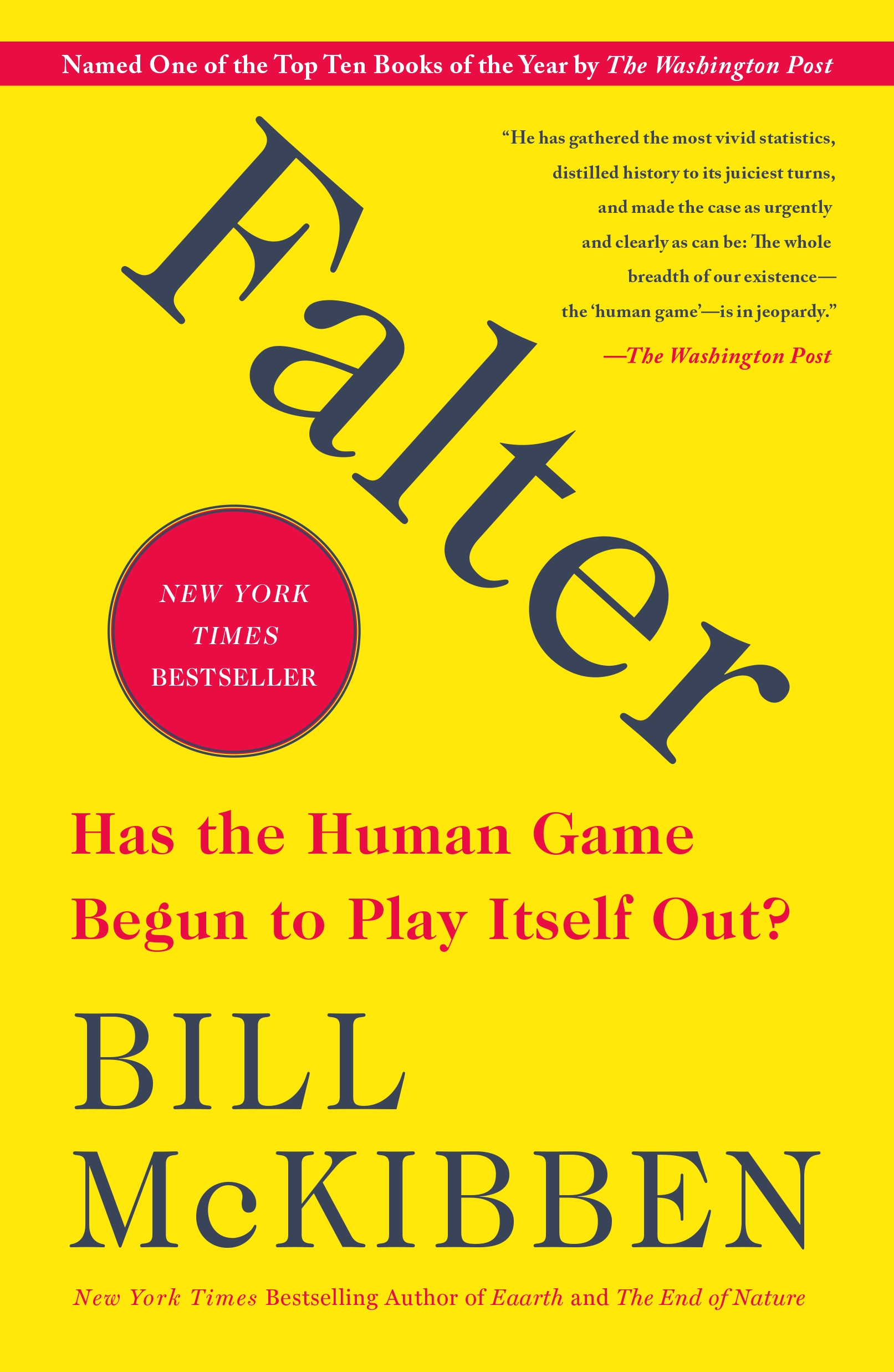
Falter: Has the Human Game Begun to Play Itself Out?

Feed Your Best Friend Better: Easy, Nutritious Meals and Treats for Dogs
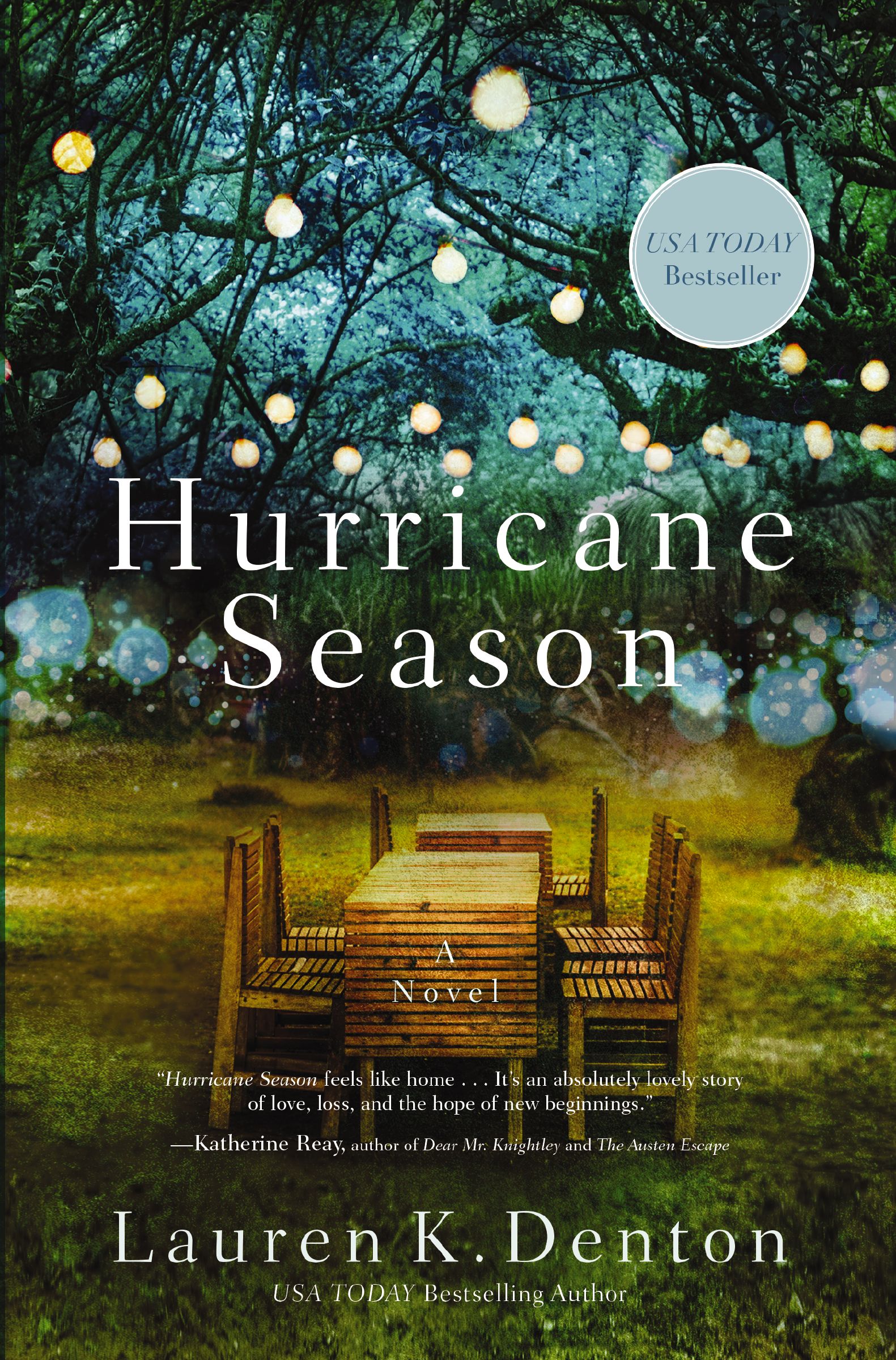
Hurricane Season

The Book Club

The Wonderful Things You Will Be

Good Night, Little Blue Truck

Row, Row, Row Your Boat (Indestructibles Series)
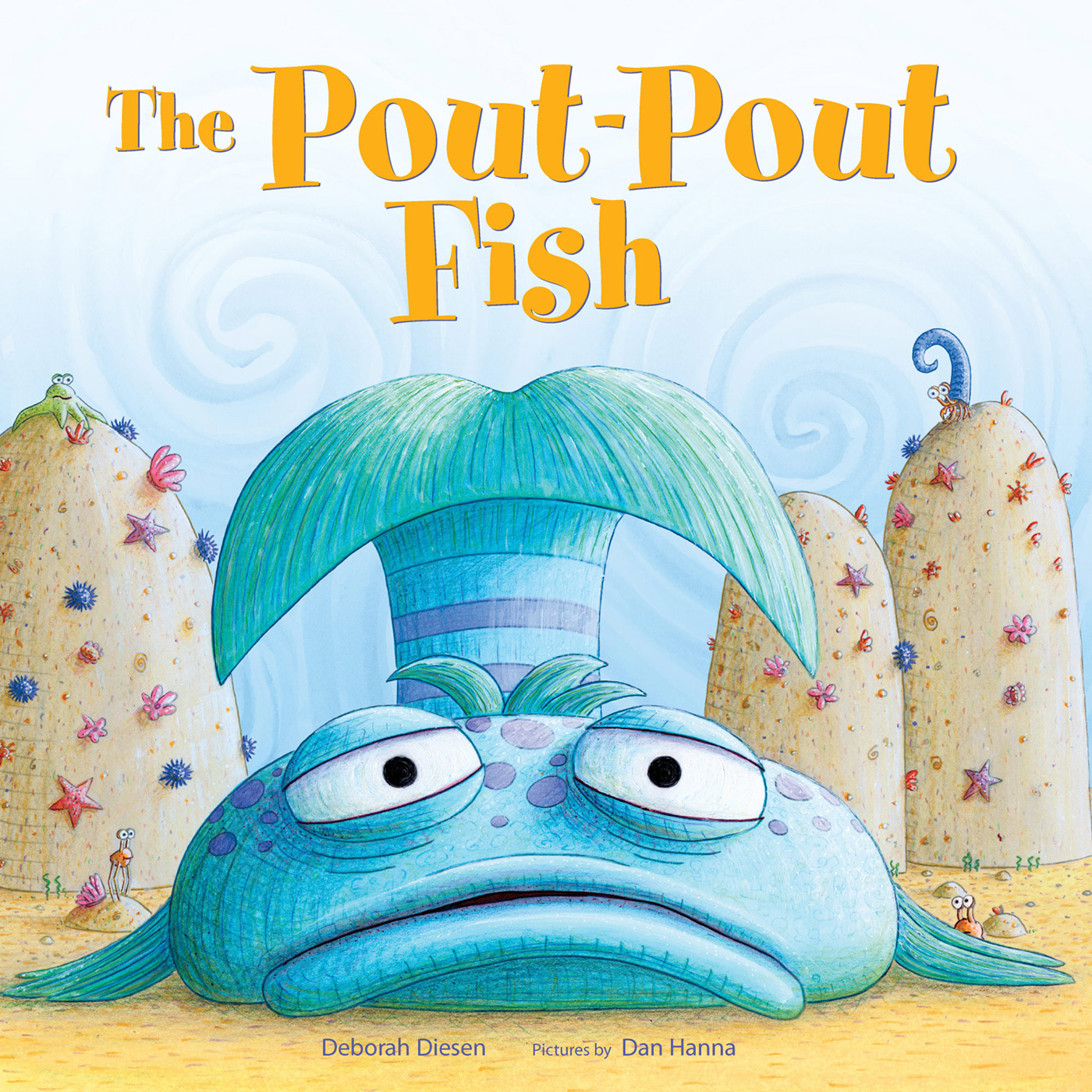
The Pout-Pout Fish

The Silent Woman (Cat Carlisle, Book 1)

Going to School

Commander in Cheat: How Golf Explains Trump
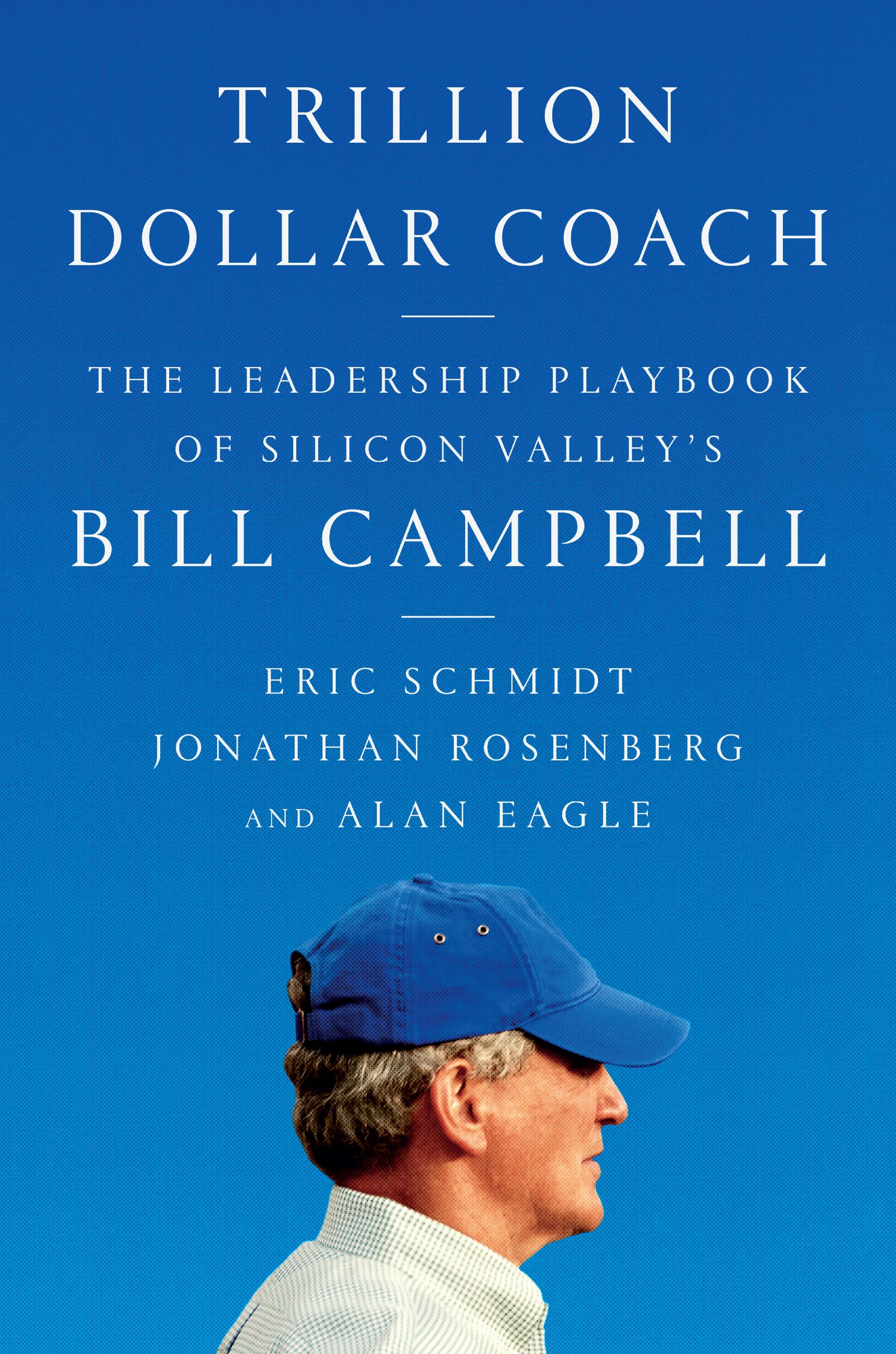
Trillion Dollar Coach: The Leadership Playbook of Silicon Valley's Bill Campbell

Secrets Between Us: An absolutely gripping psychological thriller

Life Will Be the Death of Me: ...And You Too!
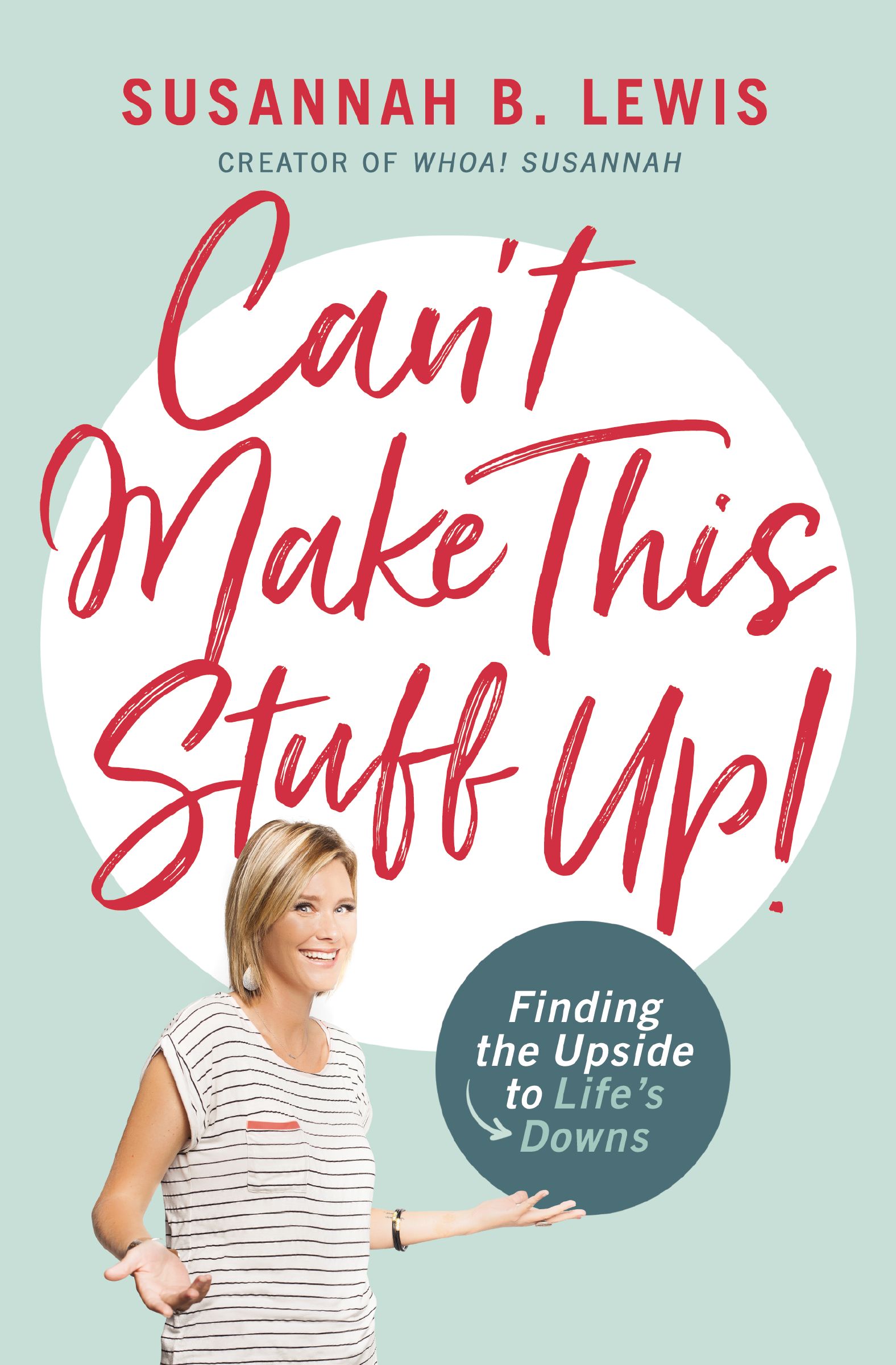
Can't Make This Stuff Up!: Finding the Upside to Life's Downs

Settings
Reflow text when sidebars are open.
