
- Browse Category
Subjects
 We Begin at the EndLearn More
 - Choice Picks
- Top 100 Free Books
- Blog
- Recently Added
- Submit your eBook
- Browse Category
We Begin at the EndLearn More
- Choice Picks
- Top 100 Free Books
- Blog
- Recently Added
- Submit your eBook
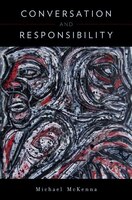
Conversation and Responsibility
2020-11-25 03:52:08
In this book Michael McKenna advances a new theory of moral responsibility, one that builds upon the work of P. F. Strawson. As McKenna demonstrates, moral responsibility can be explained on analogy with a conversation. The relation between a morally...
Read more
In this book Michael McKenna advances a new theory of moral responsibility, one that builds upon the work of P. F. Strawson. As McKenna demonstrates, moral responsibility can be explained on analogy with a conversation. The relation between a morally responsible agent and those who hold her morally responsible is similar to the relation between a speaker and her audience. A responsible agent's actions are bearers of meaning—agent meaning—just as a speaker's utterances are bearers of speaker meaning. Agent meaning is a function of the moral quality of the will with which the agent acts. Those who hold an agent morally responsible for what she does do so by responding to her as if in a conversation. By responding with certain morally reactive attitudes, such as resentment or indignation, they thereby communicate their regard for the meaning taken to be revealed in that agent's actions. It is then open for the agent held responsible to respond to those holding her responsible by offering an apology, a justification, an excuse, or some other response, thereby extending the evolving conversational exchange.The conversational theory of moral responsibility that McKenna develops here accepts two features of Strawson's theory: that moral responsibility is essentially interpersonal—so that being responsible must be understood by reference to the nature of holding responsible—and that the moral emotions are central to holding responsible. While upholding these two aspects of Strawson's theory, McKenna's theory rejects a further Strawsonian thesis, which is that holding morally responsible is more fundamental or basic than being morally responsible. On the conversational theory, the conditions for holding responsible are dependent on the nature of the agent who is responsible. So holding responsible cannot be more basic than being responsible. Nevertheless, the nature of the agent who is morally responsible is to be understood in terms of sensitivity to those who would make moral demands of her, thereby holding her responsible. Being responsible is therefore also dependent on holding responsible. Thus, neither being nor holding morally responsible is more basic than the other. They are mutually dependent.
Less

Compare Prices
| Store | Availability | Book Format | Condition | Price |
|---|---|---|---|---|
| Indigo Books & Music | In Stock | Buy CAD 82.13 | ||
| Indigo Books & Music | In Stock | Paperback | Paperback | Buy CAD 38.50 |
Available Discount
No Discount available
Related Books
View All
The Silent Woman (Cat Carlisle, Book 1)
Hurricane Season
The Pout-Pout Fish

You Be You: Detox Your Life, Crush Your Limitations, and Own Your Awesome
Can't Make This Stuff Up!: Finding the Upside to Life's Downs
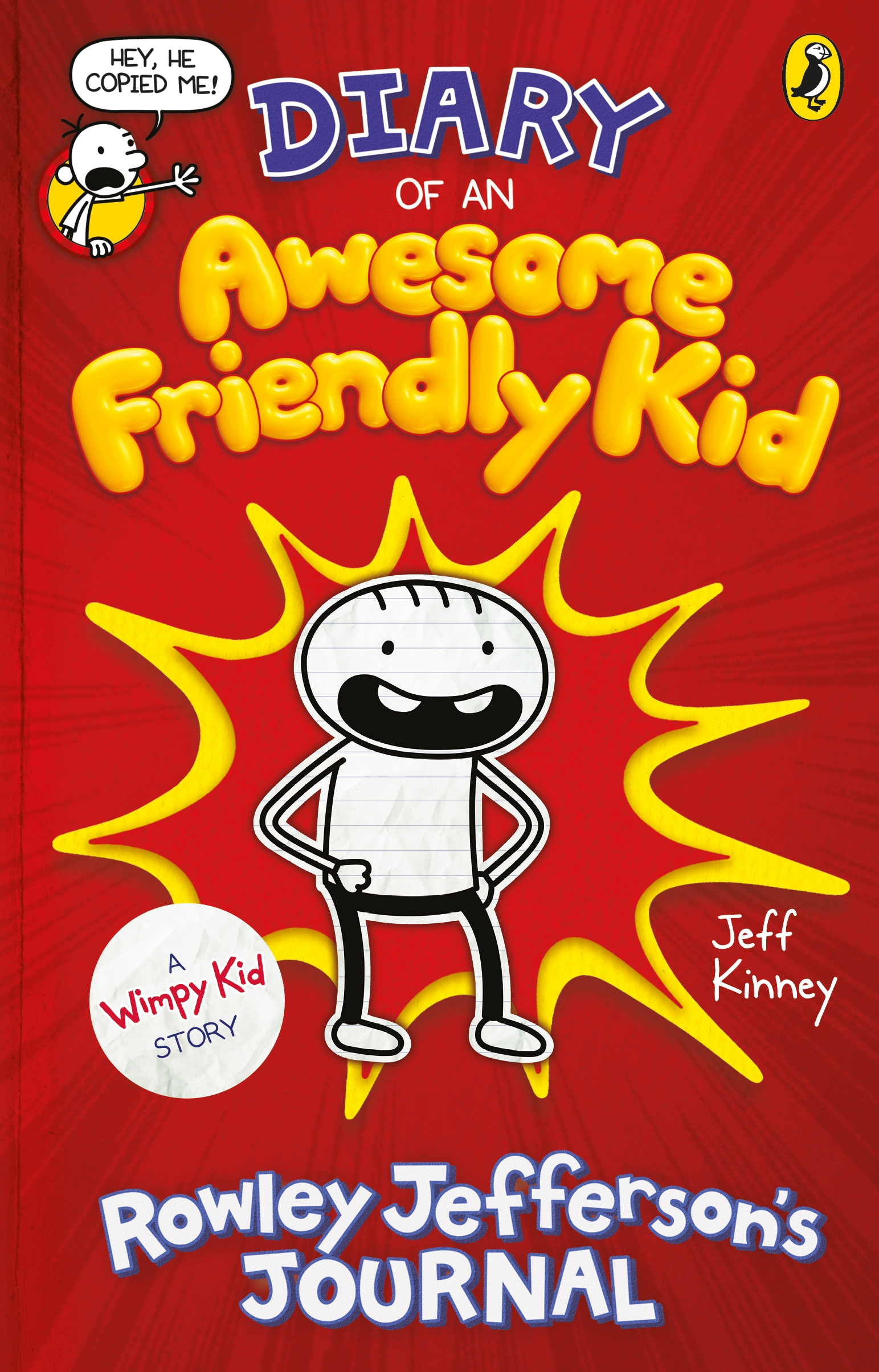
Diary of an Awesome Friendly Kid: Rowley Jefferson's Journal

The Secret Wife: A captivating story of romance, passion and mystery

Row, Row, Row Your Boat (Indestructibles Series)

House of Shadows: An Enthralling Historical Mystery

Good Night, Little Blue Truck

We Are Not Friends (You Are Not Small)
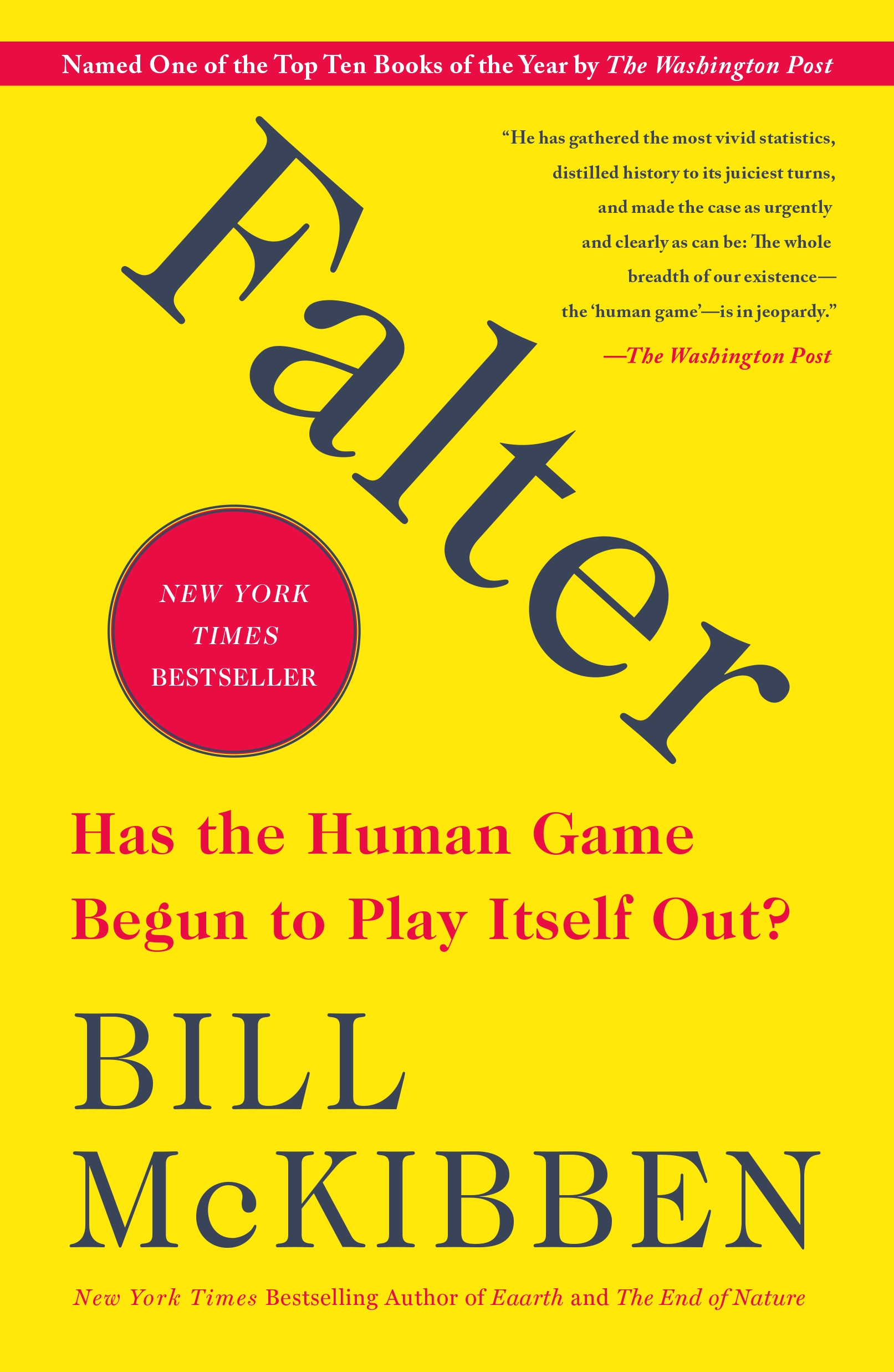
Falter: Has the Human Game Begun to Play Itself Out?
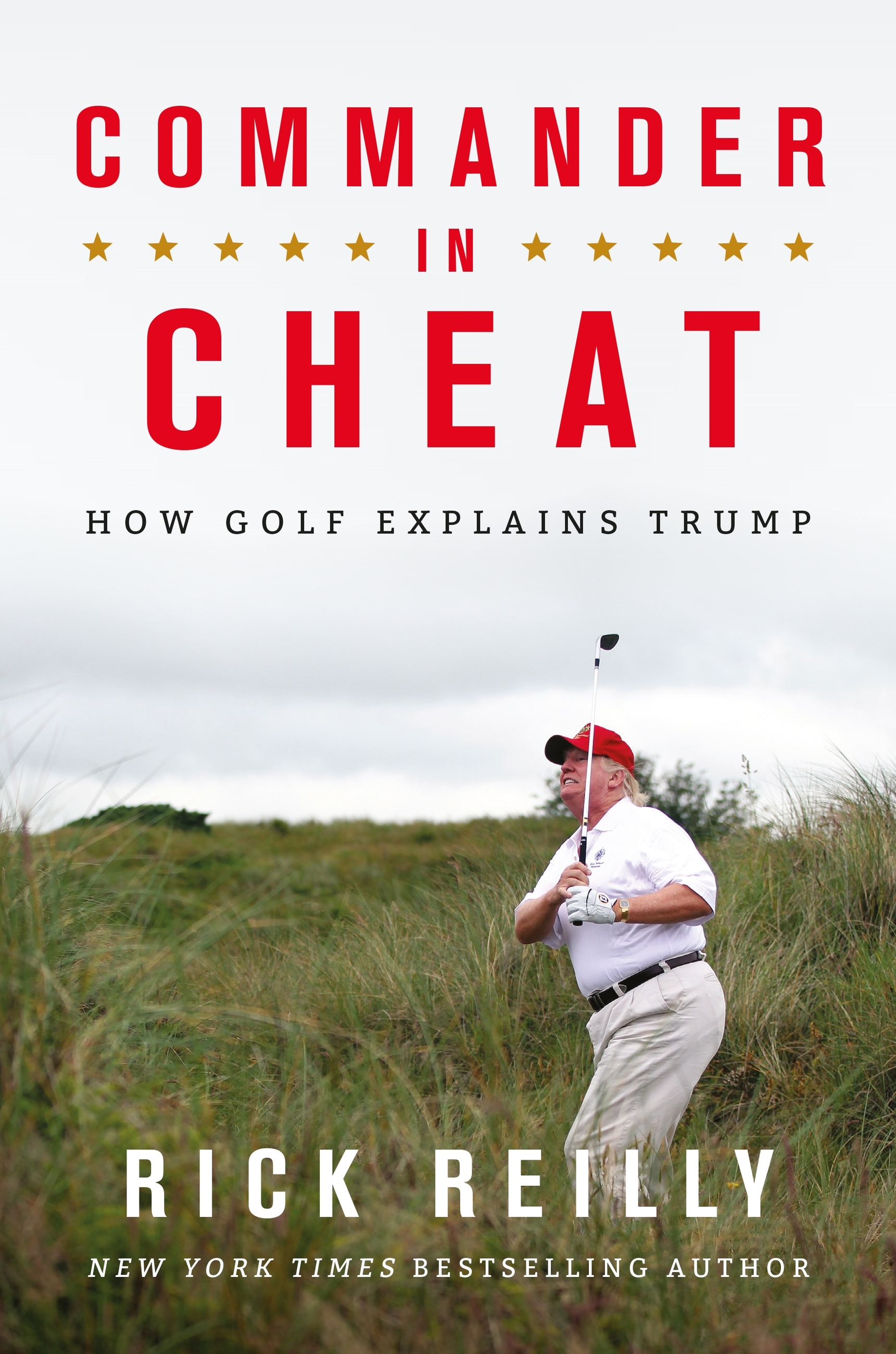
Commander in Cheat: How Golf Explains Trump
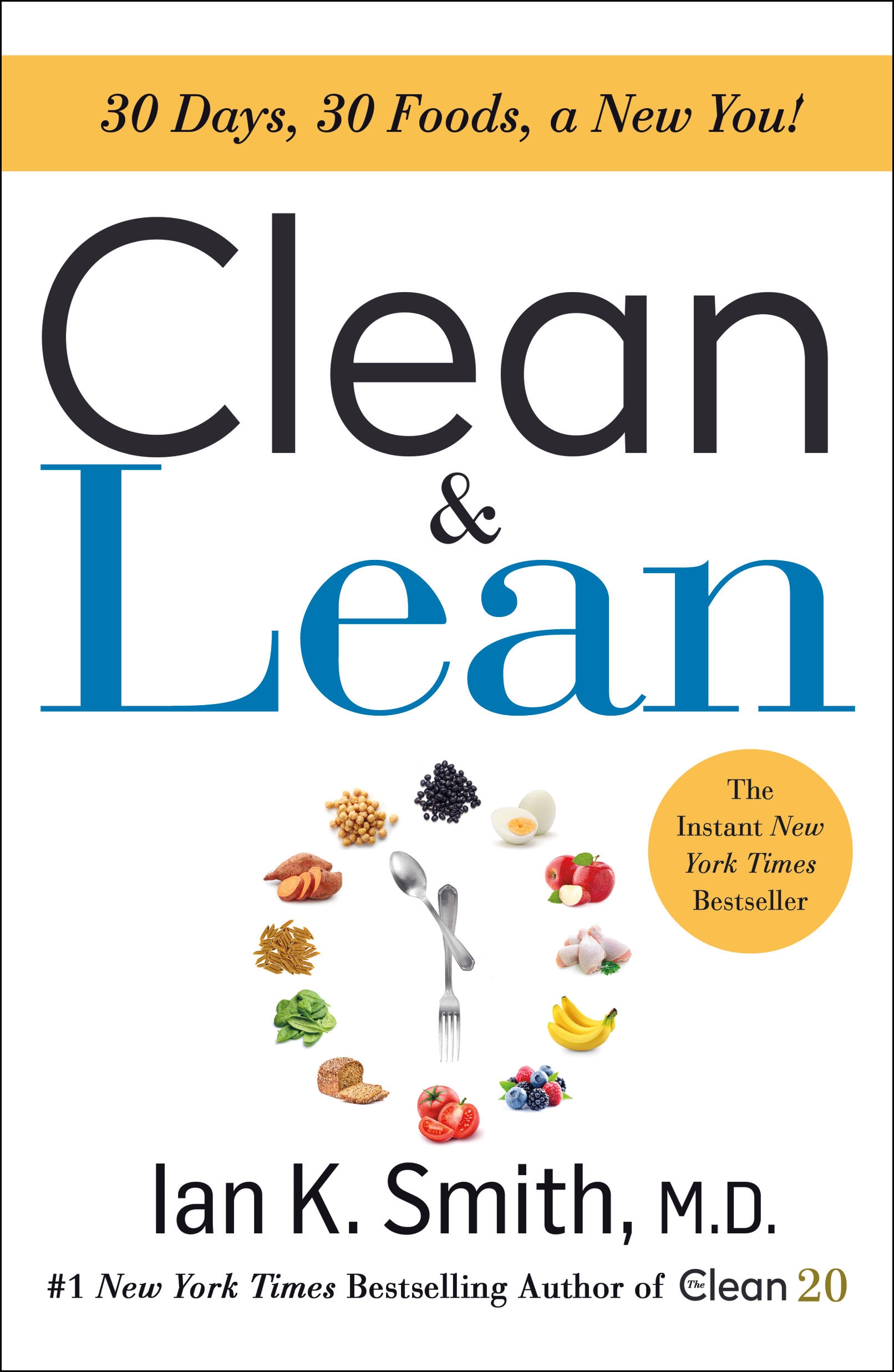
Clean & Lean: 30 Days, 30 Foods, a New You!

Going to School

There Was an Old Lady Who Swallowed a Chick!
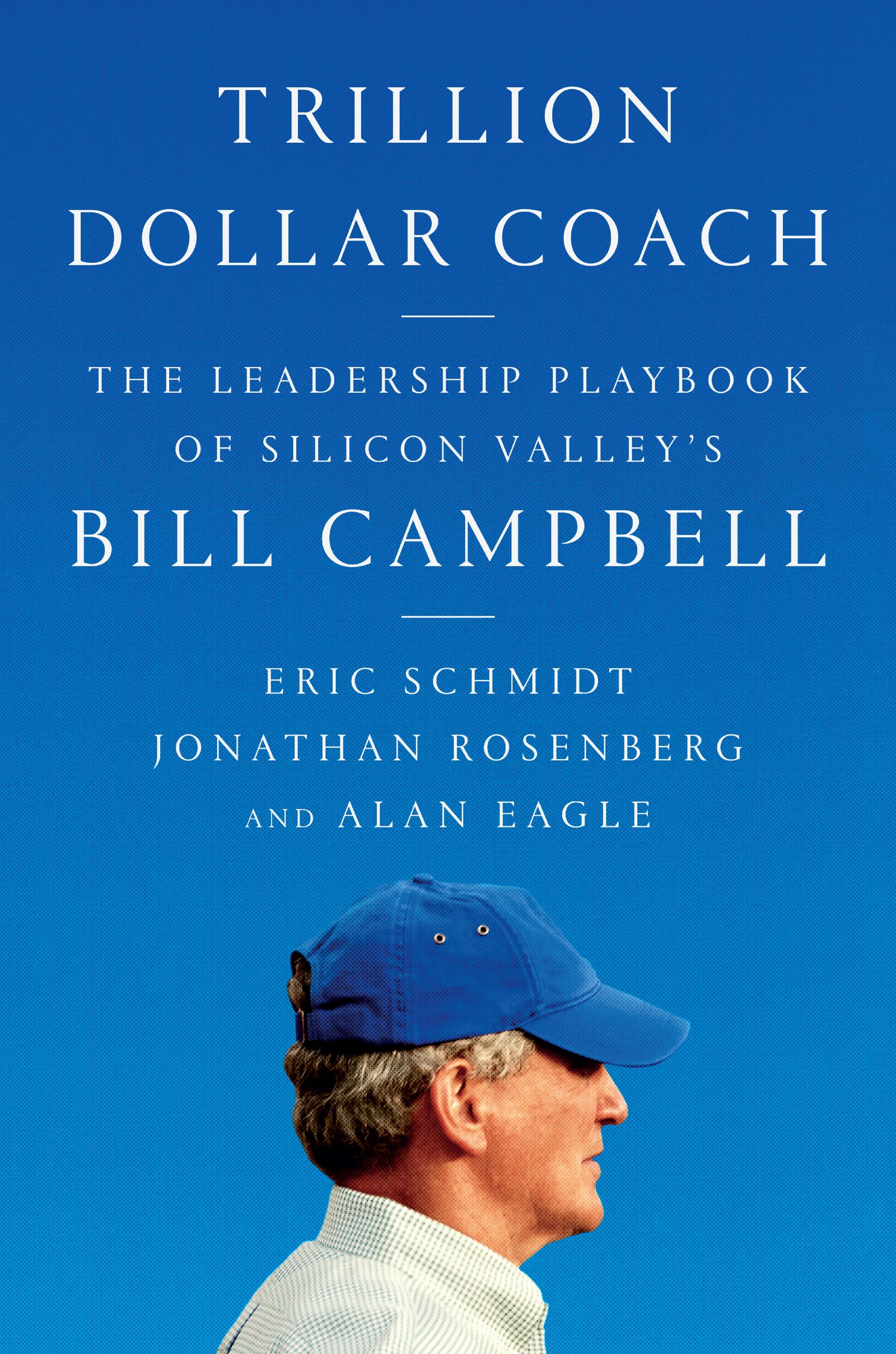
Trillion Dollar Coach: The Leadership Playbook of Silicon Valley's Bill Campbell

Twinkle, Twinkle, Little Star (Indestructibles Series)

The Book Club

The Wonderful Things You Will Be

Made for Me

Life Will Be the Death of Me: ...And You Too!

American Moonshot: John F. Kennedy and the Great Space Race

Secrets Between Us: An absolutely gripping psychological thriller

Feed Your Best Friend Better: Easy, Nutritious Meals and Treats for Dogs

Settings
Reflow text when sidebars are open.
