
- Browse Category
Subjects
 We Begin at the EndLearn More
 - Choice Picks
- Top 100 Free Books
- Blog
- Recently Added
- Submit your eBook
- Browse Category
We Begin at the EndLearn More
- Choice Picks
- Top 100 Free Books
- Blog
- Recently Added
- Submit your eBook

Determination of Elements in Natural-Water, Biota, Sediment, and Soil Samples Using Collision/Reaction Cell Inductively Coupled Pl
2021-01-13 00:26:21
A new analytical method for the determination of elements in filtered aqueous matrices using inductively coupled plasma-mass spectrometry (ICP-MS) has been implemented at the U.S. Geological Survey National Water Quality Laboratory that uses collisio...
Read more
A new analytical method for the determination of elements in filtered aqueous matrices using inductively coupled plasma-mass spectrometry (ICP-MS) has been implemented at the U.S. Geological Survey National Water Quality Laboratory that uses collision/reaction cell technology to reduce molecular ion interferences. The updated method can be used to determine elements in filtered natural-water and other filtered aqueous matrices, including whole-water, biota, sediment, and soil digestates. Helium or hydrogen is used as the collision or reaction gas, respectively, to eliminate or substantially reduce interferences commonly resulting from sample-matrix composition. Helium is used for molecular ion interferences associated with the determination of As, Co, Cr, Cu, K, Mg, Na, Ni, V, W and Zn, whereas hydrogen is used for Ca, Fe, Se, and Si. Other elements that are not affected by molecular ion interference also can be determined simply by not introducing a collision/reaction gas into the cell. Analysis time is increased by about a factor of 2 over the previous method because of the additional data acquisition time in the hydrogen and helium modes. Method detection limits for As, Ca, Co, Cr, Cu, Fe, K, Mg, Na, Ni, Se, Si (as SiO2), V, W, and Zn, all of which use a collision/reaction gas, are 0.06 microgram per liter (?g/L) As, 0.04 milligram per liter (mg/L) Ca, 0.02 ?g/L Co, 0.02 ?g/L Cr, 0.04 ?g/L Cu, 1 ?g/L Fe, 0.007 mg/L K, 0.009 mg/L Mg, 0.09 mg/L Na, 0.05 ?g/L Ni, 0.04 ?g/L Se, 0.03 mg/L SiO2, 0.05 ?g/L V, 0.03 ?g/L W, and 0.04 ?g/L Zn. Most method detection limits are lower or relatively unchanged compared to earlier methods except for Co, K, Mg, Ni, SiO2, and Tl, which are less than a factor of 2 higher. Percentage bias for samples spiked at about one-third and two-thirds of the concentration of the highest calibration standard ranged from -8.1 to 7.9 percent for reagent water, -14 to 21 percent for surface water, and -16 to 16 percent for ground water. The percen
Less

Compare Prices
| Store | Availability | Book Format | Condition | Price |
|---|---|---|---|---|
| Indigo Books & Music | In Stock | Paperback | Paperback | Buy CAD 21.99 |
| Indigo Books & Music | In Stock | Buy CAD 21.99 |
Available Discount
No Discount available
Related Books
View All
Row, Row, Row Your Boat (Indestructibles Series)
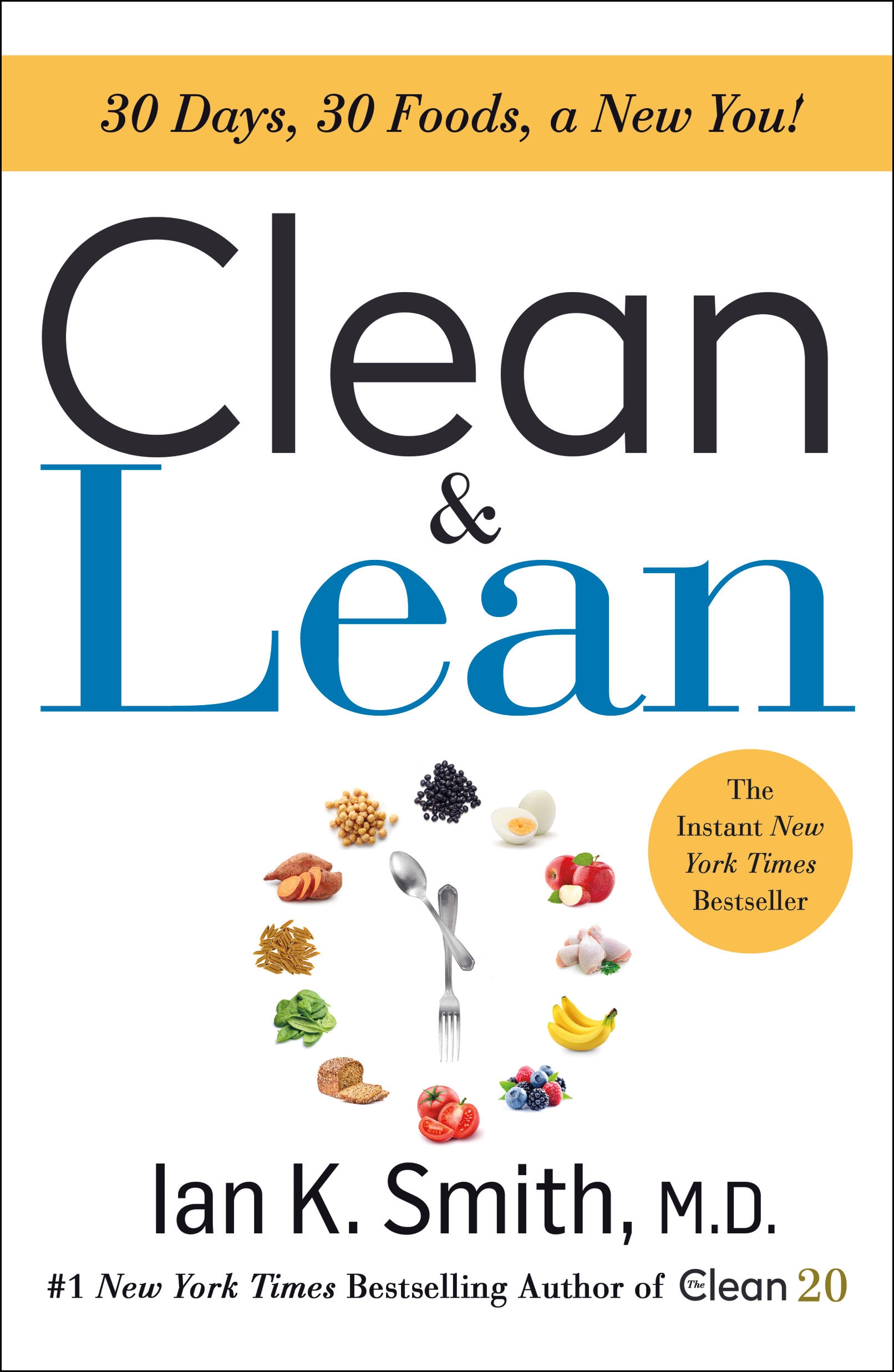
Clean & Lean: 30 Days, 30 Foods, a New You!

House of Shadows: An Enthralling Historical Mystery

Made for Me

Hurricane Season

There Was an Old Lady Who Swallowed a Chick!

Going to School

The Secret Wife: A captivating story of romance, passion and mystery
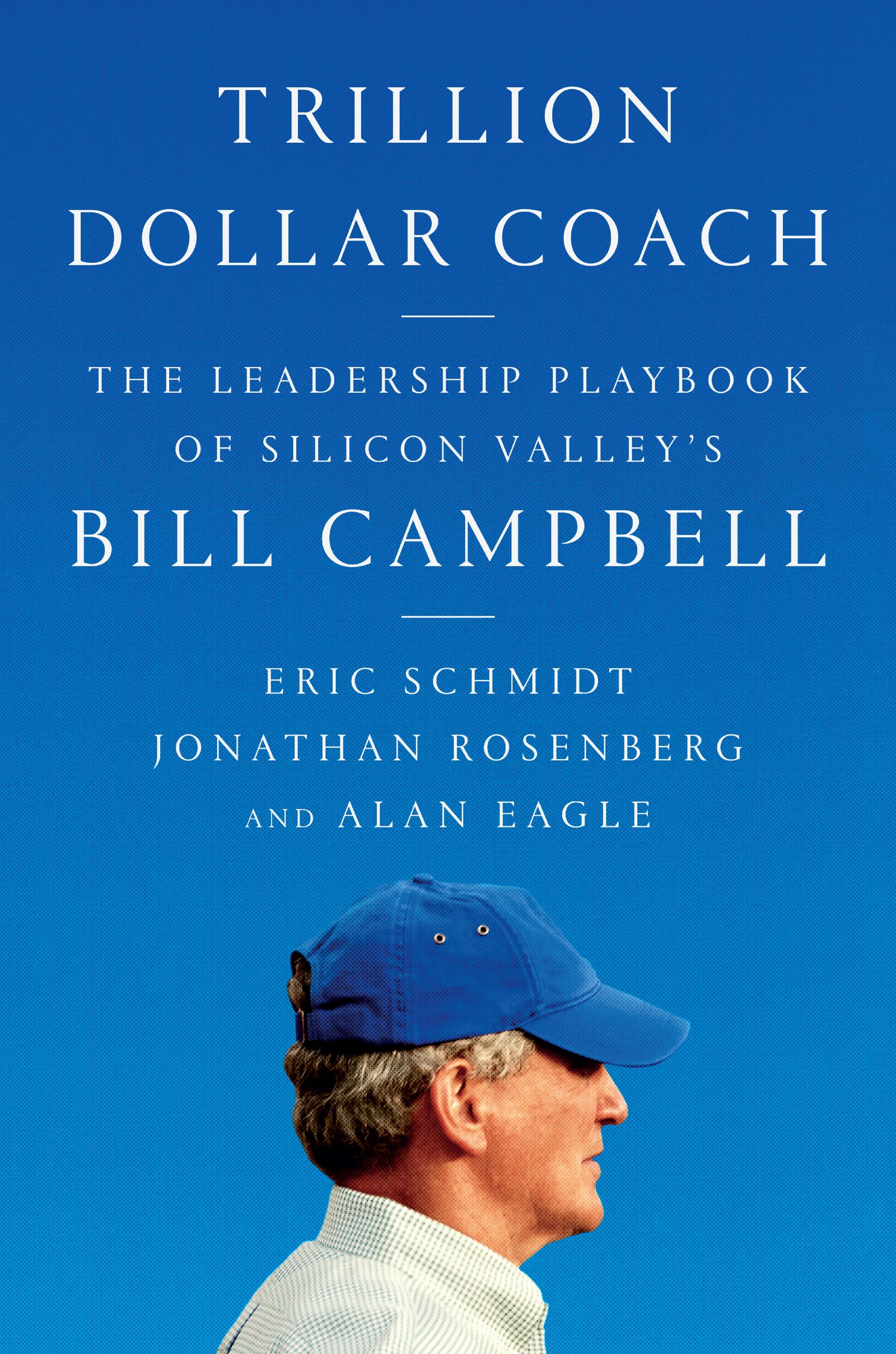
Trillion Dollar Coach: The Leadership Playbook of Silicon Valley's Bill Campbell

The Wonderful Things You Will Be

Commander in Cheat: How Golf Explains Trump

Diary of an Awesome Friendly Kid: Rowley Jefferson's Journal

Good Night, Little Blue Truck

Falter: Has the Human Game Begun to Play Itself Out?

Can't Make This Stuff Up!: Finding the Upside to Life's Downs

The Silent Woman (Cat Carlisle, Book 1)

The Book Club

Secrets Between Us: An absolutely gripping psychological thriller

Feed Your Best Friend Better: Easy, Nutritious Meals and Treats for Dogs

Twinkle, Twinkle, Little Star (Indestructibles Series)

You Be You: Detox Your Life, Crush Your Limitations, and Own Your Awesome
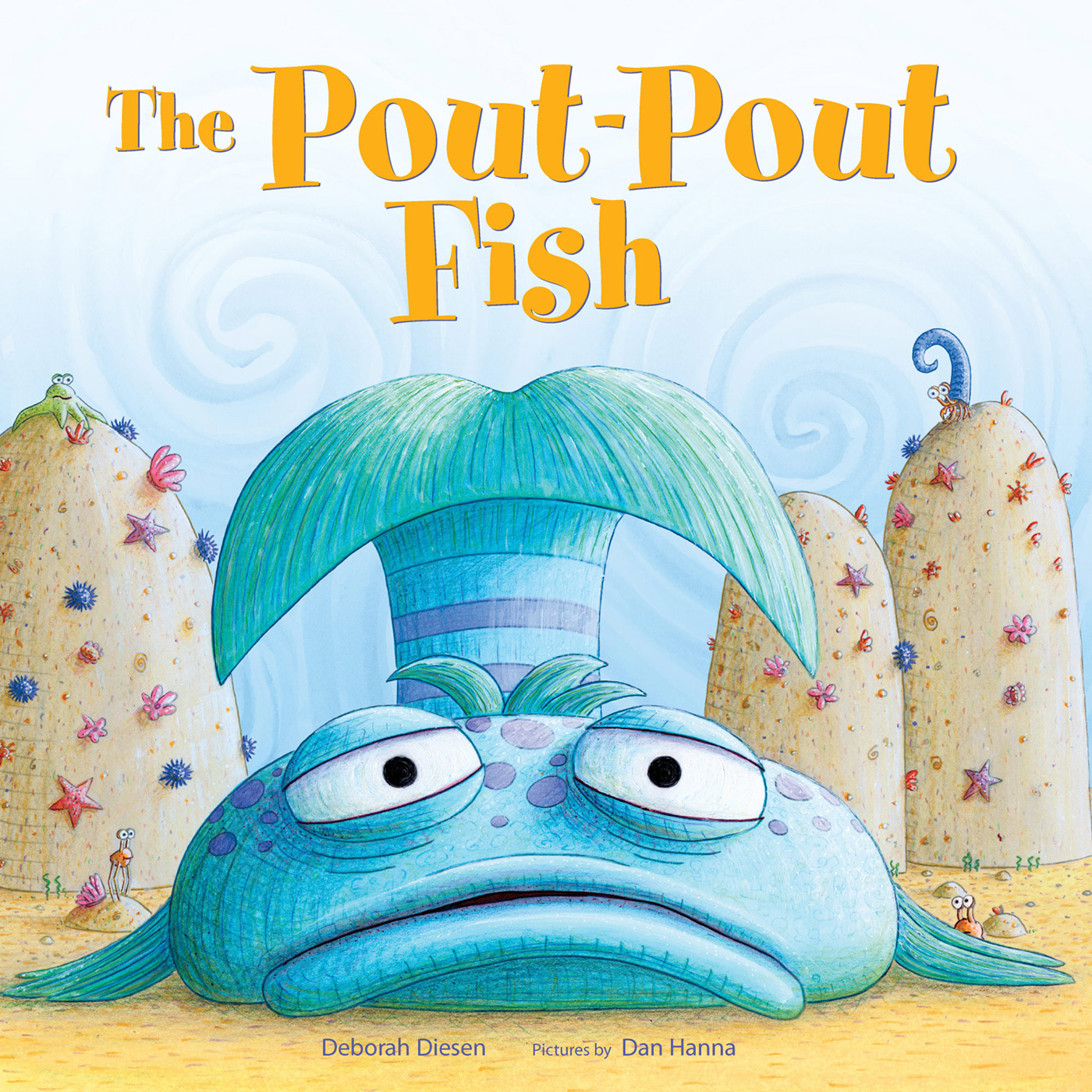
The Pout-Pout Fish

We Are Not Friends (You Are Not Small)

Life Will Be the Death of Me: ...And You Too!

American Moonshot: John F. Kennedy and the Great Space Race

Settings
Reflow text when sidebars are open.
