
- Browse Category
Subjects
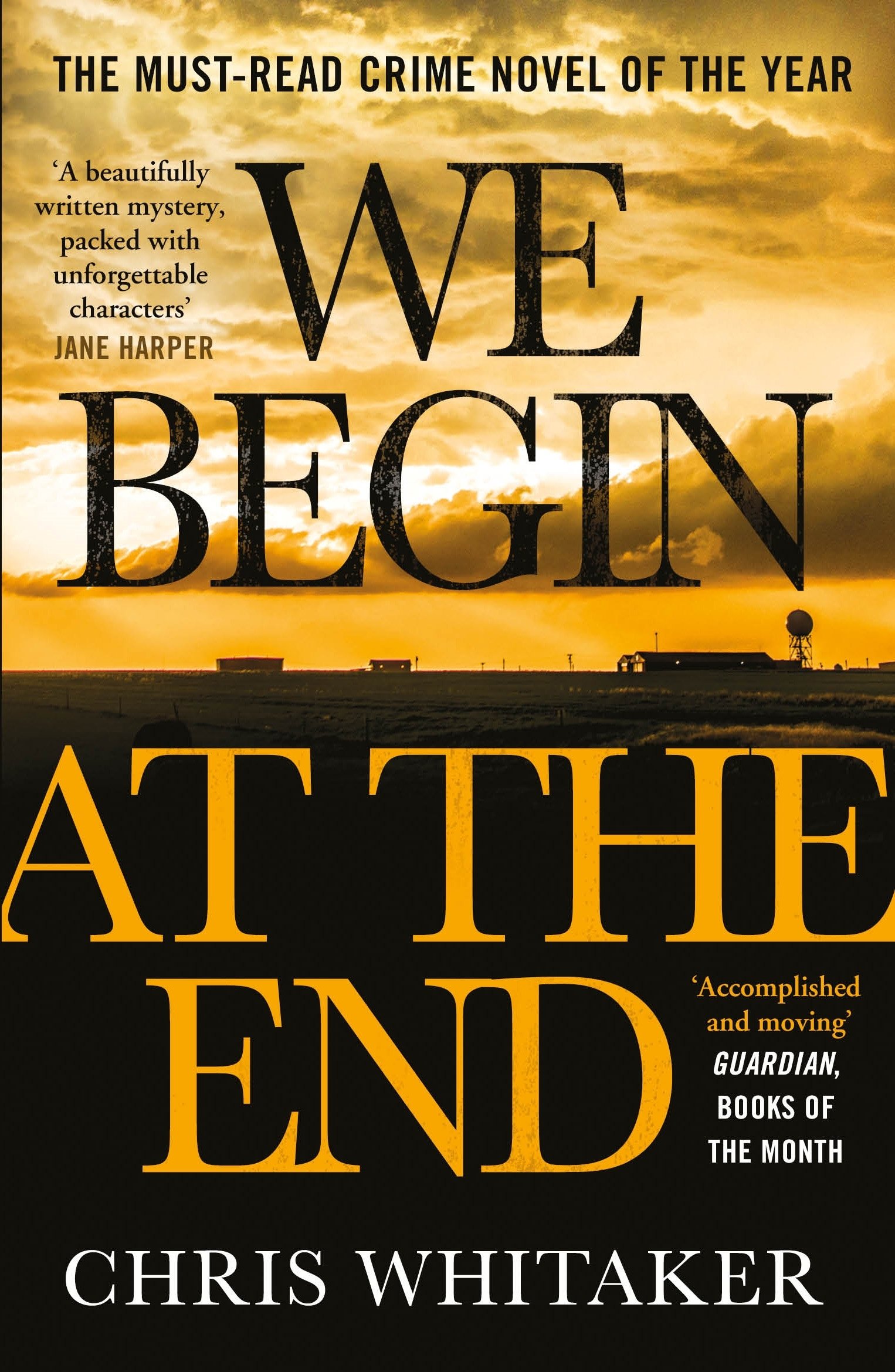 We Begin at the EndLearn More
 - Choice Picks
- Top 100 Free Books
- Blog
- Recently Added
- Submit your eBook
- Browse Category
We Begin at the EndLearn More
- Choice Picks
- Top 100 Free Books
- Blog
- Recently Added
- Submit your eBook
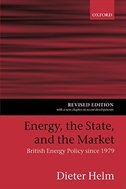
Energy, the State, and the Market: British Energy Policy since 1979
2020-11-25 01:07:28
The transformation of Britain''s energy policy in the last two decades has been more radical than any such change in developed economies. Since 1979 the great state energy monopolies created after the Second World War have been privatised and made su...
Read more
The transformation of Britain''s energy policy in the last two decades has been more radical than any such change in developed economies. Since 1979 the great state energy monopolies created after the Second World War have been privatised and made subject to competition. Images of ArthurScargill and the miners'' strike of the 1980s remain vivid, but what effect has the new market philosophy had on Britain''s energy industries?Since 1979 the National Coal Board, British Gas, and the Central Electricity Generating Board have all been broken up. Energy trading, electricity pools, auctions, and futures markets first developed, but they failed to solve the old energy policy problems of security of supply and networkintegrity, and the new ones of the environment and reliance on gas. The government introduced a new regulatory regime as a temporary necessity but regulation did not wither away, rather it grew to be more pervasive. Changing the ownership of the industries did not reduce the government''sinvolvement, it simply changed its form.The 1980s and 1990s were years of energy surpluses and low fossil-fuel prices. There was little need to invest, and much of the investment in the so-called dash for gas was artificially stimulated. The new owners sweated the assets, and engaged in major financial engineering. Takeovers consolidatedthe industry into a smaller number of dominant firms. As investment priorities became more urgent, with the environmental pressures of climate change and the gradual switch to imported gas, the market philosophy was found wanting. Energy policy could not rely solely on the market. And it is thegovernment which finds itself responsible for resolving the core issues of energy policy.Helm''s book tells this story. It is a major study of the new market approach to energy policy in Britain since 1979. It describes the miners'' strike, the privatisations of the gas, electricity, nuclear generation, and coal industries, and looks at events such as the dash for gas, regulatory failuresin setting monopoly prices, and the takeovers and the consolidations of the late 1990s. Helm sets out the achievements of the new market philosophy, but also analyses why it has ultimately failed to turn energy industries into normal commodity businesses.The revised paperback edition includes a new chapter on the White Paper on a low-carbon economy and updated discussions on nuclear power, to incorporate the 2003 Nuclear White Paper, price reviews, and emissions trading.
Less

Compare Prices
| Store | Availability | Book Format | Condition | Price |
|---|---|---|---|---|
| Indigo Books & Music | In Stock | Paperback | Paperback | Buy CAD 91.05 |
| Indigo Books & Music | In Stock | Buy CAD 237.00 |
Available Discount
No Discount available
Related Books
View All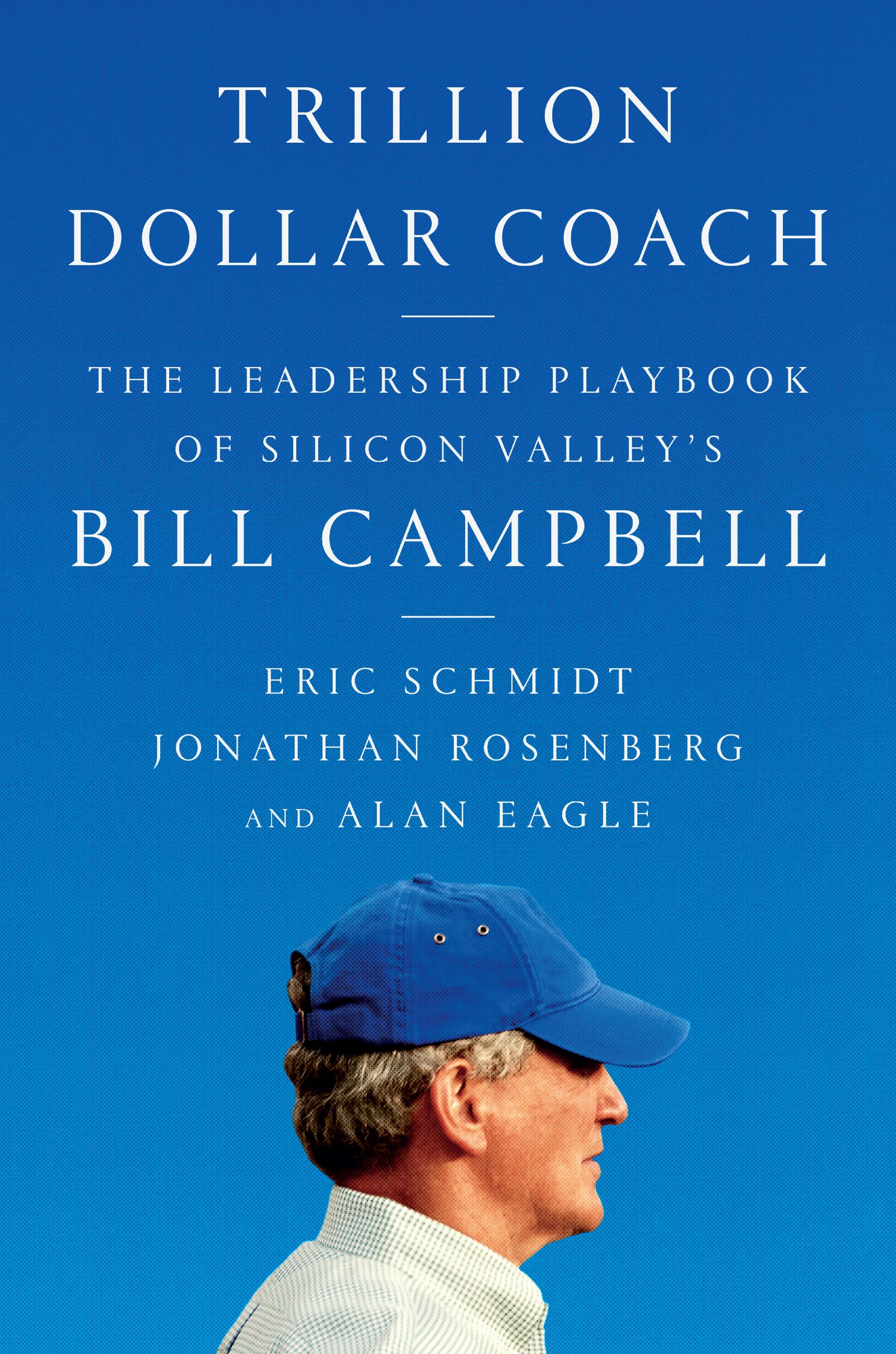
Trillion Dollar Coach: The Leadership Playbook of Silicon Valley's Bill Campbell

There Was an Old Lady Who Swallowed a Chick!

The Book Club

The Silent Woman (Cat Carlisle, Book 1)

Made for Me

The Secret Wife: A captivating story of romance, passion and mystery

Good Night, Little Blue Truck

Row, Row, Row Your Boat (Indestructibles Series)
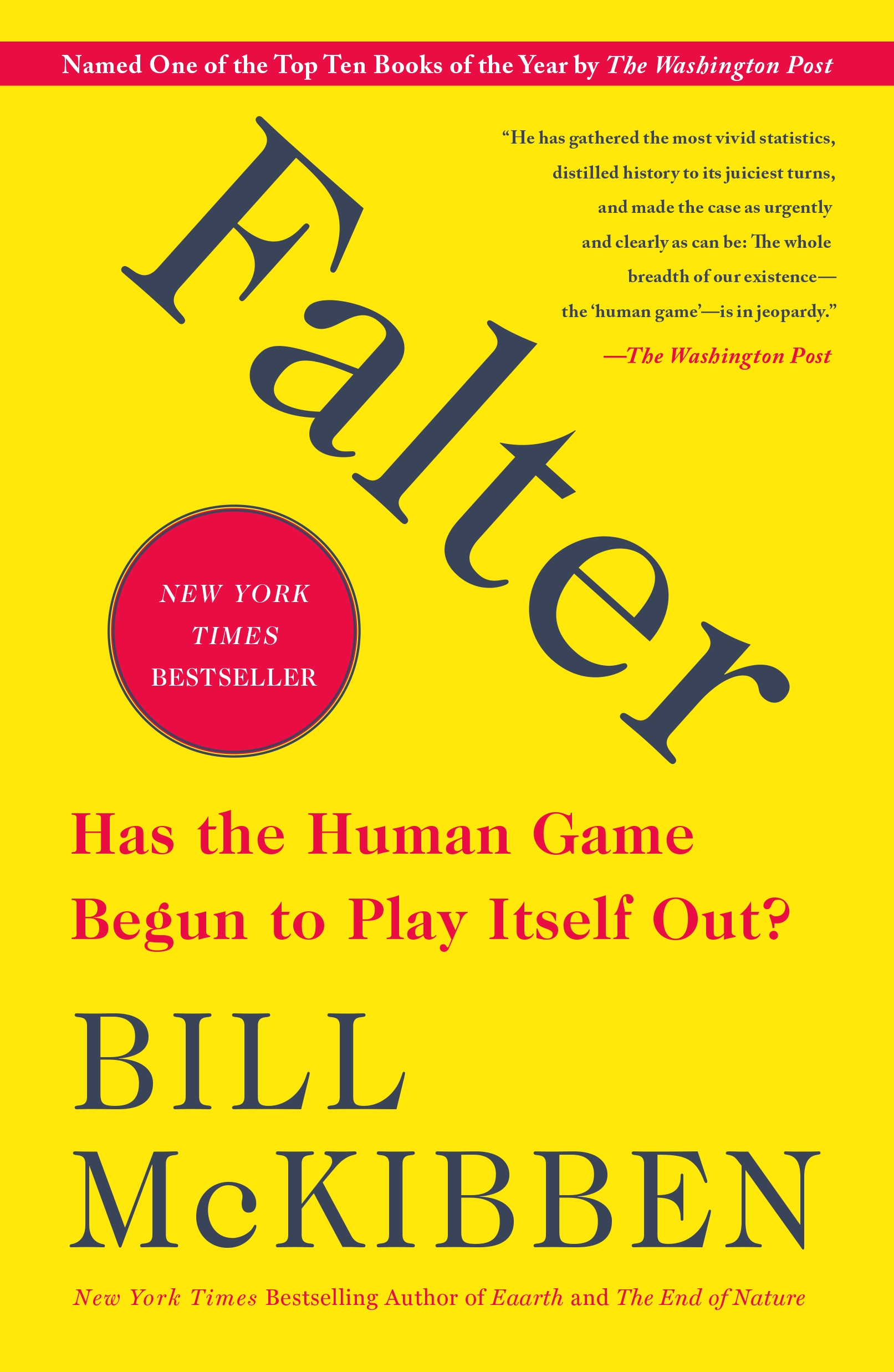
Falter: Has the Human Game Begun to Play Itself Out?

American Moonshot: John F. Kennedy and the Great Space Race

Secrets Between Us: An absolutely gripping psychological thriller

Can't Make This Stuff Up!: Finding the Upside to Life's Downs

The Wonderful Things You Will Be

Feed Your Best Friend Better: Easy, Nutritious Meals and Treats for Dogs
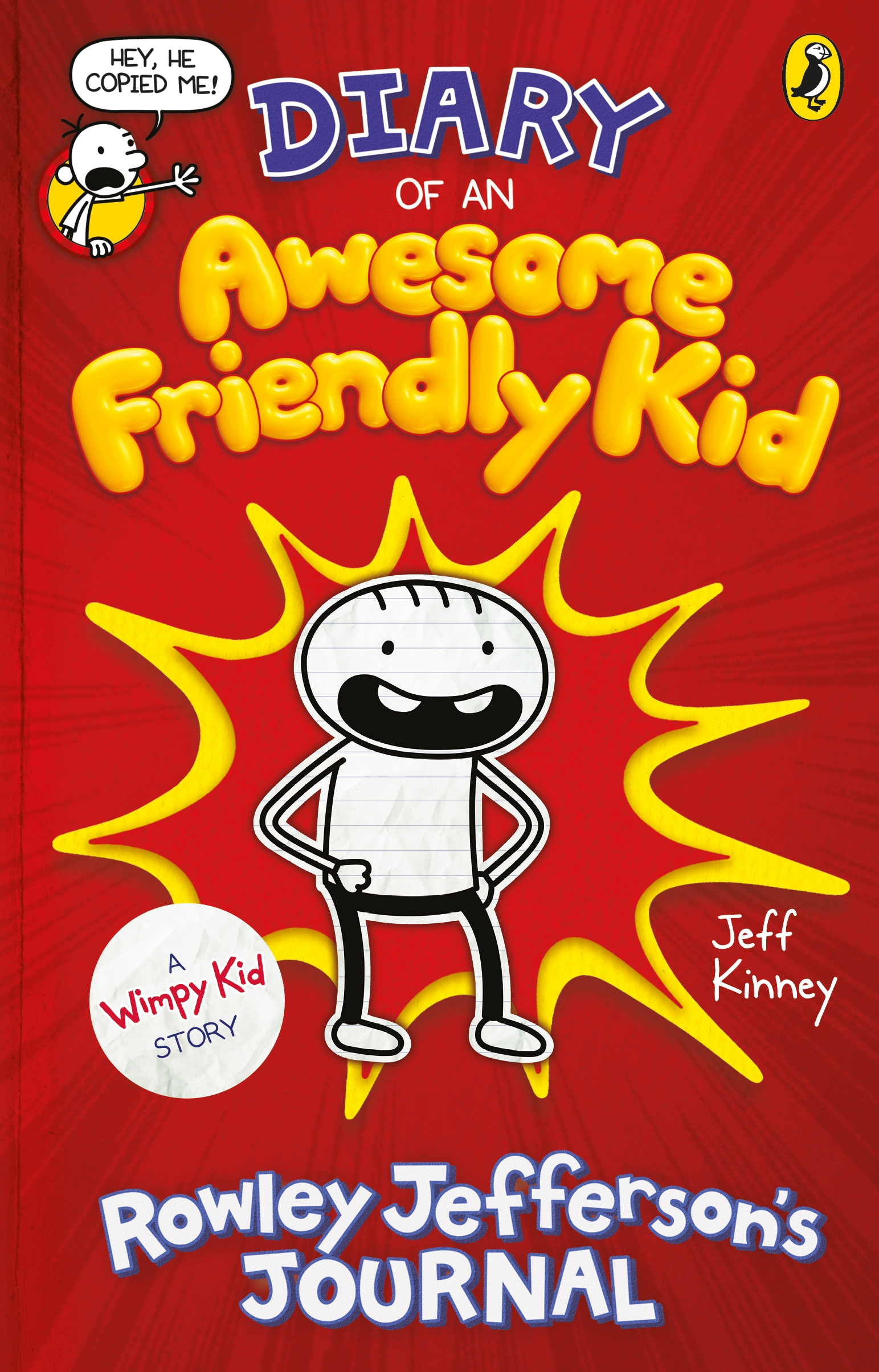
Diary of an Awesome Friendly Kid: Rowley Jefferson's Journal

Commander in Cheat: How Golf Explains Trump
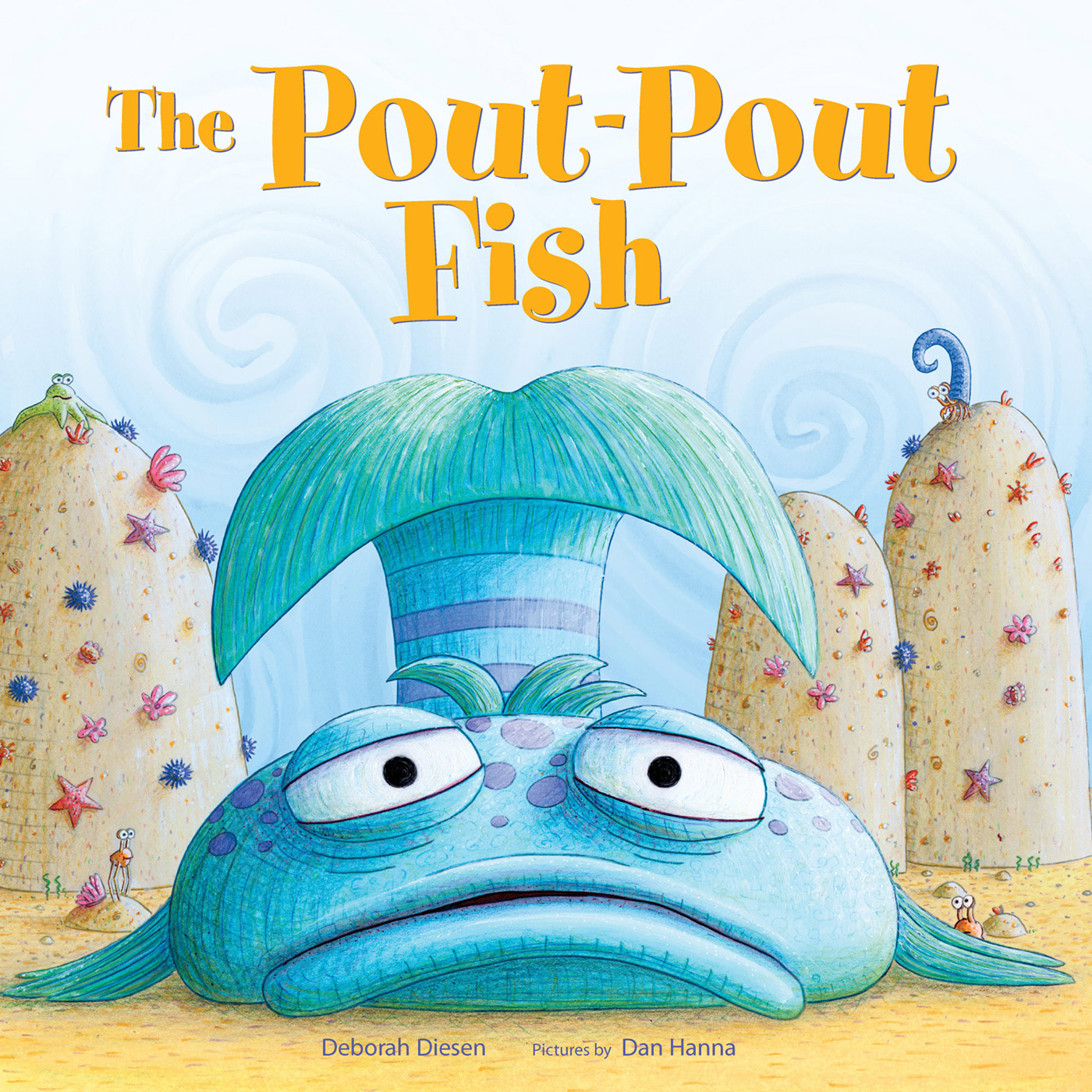
The Pout-Pout Fish

Twinkle, Twinkle, Little Star (Indestructibles Series)
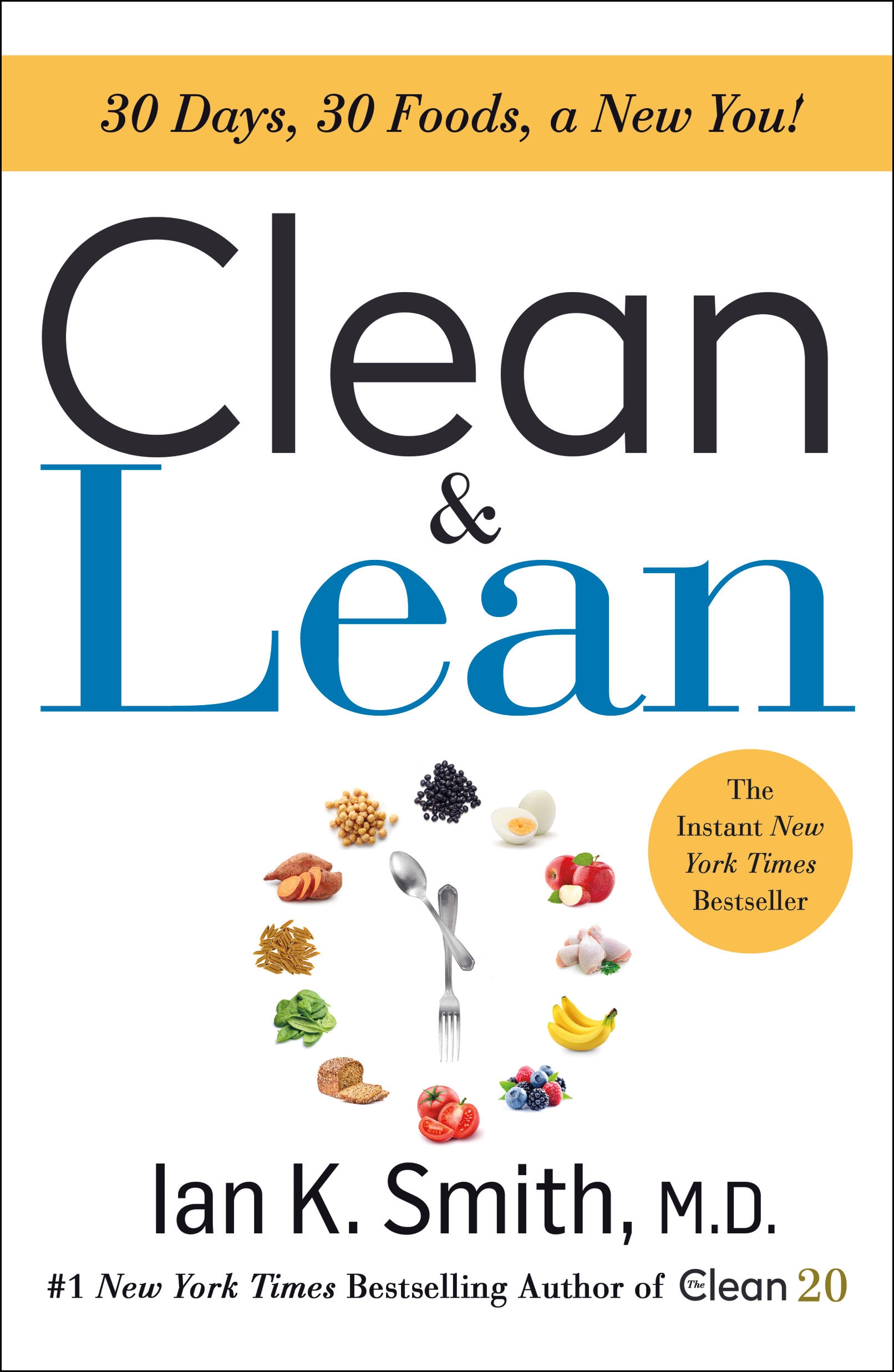
Clean & Lean: 30 Days, 30 Foods, a New You!

Life Will Be the Death of Me: ...And You Too!

You Be You: Detox Your Life, Crush Your Limitations, and Own Your Awesome

House of Shadows: An Enthralling Historical Mystery

Going to School
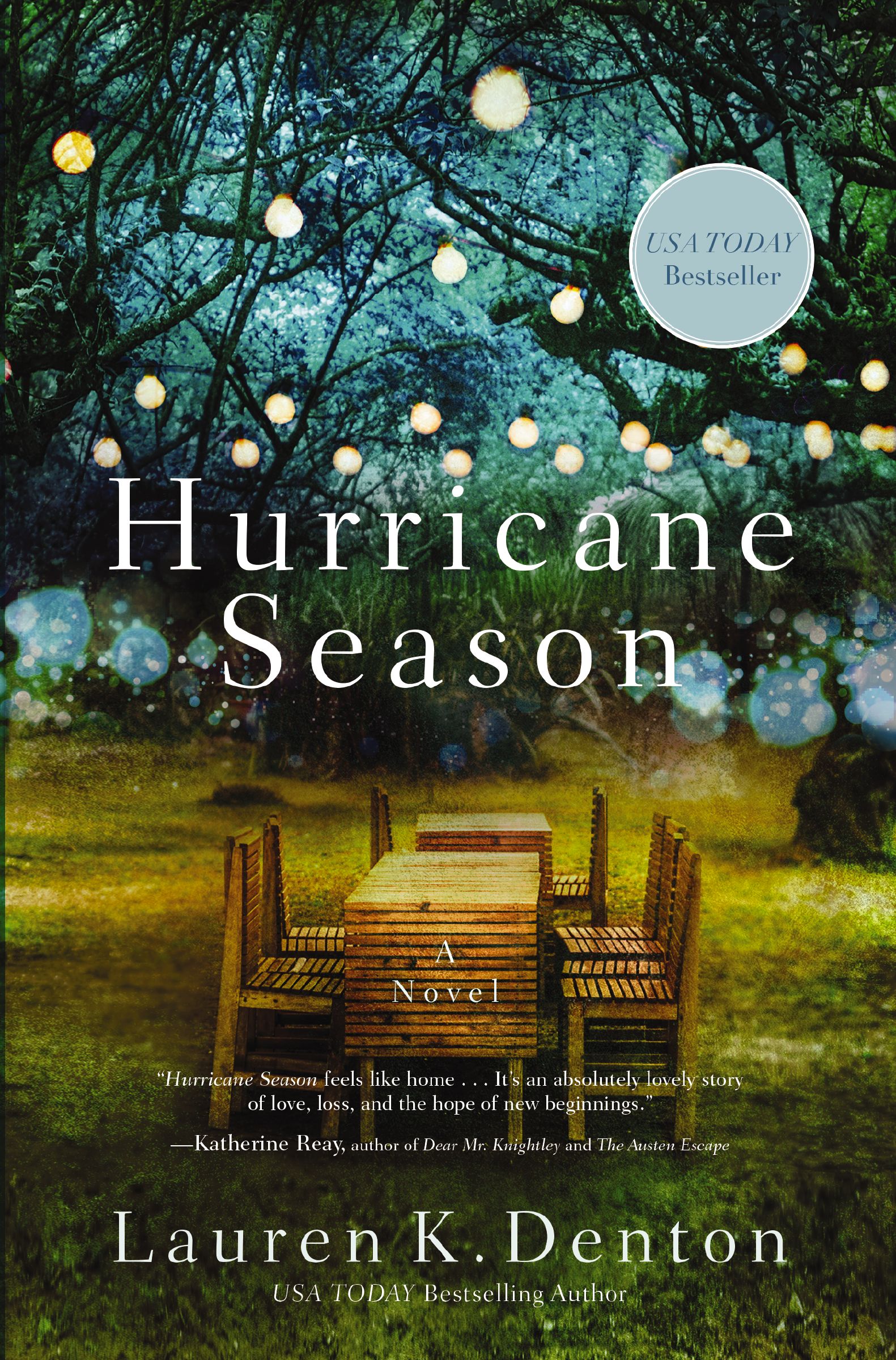
Hurricane Season

We Are Not Friends (You Are Not Small)

Settings
Reflow text when sidebars are open.
