
- Browse Category
Subjects
 We Begin at the EndLearn More
 - Choice Picks
- Top 100 Free Books
- Blog
- Recently Added
- Submit your eBook
- Browse Category
We Begin at the EndLearn More
- Choice Picks
- Top 100 Free Books
- Blog
- Recently Added
- Submit your eBook

Faith in Nation: Exclusionary Origins of Nationalism
2020-12-31 17:33:25
Common wisdom has long held that the ascent of the modern nation coincided with the flowering of Enlightenment democracy and the decline of religion, ringing in an age of tolerant, inclusive, liberal states. Not so, demonstrates Anthony W. Marx in th...
Read more
Common wisdom has long held that the ascent of the modern nation coincided with the flowering of Enlightenment democracy and the decline of religion, ringing in an age of tolerant, inclusive, liberal states.
Not so, demonstrates Anthony W. Marx in this landmark work of revisionist political history and analysis. In a startling departure from a historical consensus that has dominated views of nationalism for the past quarter century, Marx argues that European nationalism emerged two centuries earlier, in the early modern era, as a form of mass political engagement based on religious conflict, intolerance, and exclusion. Challenging the self-congratulatory geneaology of civic Western nationalism, Marx shows how state-builders attempted to create a sense of national solidarity to support their burgeoning authority. Key to this process was the transfer of power from local to central rulers; the most suitable vehicle for effecting this transfer was religion and fanatical passions.
Religious intolerance--specifically the exclusion of religious minorities from the nascent state--provided the glue that bonded the remaining populations together. Out of this often violent religious intolerance grew popular nationalist sentiment. Only after a core and exclusive nationality was formed in England and France, and less successfully in Spain, did these countries move into the "enlightened" 19th century, all the while continuing to export intolerance and exclusion to overseas colonies.
Providing an explicitly political theory of early nation-building, rather than an account emphasizing economic imperatives or literary imaginings, Marx reveals that liberal, secular Western political traditions were founded on the basis of illiberal, intolerant origins. His provocative account also suggests that present-day exclusive and violent nation-building, or efforts to form solidarity through cultural or religious antagonisms, are not fundamentally different from the West's own earlier experiences. Less
Not so, demonstrates Anthony W. Marx in this landmark work of revisionist political history and analysis. In a startling departure from a historical consensus that has dominated views of nationalism for the past quarter century, Marx argues that European nationalism emerged two centuries earlier, in the early modern era, as a form of mass political engagement based on religious conflict, intolerance, and exclusion. Challenging the self-congratulatory geneaology of civic Western nationalism, Marx shows how state-builders attempted to create a sense of national solidarity to support their burgeoning authority. Key to this process was the transfer of power from local to central rulers; the most suitable vehicle for effecting this transfer was religion and fanatical passions.
Religious intolerance--specifically the exclusion of religious minorities from the nascent state--provided the glue that bonded the remaining populations together. Out of this often violent religious intolerance grew popular nationalist sentiment. Only after a core and exclusive nationality was formed in England and France, and less successfully in Spain, did these countries move into the "enlightened" 19th century, all the while continuing to export intolerance and exclusion to overseas colonies.
Providing an explicitly political theory of early nation-building, rather than an account emphasizing economic imperatives or literary imaginings, Marx reveals that liberal, secular Western political traditions were founded on the basis of illiberal, intolerant origins. His provocative account also suggests that present-day exclusive and violent nation-building, or efforts to form solidarity through cultural or religious antagonisms, are not fundamentally different from the West's own earlier experiences. Less

Compare Prices
| Store | Availability | Book Format | Condition | Price |
|---|---|---|---|---|
| Indigo Books & Music | In Stock | Paperback | Paperback | Buy CAD 40.95 |
| BetterWorld.com - New, Used, Rare Books & Textbooks | In Stock | Buy USD 17.98 |
Available Discount
No Discount available
Related Books
View All
The Pout-Pout Fish

The Book Club

Can't Make This Stuff Up!: Finding the Upside to Life's Downs

Good Night, Little Blue Truck

The Silent Woman (Cat Carlisle, Book 1)

You Be You: Detox Your Life, Crush Your Limitations, and Own Your Awesome

Secrets Between Us: An absolutely gripping psychological thriller

Twinkle, Twinkle, Little Star (Indestructibles Series)

Life Will Be the Death of Me: ...And You Too!

Made for Me

Clean & Lean: 30 Days, 30 Foods, a New You!

American Moonshot: John F. Kennedy and the Great Space Race

There Was an Old Lady Who Swallowed a Chick!

Commander in Cheat: How Golf Explains Trump

Going to School

Trillion Dollar Coach: The Leadership Playbook of Silicon Valley's Bill Campbell

House of Shadows: An Enthralling Historical Mystery

The Secret Wife: A captivating story of romance, passion and mystery

Diary of an Awesome Friendly Kid: Rowley Jefferson's Journal
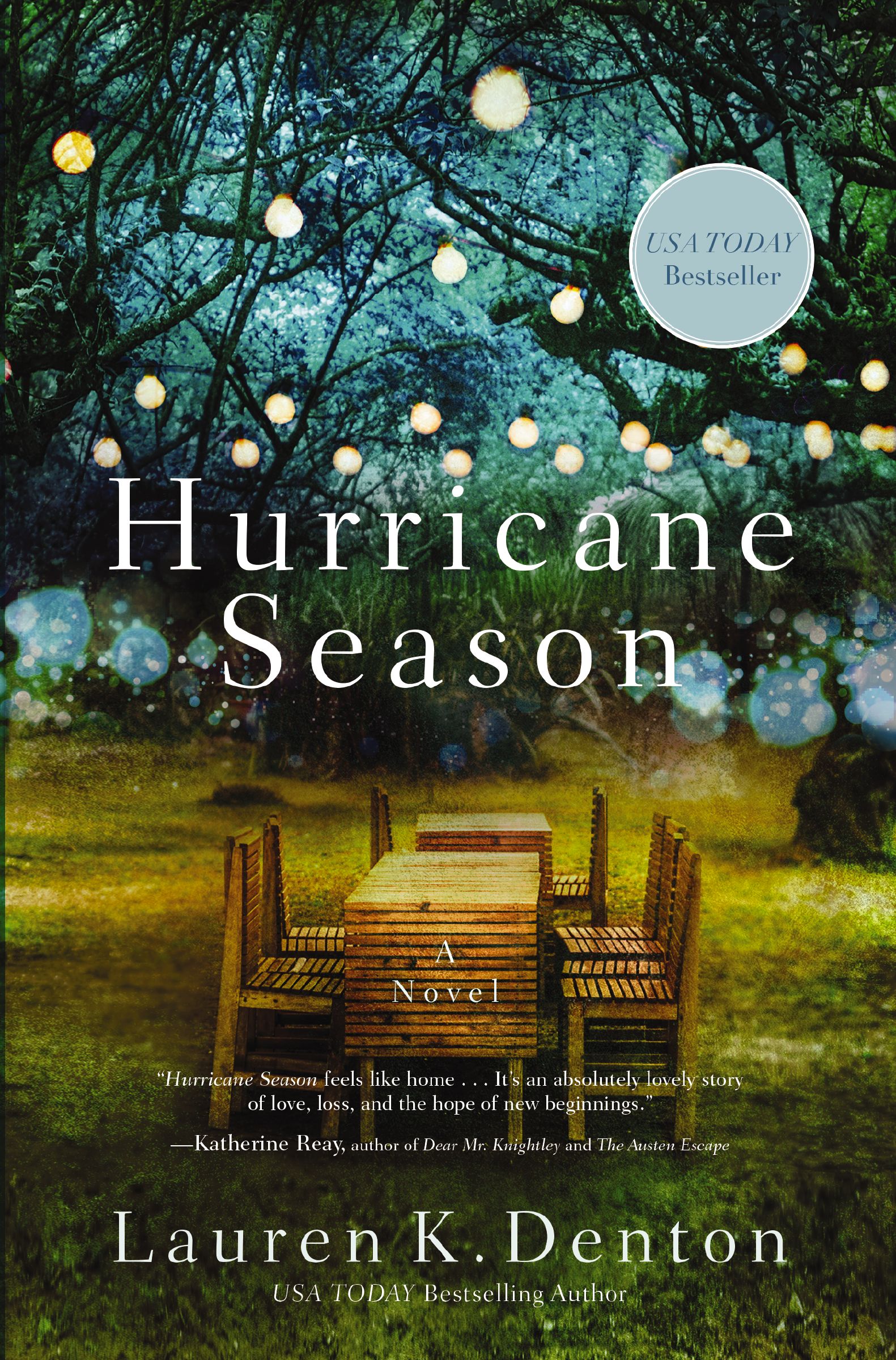
Hurricane Season

The Wonderful Things You Will Be

We Are Not Friends (You Are Not Small)

Falter: Has the Human Game Begun to Play Itself Out?

Row, Row, Row Your Boat (Indestructibles Series)

Feed Your Best Friend Better: Easy, Nutritious Meals and Treats for Dogs

Settings
Reflow text when sidebars are open.
