
- Browse Category
Subjects
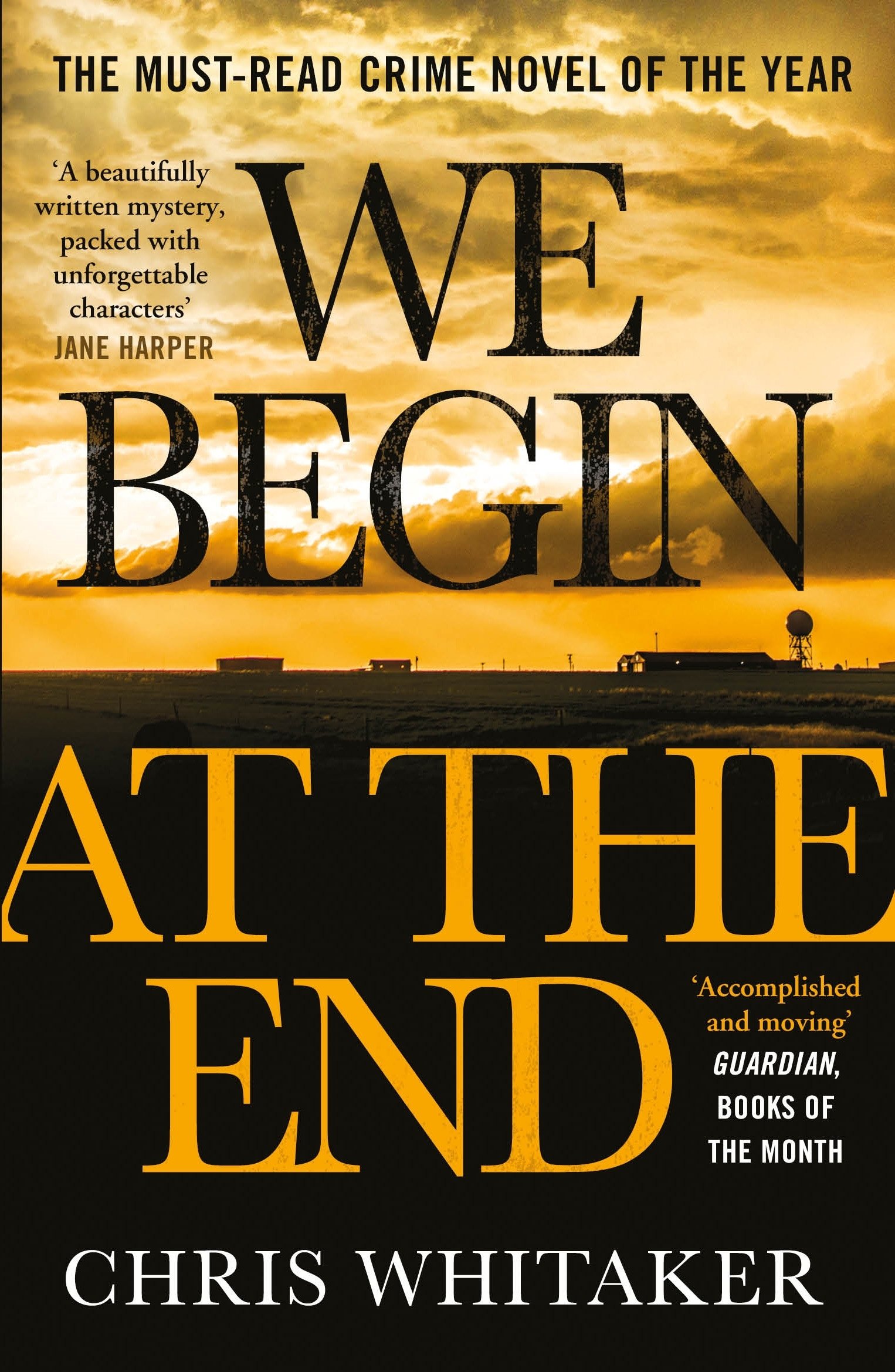 We Begin at the EndLearn More
 - Choice Picks
- Top 100 Free Books
- Blog
- Recently Added
- Submit your eBook
- Browse Category
We Begin at the EndLearn More
- Choice Picks
- Top 100 Free Books
- Blog
- Recently Added
- Submit your eBook
Farm to Factory: A Reinterpretation of the Soviet Industrial Revolution
2021-07-20 05:10:13
To say that history''s greatest economic experiment--Soviet communism--was also its greatest economic failure is to say what many consider obvious. Here, in a startling reinterpretation, Robert Allen argues that the USSR was one of the most successfu...
Read more
To say that history''s greatest economic experiment--Soviet communism--was also its greatest economic failure is to say what many consider obvious. Here, in a startling reinterpretation, Robert Allen argues that the USSR was one of the most successful developing economies of the twentieth century. He reaches this provocative conclusion by recalculating national consumption and using economic, demographic, and computer simulation models to address the "what if" questions central to Soviet history. Moreover, by comparing Soviet performance not only with advanced but with less developed countries, he provides a meaningful context for its evaluation.
Although the Russian economy began to develop in the late nineteenth century based on wheat exports, modern economic growth proved elusive. But growth was rapid from 1928 to the 1970s--due to successful Five Year Plans. Notwithstanding the horrors of Stalinism, the building of heavy industry accelerated growth during the 1930s and raised living standards, especially for the many peasants who moved to cities. A sudden drop in fertility due to the education of women and their employment outside the home also facilitated growth.
While highlighting the previously underemphasized achievements of Soviet planning, Farm to Factory also shows, through methodical analysis set in fluid prose, that Stalin''s worst excesses--such as the bloody collectivization of agriculture--did little to spur growth. Economic development stagnated after 1970, as vital resources were diverted to the military and as a Soviet leadership lacking in original thought pursued wasteful investments.
Less
Compare Prices
| Store | Availability | Book Format | Condition | Price |
|---|---|---|---|---|
| Indigo Books & Music | In Stock | Buy CAD 64.99 |
Available Discount
No Discount available
Related Books
View All
Trillion Dollar Coach: The Leadership Playbook of Silicon Valley's Bill Campbell

Life Will Be the Death of Me: ...And You Too!
Clean & Lean: 30 Days, 30 Foods, a New You!
Commander in Cheat: How Golf Explains Trump

The Secret Wife: A captivating story of romance, passion and mystery

Going to School
Diary of an Awesome Friendly Kid: Rowley Jefferson's Journal
Can't Make This Stuff Up!: Finding the Upside to Life's Downs
Hurricane Season
American Moonshot: John F. Kennedy and the Great Space Race

The Wonderful Things You Will Be

House of Shadows: An Enthralling Historical Mystery
The Pout-Pout Fish

We Are Not Friends (You Are Not Small)

Made for Me

Feed Your Best Friend Better: Easy, Nutritious Meals and Treats for Dogs

The Book Club

Twinkle, Twinkle, Little Star (Indestructibles Series)

There Was an Old Lady Who Swallowed a Chick!

Row, Row, Row Your Boat (Indestructibles Series)

Secrets Between Us: An absolutely gripping psychological thriller

The Silent Woman (Cat Carlisle, Book 1)
Falter: Has the Human Game Begun to Play Itself Out?

You Be You: Detox Your Life, Crush Your Limitations, and Own Your Awesome

Good Night, Little Blue Truck

Settings
Reflow text when sidebars are open.
