
- Browse Category
Subjects
 We Begin at the EndLearn More
 - Choice Picks
- Top 100 Free Books
- Blog
- Recently Added
- Submit your eBook
- Browse Category
We Begin at the EndLearn More
- Choice Picks
- Top 100 Free Books
- Blog
- Recently Added
- Submit your eBook

Fate And Transport Of Cyanobacteria And Associated Toxins And Taste-and-odor Compounds From Upstream Reservoir Releases In The Kan
2021-01-11 10:41:29
Cyanobacteria cause a multitude of water-quality concerns, including the potential to produce toxins and taste-and-odor compounds. Toxins and taste-and-odor compounds may cause substantial economic and public health concerns and are of particular int...
Read more
Cyanobacteria cause a multitude of water-quality concerns, including the potential to produce toxins and taste-and-odor compounds. Toxins and taste-and-odor compounds may cause substantial economic and public health concerns and are of particular interest in lakes, reservoirs, and rivers that are used for drinking-water supply, recreation, or aquaculture. The Kansas River is a primary source of drinking water for about 800,000 people in northeastern Kansas. Water released from Milford Lake to the Kansas River during a toxic cyanobacterial bloom in late August 2011 prompted concerns about cyanobacteria and associated toxins and taste-and-odor compounds in downstream drinking-water supplies. During September and October 2011 water-quality samples were collected to characterize the transport of cyanobacteria and associated compounds from upstream reservoirs to the Kansas River. This study is one of the first to quantitatively document the transport of cyanobacteria and associated compounds during reservoir releases and improves understanding of the fate and transport of cyanotoxins and taste-and-odor compounds downstream from reservoirs. Milford Lake was the only reservoir in the study area with an ongoing cyanobacterial bloom during reservoir releases. Concentrations of cyanobacteria and associated toxins and taste-and-odor compounds in Milford Lake (upstream from the dam) were not necessarily indicative of outflow conditions (below the dam). Total microcystin concentrations, one of the most commonly occurring cyanobacterial toxins, in Milford Lake were 650 to 7,500 times higher than the Kansas Department of Health and Environment guidance level for a public health warning (20 micrograms per liter) for most of September 2011. By comparison, total microcystin concentrations in the Milford Lake outflow generally were less than 10 percent of the concentrations in surface accumulations, and never exceeded 20 micrograms per liter.
Less

Compare Prices
| Store | Availability | Book Format | Condition | Price |
|---|---|---|---|---|
| Indigo Books & Music | In Stock | Buy CAD 20.81 |
Available Discount
No Discount available
Related Books
View All
American Moonshot: John F. Kennedy and the Great Space Race

Feed Your Best Friend Better: Easy, Nutritious Meals and Treats for Dogs

Can't Make This Stuff Up!: Finding the Upside to Life's Downs
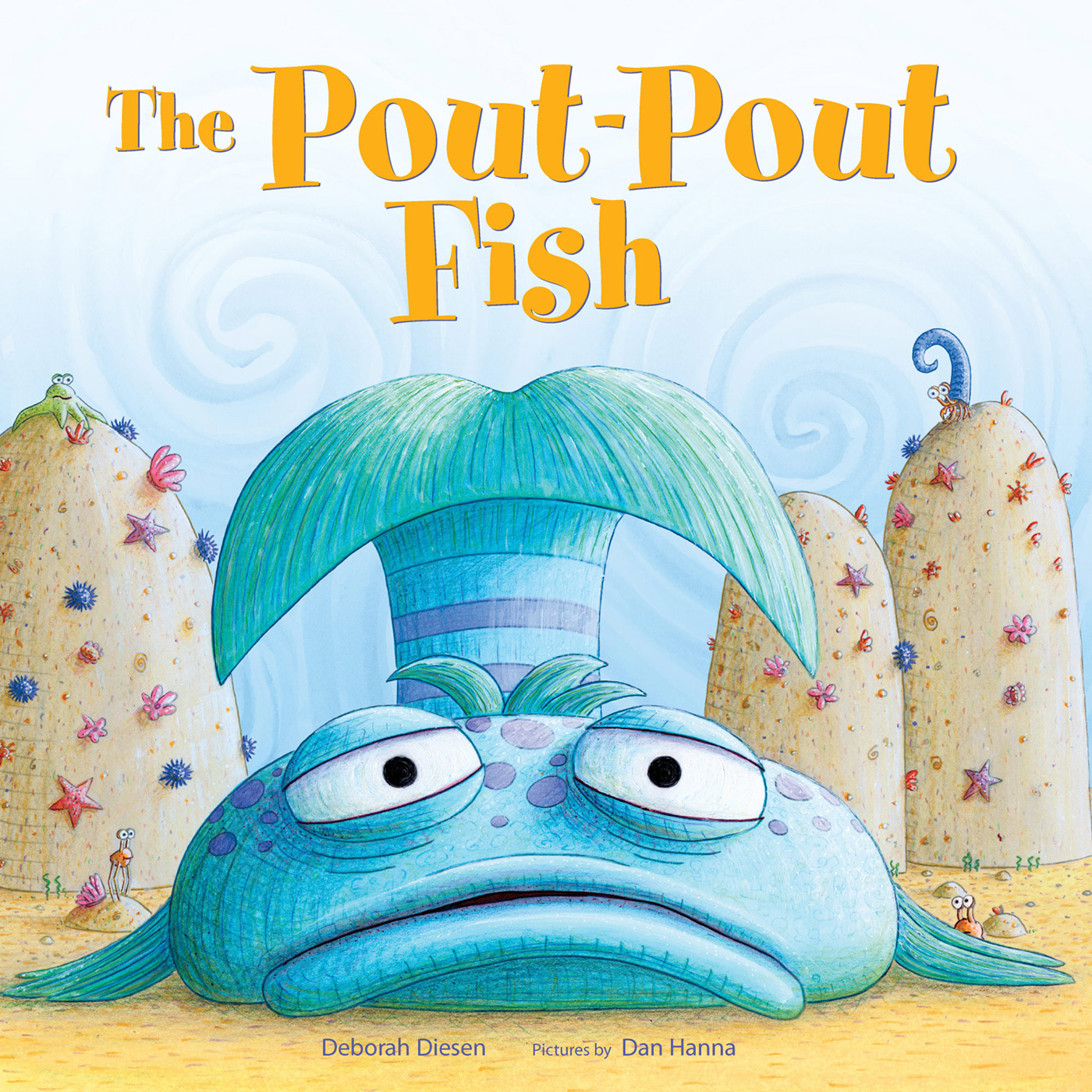
The Pout-Pout Fish

Made for Me

The Silent Woman (Cat Carlisle, Book 1)

Commander in Cheat: How Golf Explains Trump

Secrets Between Us: An absolutely gripping psychological thriller

The Book Club

Falter: Has the Human Game Begun to Play Itself Out?

Trillion Dollar Coach: The Leadership Playbook of Silicon Valley's Bill Campbell

House of Shadows: An Enthralling Historical Mystery

Life Will Be the Death of Me: ...And You Too!

The Wonderful Things You Will Be

You Be You: Detox Your Life, Crush Your Limitations, and Own Your Awesome

Good Night, Little Blue Truck

Clean & Lean: 30 Days, 30 Foods, a New You!

We Are Not Friends (You Are Not Small)

Twinkle, Twinkle, Little Star (Indestructibles Series)

Diary of an Awesome Friendly Kid: Rowley Jefferson's Journal

Row, Row, Row Your Boat (Indestructibles Series)

There Was an Old Lady Who Swallowed a Chick!

Going to School

The Secret Wife: A captivating story of romance, passion and mystery

Hurricane Season

Settings
Reflow text when sidebars are open.
