
- Browse Category
Subjects
 We Begin at the EndLearn More
 - Choice Picks
- Top 100 Free Books
- Blog
- Recently Added
- Submit your eBook
- Browse Category
We Begin at the EndLearn More
- Choice Picks
- Top 100 Free Books
- Blog
- Recently Added
- Submit your eBook
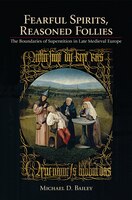
Fearful Spirits, Reasoned Follies: The Boundaries of Superstition in Late Medieval Europe
2021-01-05 14:09:24
Superstitions are commonplace in the modern world. Mostly, however, they evoke innocuous images of people reading their horoscopes or avoiding black cats. Certain religious practices might also come to mind?praying to St. Christopher or lighting cand...
Read more
Superstitions are commonplace in the modern world. Mostly, however, they evoke innocuous images of people reading their horoscopes or avoiding black cats. Certain religious practices might also come to mind?praying to St. Christopher or lighting candles for the dead. Benign as they might seem today, such practices were not always perceived that way. In medieval Europe superstitions were considered serious offenses, violations of essential precepts of Christian doctrine or immutable natural laws. But how and why did this come to be? In Fearful Spirits, Reasoned Follies, Michael D. Bailey explores the thorny concept of superstition as it was understood and debated in the Middle Ages.Bailey begins by tracing Christian thinking about superstition from the patristic period through the early and high Middle Ages. He then turns to the later Middle Ages, a period that witnessed an outpouring of writings devoted to superstition?tracts and treatises with titles such as De superstitionibus and Contra vitia superstitionum. Most were written by theologians and other academics based in Europe''s universities and courts, men who were increasingly anxious about the proliferation of suspect beliefs and practices, from elite ritual magic to common healing charms, from astrological divination to the observance of signs and omens. As Bailey shows, however, authorities were far more sophisticated in their reasoning than one might suspect, using accusations of superstition in a calculated way to control the boundaries of legitimate religion and acceptable science. This in turn would lay the conceptual groundwork for future discussions of religion, science, and magic in the early modern world. Indeed, by revealing the extent to which early modern thinkers took up old questions about the operation of natural properties and forces using the vocabulary of science rather than of belief, Bailey exposes the powerful but in many ways false dichotomy between the "superstitious" Middle Ages and "rational" European modernity.
Less
Compare Prices
| Store | Availability | Book Format | Condition | Price |
|---|---|---|---|---|
| Indigo Books & Music | In Stock | Buy CAD 73.40 | ||
| Indigo Books & Music | In Stock | Paperback | Paperback | Buy CAD 40.95 |
Available Discount
No Discount available
Related Books
View All
Twinkle, Twinkle, Little Star (Indestructibles Series)
Secrets Between Us: An absolutely gripping psychological thriller
Can't Make This Stuff Up!: Finding the Upside to Life's Downs

House of Shadows: An Enthralling Historical Mystery

Commander in Cheat: How Golf Explains Trump

There Was an Old Lady Who Swallowed a Chick!

You Be You: Detox Your Life, Crush Your Limitations, and Own Your Awesome

The Secret Wife: A captivating story of romance, passion and mystery

Life Will Be the Death of Me: ...And You Too!

The Silent Woman (Cat Carlisle, Book 1)
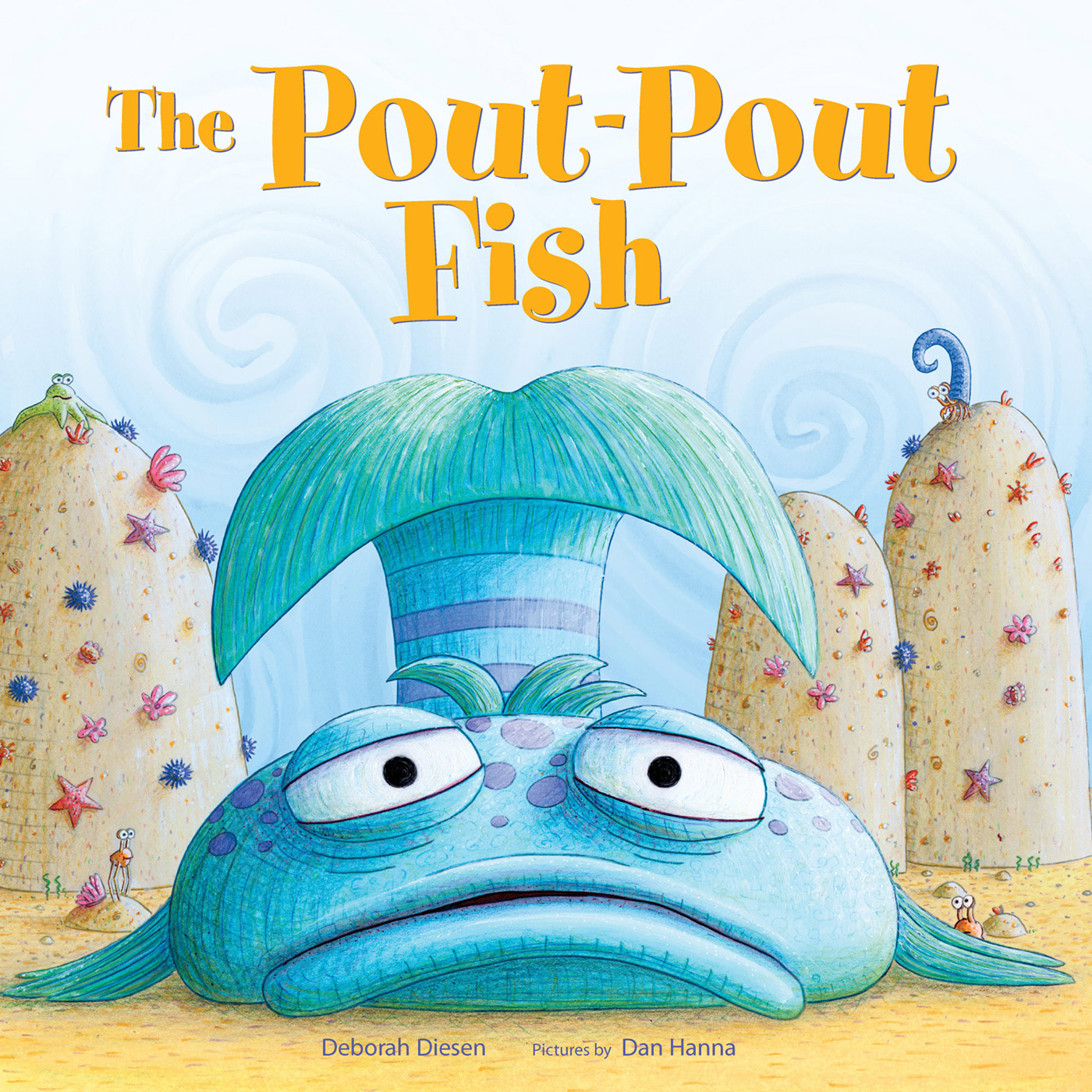
The Pout-Pout Fish
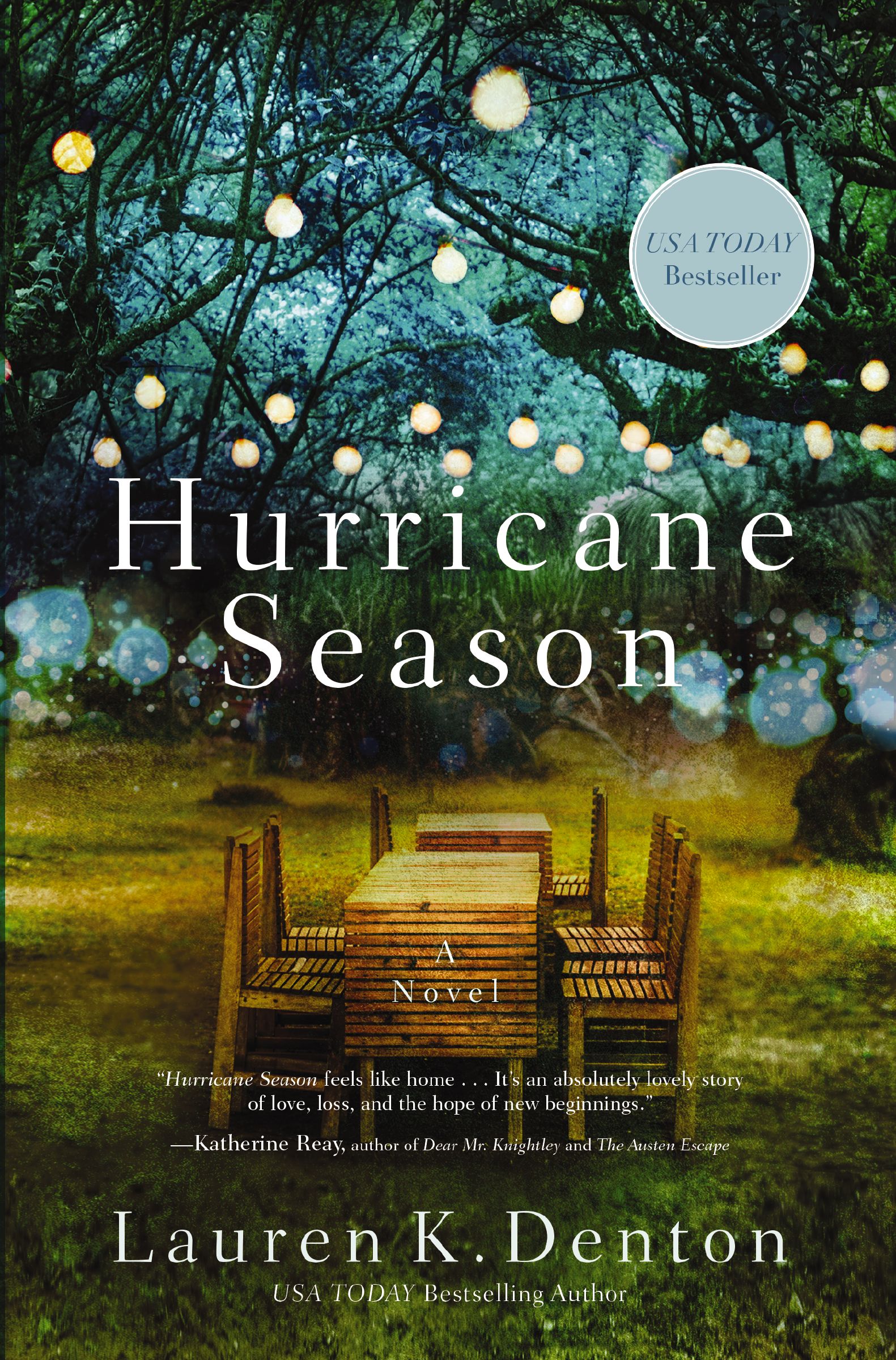
Hurricane Season

Good Night, Little Blue Truck
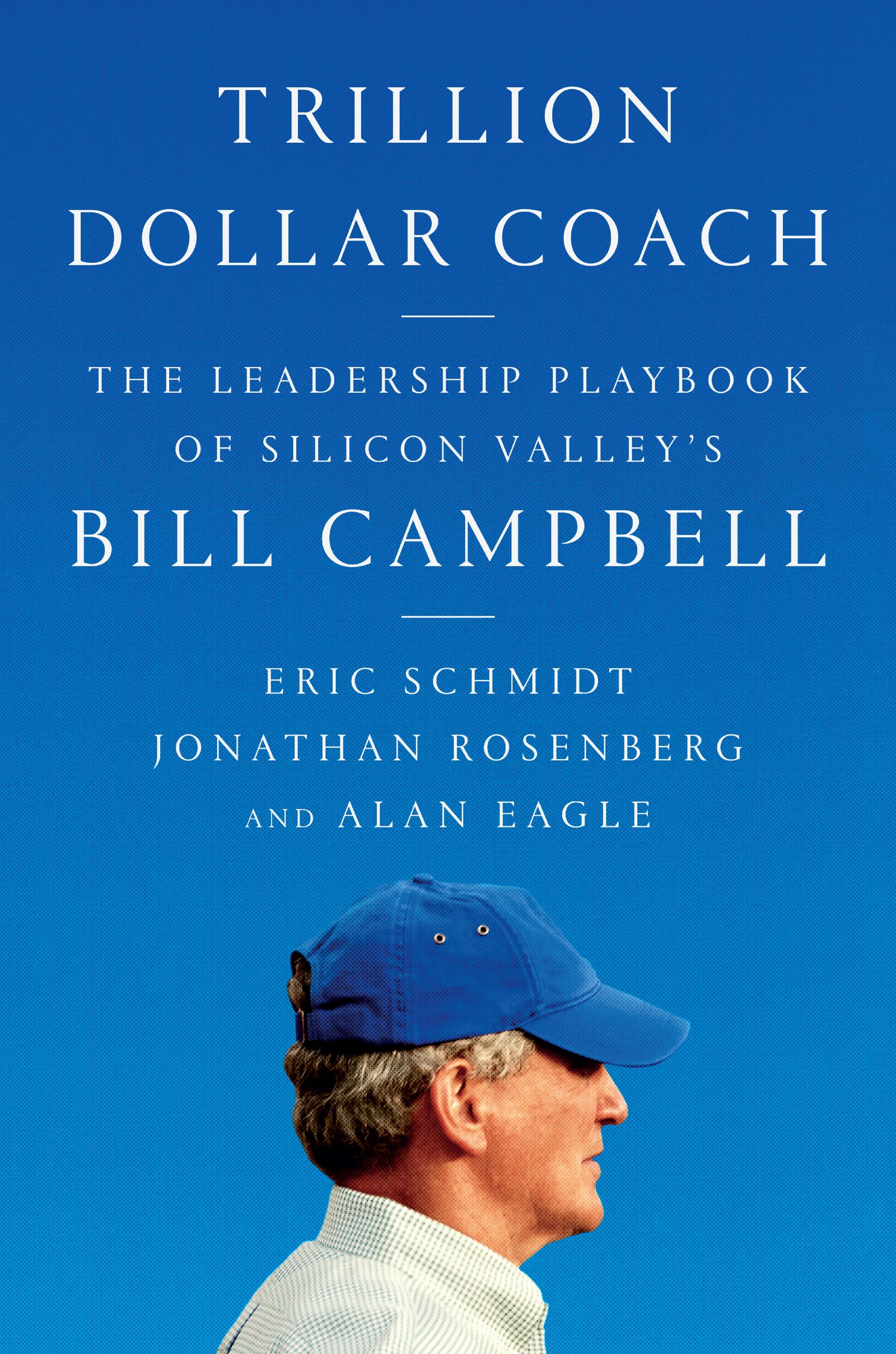
Trillion Dollar Coach: The Leadership Playbook of Silicon Valley's Bill Campbell

Feed Your Best Friend Better: Easy, Nutritious Meals and Treats for Dogs

The Book Club
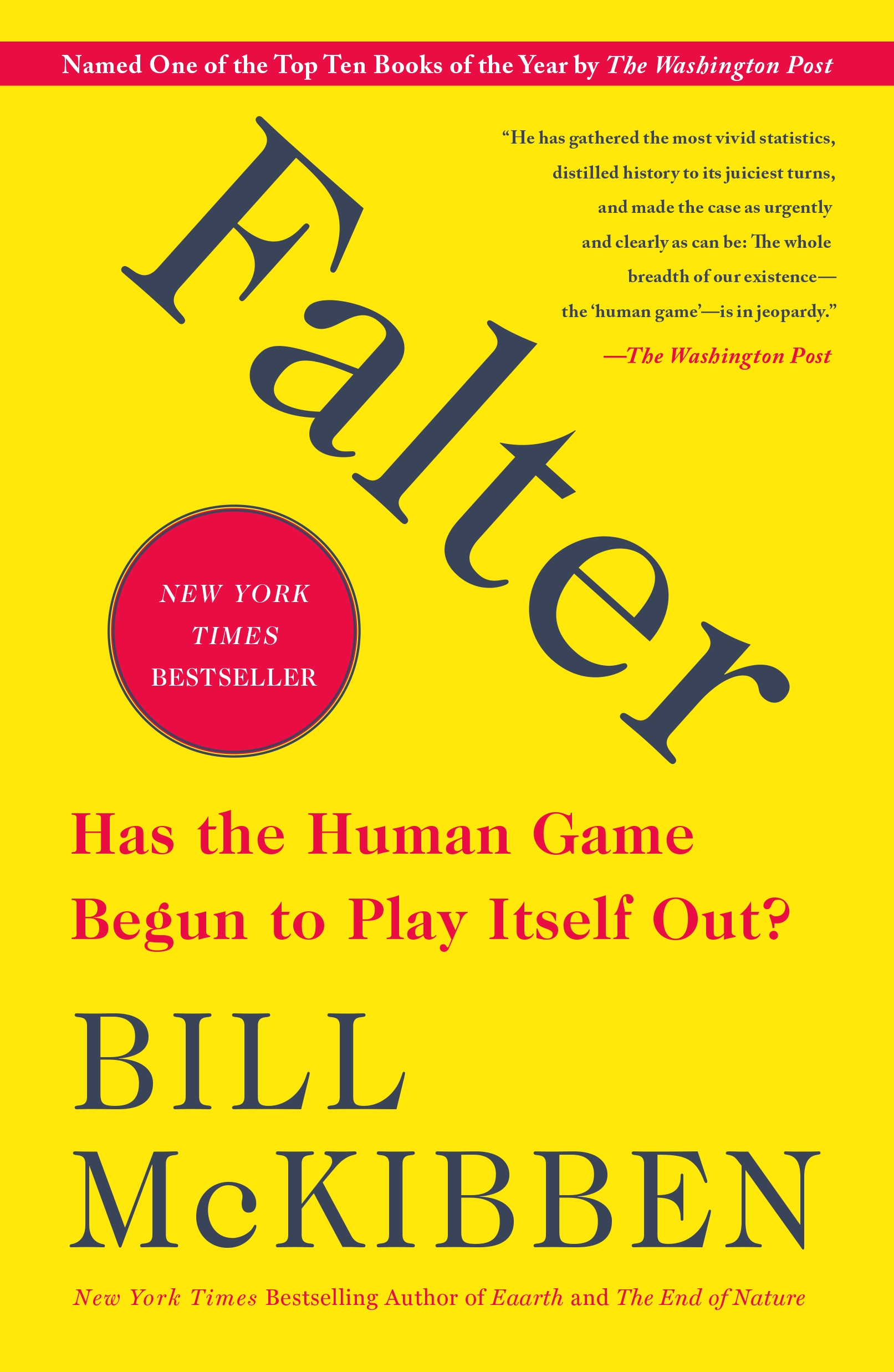
Falter: Has the Human Game Begun to Play Itself Out?

We Are Not Friends (You Are Not Small)

Going to School

American Moonshot: John F. Kennedy and the Great Space Race
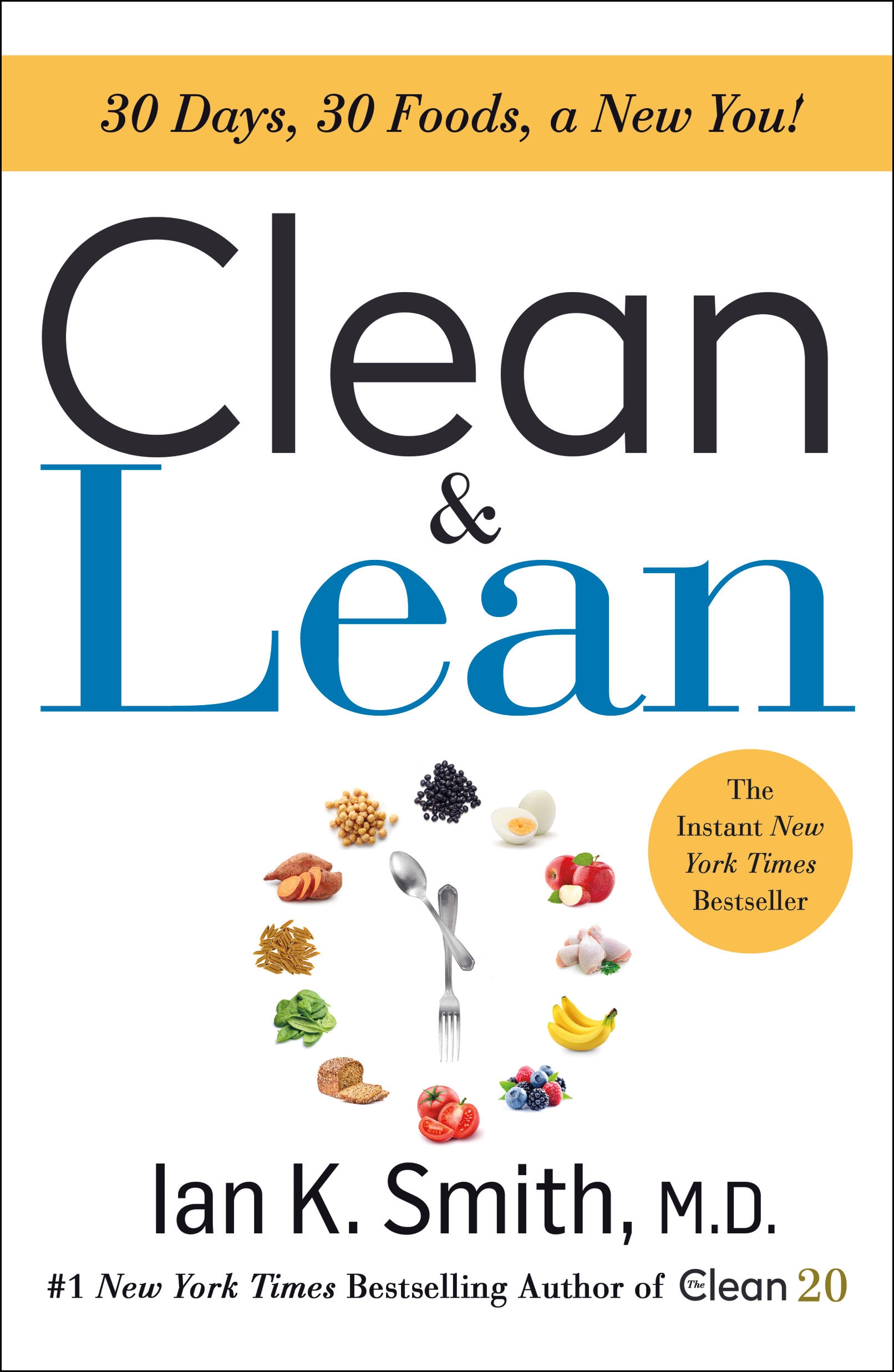
Clean & Lean: 30 Days, 30 Foods, a New You!
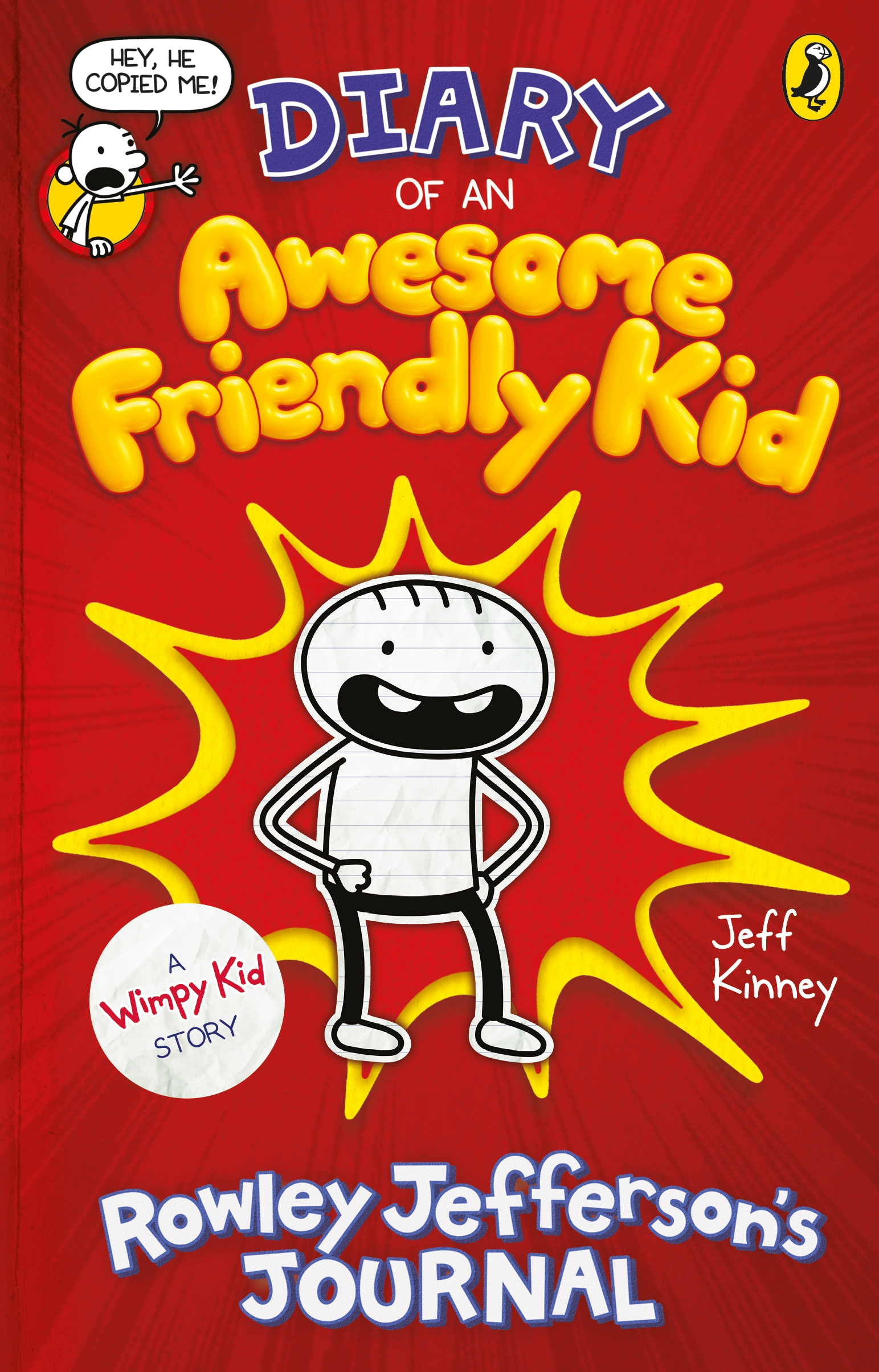
Diary of an Awesome Friendly Kid: Rowley Jefferson's Journal

Made for Me
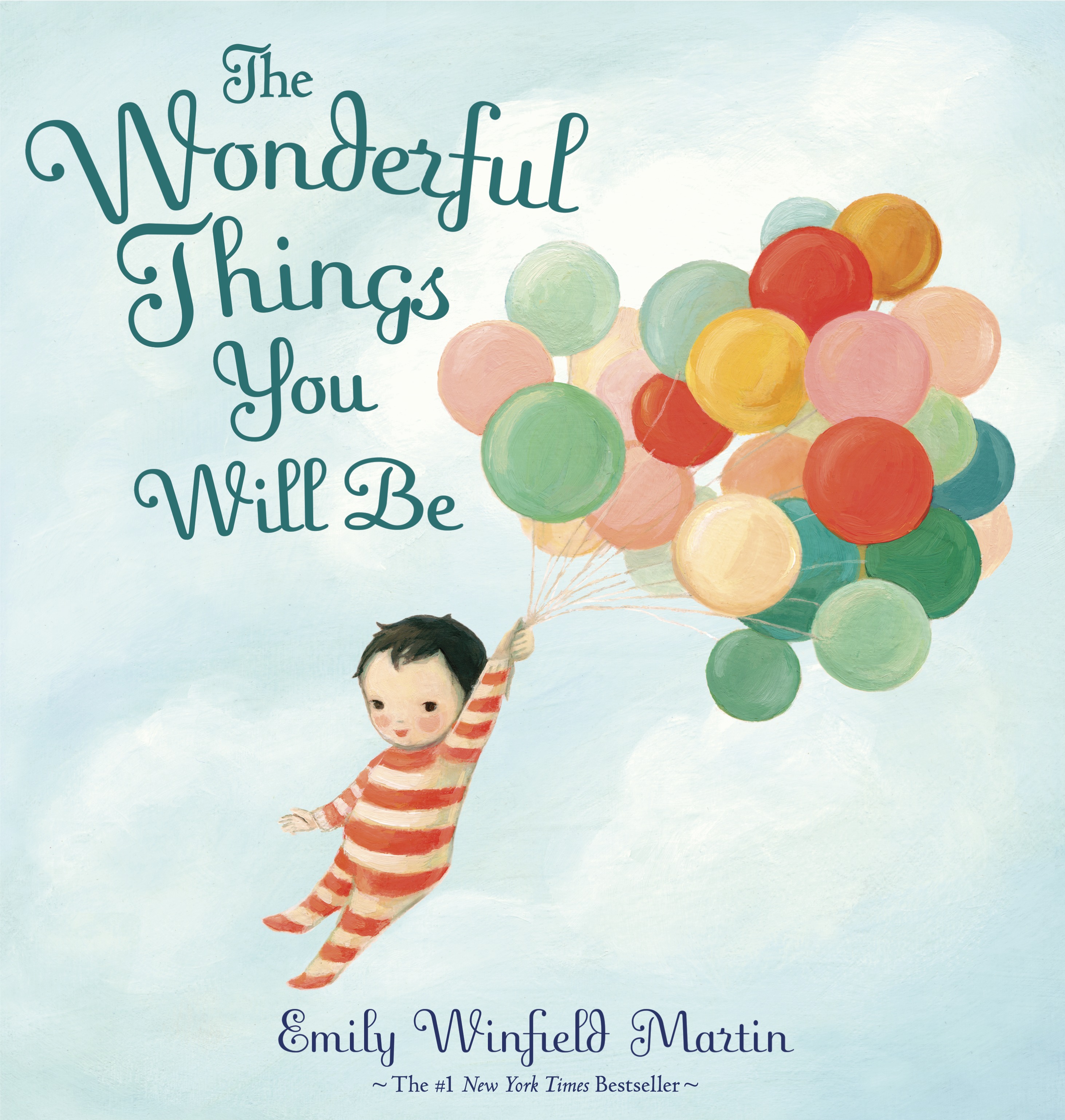
The Wonderful Things You Will Be

Row, Row, Row Your Boat (Indestructibles Series)

Settings
Reflow text when sidebars are open.
