
- Browse Category
Subjects
 We Begin at the EndLearn More
 - Choice Picks
- Top 100 Free Books
- Blog
- Recently Added
- Submit your eBook
- Browse Category
We Begin at the EndLearn More
- Choice Picks
- Top 100 Free Books
- Blog
- Recently Added
- Submit your eBook
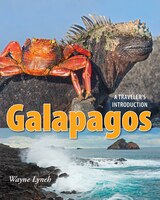
Galapagos: A Traveler's Introduction
2020-12-31 19:53:16
In 1979, the Galapagos Islands was one of the earliest World Heritage Sites to be selected by UNESCO (United Nations Educational, Scientific and Cultural Organization), a designation intended to protect and preserve sites of cultural and natural he...
Read more
In 1979, the Galapagos Islands was one of the earliest World Heritage Sites to be selected by UNESCO (United Nations Educational, Scientific and Cultural Organization), a designation intended to protect and preserve sites of cultural and natural heritage around the world. Today, there are over a thousand World Heritage Sites and the Galapagos Islands are one of the most widely valued.
The biology of the Galapagos Islands has arguably been studied more than any other archipelago in the world. Charles Darwin visited the Galapagos Islands for five weeks in 1835 and then spent the next several decades at his home in England conducting experiments on a multitude of non-Galapagos species to confirm his theory of natural selection. His observations and collections contributed to the inception of Darwin's theory of evolution by natural selection, one of the most important ideas in all of science.
The islands are located in the eastern Pacific Ocean, 605 miles (973 km) off the west coast of South America and consist of 13 main islands and 6 smaller islands. Only some are open to visitors.
In this richly illustrated tour of the Galapagos, world renowned photographer and naturalist Wayne Lynch captures the unique wildlife living here, including the Galapagos tortoise, the marine iguana, the flightless cormorant, the blue-footed boobie and the magnificent frigatebird.
Less
Compare Prices
| Store | Availability | Book Format | Condition | Price |
|---|---|---|---|---|
| BetterWorld.com - New, Used, Rare Books & Textbooks | In Stock | Buy USD 5.08 | ||
| Indigo Books & Music | In Stock | Buy CAD 14.69 |
Available Discount
No Discount available
Related Books
View All
American Moonshot: John F. Kennedy and the Great Space Race
The Pout-Pout Fish
The Wonderful Things You Will Be

Made for Me
Can't Make This Stuff Up!: Finding the Upside to Life's Downs
Secrets Between Us: An absolutely gripping psychological thriller

Twinkle, Twinkle, Little Star (Indestructibles Series)
Diary of an Awesome Friendly Kid: Rowley Jefferson's Journal
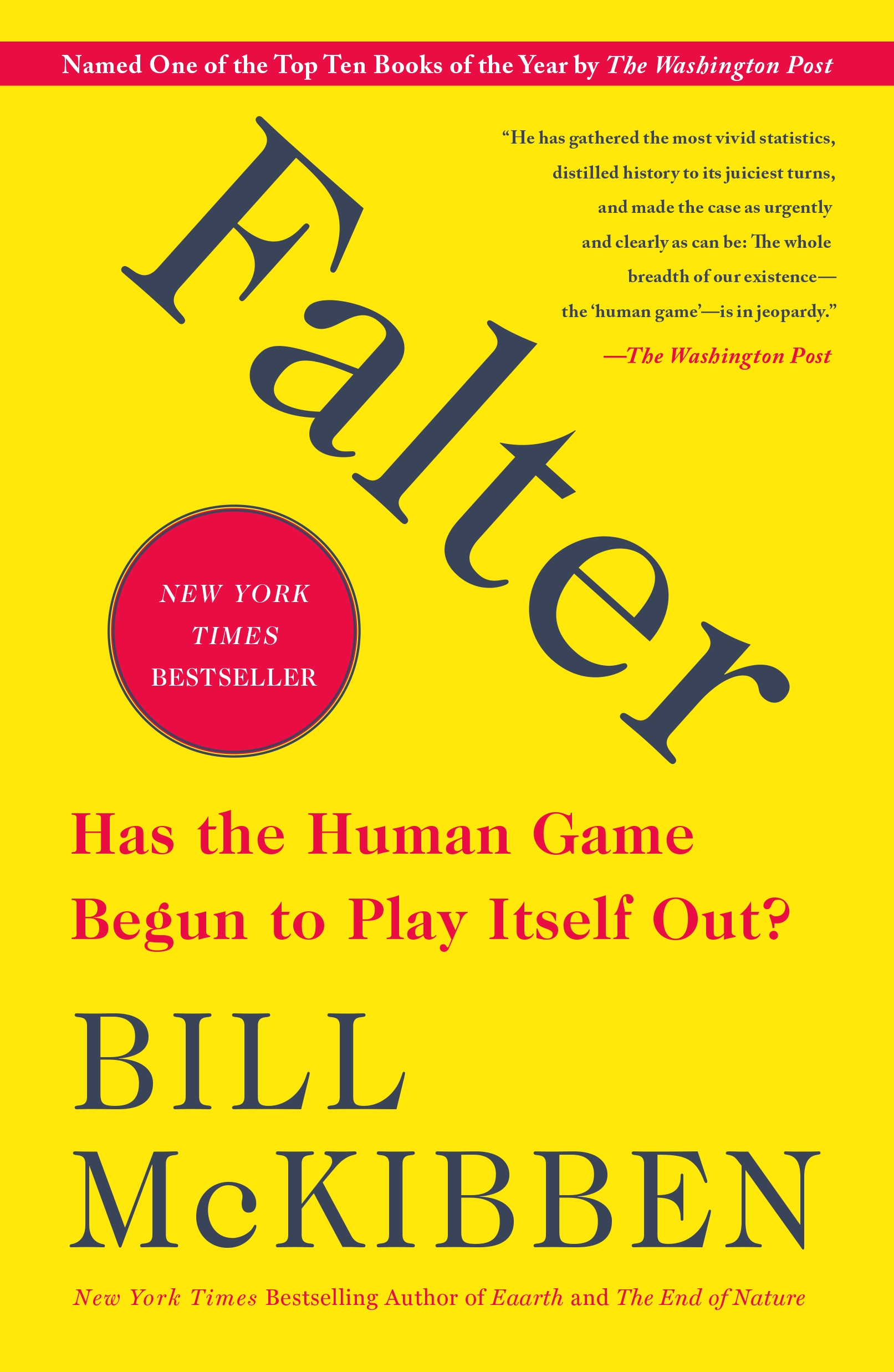
Falter: Has the Human Game Begun to Play Itself Out?

Life Will Be the Death of Me: ...And You Too!

The Book Club

You Be You: Detox Your Life, Crush Your Limitations, and Own Your Awesome

Commander in Cheat: How Golf Explains Trump

There Was an Old Lady Who Swallowed a Chick!

Going to School

We Are Not Friends (You Are Not Small)
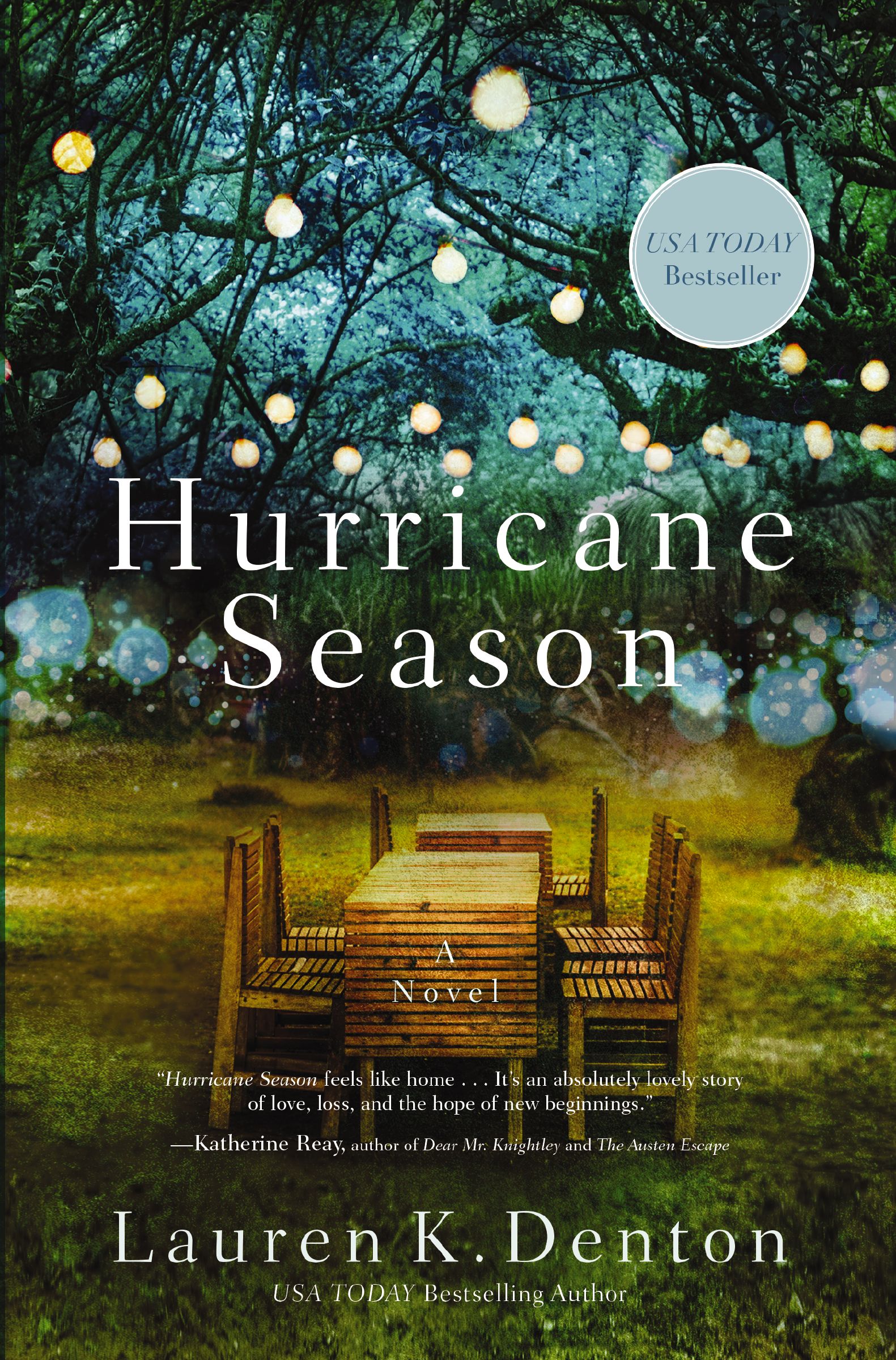
Hurricane Season

Good Night, Little Blue Truck
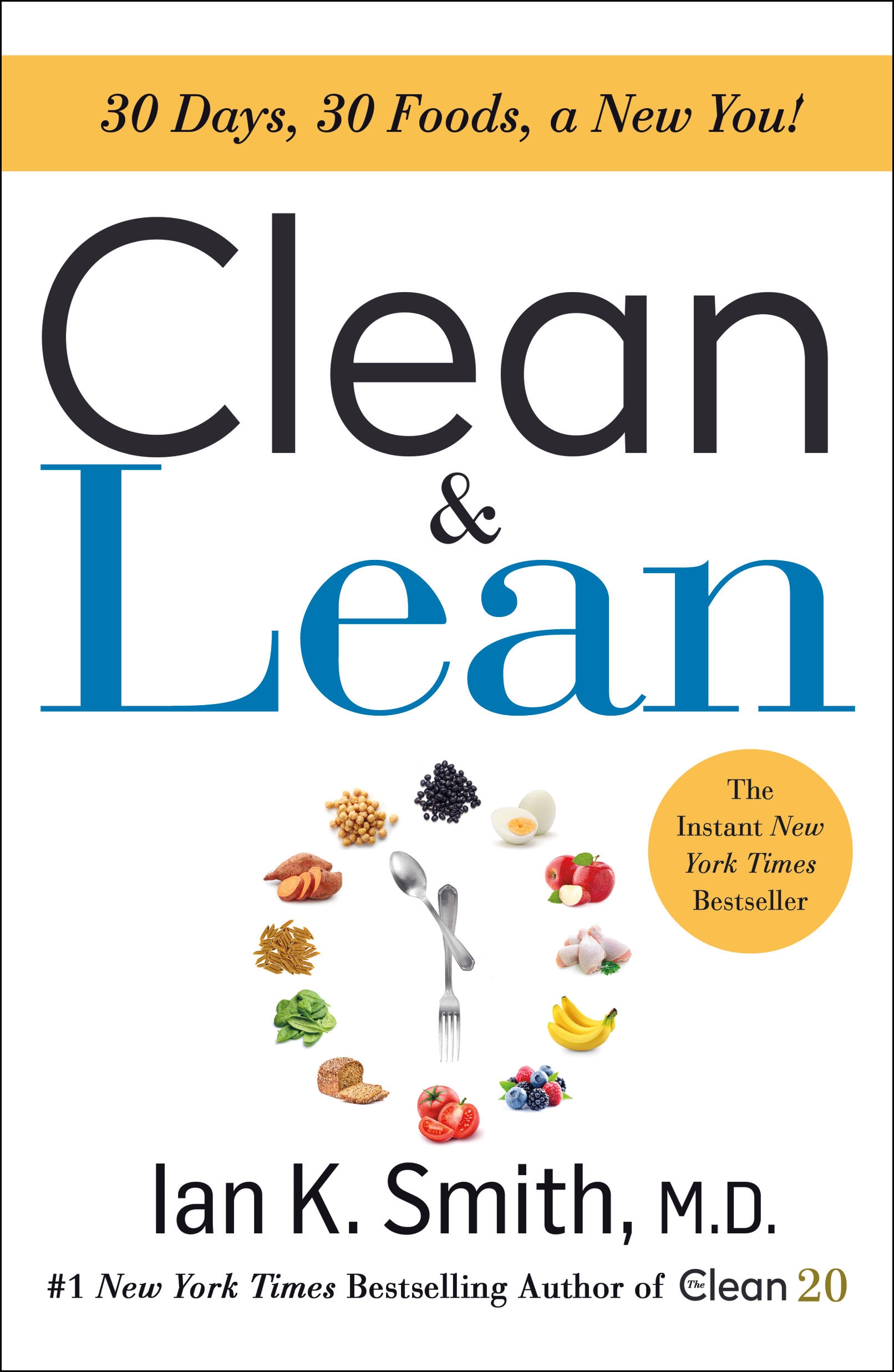
Clean & Lean: 30 Days, 30 Foods, a New You!

The Secret Wife: A captivating story of romance, passion and mystery

Feed Your Best Friend Better: Easy, Nutritious Meals and Treats for Dogs

House of Shadows: An Enthralling Historical Mystery

The Silent Woman (Cat Carlisle, Book 1)
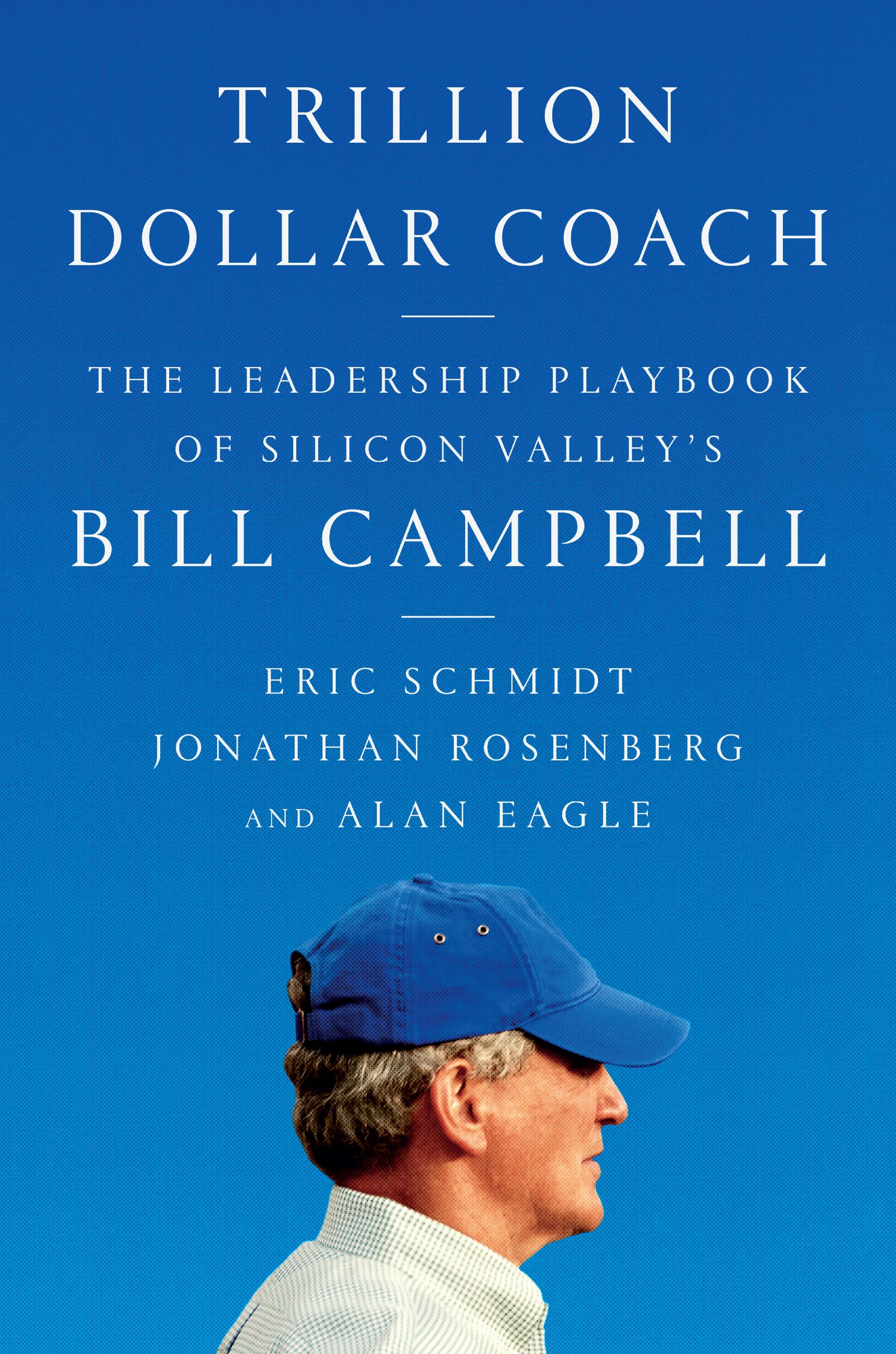
Trillion Dollar Coach: The Leadership Playbook of Silicon Valley's Bill Campbell

Row, Row, Row Your Boat (Indestructibles Series)

Settings
Reflow text when sidebars are open.
