
- Browse Category
Subjects
 We Begin at the EndLearn More
 - Choice Picks
- Top 100 Free Books
- Blog
- Recently Added
- Submit your eBook
- Browse Category
We Begin at the EndLearn More
- Choice Picks
- Top 100 Free Books
- Blog
- Recently Added
- Submit your eBook
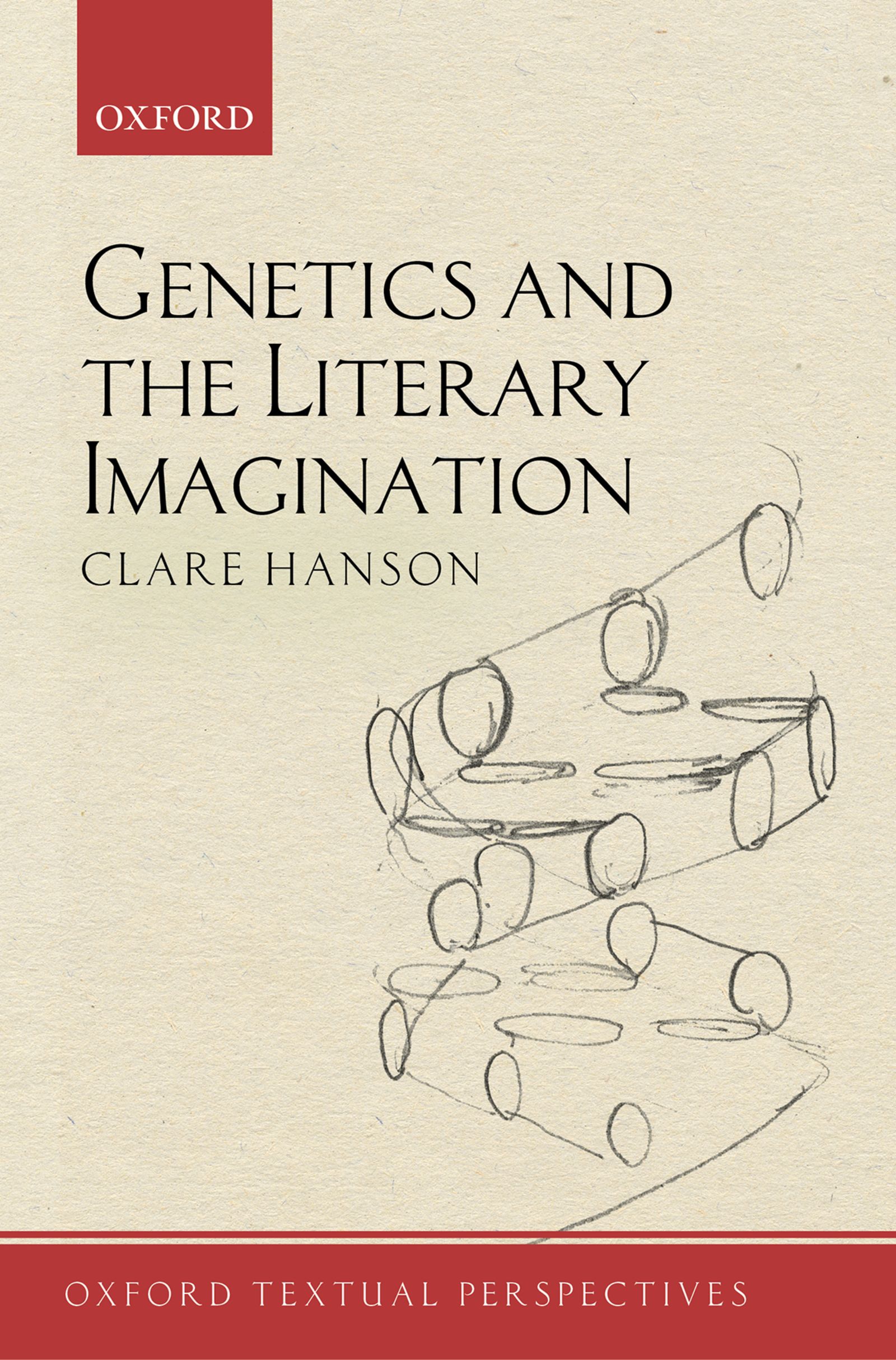
Genetics and the Literary Imagination
2020-07-09 06:33:42
Oxford Textual Perspectives is a series of informative and provocative studies focused upon literary texts (conceived of in the broadest sense of that term) and the technologies, cultures, and communities that produce, inform, and receive them. It pr...
Read more
Oxford Textual Perspectives is a series of informative and provocative studies focused upon literary texts (conceived of in the broadest sense of that term) and the technologies, cultures, and communities that produce, inform, and receive them. It provides fresh interpretations of fundamentalworks and of the vital and challenging issues emerging in English literary studies. By engaging with the materiality of the literary text, its production, and reception history, and frequently testing and exploring the boundaries of the notion of text itself, the volumes in the series questionfamiliar frameworks and provide innovative interpretations of both canonical and less well-known works.This is the first book to explore the dramatic impact of genetics on literary fiction over the past four decades. After James Watson and Francis Crick''s discovery of the structure of DNA in 1953 and the subsequent cracking of the genetic code, a gene-centric discourse developed which had a majorimpact not only on biological science but on wider culture. As figures like E. O. Wilson and Richard Dawkins popularised the neo-Darwinian view that behaviour was driven by genetic self-interest, novelists were both compelled and unnerved by such a vision of the origins and ends of life. This bookmaps the ways in which Doris Lessing, A.S. Byatt, Ian McEwan, and Kazuo Ishiguro wrestled with the reductionist neo-Darwinian account of human nature and with the challenge it posed to humanist beliefs about identity, agency, and morality. It argues that these novelists were profoundly alienated byneo-Darwinian arguments but that the recent shift to postgenomic science has enabled a greater rapprochement between biological and (post)humanist concepts of human nature. The postgenomic view of organisms as agentic and interactive is echoed in the life-writing of Margaret Drabble and Jackie Kay,which also explores the ethical implications of this holistic biological perspective. As advances in postgenomics, especially epigenetics, provoke increasing public interest and concern, this book offers a timely analysis of debates that have fundamentally altered our understanding of what it meansto be human.
Less

Compare Prices
| Store | Availability | Book Format | Condition | Price |
|---|---|---|---|---|
| eBooks.com | In Stock | Buy AUD 28.11 | ||
| Indigo Books & Music | In Stock | Buy CAD 27.50 |
Available Discount
No Discount available
Related Books
View All
Les Précieuses ridicules

The Ghost-Seer, Or, the Apparitionist, and Sport of Destiny
.jpg)
Aventuroj De Antonio (Esperanto Edition)

Septimus

Kings in Exile

Contes de Noël

Ritchie's Fabulae Faciles A First Latin Reader

Varney the Vampire or the Feast of Blood

Dawn

Sister Carrie

The Upas Tree: A Christmas Story for All the Year

The Arrow of Gold: A Story Between Two Notes

Her Father's Daughter

Germany the Next Republic?

Satan Sanderson

On the Trail of the Space Pirates

The house of sleep

The Ghost Ship A Mystery of the Sea

Weapons of Mystery

Mary Marie

The Hawk of Egypt

The Melting of Molly

Helen of the Old House
.jpg)
The Lost Tribes of the Irish in the South

A Short View of the Fravds, and Abvses Committed by Apothecaries, as Well in Relation to Patients, as Physicians, and of the Only Remedy Thereof by ... Medicines by Christopher Merret ... (16

Settings
Reflow text when sidebars are open.
