
- Browse Category
Subjects
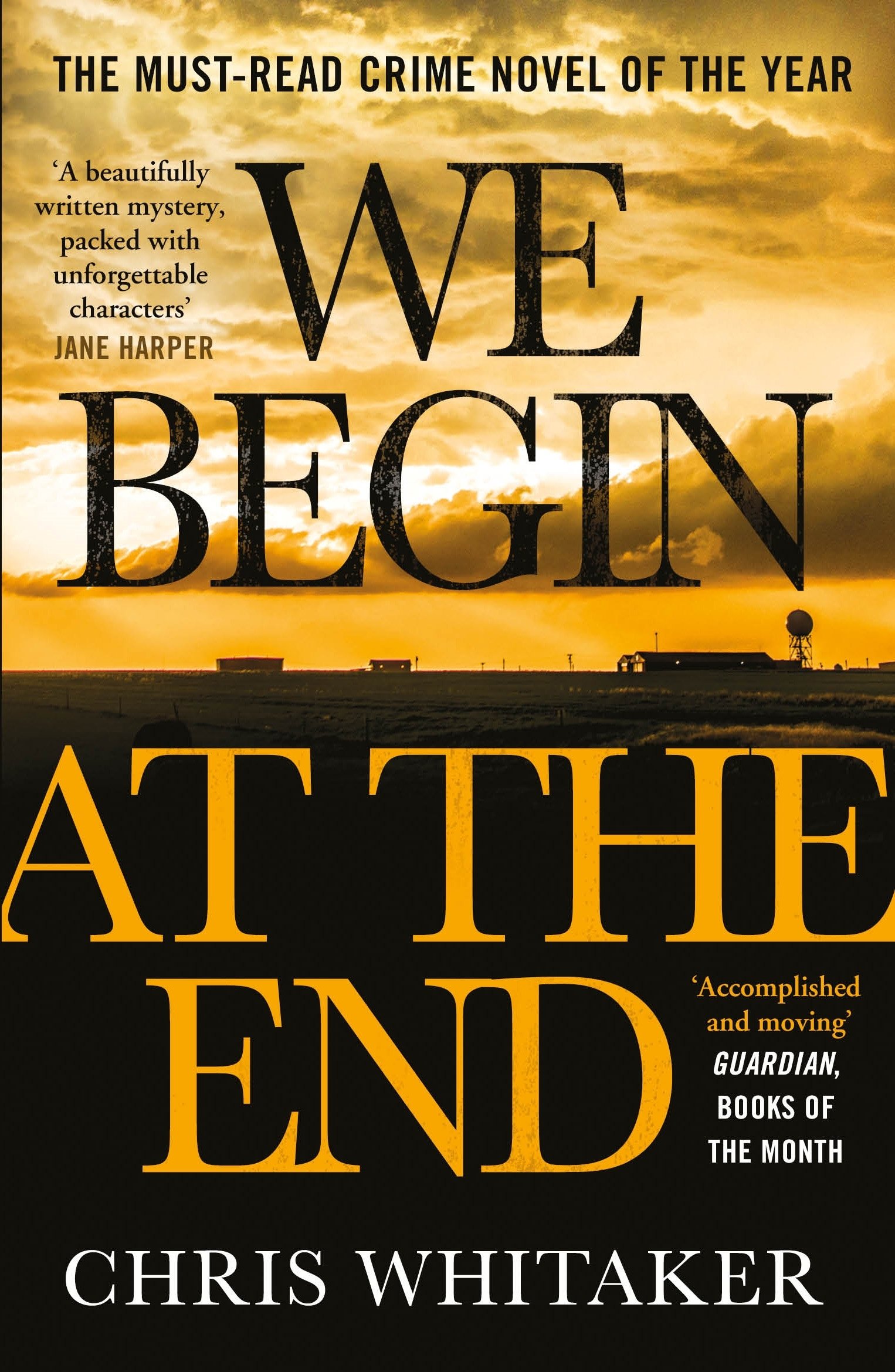 We Begin at the EndLearn More
 - Choice Picks
- Top 100 Free Books
- Blog
- Recently Added
- Submit your eBook
- Browse Category
We Begin at the EndLearn More
- Choice Picks
- Top 100 Free Books
- Blog
- Recently Added
- Submit your eBook

Guerrillas and Generals: The Dirty War in Argentina
2020-12-31 23:15:07
In this comprehensive, balanced examination of Argentina's Dirty War, Lewis analyzes the causes, describes the ideologies that motivated both sides, and explores the consequences of all-or-nothing politics. The military and guerrillas may seem margin...
Read more
In this comprehensive, balanced examination of Argentina's Dirty War, Lewis analyzes the causes, describes the ideologies that motivated both sides, and explores the consequences of all-or-nothing politics. The military and guerrillas may seem marginal today, but Lewis questions whether the Dirty War is really over.
Lewis traces the Dirty War's origins back to military interventions in the 1930s and 1940s, and the rise of General Juan Peron's populist regime, which resulted in the polarization of Argentine society. Peron's overthrow by the military in 1955 only heightened social conflict by producing a resistance movement out of which several guerrilla organizations would soon emerge. The ideologies, terrorist tactics, and internal dynamics of those underground groups are examined in detail, as well as their links to other movements in Argentina and abroad. The guerrillas reached the height of their influence when the military withdrew from power in 1973 and turned over the government to Peron's puppet president, Hector Campora. They quickly found themselves in opposition again after Peron returned from exile, and as Peronism dissolved into factions after Peron's death, the military prepared to take power again, inspired by a new National Security Doctrine. The origins of this ideology in U.S. Cold War doctrine and in French revolutionary war doctrine are fully explored because the Argentine military's Dirty War strategy and tactics grew directly out of these ideas. The arrests, the treatment of prisoners, and the mindset of the interrogators are treated in detail. Special attention is given to the anti-guerrilla war in Tucuman's jungles, the strange history of David Graiver (the guerrillas' banker) and the Timerman case. In the concluding section of the book, Lewis describes the intrigues that undermined the military regime, its retreat from power, and the human rights trials that were held under the new democratic government. Those trials eventually were stopped by military revolts. Presidential pardons followed and have left Argentina divided once more. This is an important survey for scholars and students of Latin American politics, contemporary history, and civil-military relations.
Less
Compare Prices
| Store | Availability | Book Format | Condition | Price |
|---|---|---|---|---|
| Indigo Books & Music | In Stock | Buy CAD 47.09 | ||
| BetterWorld.com - New, Used, Rare Books & Textbooks | In Stock | Buy USD 18.94 | ||
| Indigo Books & Music | In Stock | Hard Cover | Hard Cover | Buy CAD 114.00 |
Available Discount
No Discount available
Related Books
View All
The Silent Woman (Cat Carlisle, Book 1)

Row, Row, Row Your Boat (Indestructibles Series)

The Wonderful Things You Will Be

The Secret Wife: A captivating story of romance, passion and mystery

Trillion Dollar Coach: The Leadership Playbook of Silicon Valley's Bill Campbell

Clean & Lean: 30 Days, 30 Foods, a New You!

Commander in Cheat: How Golf Explains Trump

You Be You: Detox Your Life, Crush Your Limitations, and Own Your Awesome

Twinkle, Twinkle, Little Star (Indestructibles Series)

Going to School
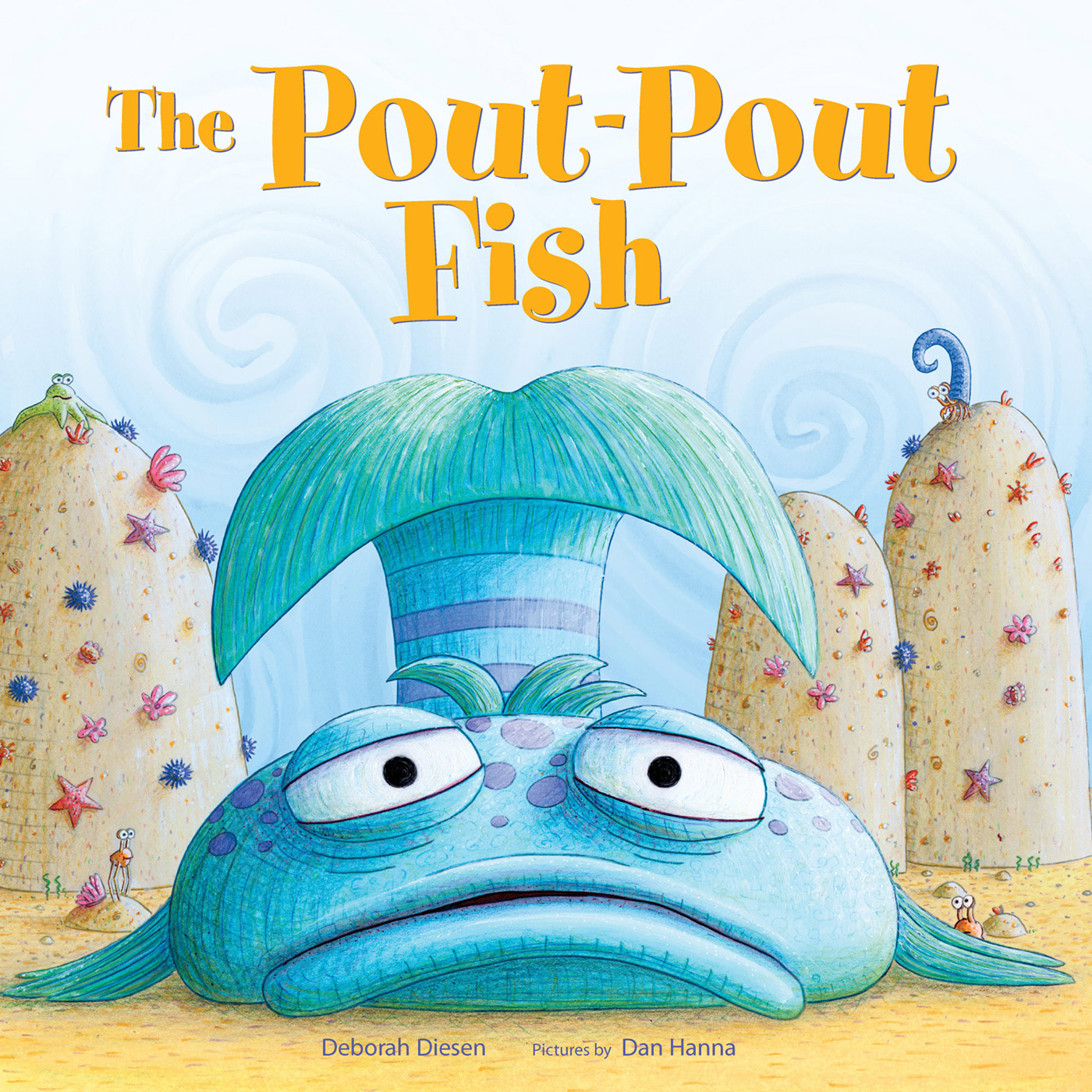
The Pout-Pout Fish
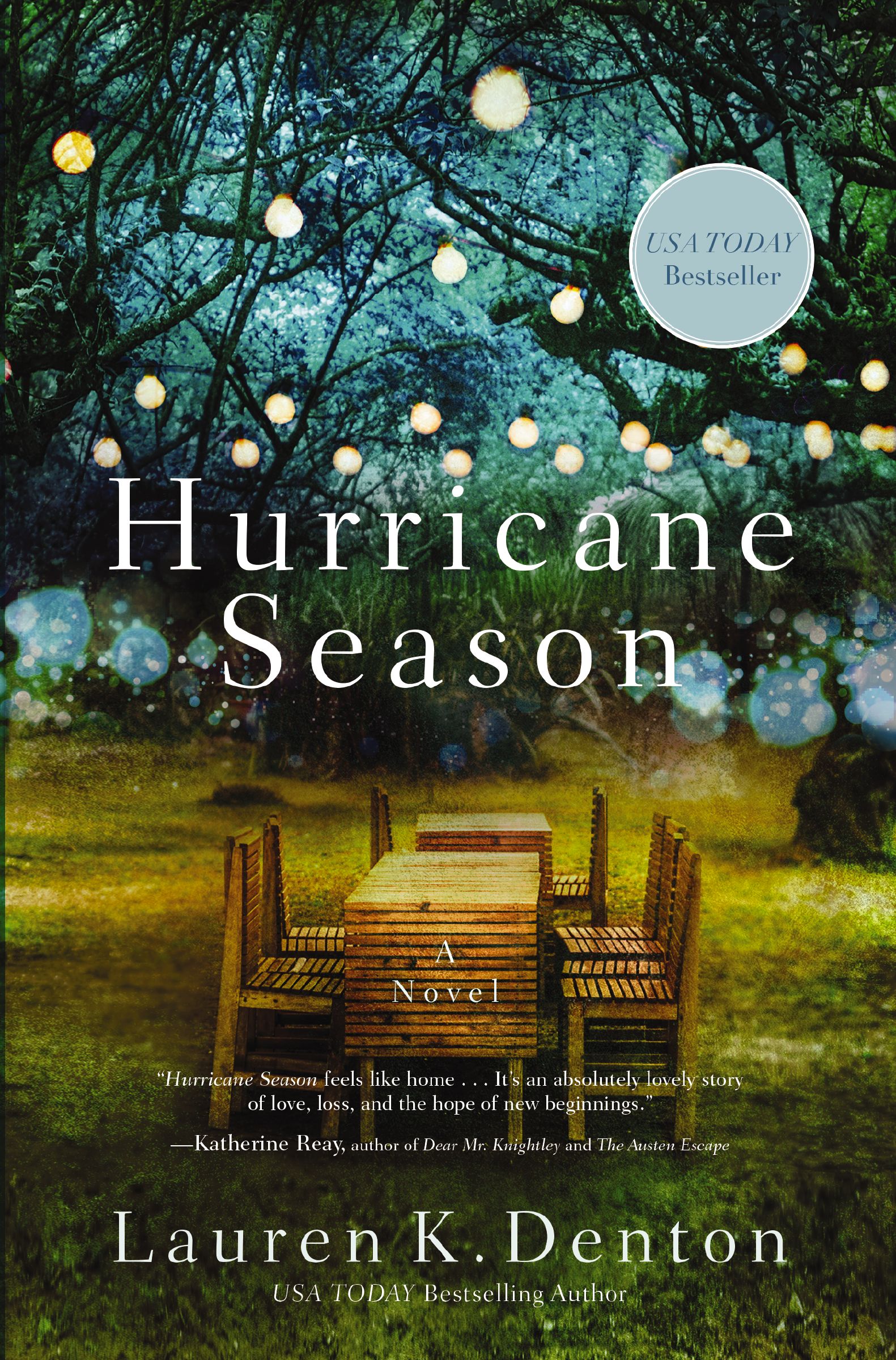
Hurricane Season

House of Shadows: An Enthralling Historical Mystery

Can't Make This Stuff Up!: Finding the Upside to Life's Downs

There Was an Old Lady Who Swallowed a Chick!

Feed Your Best Friend Better: Easy, Nutritious Meals and Treats for Dogs

The Book Club

Life Will Be the Death of Me: ...And You Too!
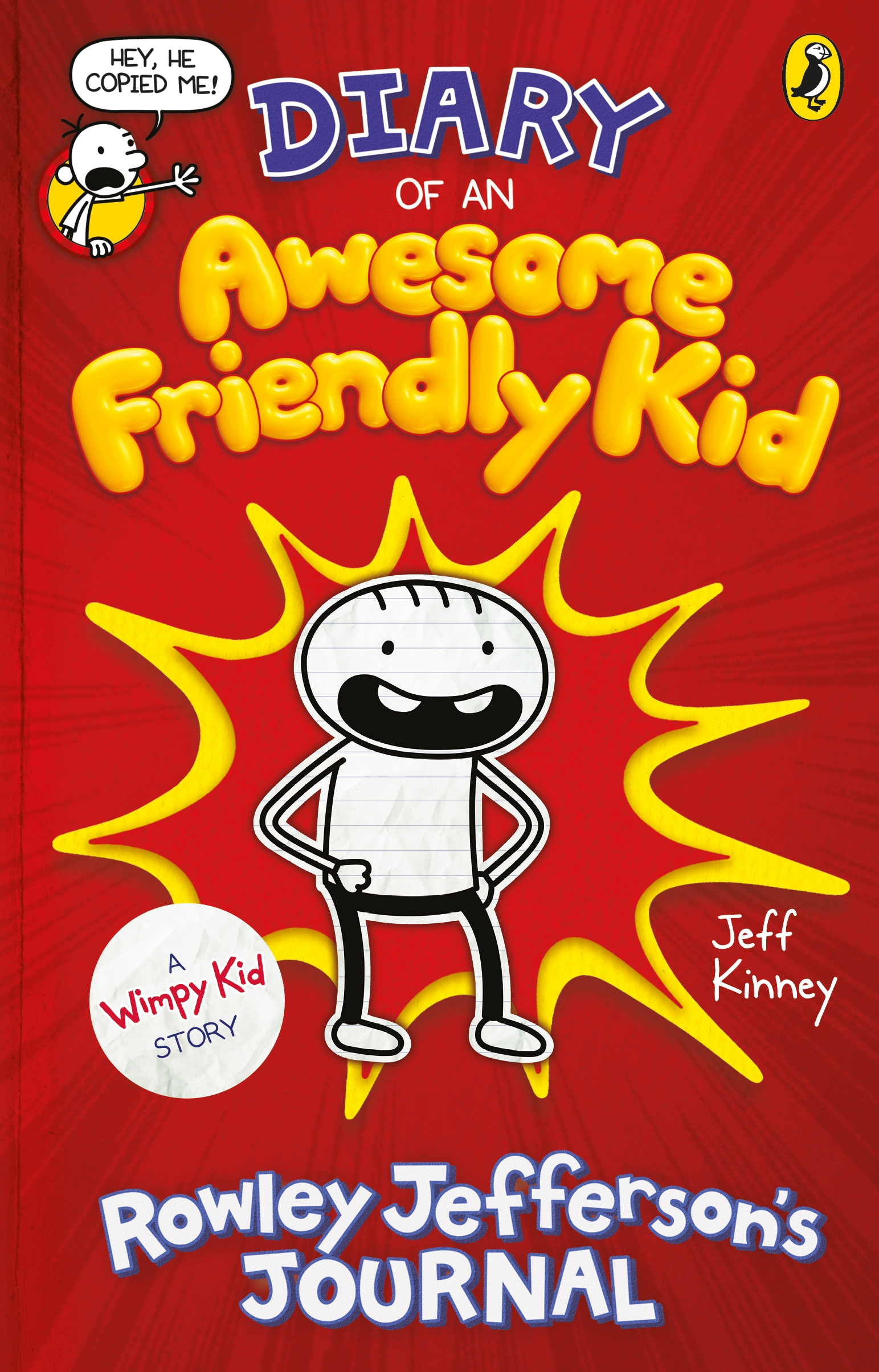
Diary of an Awesome Friendly Kid: Rowley Jefferson's Journal

Made for Me

Secrets Between Us: An absolutely gripping psychological thriller

American Moonshot: John F. Kennedy and the Great Space Race
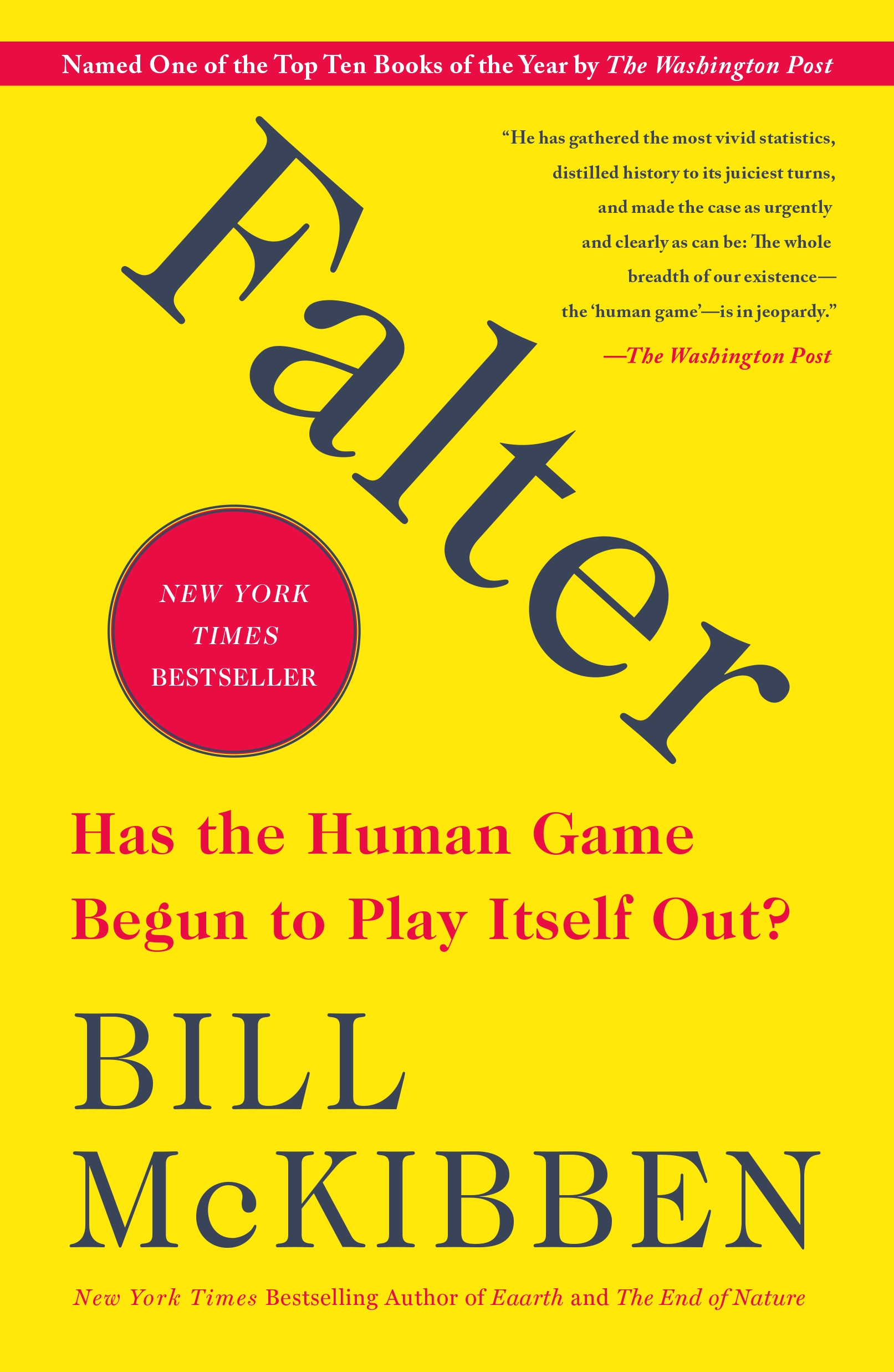
Falter: Has the Human Game Begun to Play Itself Out?

Good Night, Little Blue Truck

We Are Not Friends (You Are Not Small)

Settings
Reflow text when sidebars are open.
