
- Browse Category
Subjects
 We Begin at the EndLearn More
 - Choice Picks
- Top 100 Free Books
- Blog
- Recently Added
- Submit your eBook
- Browse Category
We Begin at the EndLearn More
- Choice Picks
- Top 100 Free Books
- Blog
- Recently Added
- Submit your eBook
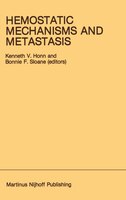
Hemostatic Mechanisms and Metastasis
2021-05-27 08:08:24
1. Is there Clinical Relevance for Therapies which Disrupt the Metastatic Cascade?.- I. Introduction.- II. Primary Cancer and Vascular Invasion.- A. Tumor Stage.- B. Histology and Differentiation.- C. Tissue of Origin.- III. Circulating Cancer Cells....
Read more
1. Is there Clinical Relevance for Therapies which Disrupt the Metastatic Cascade?.- I. Introduction.- II. Primary Cancer and Vascular Invasion.- A. Tumor Stage.- B. Histology and Differentiation.- C. Tissue of Origin.- III. Circulating Cancer Cells.- IV. Metastatic Potential of Metastases.- V. Summary.- 2. Overview of the Metastatic Cascade.- I. Is Metastasis a Random or Non-Random Process?.- A. Heterogeneity.- B. Clones.- C. Randomness or Non-Randomness.- D. Conclusions.- II. Release 1.- A. Site.- B. Detachment Factors.- 1. Growth-rate and detachment.- 2. Necrosis and detachment.- 3. Enzymes and detachment.- III. Invasion.- IV. Arrest.- A. Biophysical Aspects of Arrest.- B. The Role of Platelets and Fibrin in Arrest.- C. General Host Effects.- D. Repetitive Events.- V. Release 2.- VI. The Formation of Metastases from Micrometastases.- VII. Conclusions.- 3. Overview on Blood Coagulation Proteins.- I. Introduction.- II. Structural Characteristics of Serine Proteinases.- III. The Role of Vitamin K.- IV. Fibrinogen.- V. Regulation of Blood Coagulation.- A. The Intrinsic Pathway.- B. The Extrinsic Pathway.- C. The Relationship between the Intrinsic and Extrinsic Pathways.- VI. Inhibitors of Blood Coagulation.- VII. Role of Platelets in Blood Coagulation.- VIII. Fibrinolysis.- 4. The Microinjury Hypothesis and Metastasis.- I. The Silent Sector of the Metastatic Cascade.- II. The Microinjury Hypothesis.- III. Conclusion.- 5. Hemostatic Abnormalities in Tumor-Bearing Animals.- I. Introduction.- II. Animal Models of Dissemination.- III. Lung Colony Models.- IV. Spontaneous Metastasis Models.- V. Pathophysiological Mechanisms.- VI. Conclusions.- 6. Evidence for a Tumor Proteinase in Blood Coagulation.- I. Introduction.- II. Purification of Cancer Procoagulant.- III. Characterization of Cancer Procoagulant.- IV. Distribution of Cancer Procoagulant.- V. Tissue Factor as the Tumor Procoagulant.- VI. Rationale For Cancer Procoagulant.- 7. Relationship between Procoagulant Activity and Metastatic Capacity of Tumor Cells.- I. Introduction.- II. Fibrin and Tumors.- III. Cancer Cell Procoagulants.- IV. Role of Procoagulants in Metastasis.- A. Hematologic Phase Model.- B. Spontaneous Models.- V. Clinical Relevance.- 8. Fibrin Formation: Implications for Tumor Growth and Metastasis.- I. Introduction and Historical Background.- II. The Nature of Fibrin Deposits in Tissues.- III. Fibrin is a Component of the Tumor Microenvironment.- A. Guinea Pig Hepato (bile duct) Carcinomas.- 1. Line 1 carcinomas.- 2. Line 10 carcinomas.- B. Mouse Breast Carcinomas.- C. Human Tumors.- 1. Infiltrating ductal breast carcinoma.- 2. Hodgkin''s disease and other malignant lymphomas.- D. Conclusions.- IV. Tumor Secreted Mediators can Generate Tumor Associated Fibrin Deposits.- A. Tumor Secreted Vascular Permeability Factor (PF).- B. Tumor Associated Procoagulants.- 1. Tissue factor-like activity.- 2. Factor X cleaving activities.- 3. Shed plasma membrane vesicles.- 4. Thrombin-like and factor XIII-like activities.- V. Summary and Conclusions.- 9. Perspectives on the Role of Platelets in Hemostasis and Thrombosis.- I. Introduction.- A. Platelet Adhesion.- B. Platelet Release Reaction.- C. Platelet Aggregation.- D. Coagulant Activities of Platelets.- E. Role of Platelets in Contact Activation.- II. Interaction of Platelets with Coagulation Factors.- A. Interactions of Platelets with Factor VIII.- B. The Interaction of Platelets with Factor V.- C. Interactions of Platelets with Vitamin K-Dependent Clotting Factors.- D. The Role of Platelets in the Intrinsic Activation of Factor X and Prothrombin.- E. Platelet Activation as It Relates to the Conversion of Prothrombin to Thrombin.- III. Other Potential Consequences Of Platelet Activation.- 10. Mechanisms of Platelet Aggregation by Murine Tumor Cell Spheroids.- I. Introduction.- II. Experimental Systems.- III. Platelet-Vesicle Interactions.- A. Platelet Aggregating Activity Shed Spontaneously by Cells.- 1. Spontaneous shedding of vesicles by 15091A.- 2. Activity of vesicles isolated by sucrose density gradient centrifugation.- B. Platelet Aggregating Activity Released by Augmented Shedding.- 1. Isotonic low ionic strength medium.- 2. Urea.- 3. Trypsin.- IV. Conclusions.- 11. Heterogenous Mechanisms of Tumor Cell-Induced Platelet Aggregation with Possible Pharmacological Strategy Toward Prevention of Metastases.- I. Introduction.- II. Materials and Methods.- III. Results.- A. Tumors which Require Complement, a Vesicular Cell Surface, Sialo-Lipoprotein Component, Divalent Cation and a Stable Plasma Factor for Platelet Aggregation Activity.- B. Tumors which Aggregate Platelets via the Generation of Thrombin.- C. Tumors which Require a Trypsin Sensitive Protein for Platelet Aggregating Activity.- D. Effect of Pharmacologic Agents on the Three Mechanisms of Tumor-Induced Platelet Aggregation.- IV. Discussion.- 12. Tumor Cysteine Proteinases, Platelet Aggregation and Metastasis.- I. Cysteine Proteinases.- II.
Less

Compare Prices
| Store | Availability | Book Format | Condition | Price |
|---|---|---|---|---|
| Indigo Books & Music | In Stock | Buy CAD 388.95 |
Available Discount
No Discount available
Related Books
View All
You Be You: Detox Your Life, Crush Your Limitations, and Own Your Awesome

Going to School

Secrets Between Us: An absolutely gripping psychological thriller
The Pout-Pout Fish

Can't Make This Stuff Up!: Finding the Upside to Life's Downs
Clean & Lean: 30 Days, 30 Foods, a New You!

The Secret Wife: A captivating story of romance, passion and mystery

The Wonderful Things You Will Be
Trillion Dollar Coach: The Leadership Playbook of Silicon Valley's Bill Campbell

There Was an Old Lady Who Swallowed a Chick!

Good Night, Little Blue Truck

American Moonshot: John F. Kennedy and the Great Space Race

Hurricane Season

House of Shadows: An Enthralling Historical Mystery

We Are Not Friends (You Are Not Small)

Commander in Cheat: How Golf Explains Trump

Made for Me

Feed Your Best Friend Better: Easy, Nutritious Meals and Treats for Dogs

Twinkle, Twinkle, Little Star (Indestructibles Series)

Row, Row, Row Your Boat (Indestructibles Series)

The Silent Woman (Cat Carlisle, Book 1)

The Book Club

Diary of an Awesome Friendly Kid: Rowley Jefferson's Journal
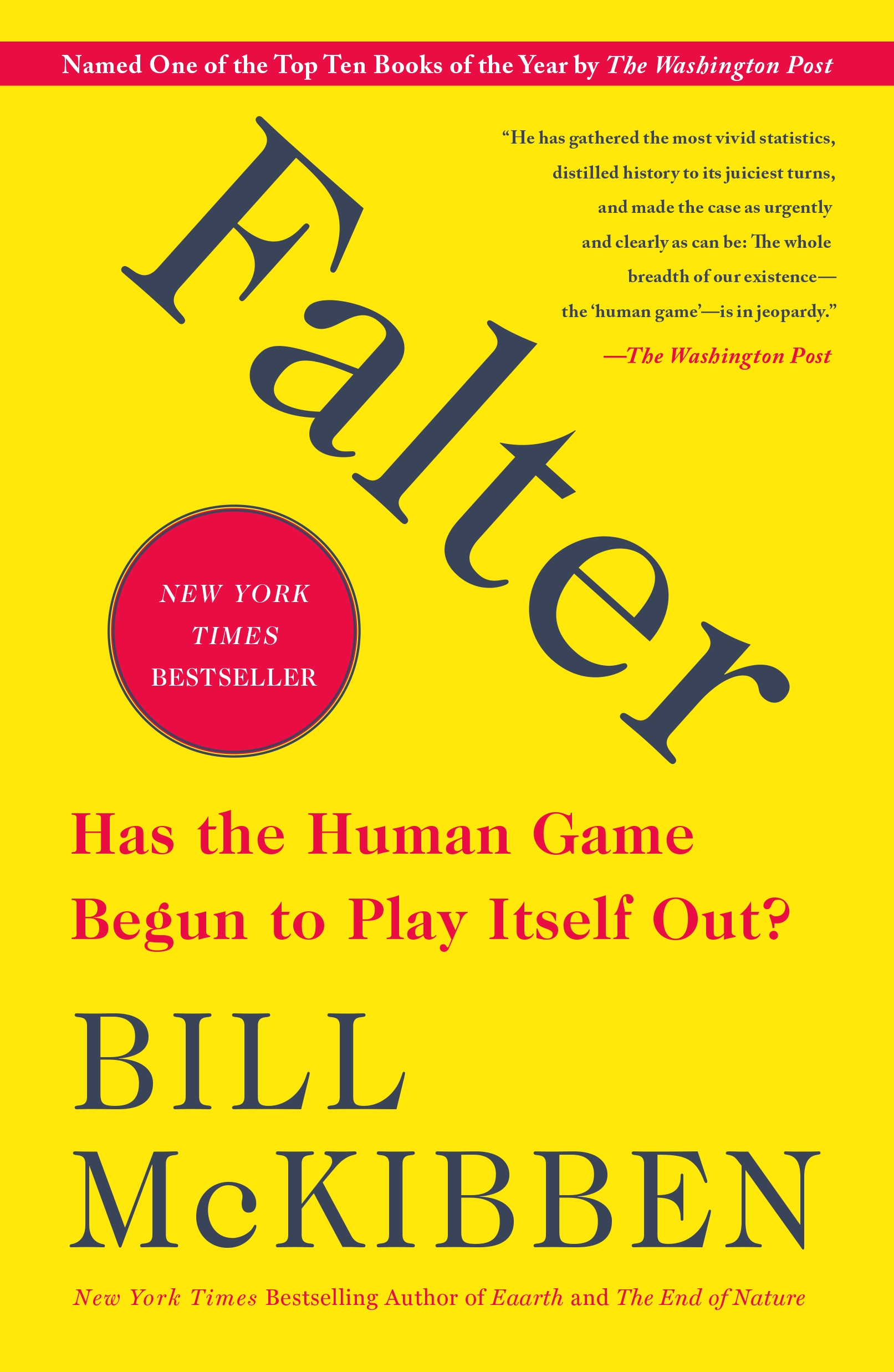
Falter: Has the Human Game Begun to Play Itself Out?

Life Will Be the Death of Me: ...And You Too!

Settings
Reflow text when sidebars are open.
