
- Browse Category
Subjects
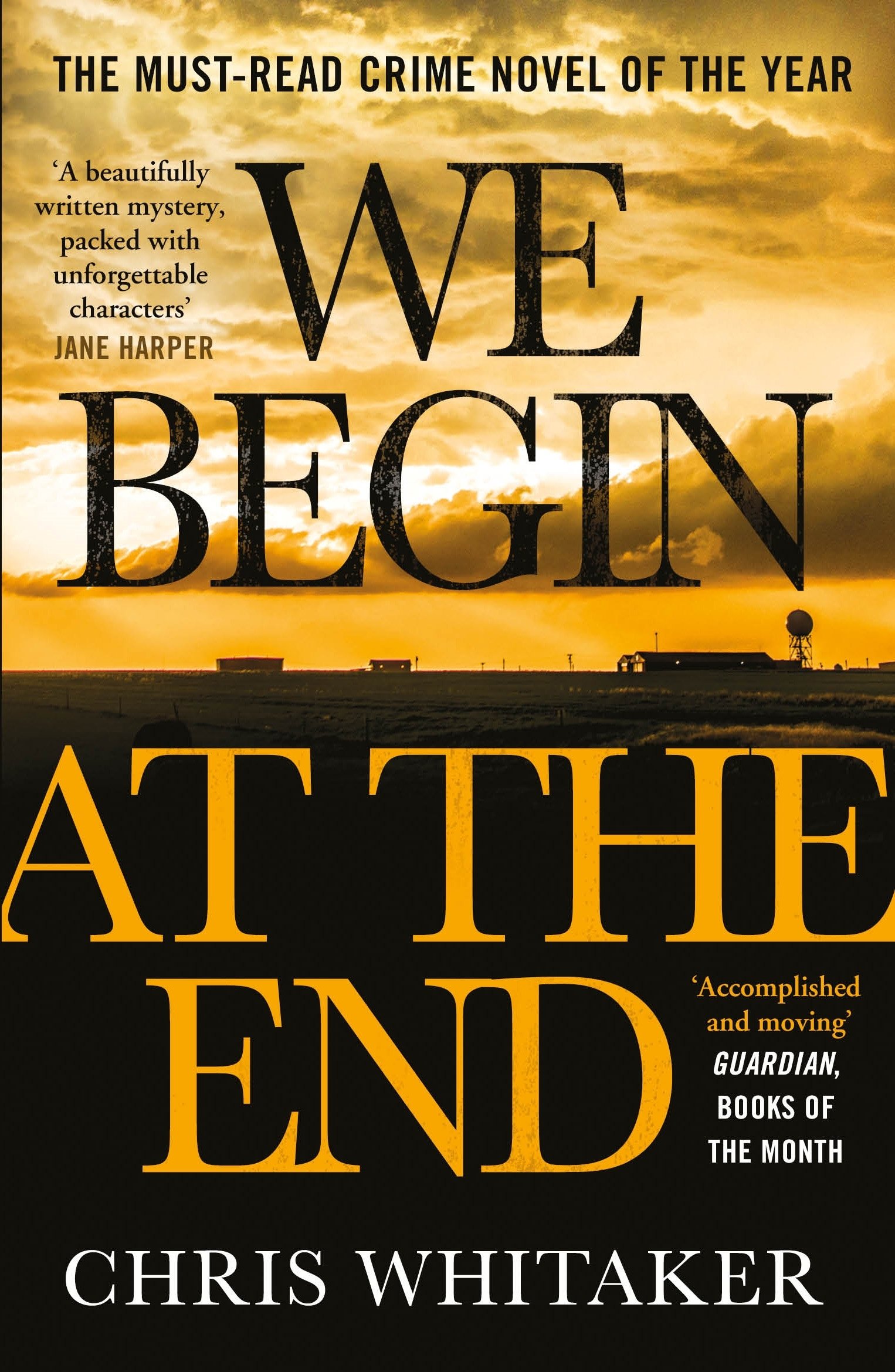 We Begin at the EndLearn More
 - Choice Picks
- Top 100 Free Books
- Blog
- Recently Added
- Submit your eBook
- Browse Category
We Begin at the EndLearn More
- Choice Picks
- Top 100 Free Books
- Blog
- Recently Added
- Submit your eBook

How the Weak Win Wars
2020-07-02 22:43:53
How do the weak win wars? The likelihood of victory and defeat in asymmetric conflicts depends on the interaction of the strategies weak and strong actors use. Using statistical and in-depth historical analyses of conflicts spanning two hundred years...
Read more
How do the weak win wars? The likelihood of victory and defeat in asymmetric conflicts depends on the interaction of the strategies weak and strong actors use. Using statistical and in-depth historical analyses of conflicts spanning two hundred years, in this 2005 book Ivan Arregúin-Toft shows that, independent of regime type and weapons technology, the interaction of similar strategic approaches favors strong actors, while opposite strategic approaches favors the weak. This approach to understanding asymmetric conflicts allows us to makes sense of how the United States was able to win its war in Afghanistan (2002) in a few months, while the Soviet Union lost after a decade of brutal war (1979-89). Arreguín-Toft's strategic interaction theory has implications not only for international relations theory, but for policy makers grappling with interstate and civil wars, as well as terrorism.
Less

Compare Prices
| Store | Availability | Book Format | Condition | Price |
|---|---|---|---|---|
| Walmart eBooks by Rakuten Kobo | In Stock | Buy USD 32.79 |
Available Discount
No Discount available
Related Books
View All
The Querist

A Review of Uncle Tom's Cabin: Or, an Essay on Slavery

What to Do? Thoughts Evoked by the Census of Moscow

The Black Man: The Father of Civilization - Proven by Biblical History

American Indian Stories

The Place of Science in Modern Civilisation, and Other Essays

Tea and Tea Drinking

The Christmas Kalends of Provence and Some Other Provençal Festivals

Women's Wild Oats: Essays on the Re-Fixing of Moral Standards

Readings on Fascism and National Socialism

Abolition Fanaticism in New York; Speech of a Runaway Slave from Baltimore

The Negro in the South

The History of the Catnach Press : At Berwick-Upon-Tweed, Alnwick and Newcastle-Upon-Tyne, in Northumberland, and Seven Dials, London

An Essay on the Principle of Population

Crowds: A Moving-Picture Democracy...

Visions and Beliefs in the West of Ireland, Second Series
.jpg)
Kankanay Ceremonies (American Archaeology and Ethnology)

Crime: Its Cause and Treatment

Visions and Beliefs in the West of Ireland, First Series

The Mediaeval Mind Vol 1 of 2: A History of The Development of Thought & Emotion in The Middle Ages

Women's Work

What Shall We Do?

New Worlds for Old: A Plain Account of Modern Socialism

The Abounding American

Signs of Change; Seven Lectures

Settings
Reflow text when sidebars are open.
