
- Browse Category
Subjects
 We Begin at the EndLearn More
 - Choice Picks
- Top 100 Free Books
- Blog
- Recently Added
- Submit your eBook
- Browse Category
We Begin at the EndLearn More
- Choice Picks
- Top 100 Free Books
- Blog
- Recently Added
- Submit your eBook
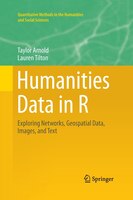
Humanities Data In R: Exploring Networks, Geospatial Data, Images, And Text
2021-01-06 11:52:32
This pioneering book teaches readers to use R within four core analytical areas applicable to the Humanities: networks, text, geospatial data, and images. This book is also designed to be a bridge: between quantitative and qualitative methods, indivi...
Read more
This pioneering book teaches readers to use R within four core analytical areas applicable to the Humanities: networks, text, geospatial data, and images. This book is also designed to be a bridge: between quantitative and qualitative methods, individual and collaborative work, and the humanities and social sciences.Humanities Data with Rdoes not presuppose background programming experience. Early chapters take readers from R set-up to exploratory data analysis (continuous and categorical data, multivariate analysis, and advanced graphics with emphasis on aesthetics and facility). Following this, networks, geospatial data, image data, natural language processing and text analysis each have a dedicated chapter. Each chapter is grounded in examples to move readers beyond the intimidation of adding new tools to their research. Everything is hands-on: networks are explained using U.S. Supreme Court opinions, and low-level NLP methods are applied to short stories by Sir Arthur Conan Doyle. After working through these examples with the provided data, code and book website, readers are prepared to apply new methods to their own work. The open source R programming language, with its myriad packages and popularity within the sciences and social sciences, is particularly well-suited to working with humanities data. R packages are also highlighted in an appendix. This book uses an expanded conception of the forms data may take and the information it represents. The methodology will have wide application in classrooms and self-study for the humanities, but also for use in linguistics, anthropology, and political science. Outside the classroom, this intersection of humanities and computing is particularly relevant for research and new modes of dissemination across archives, museums and libraries.
Less

Compare Prices
| Store | Availability | Book Format | Condition | Price |
|---|---|---|---|---|
| Indigo Books & Music | In Stock | Paperback | Paperback | Buy CAD 89.65 |
| Walmart eBooks by Rakuten Kobo | In Stock | Buy USD 62.99 |
Available Discount
No Discount available
Related Books
View All
Feed Your Best Friend Better: Easy, Nutritious Meals and Treats for Dogs

The Book Club

American Moonshot: John F. Kennedy and the Great Space Race

The Secret Wife: A captivating story of romance, passion and mystery

The Silent Woman (Cat Carlisle, Book 1)
Can't Make This Stuff Up!: Finding the Upside to Life's Downs

There Was an Old Lady Who Swallowed a Chick!

You Be You: Detox Your Life, Crush Your Limitations, and Own Your Awesome

Good Night, Little Blue Truck

Secrets Between Us: An absolutely gripping psychological thriller
Falter: Has the Human Game Begun to Play Itself Out?

The Wonderful Things You Will Be

Twinkle, Twinkle, Little Star (Indestructibles Series)
Hurricane Season

Life Will Be the Death of Me: ...And You Too!

House of Shadows: An Enthralling Historical Mystery
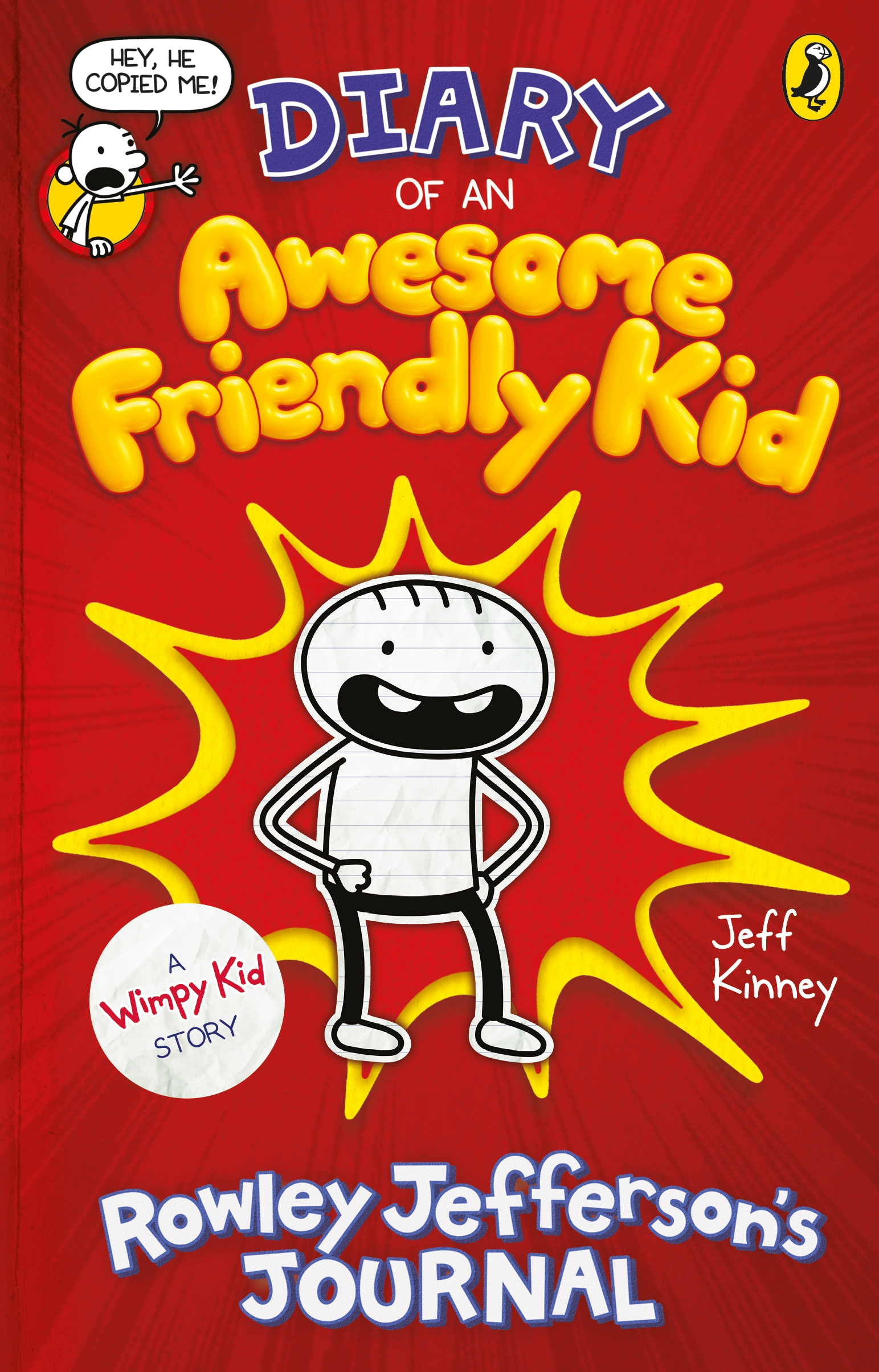
Diary of an Awesome Friendly Kid: Rowley Jefferson's Journal

Made for Me

We Are Not Friends (You Are Not Small)

Going to School
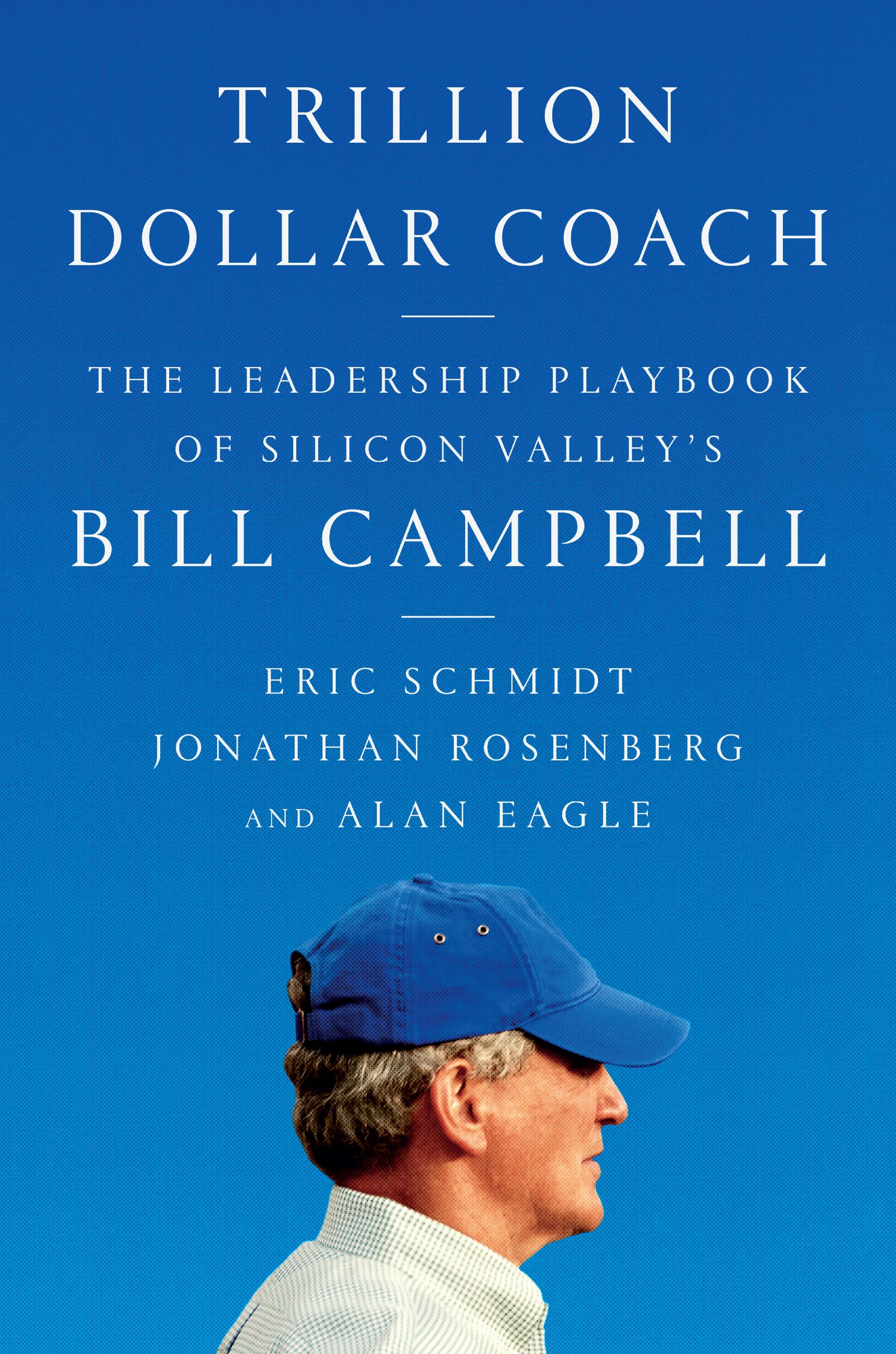
Trillion Dollar Coach: The Leadership Playbook of Silicon Valley's Bill Campbell

Commander in Cheat: How Golf Explains Trump
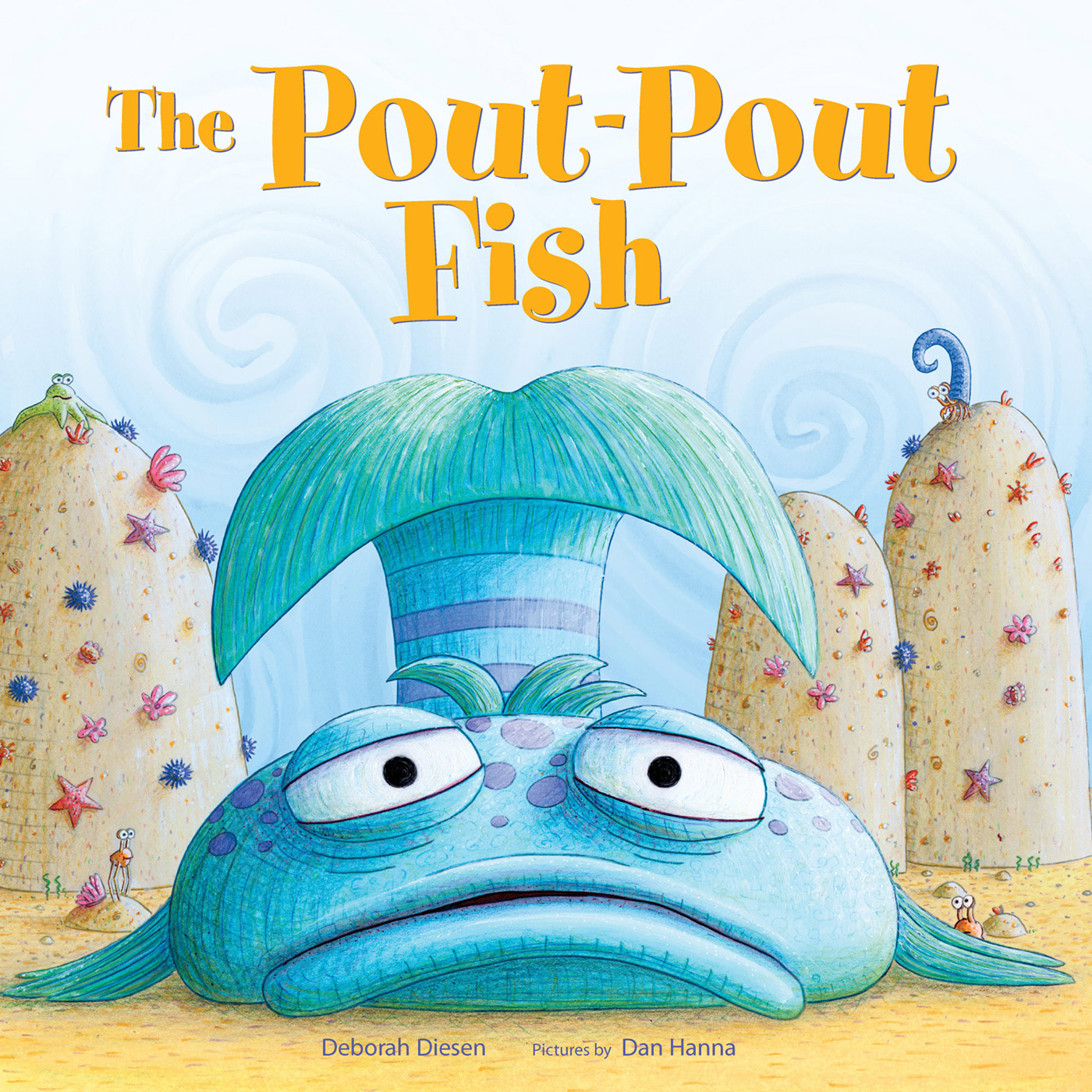
The Pout-Pout Fish

Row, Row, Row Your Boat (Indestructibles Series)
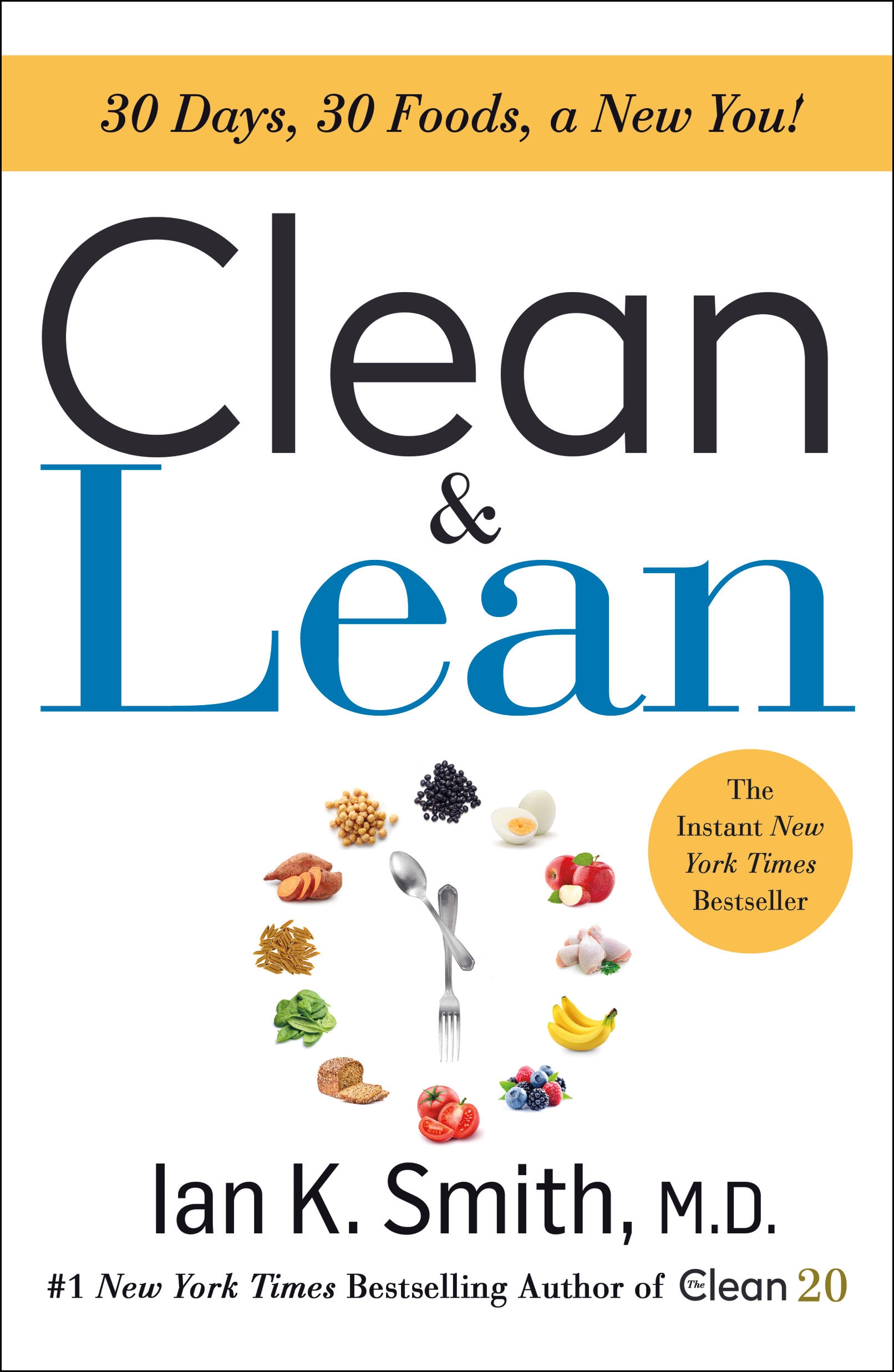
Clean & Lean: 30 Days, 30 Foods, a New You!

Settings
Reflow text when sidebars are open.
