
- Browse Category
Subjects
 We Begin at the EndLearn More
 - Choice Picks
- Top 100 Free Books
- Blog
- Recently Added
- Submit your eBook
- Browse Category
We Begin at the EndLearn More
- Choice Picks
- Top 100 Free Books
- Blog
- Recently Added
- Submit your eBook

Individual and Conflict in Greek Ethics
2020-11-25 01:22:08
Nicholas White opposes the long-standard view that ancient Greek ethics is fundamentally different from modern ethical views, especially those prevalent since Kant. Since the eighteenth century, and indeed since before Hegel, moral philosophers wishi...
Read more
Nicholas White opposes the long-standard view that ancient Greek ethics is fundamentally different from modern ethical views, especially those prevalent since Kant. Since the eighteenth century, and indeed since before Hegel, moral philosophers wishing to oppose the dualism ofrationality-cum-morality vs. inclination, especially as it is manifested in Kant, have looked to Greek thought for an alternative conception of ethical norms and the good life. As a result, Greek ethics, particularly in the so-called Classical period of the fourth century BCE, has for more than twocenturies been standardly thought to be fundamentally eudaimonist, and to have the character of what is nowadays normally called the ethics of virtue.White argues that although this picture of Greek ethics is not without an element of truth, it nevertheless seriously distorts the facts. In the first place, Greek thought is far more variegated than the picture suggests. Secondly, it contains many elements -- even in the Classical thinkers Platoand Aristotle -- that are not eudaimonist and also not suitable for an ethics of virtue.Greek thinkers were not as a group convinced of the possibility of a harmony of one''s happiness with full regard for the happiness of others and with conformity to ethical norms. On the contrary, Greek thinkers were well aware of,and took seriously, the idea that ethical norms can possess a forcethat does not derive from conduciveness to one''s own happiness. Indeed, even Plato and Aristotle took it that under certain circumstances there can even be a clash between ethical standards and one''s own well-being. The project of completely eliminating the possibility of such a clash came to fulldevelopment not in the Classical period but rather in the ethics of the Stoics in the third century.Individual and Conflict in Greek Ethics argues that throughout Greek thought the concept of ethics as a source of obligations and imperatives can, in unfavorable circumstances, run counter to one''s own happiness. In this sense Greek ethics has a shape similar to that of modern Kantian andpost-Kantian thinking, and should not be seen as opposed to it.
Less

Compare Prices
| Store | Availability | Book Format | Condition | Price |
|---|---|---|---|---|
| Indigo Books & Music | In Stock | Buy CAD 78.95 | ||
| Indigo Books & Music | In Stock | Hard Cover | Hard Cover | Buy CAD 291.00 |
Available Discount
No Discount available
Related Books
View All
You Be You: Detox Your Life, Crush Your Limitations, and Own Your Awesome

American Moonshot: John F. Kennedy and the Great Space Race

Commander in Cheat: How Golf Explains Trump

The Secret Wife: A captivating story of romance, passion and mystery

Twinkle, Twinkle, Little Star (Indestructibles Series)

Falter: Has the Human Game Begun to Play Itself Out?

House of Shadows: An Enthralling Historical Mystery

Going to School
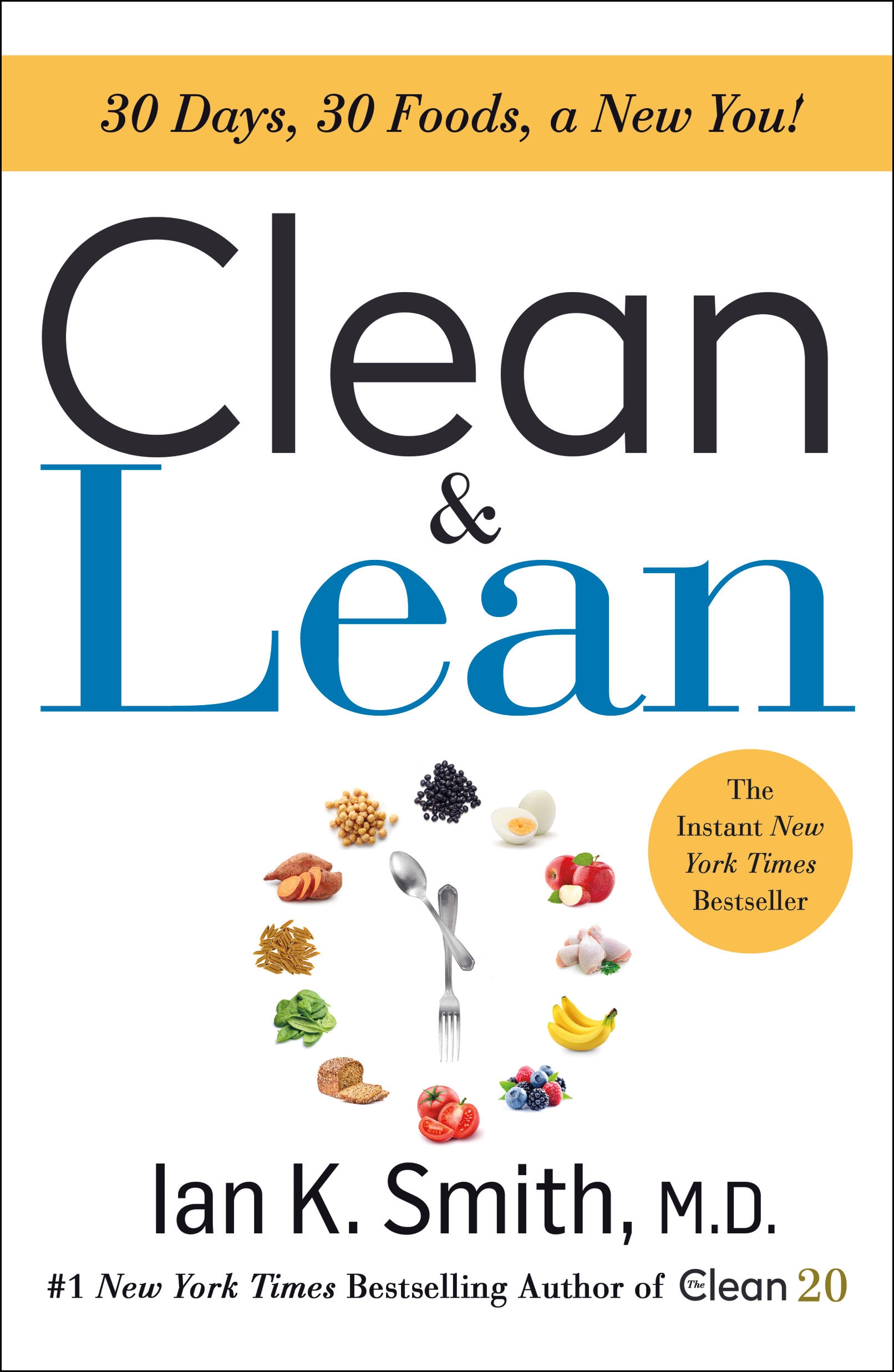
Clean & Lean: 30 Days, 30 Foods, a New You!

Secrets Between Us: An absolutely gripping psychological thriller

Made for Me

The Silent Woman (Cat Carlisle, Book 1)
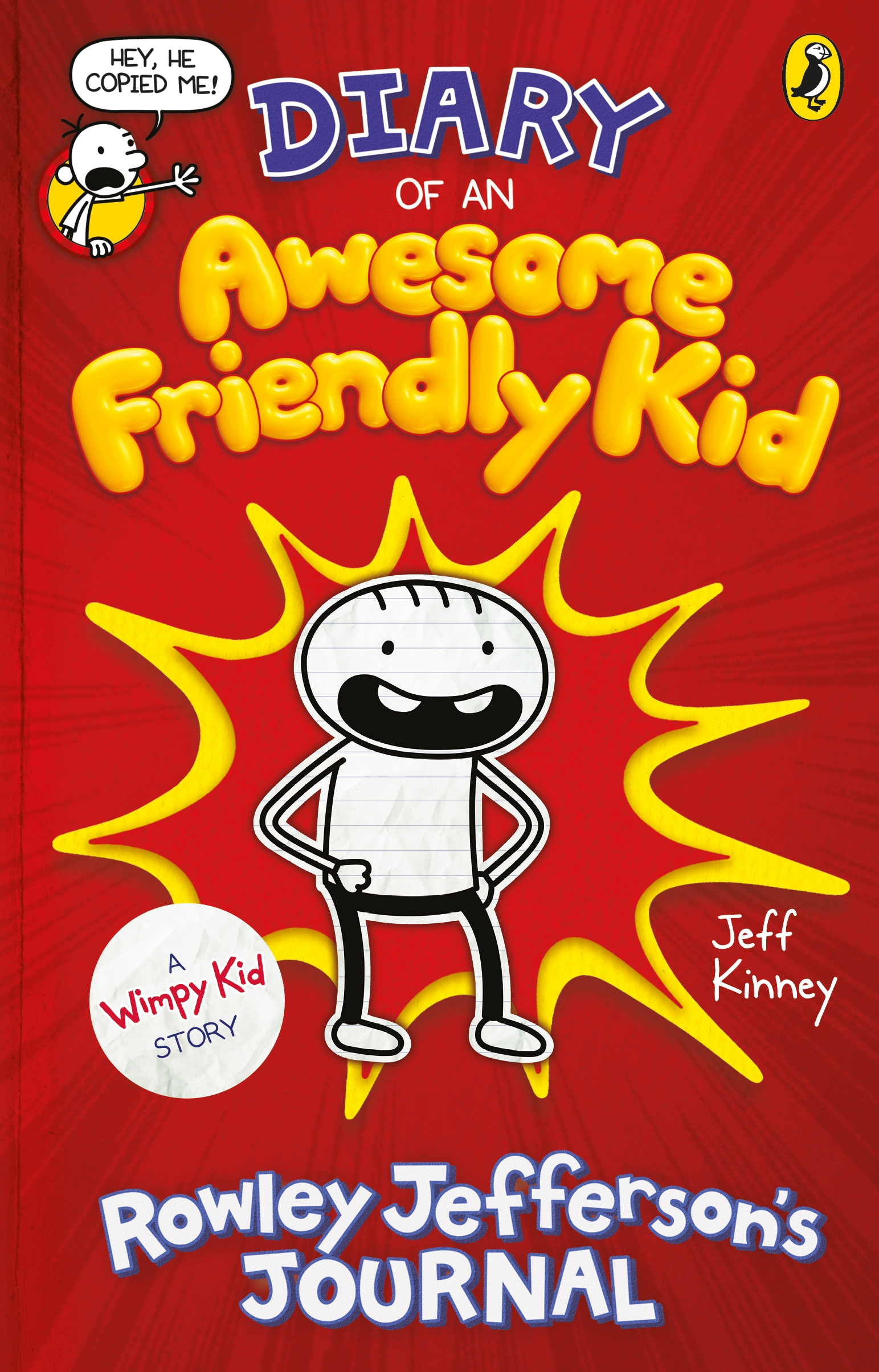
Diary of an Awesome Friendly Kid: Rowley Jefferson's Journal
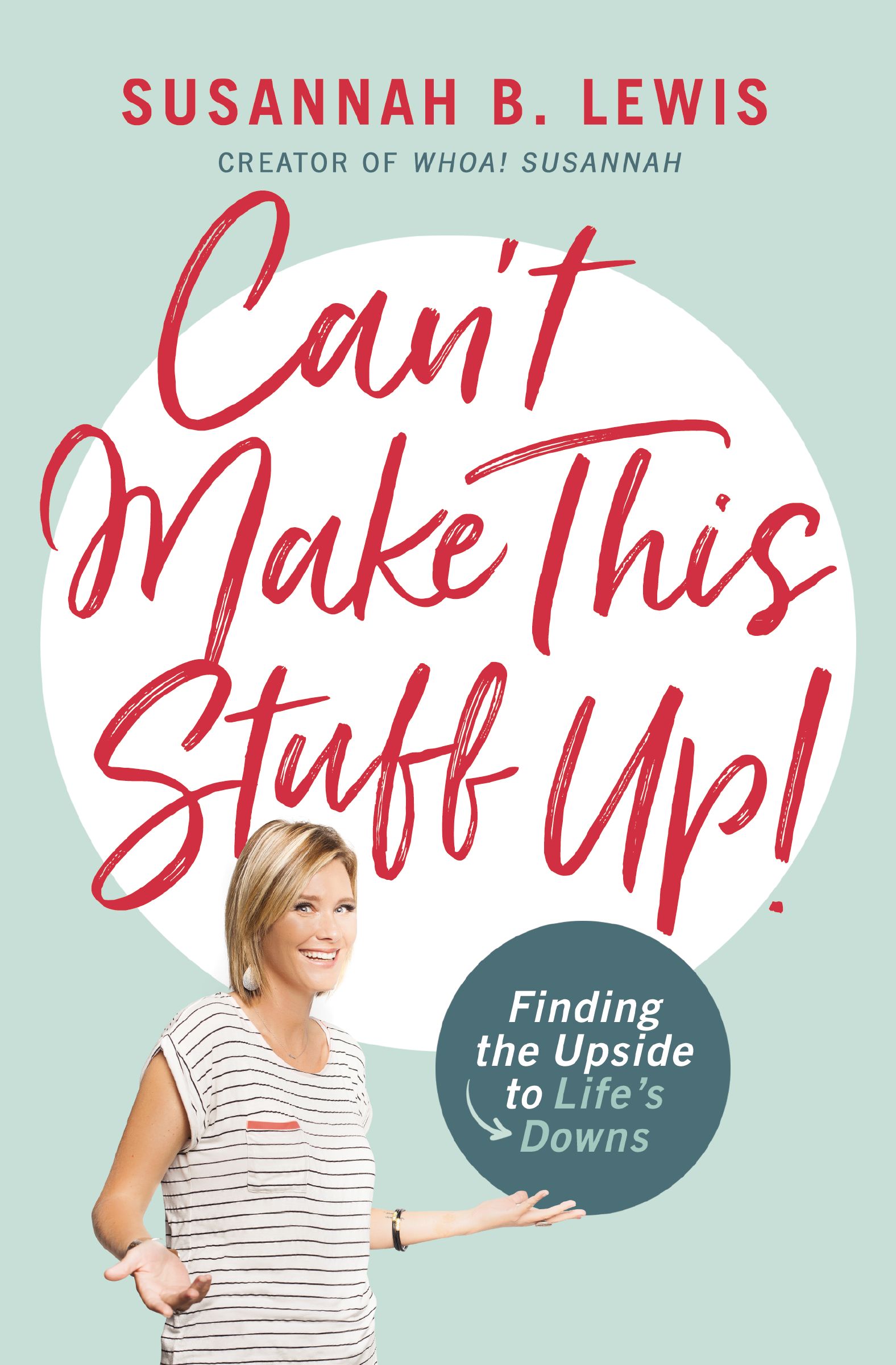
Can't Make This Stuff Up!: Finding the Upside to Life's Downs

Good Night, Little Blue Truck

The Book Club

Life Will Be the Death of Me: ...And You Too!

The Wonderful Things You Will Be
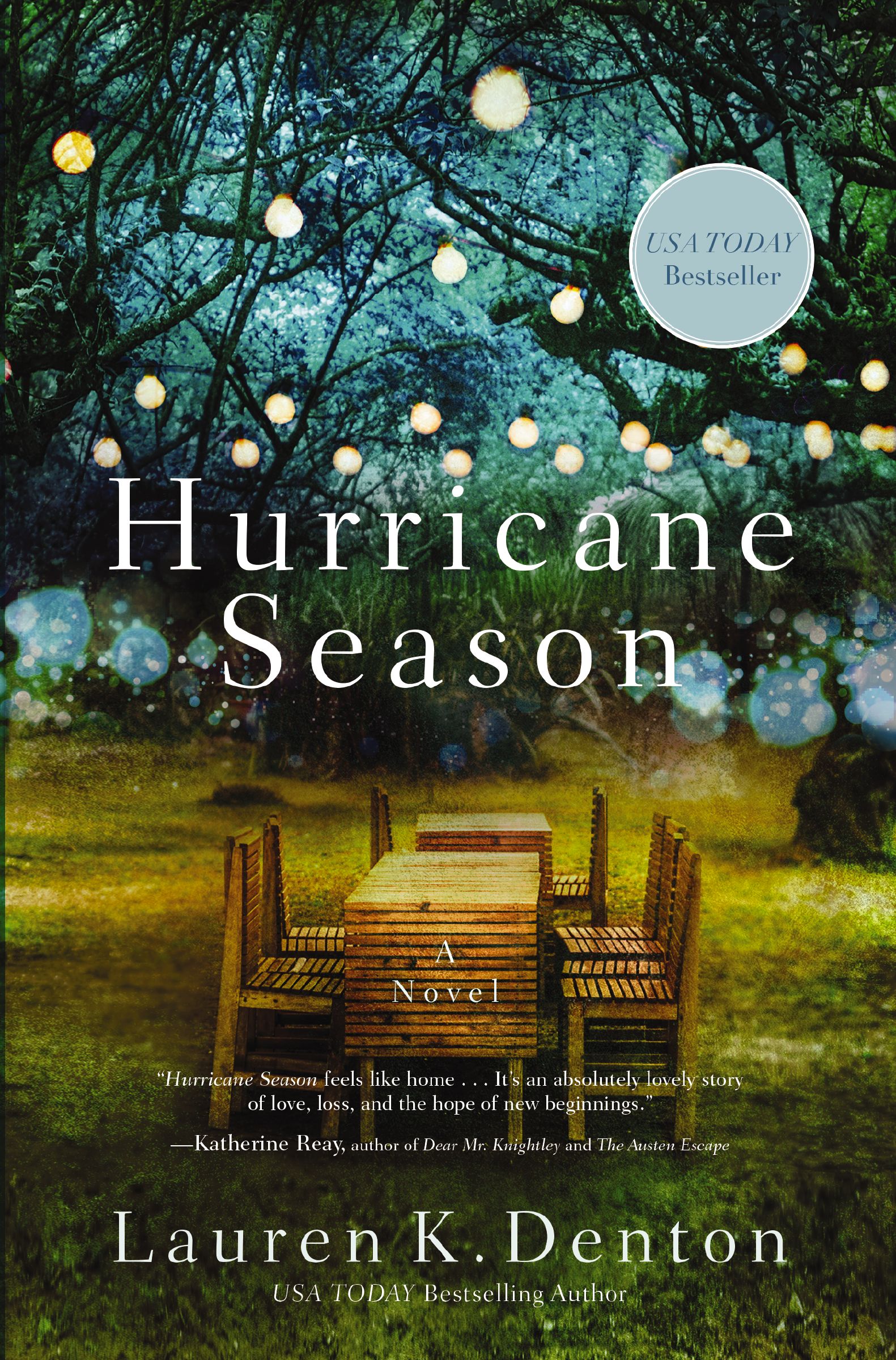
Hurricane Season
The Pout-Pout Fish

Trillion Dollar Coach: The Leadership Playbook of Silicon Valley's Bill Campbell

Feed Your Best Friend Better: Easy, Nutritious Meals and Treats for Dogs

Row, Row, Row Your Boat (Indestructibles Series)

There Was an Old Lady Who Swallowed a Chick!

We Are Not Friends (You Are Not Small)

Settings
Reflow text when sidebars are open.
