
- Browse Category
Subjects
 We Begin at the EndLearn More
 - Choice Picks
- Top 100 Free Books
- Blog
- Recently Added
- Submit your eBook
- Browse Category
We Begin at the EndLearn More
- Choice Picks
- Top 100 Free Books
- Blog
- Recently Added
- Submit your eBook
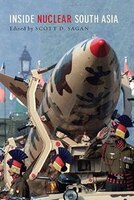
Inside Nuclear South Asia
2021-01-03 03:57:57
Nuclear-armed adversaries India and Pakistan have fought three wars since their creation as sovereign states in 1947. They went to the brink of a fourth in 2001 following an attack on the Indian parliament, which the Indian government blamed on the P...
Read more
Nuclear-armed adversaries India and Pakistan have fought three wars since their creation as sovereign states in 1947. They went to the brink of a fourth in 2001 following an attack on the Indian parliament, which the Indian government blamed on the Pakistan-backed Lashkar-e-Taiba and Jaish-e-Mohammed terrorist organizations. Despite some attempts at rapprochement in the intervening years, a new standoff between the two countries was precipitated when India accused Lashkar-e-Taiba of being behind the Mumbai attacks late last year. The relentlessness of the confrontations between these two nations makes Inside Nuclear South Asia a must read for anyone wishing to gain a thorough understanding of the spread of nuclear weapons in South Asia and the potential consequences of nuclear proliferation on the subcontinent.The book begins with an analysis of the factors that led to India''s decision to cross the nuclear threshold in 1998, with Pakistan close behind: factors such as the broad political support for a nuclear weapons program within India''s ruling Bharatiya Janata Party (BJP), the intense rivalry between the two countries, the normative and prestige factors that influenced their behaviors, and ultimately the perceived threat to their respective national security.The second half of the book analyzes the consequences of nuclear proliferation on the subcontinent. These chapters show that the presence of nuclear weapons in South Asia has increased the frequency and propensity of low-level violence, further destabilizing the region. Additionally, nuclear weapons in India and Pakistan have led to serious political changes that also challenge the ability of the two states to produce stable nuclear détente. Thus, this book provides both new insights into the domestic politics behind specific nuclear policy choices in South Asia, a critique of narrow realist views of nuclear proliferation, and the dangers of nuclear proliferation in South Asia.
Less

Compare Prices
| Store | Availability | Book Format | Condition | Price |
|---|---|---|---|---|
| BetterWorld.com - New, Used, Rare Books & Textbooks | In Stock | Buy USD 6.98 | ||
| Indigo Books & Music | In Stock | Buy CAD 115.00 |
Available Discount
No Discount available
Related Books
View All
Feed Your Best Friend Better: Easy, Nutritious Meals and Treats for Dogs

Clean & Lean: 30 Days, 30 Foods, a New You!

You Be You: Detox Your Life, Crush Your Limitations, and Own Your Awesome

The Silent Woman (Cat Carlisle, Book 1)

Secrets Between Us: An absolutely gripping psychological thriller

The Book Club

Life Will Be the Death of Me: ...And You Too!

American Moonshot: John F. Kennedy and the Great Space Race
Hurricane Season
The Pout-Pout Fish

Made for Me

Twinkle, Twinkle, Little Star (Indestructibles Series)
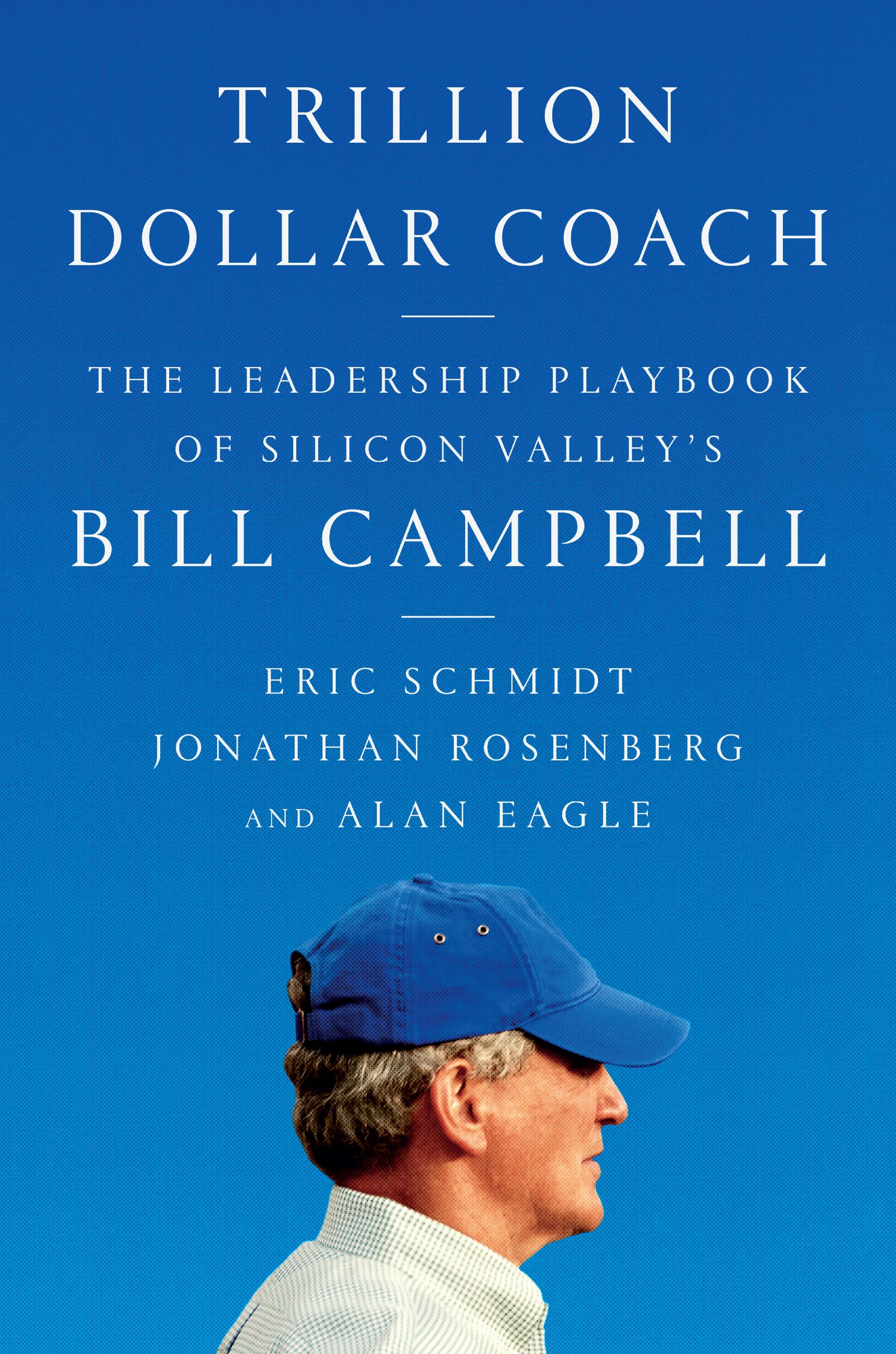
Trillion Dollar Coach: The Leadership Playbook of Silicon Valley's Bill Campbell

House of Shadows: An Enthralling Historical Mystery

Can't Make This Stuff Up!: Finding the Upside to Life's Downs

Going to School

There Was an Old Lady Who Swallowed a Chick!

Falter: Has the Human Game Begun to Play Itself Out?

Row, Row, Row Your Boat (Indestructibles Series)

We Are Not Friends (You Are Not Small)

Commander in Cheat: How Golf Explains Trump

The Secret Wife: A captivating story of romance, passion and mystery
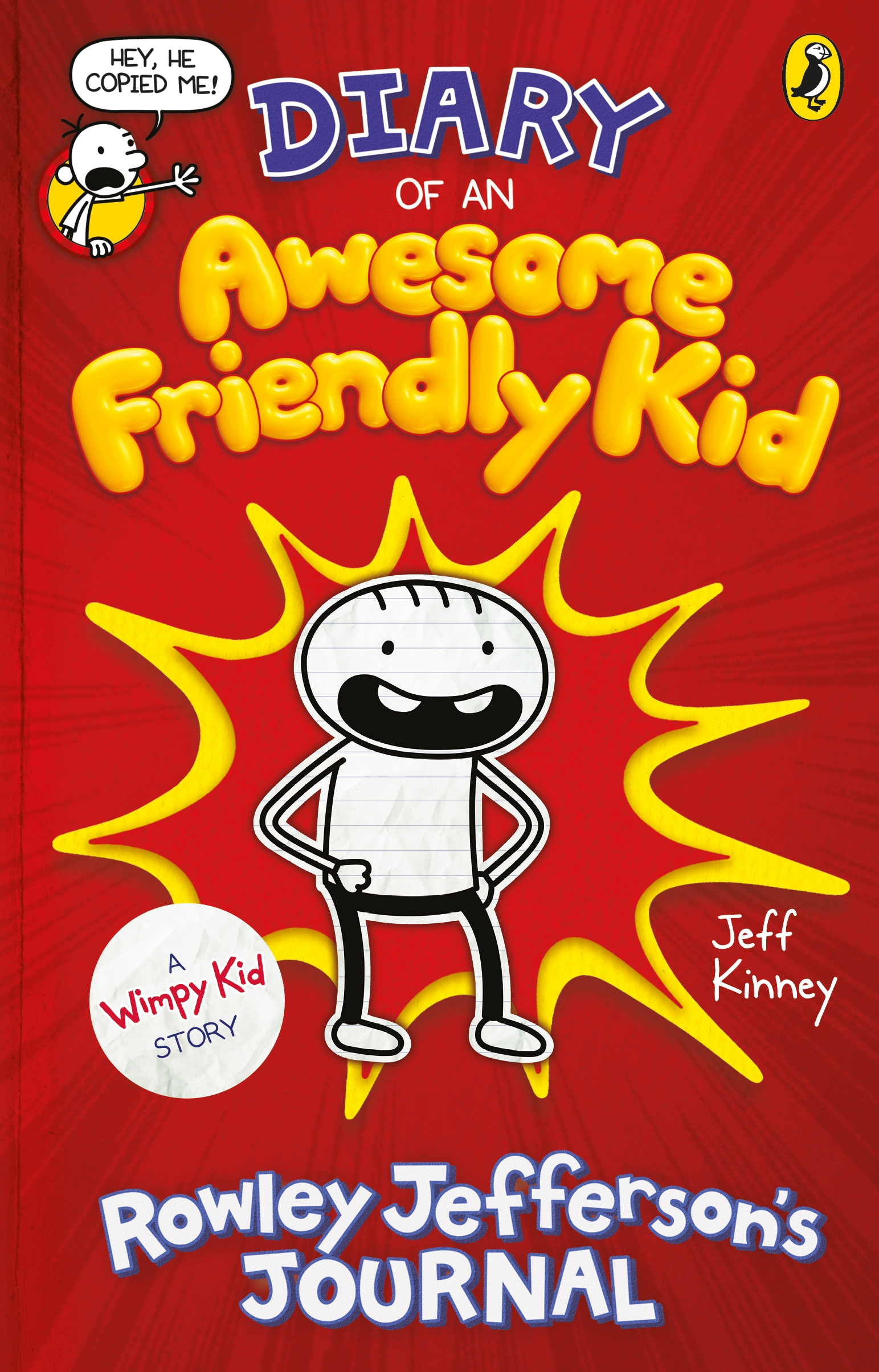
Diary of an Awesome Friendly Kid: Rowley Jefferson's Journal

The Wonderful Things You Will Be

Good Night, Little Blue Truck

Settings
Reflow text when sidebars are open.
