
- Browse Category
Subjects
 We Begin at the EndLearn More
 - Choice Picks
- Top 100 Free Books
- Blog
- Recently Added
- Submit your eBook
- Browse Category
We Begin at the EndLearn More
- Choice Picks
- Top 100 Free Books
- Blog
- Recently Added
- Submit your eBook
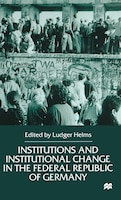
Institutions and Institutional Change in the Federal Republic of Germany
2021-01-19 01:42:15
After an extended period of major political upheaval and remarkably low regime stability before the Second World War, Germany has become one of the most stable democracies in western Europe. A great deal of this success has traditionally been put dow...
Read more
After an extended period of major political upheaval and remarkably low regime stability before the Second World War, Germany has become one of the most stable democracies in western Europe. A great deal of this success has traditionally been put down to the Federal Republic''s specific brand of political institutions. More recently, however, the same institutions have been criticized for their marked propensity to produce gridlock and political immobility. How much change and adaptation has there been behind the widespread perception of the `eternal stability'' of the Federal Republic''s institutional system? What effect have German unification and European integration had on the performance of the core political institutions, and how well prepared is the German polity to face the challenges of the twenty-first century? The views of nine distinguished German scholars are assembled in this volume, and they offer their assessments of the German political core institutions from a broad historical perspective.
Less

Compare Prices
| Store | Availability | Book Format | Condition | Price |
|---|---|---|---|---|
| Indigo Books & Music | In Stock | Buy CAD 198.95 |
Available Discount
No Discount available
Related Books
View All
Hurricane Season

The Book Club

Row, Row, Row Your Boat (Indestructibles Series)

The Secret Wife: A captivating story of romance, passion and mystery

Good Night, Little Blue Truck
Can't Make This Stuff Up!: Finding the Upside to Life's Downs
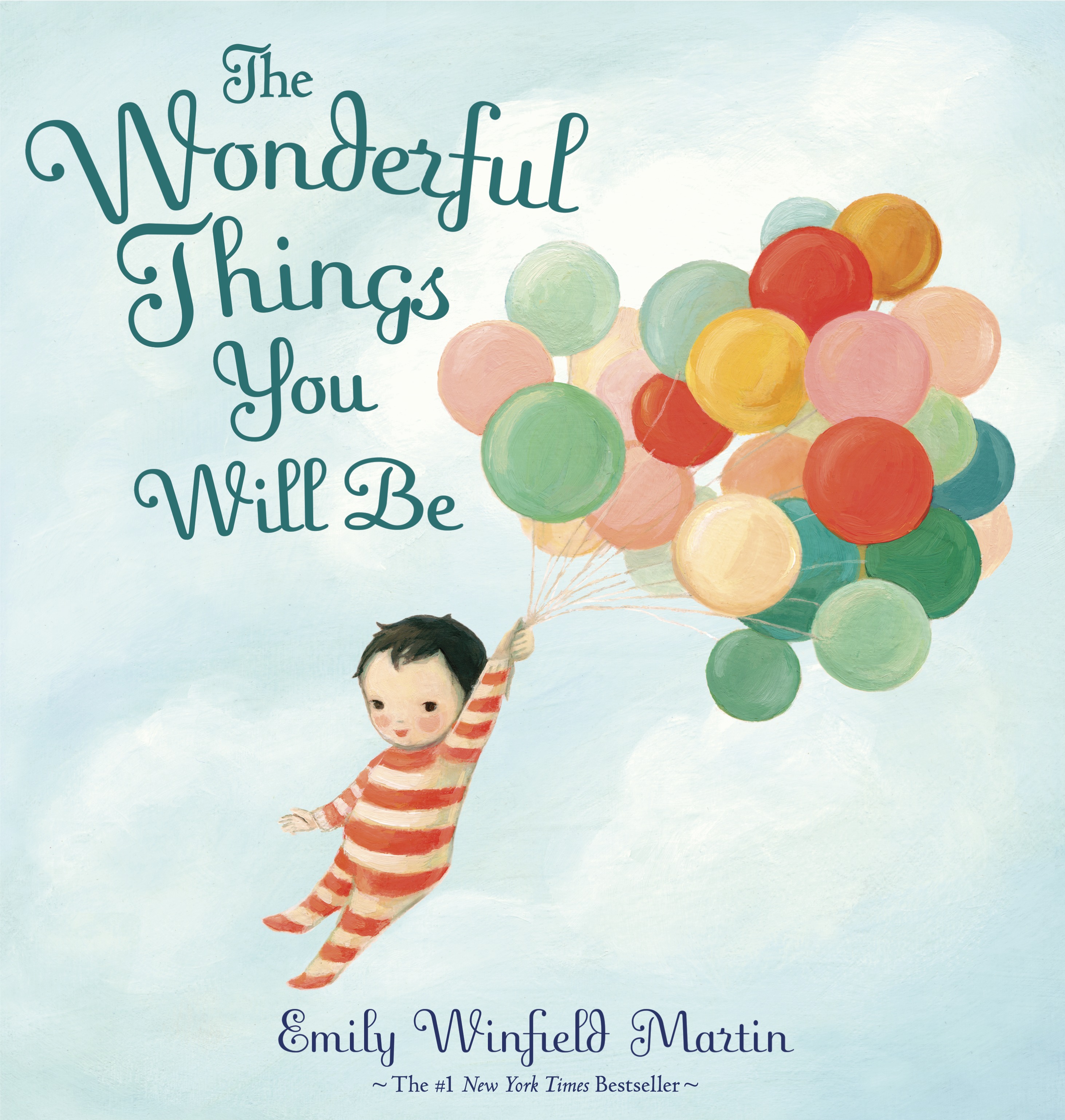
The Wonderful Things You Will Be

We Are Not Friends (You Are Not Small)
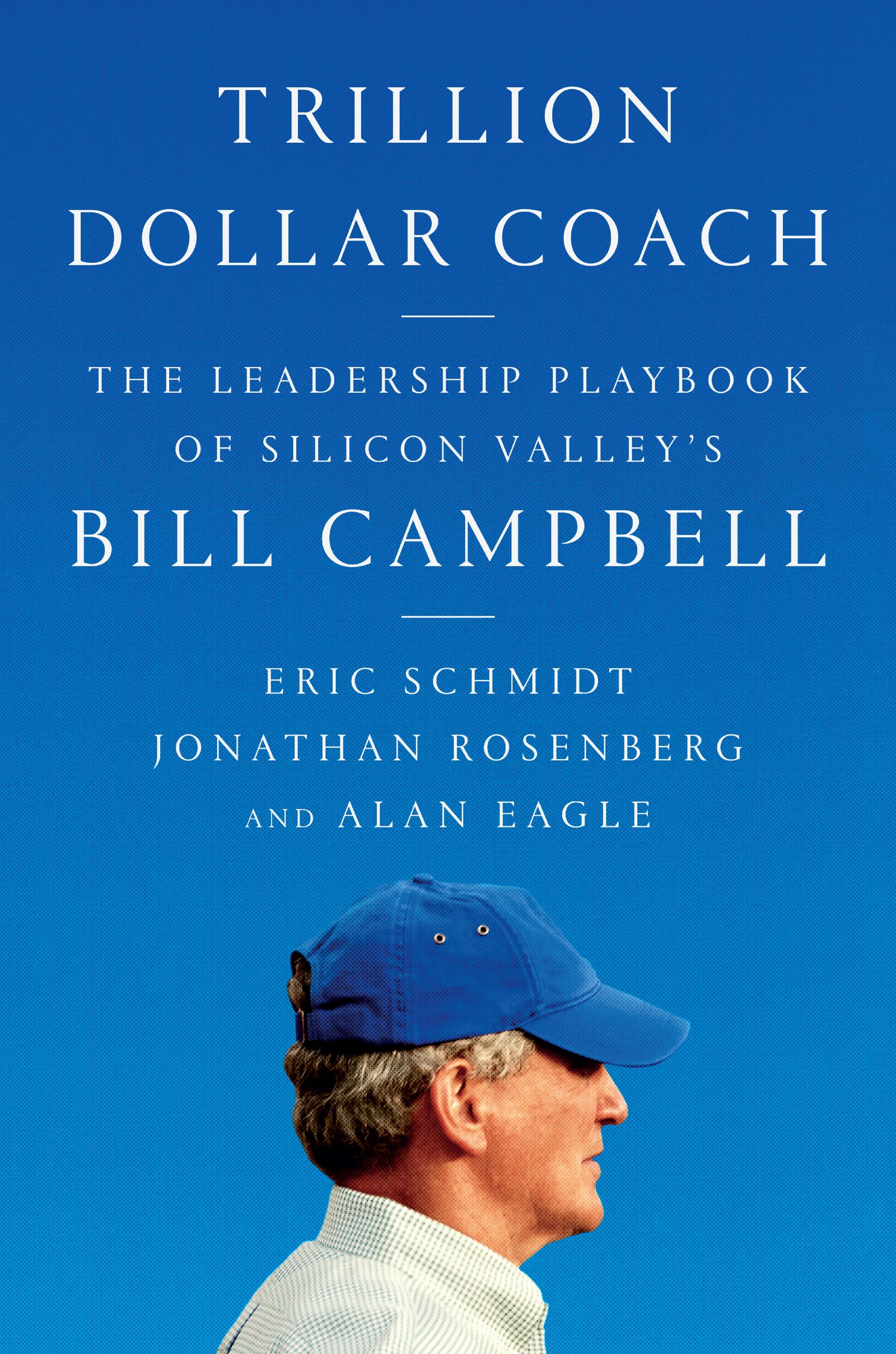
Trillion Dollar Coach: The Leadership Playbook of Silicon Valley's Bill Campbell
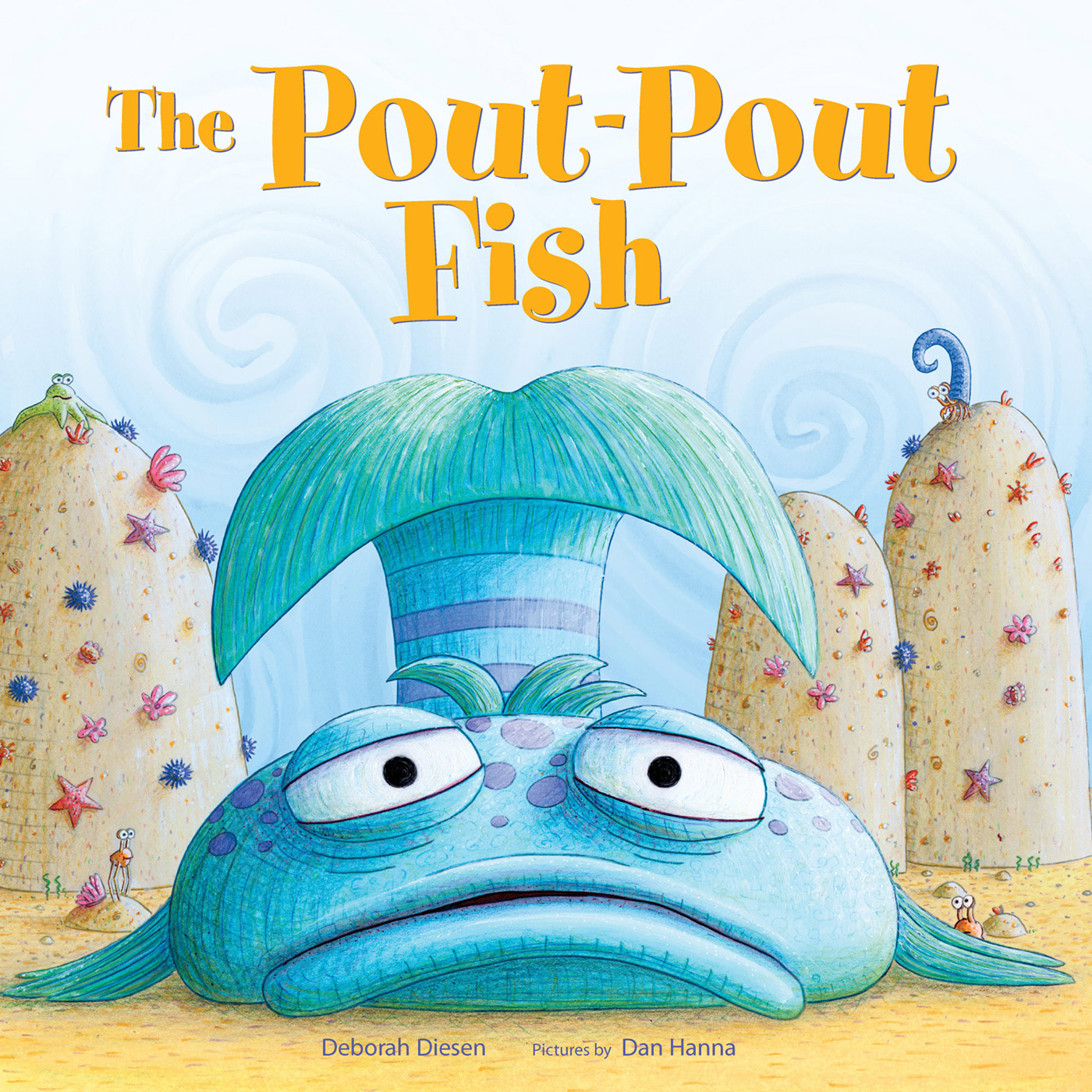
The Pout-Pout Fish

There Was an Old Lady Who Swallowed a Chick!

You Be You: Detox Your Life, Crush Your Limitations, and Own Your Awesome
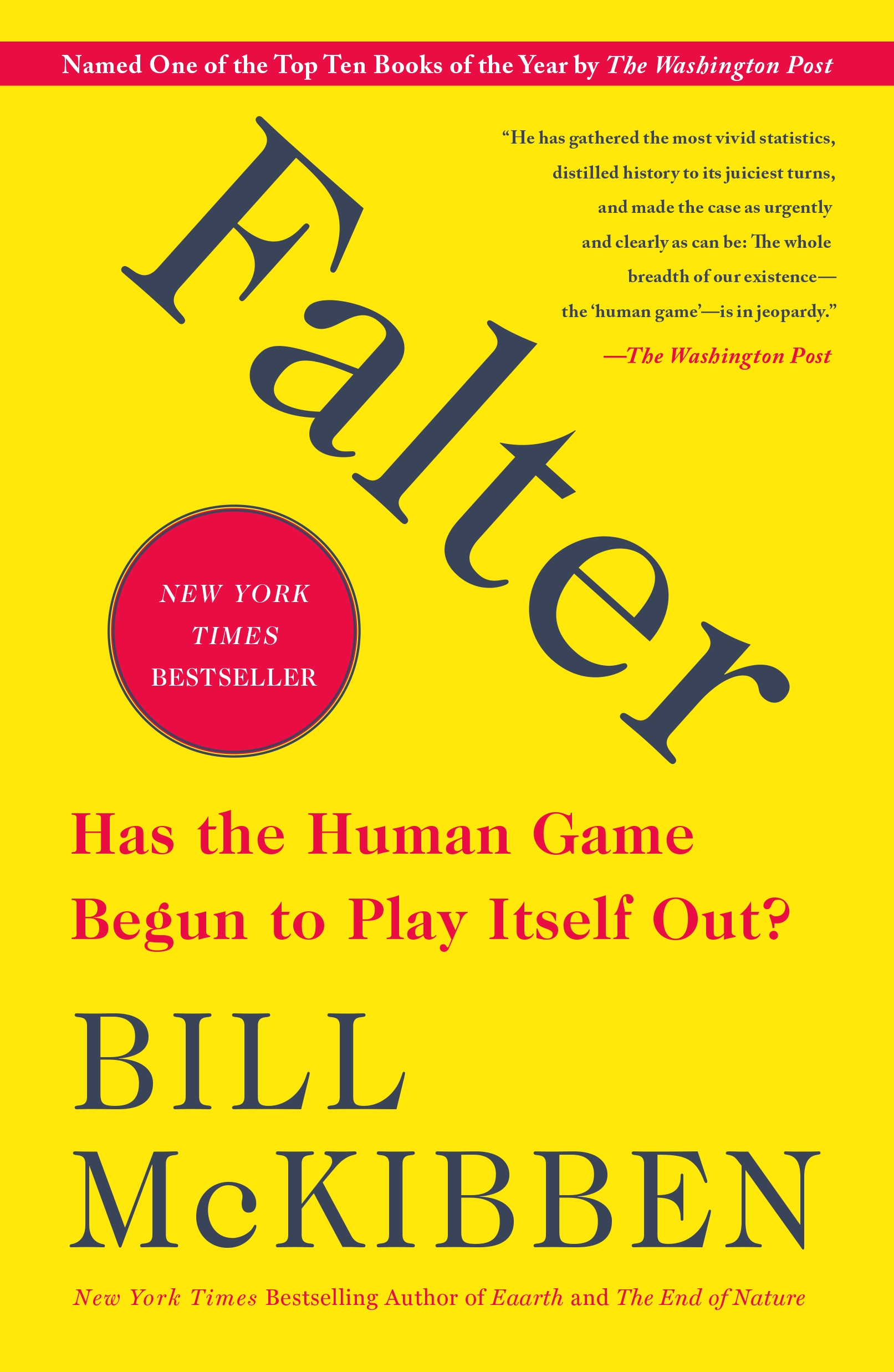
Falter: Has the Human Game Begun to Play Itself Out?

Made for Me

American Moonshot: John F. Kennedy and the Great Space Race
Diary of an Awesome Friendly Kid: Rowley Jefferson's Journal
Clean & Lean: 30 Days, 30 Foods, a New You!

Commander in Cheat: How Golf Explains Trump

House of Shadows: An Enthralling Historical Mystery

Life Will Be the Death of Me: ...And You Too!

Going to School

The Silent Woman (Cat Carlisle, Book 1)

Feed Your Best Friend Better: Easy, Nutritious Meals and Treats for Dogs

Twinkle, Twinkle, Little Star (Indestructibles Series)

Secrets Between Us: An absolutely gripping psychological thriller

Settings
Reflow text when sidebars are open.
