
- Browse Category
Subjects
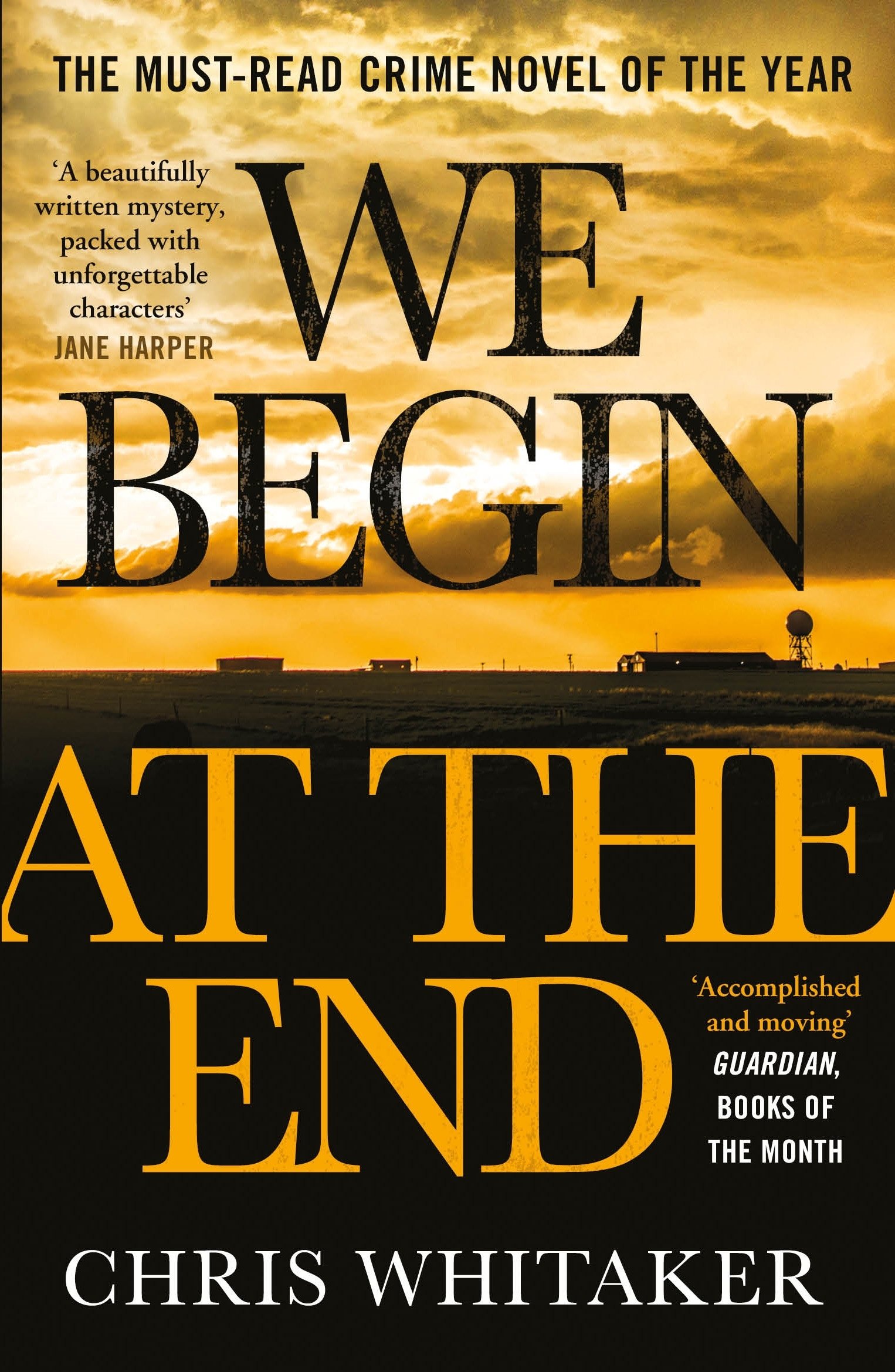 We Begin at the EndLearn More
 - Choice Picks
- Top 100 Free Books
- Blog
- Recently Added
- Submit your eBook
- Browse Category
We Begin at the EndLearn More
- Choice Picks
- Top 100 Free Books
- Blog
- Recently Added
- Submit your eBook
Islam and Democracy after the Arab Spring
2021-02-02 12:16:02
In late 2010, the wave of civil resistance known as the Arab Spring stunned the world as dictatorships in Tunisia, Egypt, and Libya were overthrown, while the regimes of Bahrain, Syria, and Yemen brutally suppressed their own revolutions. The Islamic...
Read more
In late 2010, the wave of civil resistance known as the Arab Spring stunned the world as dictatorships in Tunisia, Egypt, and Libya were overthrown, while the regimes of Bahrain, Syria, and Yemen brutally suppressed their own revolutions. The Islamic political parties of Tunisia and Egypt have gained particular attention for their success in the national elections following the overthrow of their regimes, and similar electoral success has been seen in Morocco and is predicted throughout the Arab world and beyond in the broader Middle East and in Southeast Asia. While the opposition movements of the Arab Spring are distinctive, each has raised questions regarding equality, economic justice, democratic participation, and the relationship between Islam and democracy in their respective countries, such as: does democracy require a secular political regime? And are religious movements the most effective opponents of authoritarian secularist regimes? The argument that that Islamic political groups' participation in democratic processes is only a ruse to actually impose an anti-democratic theocracy once in power continues to be made, often by former political and economic elites and secularists who would prefer a secularist autocracy to a democracy in which religious parties might control the government. In Islam and Democracy after the Arab Spring, renowned Islamic Studies and History scholars John Esposito, Tamara Sonn, and John Voll examine these uprisings and the democratic process in the Muslim world, while also analyzing the larger relationship between religion and politics. Expanding upon issues initially raised by Esposito and Voll in the mid-1990s with Islam and Democracy, Islam and Democracy after the Arab Spring applies a twenty-first century perspective to the question of whether or not Islam is "compatible" with democracy by redirecting the conversation towards a new politic of democracy that transcends both secular authoritarianism and Political Islam.
Less

Compare Prices
| Store | Availability | Book Format | Condition | Price |
|---|---|---|---|---|
| Indigo Books & Music | In Stock | Buy CAD 32.95 |
Available Discount
No Discount available
Related Books
View All
House of Shadows: An Enthralling Historical Mystery

Diary of an Awesome Friendly Kid: Rowley Jefferson's Journal

Secrets Between Us: An absolutely gripping psychological thriller

Made for Me

The Silent Woman (Cat Carlisle, Book 1)

Feed Your Best Friend Better: Easy, Nutritious Meals and Treats for Dogs

The Secret Wife: A captivating story of romance, passion and mystery

Life Will Be the Death of Me: ...And You Too!

Commander in Cheat: How Golf Explains Trump

The Pout-Pout Fish

Clean & Lean: 30 Days, 30 Foods, a New You!

Twinkle, Twinkle, Little Star (Indestructibles Series)

The Wonderful Things You Will Be
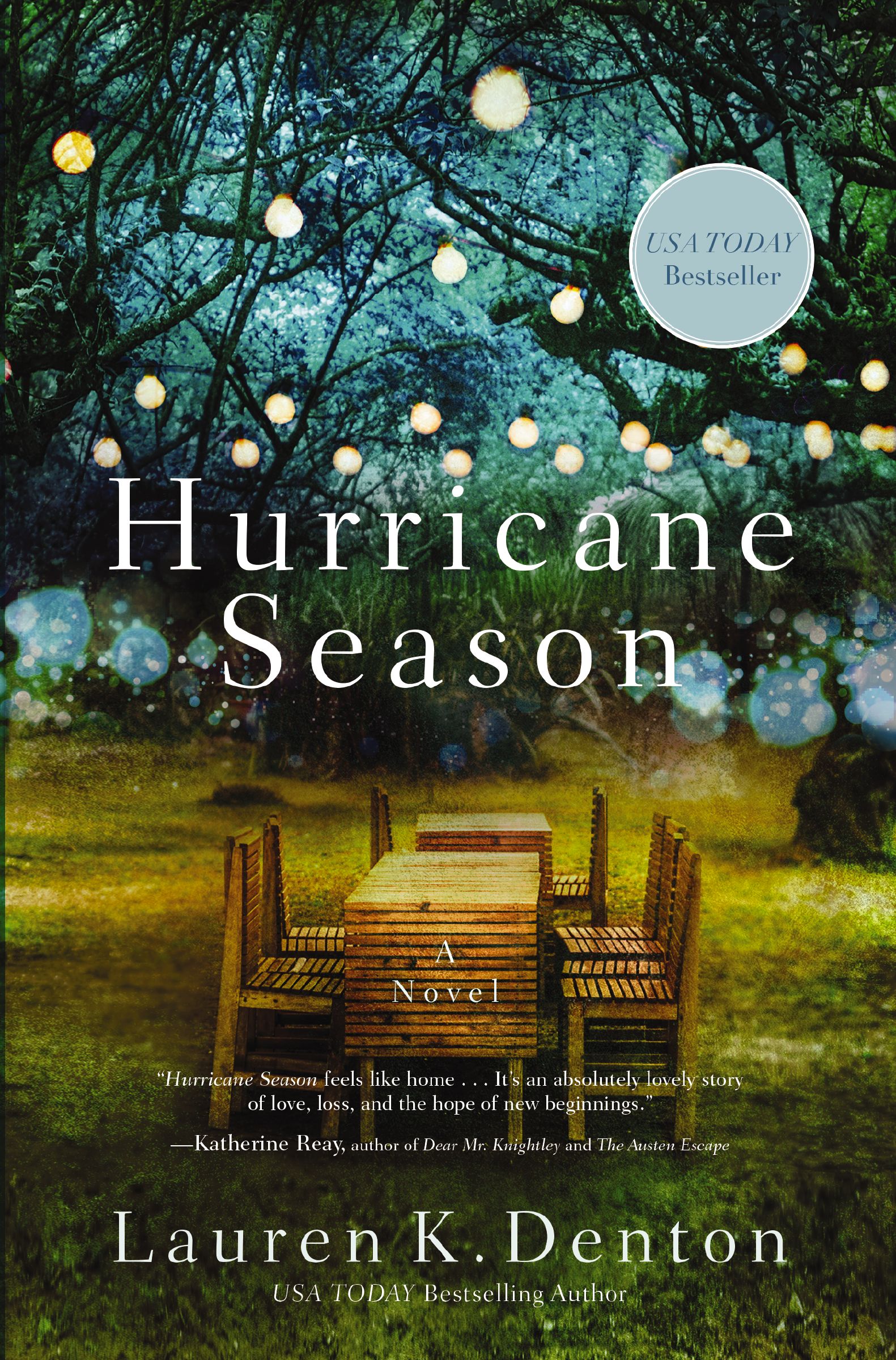
Hurricane Season

Falter: Has the Human Game Begun to Play Itself Out?
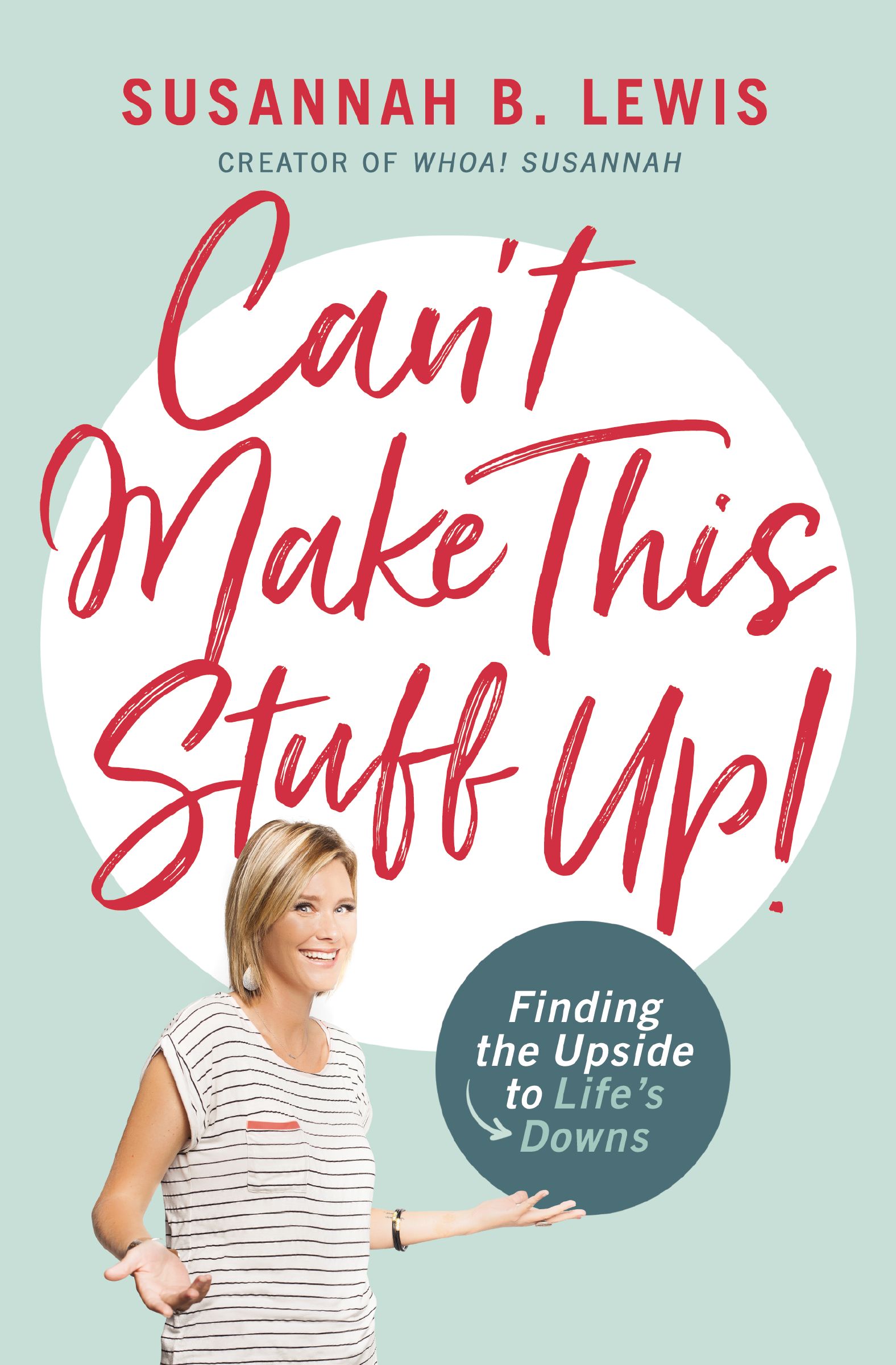
Can't Make This Stuff Up!: Finding the Upside to Life's Downs

You Be You: Detox Your Life, Crush Your Limitations, and Own Your Awesome

There Was an Old Lady Who Swallowed a Chick!

The Book Club

Good Night, Little Blue Truck

Row, Row, Row Your Boat (Indestructibles Series)

Going to School

We Are Not Friends (You Are Not Small)
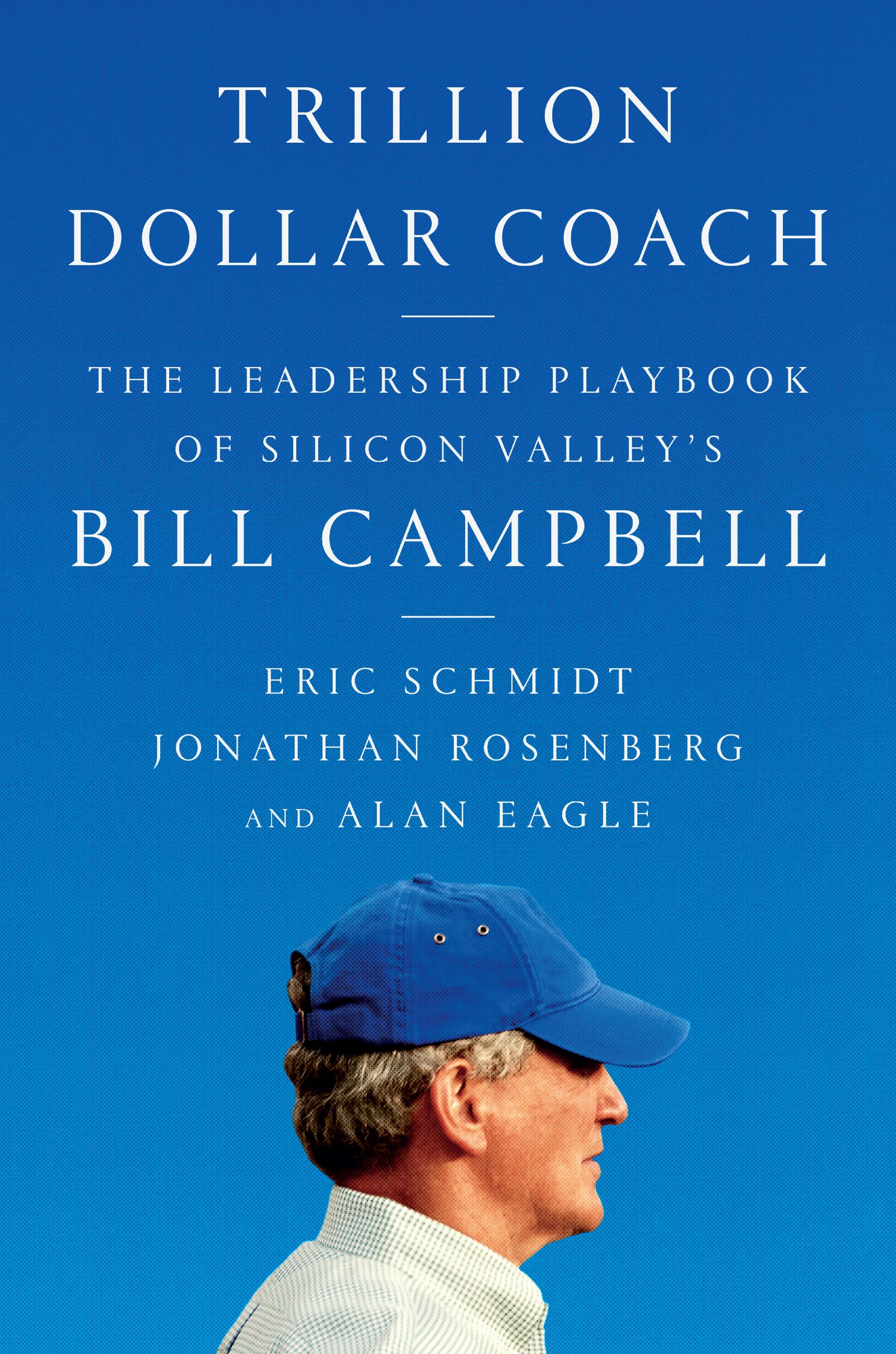
Trillion Dollar Coach: The Leadership Playbook of Silicon Valley's Bill Campbell

American Moonshot: John F. Kennedy and the Great Space Race

Settings
Reflow text when sidebars are open.
