
- Browse Category
Subjects
 We Begin at the EndLearn More
 - Choice Picks
- Top 100 Free Books
- Blog
- Recently Added
- Submit your eBook
- Browse Category
We Begin at the EndLearn More
- Choice Picks
- Top 100 Free Books
- Blog
- Recently Added
- Submit your eBook
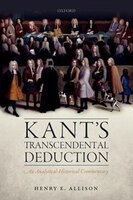
Kant's Transcendental Deduction: An Analytical-Historical Commentary
2021-01-09 03:23:47
Henry E. Allison presents an analytical and historical commentary on Kant`s transcendental deduction of the pure concepts of the understanding in the Critique of Pure Reason. He argues that, rather than providing a new solution to an old problem (ref...
Read more
Henry E. Allison presents an analytical and historical commentary on Kant`s transcendental deduction of the pure concepts of the understanding in the Critique of Pure Reason. He argues that, rather than providing a new solution to an old problem (refuting a global skepticism regarding theobjectivity of experience), it addresses a new problem (the role of a priori concepts or categories stemming from the nature of the understanding in grounding this objectivity), and he traces the line of thought that led Kant to the recognition of the significance of this problem in his''pre-critical'' period. Allison locates four decisive steps in this process: the recognition that sensibility and understanding are distinct and irreducible cognitive powers, which Kant referred to as a ''great light'' of 1769; the subsequent realization that, though distinct, these powers only yieldcognition when they work together, which is referred to as the ''discursivity thesis'' and which led directly to the distinction between analytic and synthetic judgments and the problem of the synthetic a priori; the discovery of the necessary unity of apperception as the supreme norm governingdiscursive cognition; and the recognition, through the influence of Tetens, of the role of the imagination in mediating between sensibility and understanding. In addition to the developmental nature of the account of Kant`s views, two distinctive features of Allison''sreading of the deduction are adefense of Kant`s oft criticized claim that the conformity of appearances to the categories must be unconditionally rather than merely conditionally necessary (the ''non-contingency thesis'') and an insistence that the argument cannot be separated from Kant`s transcendental idealism (the''non-separability thesis'').
Less

Compare Prices
| Store | Availability | Book Format | Condition | Price |
|---|---|---|---|---|
| Indigo Books & Music | In Stock | Paperback | Paperback | Buy CAD 57.95 |
Available Discount
No Discount available
Related Books
View All
You Be You: Detox Your Life, Crush Your Limitations, and Own Your Awesome

Commander in Cheat: How Golf Explains Trump

The Book Club
American Moonshot: John F. Kennedy and the Great Space Race
Clean & Lean: 30 Days, 30 Foods, a New You!
Diary of an Awesome Friendly Kid: Rowley Jefferson's Journal

Row, Row, Row Your Boat (Indestructibles Series)

There Was an Old Lady Who Swallowed a Chick!

Life Will Be the Death of Me: ...And You Too!

Can't Make This Stuff Up!: Finding the Upside to Life's Downs

We Are Not Friends (You Are Not Small)

Feed Your Best Friend Better: Easy, Nutritious Meals and Treats for Dogs
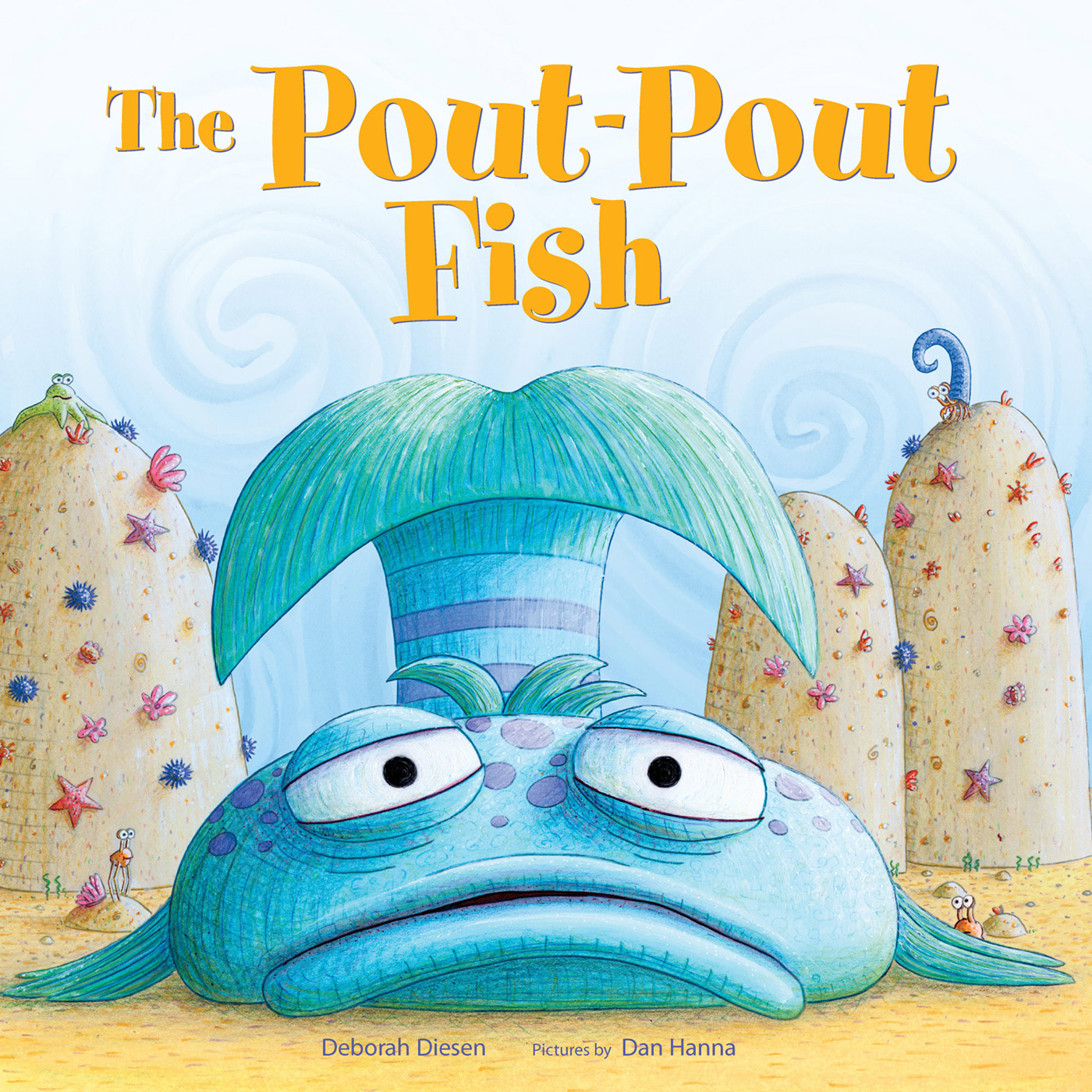
The Pout-Pout Fish

House of Shadows: An Enthralling Historical Mystery

Twinkle, Twinkle, Little Star (Indestructibles Series)

Going to School

The Wonderful Things You Will Be

The Silent Woman (Cat Carlisle, Book 1)

Good Night, Little Blue Truck
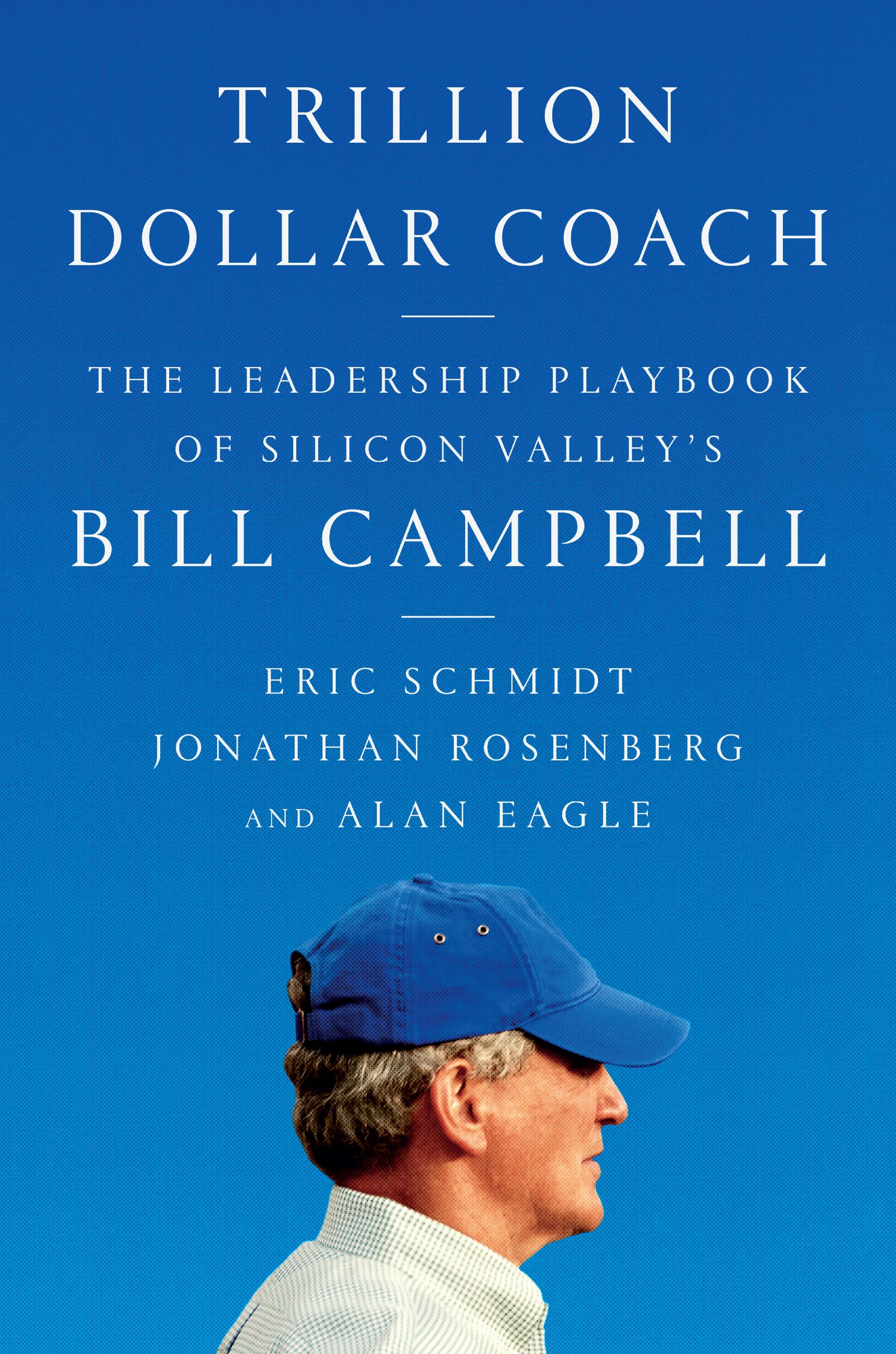
Trillion Dollar Coach: The Leadership Playbook of Silicon Valley's Bill Campbell
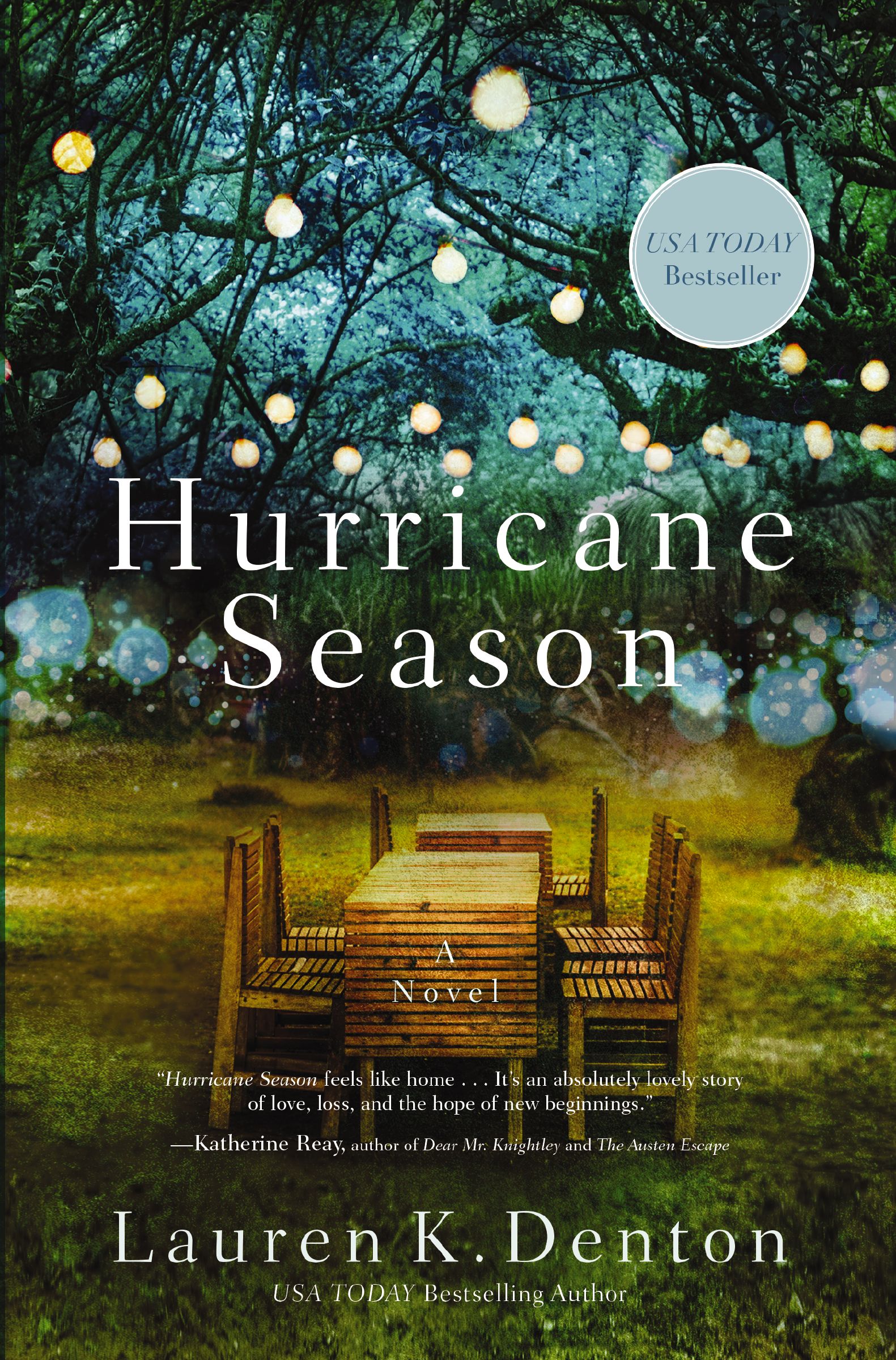
Hurricane Season
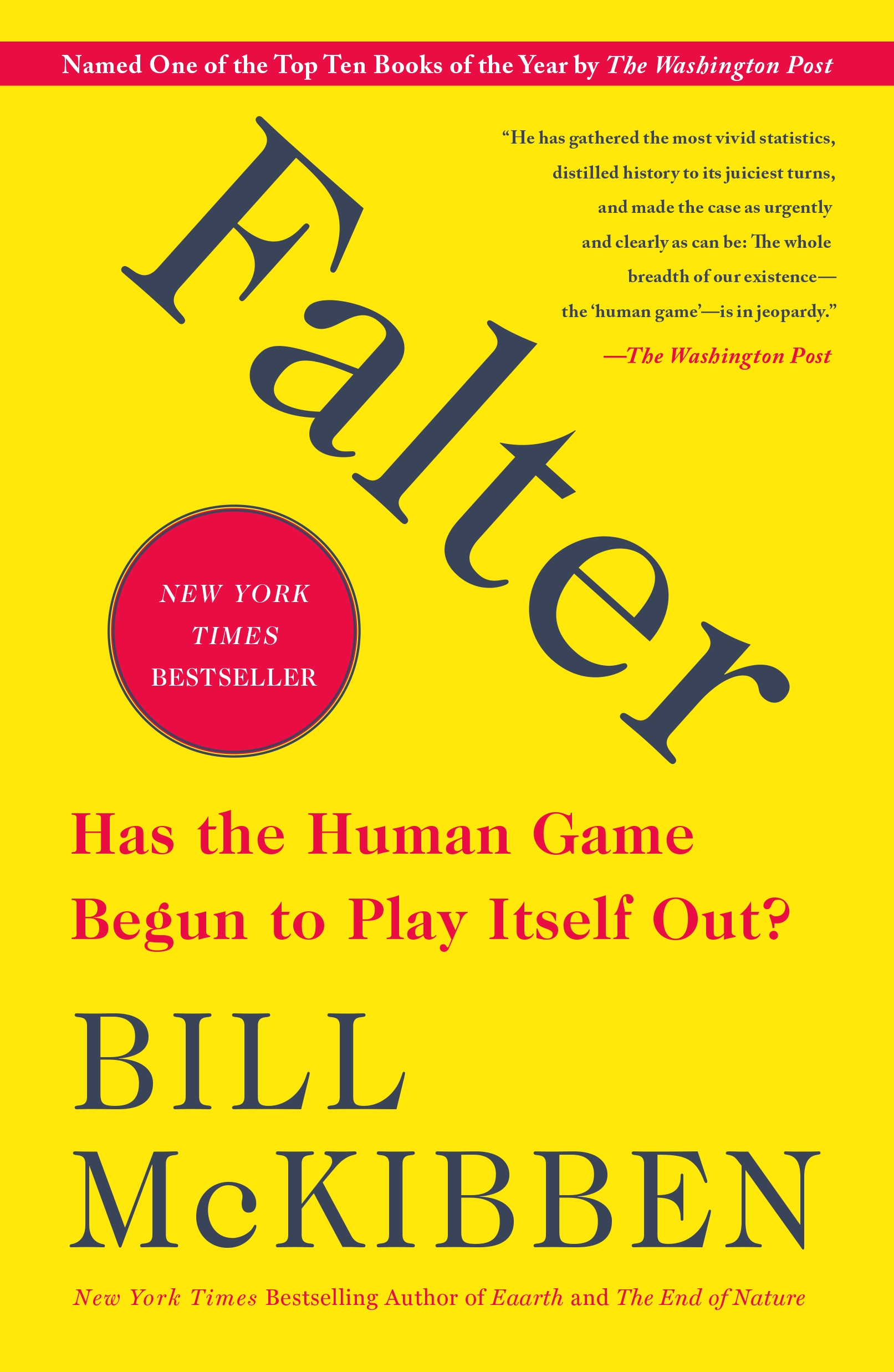
Falter: Has the Human Game Begun to Play Itself Out?

The Secret Wife: A captivating story of romance, passion and mystery

Made for Me

Secrets Between Us: An absolutely gripping psychological thriller

Settings
Reflow text when sidebars are open.
