
- Browse Category
Subjects
 We Begin at the EndLearn More
 - Choice Picks
- Top 100 Free Books
- Blog
- Recently Added
- Submit your eBook
- Browse Category
We Begin at the EndLearn More
- Choice Picks
- Top 100 Free Books
- Blog
- Recently Added
- Submit your eBook

Mars 2020 Exploration Rover Mission: Overview and Report of the Mars 2020 Science Definition Team (Mustard Report) - Potential Martian Biosignatures,
2021-04-06 23:37:28
This comprehensive ebook provides a complete guide to the ongoing plans for NASA's Mars 2020 rover mission. The Mars 2020 mission would explore a site likely to have been habitable, seek signs of past life, fill a returnable cache with the most compe...
Read more
This comprehensive ebook provides a complete guide to the ongoing plans for NASA's Mars 2020 rover mission. The Mars 2020 mission would explore a site likely to have been habitable, seek signs of past life, fill a returnable cache with the most compelling samples, and demonstrate technology needed for the future human and robotic exploration of Mars. There is a reproduction of the Mustard Report - the report of the Mars 2020 Science Definition Team (SDT) headed by Jack Mustard.Contents: Objective A: Explore an Astrobiologically Relevant Ancient Environment on Mars to Decipher its Geological Processes and History, Including the Assessment of Past Habitability * Deciphering Geological Processes and History * Assessment of Past Habitability * Measurement Options and Priorities * Science Objectives Flow to Measurement Types * Implementation Options for Objective A * Objective B: Assess the Biosignature Potential Preservation Within the Selected Geological Environment and Search for Potential Biosignatures * Understanding Biosignatures and their Environmental Context on Earth * Potential Martian Biosignatures In Their Environmental Context * Organic Matter and Biosignatures * Objective C: Demonstrate Significant Technical Progress Towards the Future Return of Scientifically Selected, Well-Documented Samples to Earth * Attributes of a Returnable Cache * Objective D-1: Provide an Opportunity for Contributed HEOMD Participation, Compatible with the Science Payload and Within the Mission's Payload Capacity * ISRU * MEDLI+ * Surface Weather Station * Biomarker Detector System * Objective D-2: Provide an Opportunity for Contributed Space Technology Program (STP) Participation, Compatible with the Science Payload and Within the Mission's Payload Capacity * Range Trigger (high priority) * Terrain-Relative Navigation (high priority) * MEDLI (high priority) * MEDLI+Up (high priority) * Terminal Hazard Avoidance (medium-high priority) * Direct-to-Earth Optical Communication Terminal (medium priority) * Proximity Optical Communication Terminal (low priority) * Other Entry, Descent, and Landing Enhancements (low priority) * Improved Surface Operational Productivity (low priority) * Payload Instrument Options * Introduction * Proposed strawman threshold payload options * Payload Science Support Capability * Sampling Depth * Number of Samples to be Cached * Sample Preservation/Curation * Contamination * Strategies for Recognizing Contamination in Martian Samples - Blanks, Witness Plates and Spacecraft Materials * The Tissint Case History * Sample Processing/Transfer System * Surface Preparation * Operations Concept and Strategies * Time Spent Driving * Time Spent Conducting Fieldwork * Time Spent Coring/Caching * Landing Site Selection * Importance of a Potential Extended Mission to Science of Mars Sample Return * Sites of Interest are Challenging to Reach * Where to Land * Back to Gale? * Proposed 2020 EDL Capabilities * Mars 2020 Rover: Modifications from MSL * Planetary Protection * Proposed Revised Scientific Objectives for Mars 2020
Less

Compare Prices
| Store | Availability | Book Format | Condition | Price |
|---|---|---|---|---|
| Barnes & Noble | In Stock | NOOK Book | NOOK Book | Buy USD 9.99 |
Available Discount
No Discount available
Related Books
View All
The Silent Woman (Cat Carlisle, Book 1)

Row, Row, Row Your Boat (Indestructibles Series)
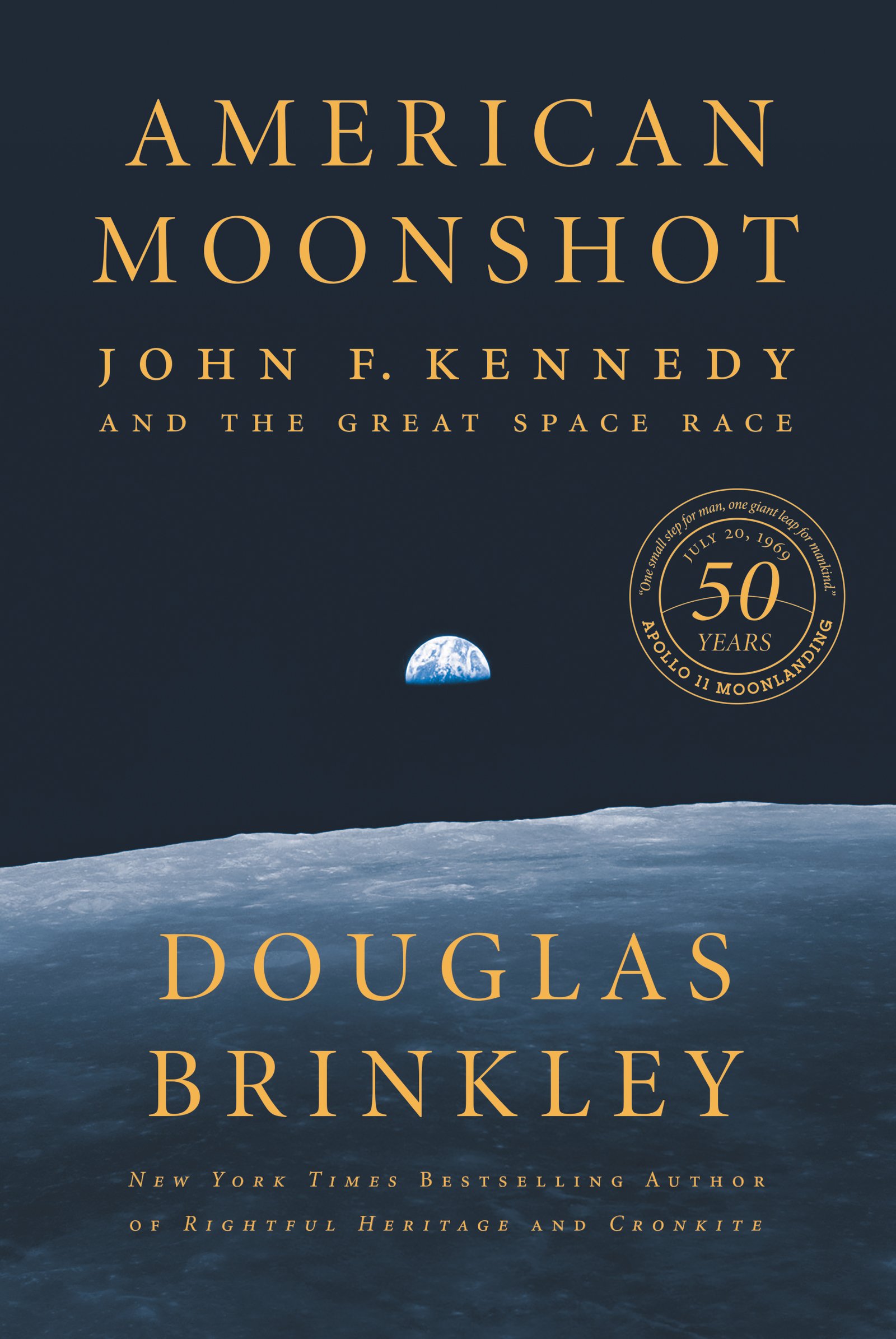
American Moonshot: John F. Kennedy and the Great Space Race

Secrets Between Us: An absolutely gripping psychological thriller

House of Shadows: An Enthralling Historical Mystery

We Are Not Friends (You Are Not Small)

Going to School
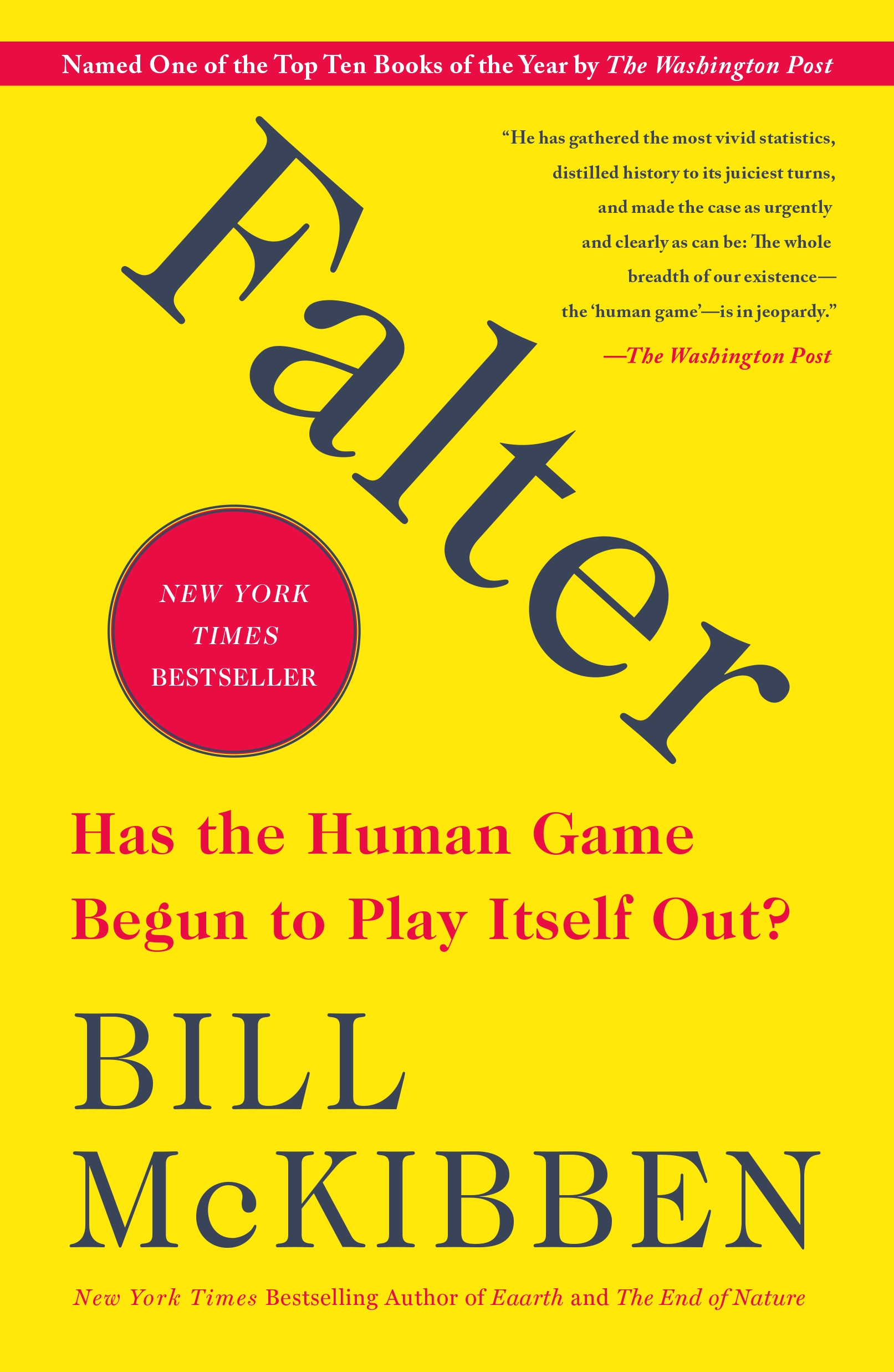
Falter: Has the Human Game Begun to Play Itself Out?

The Secret Wife: A captivating story of romance, passion and mystery
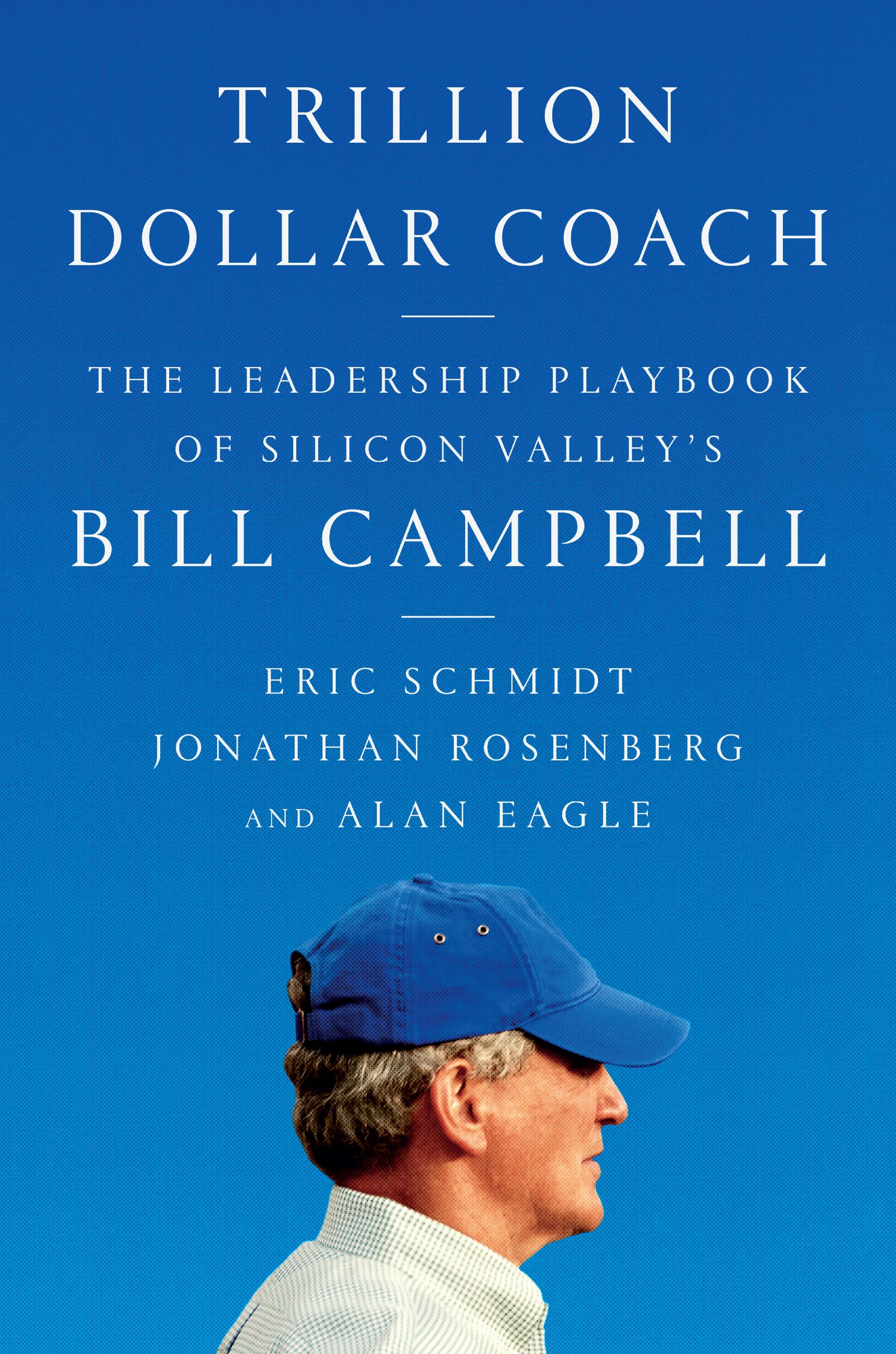
Trillion Dollar Coach: The Leadership Playbook of Silicon Valley's Bill Campbell

You Be You: Detox Your Life, Crush Your Limitations, and Own Your Awesome
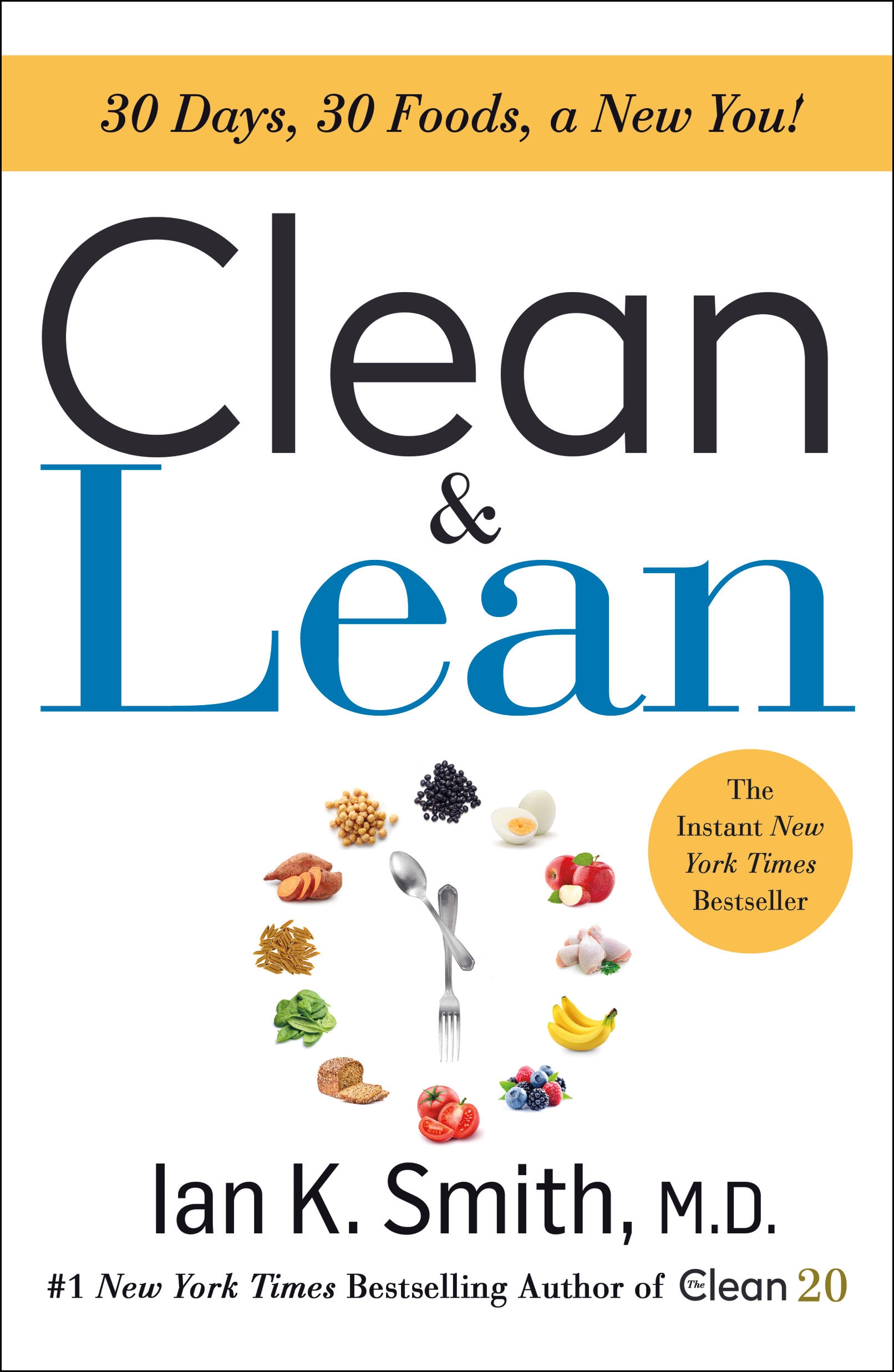
Clean & Lean: 30 Days, 30 Foods, a New You!

There Was an Old Lady Who Swallowed a Chick!

Feed Your Best Friend Better: Easy, Nutritious Meals and Treats for Dogs

Good Night, Little Blue Truck

Can't Make This Stuff Up!: Finding the Upside to Life's Downs

Life Will Be the Death of Me: ...And You Too!

The Book Club

Hurricane Season

Made for Me

The Wonderful Things You Will Be

Commander in Cheat: How Golf Explains Trump

Diary of an Awesome Friendly Kid: Rowley Jefferson's Journal
The Pout-Pout Fish

Twinkle, Twinkle, Little Star (Indestructibles Series)

Settings
Reflow text when sidebars are open.
