
- Browse Category
Subjects
 We Begin at the EndLearn More
 - Choice Picks
- Top 100 Free Books
- Blog
- Recently Added
- Submit your eBook
- Browse Category
We Begin at the EndLearn More
- Choice Picks
- Top 100 Free Books
- Blog
- Recently Added
- Submit your eBook
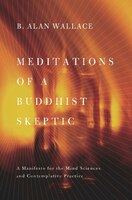
Meditations of a Buddhist Skeptic: A Manifesto for the Mind Sciences and Contemplative Practice
2020-11-25 10:12:40
A radical approach to studying the mind.Renowned Buddhist philosopher B. Alan Wallace reasserts the power of shamatha and vipashyana, traditional Buddhist meditations, to clarify the mind''s role in the natural world. Raising profound questions about...
Read more
A radical approach to studying the mind.
Renowned Buddhist philosopher B. Alan Wallace reasserts the power of shamatha and vipashyana, traditional Buddhist meditations, to clarify the mind''s role in the natural world. Raising profound questions about human nature, free will, and experience versus dogma, Wallace challenges the claim that consciousness is nothing more than an emergent property of the brain with little relation to universal events. Rather, he maintains that the observer is essential to measuring quantum systems and that mental phenomena (however conceived) influence brain function and behavior.
Wallace embarks on a two-part mission: to restore human nature and to transcend it. He begins by explaining the value of skepticism in Buddhism and science and the difficulty of merging their experiential methods of inquiry. Yet Wallace also proves that Buddhist views on human nature and the possibility of free will liberate us from the metaphysical constraints of scientific materialism. He then explores the radical empiricism inspired by William James and applies it to Indian Buddhist philosophy''s four schools and the Great Perfection school of Tibetan Buddhism.
Since Buddhism begins with the assertion that ignorance lies at the root of all suffering and that the path to freedom is reached through knowledge, Buddhist practice can be viewed as a progression from agnosticism (not knowing) to gnosticism (knowing), acquired through the maintenance of exceptional mental health, mindfulness, and introspection. Wallace discusses these topics in detail, identifying similarities and differences between scientific and Buddhist understanding, and he concludes with an explanation of shamatha and vipashyana and their potential for realizing the full nature, origins, and potential of consciousness.
Less
Compare Prices
| Store | Availability | Book Format | Condition | Price |
|---|---|---|---|---|
| BetterWorld.com - New, Used, Rare Books & Textbooks | In Stock | Buy USD 4.09 | ||
| Indigo Books & Music | In Stock | Buy CAD 37.00 | ||
| eBooks.com | In Stock | EPUB (encrypted) | EPUB (encrypted) | Buy AUD 27.49 |
Available Discount
No Discount available
Related Books
View All
We Are Not Friends (You Are Not Small)
The Pout-Pout Fish
Hurricane Season
American Moonshot: John F. Kennedy and the Great Space Race

Commander in Cheat: How Golf Explains Trump

Twinkle, Twinkle, Little Star (Indestructibles Series)
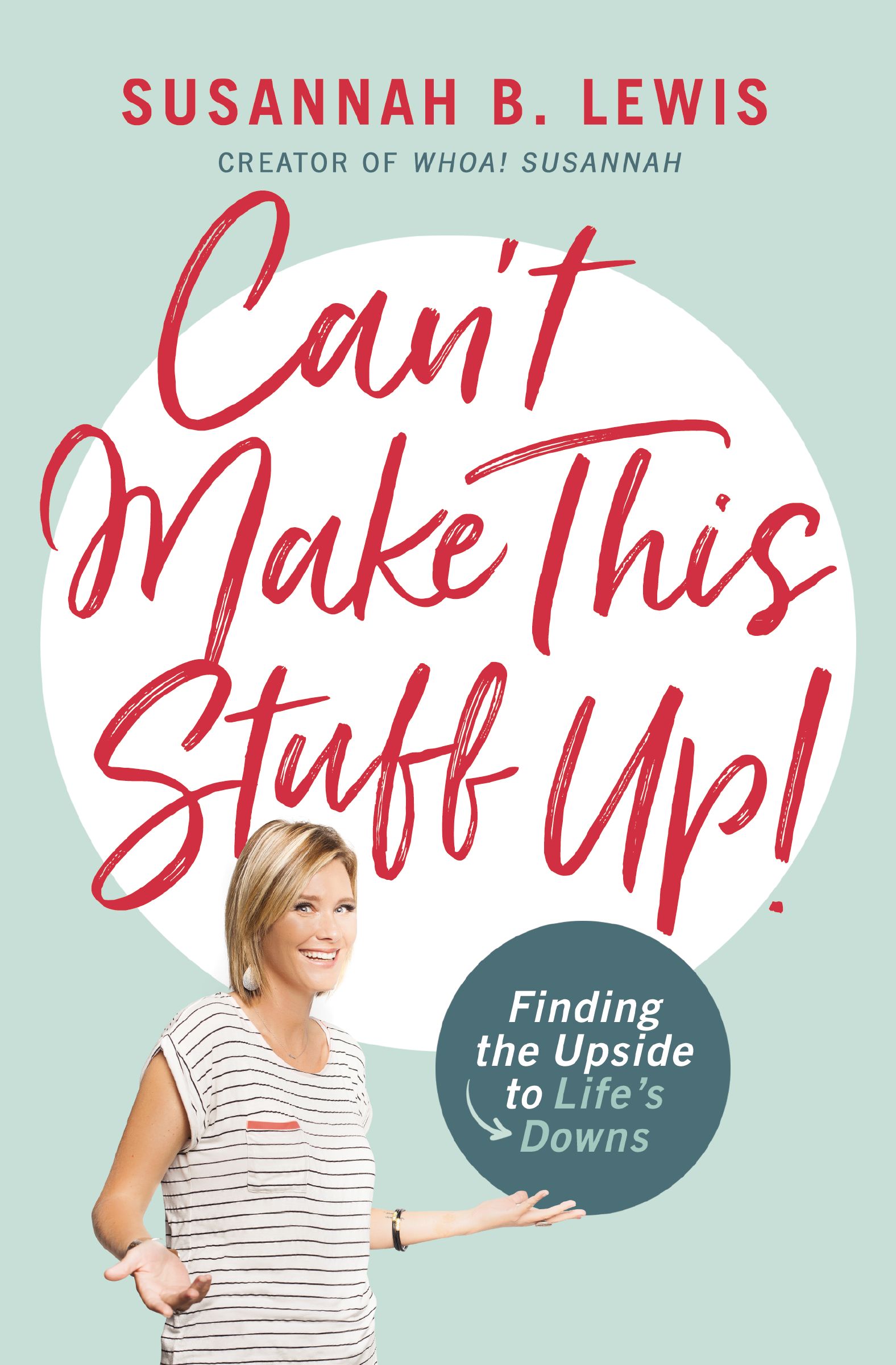
Can't Make This Stuff Up!: Finding the Upside to Life's Downs

The Silent Woman (Cat Carlisle, Book 1)

You Be You: Detox Your Life, Crush Your Limitations, and Own Your Awesome

Going to School

Good Night, Little Blue Truck

House of Shadows: An Enthralling Historical Mystery

Secrets Between Us: An absolutely gripping psychological thriller
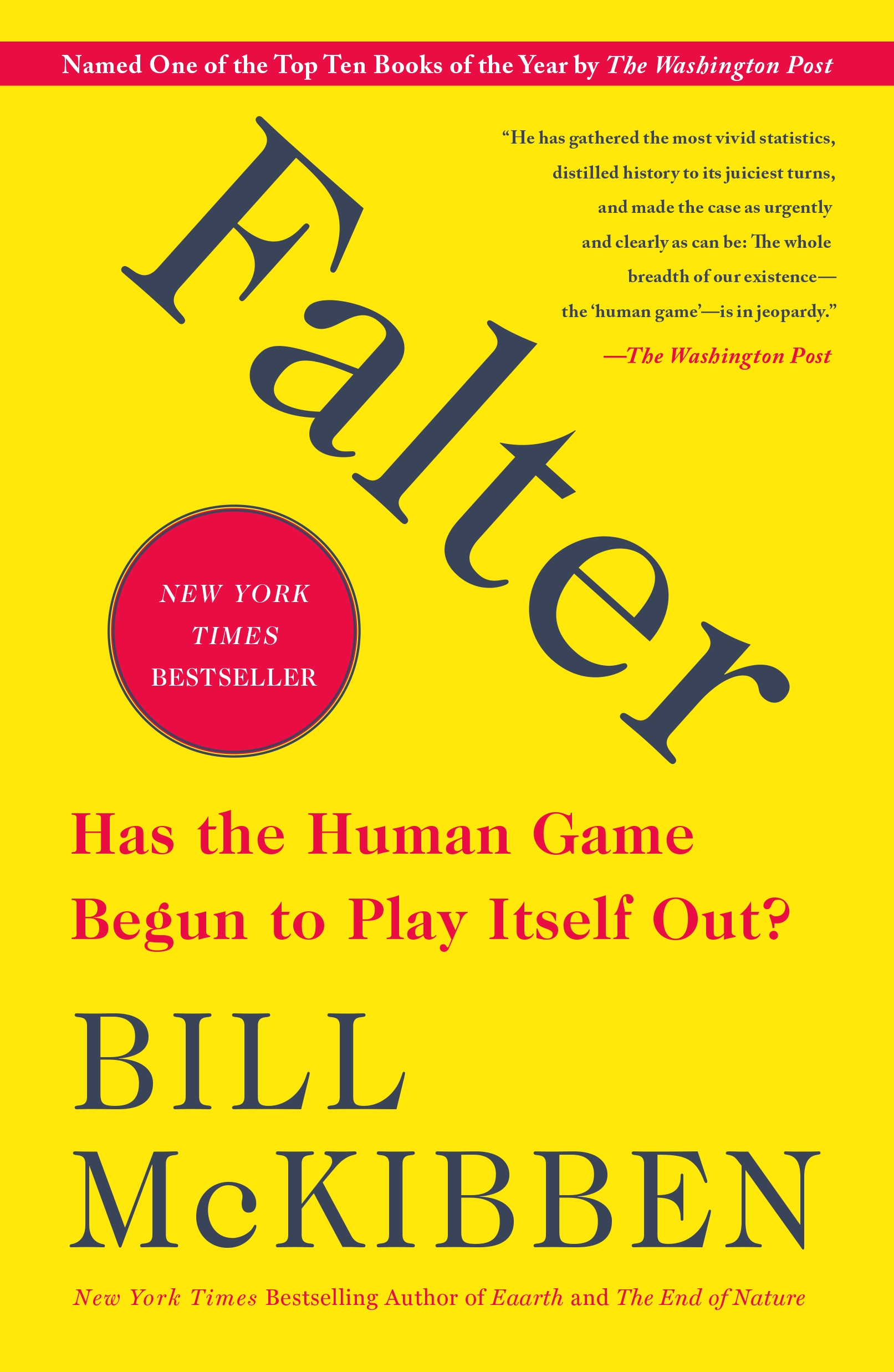
Falter: Has the Human Game Begun to Play Itself Out?

Life Will Be the Death of Me: ...And You Too!
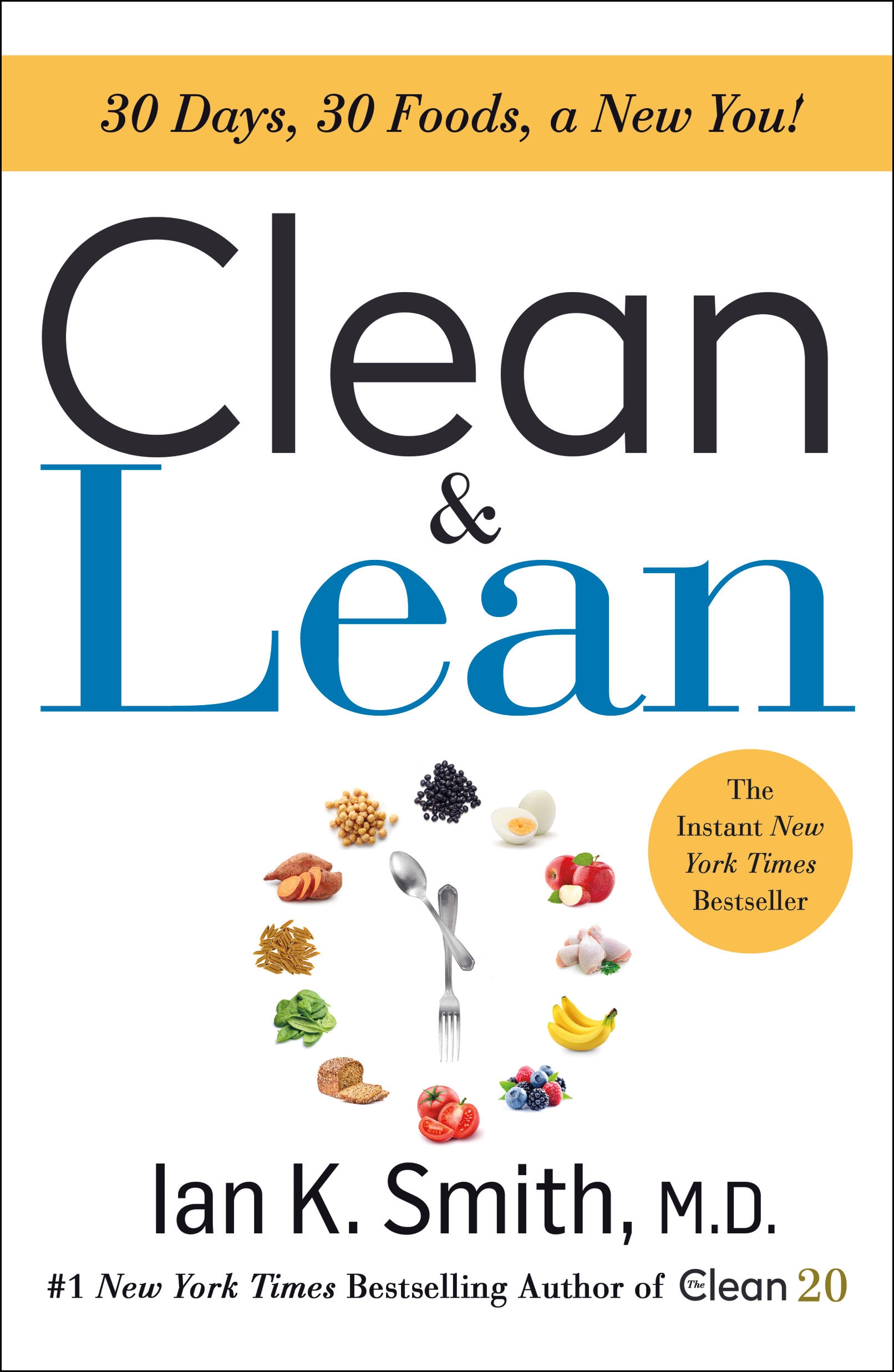
Clean & Lean: 30 Days, 30 Foods, a New You!

The Secret Wife: A captivating story of romance, passion and mystery

Feed Your Best Friend Better: Easy, Nutritious Meals and Treats for Dogs
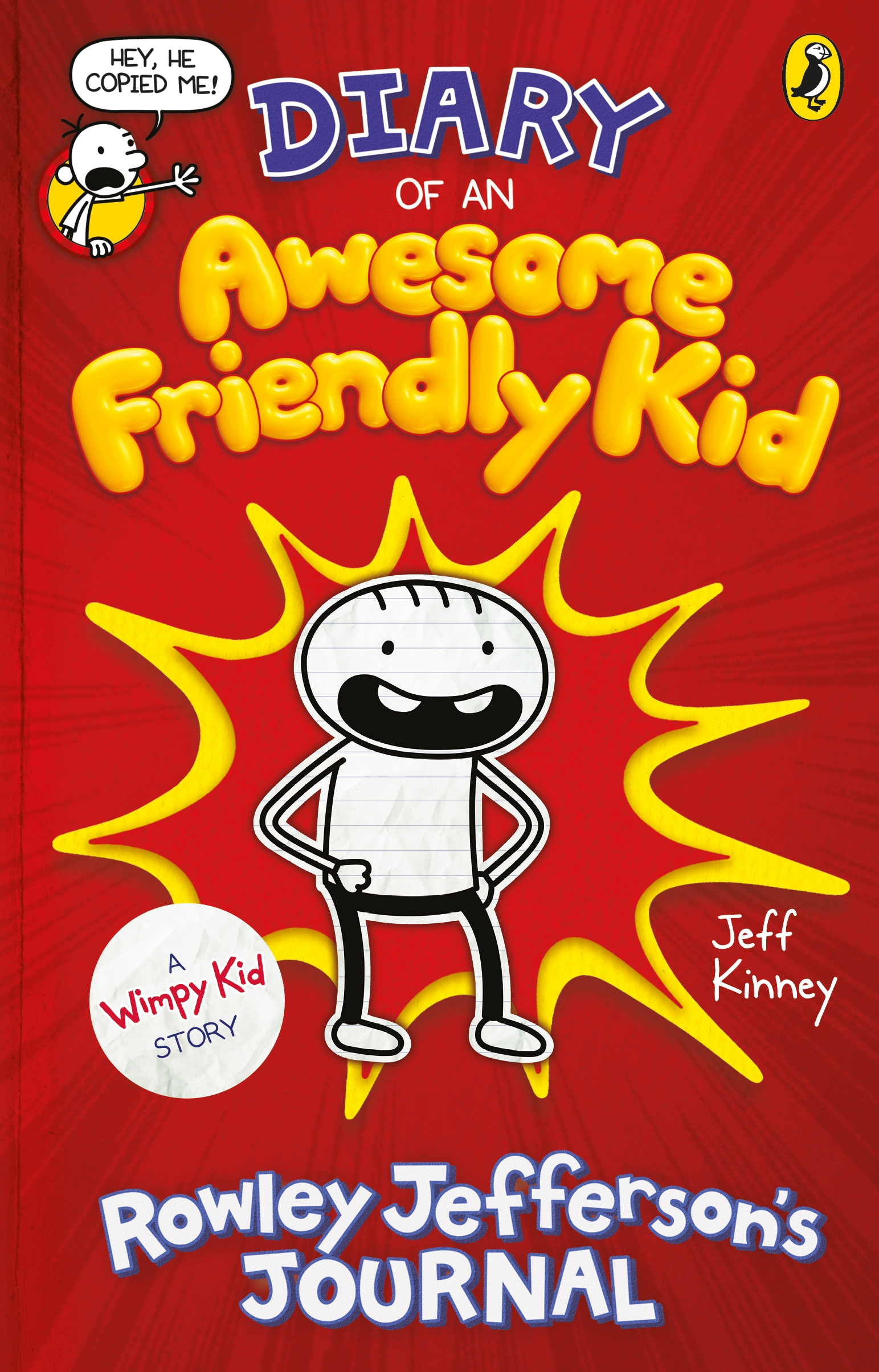
Diary of an Awesome Friendly Kid: Rowley Jefferson's Journal

Row, Row, Row Your Boat (Indestructibles Series)

Made for Me
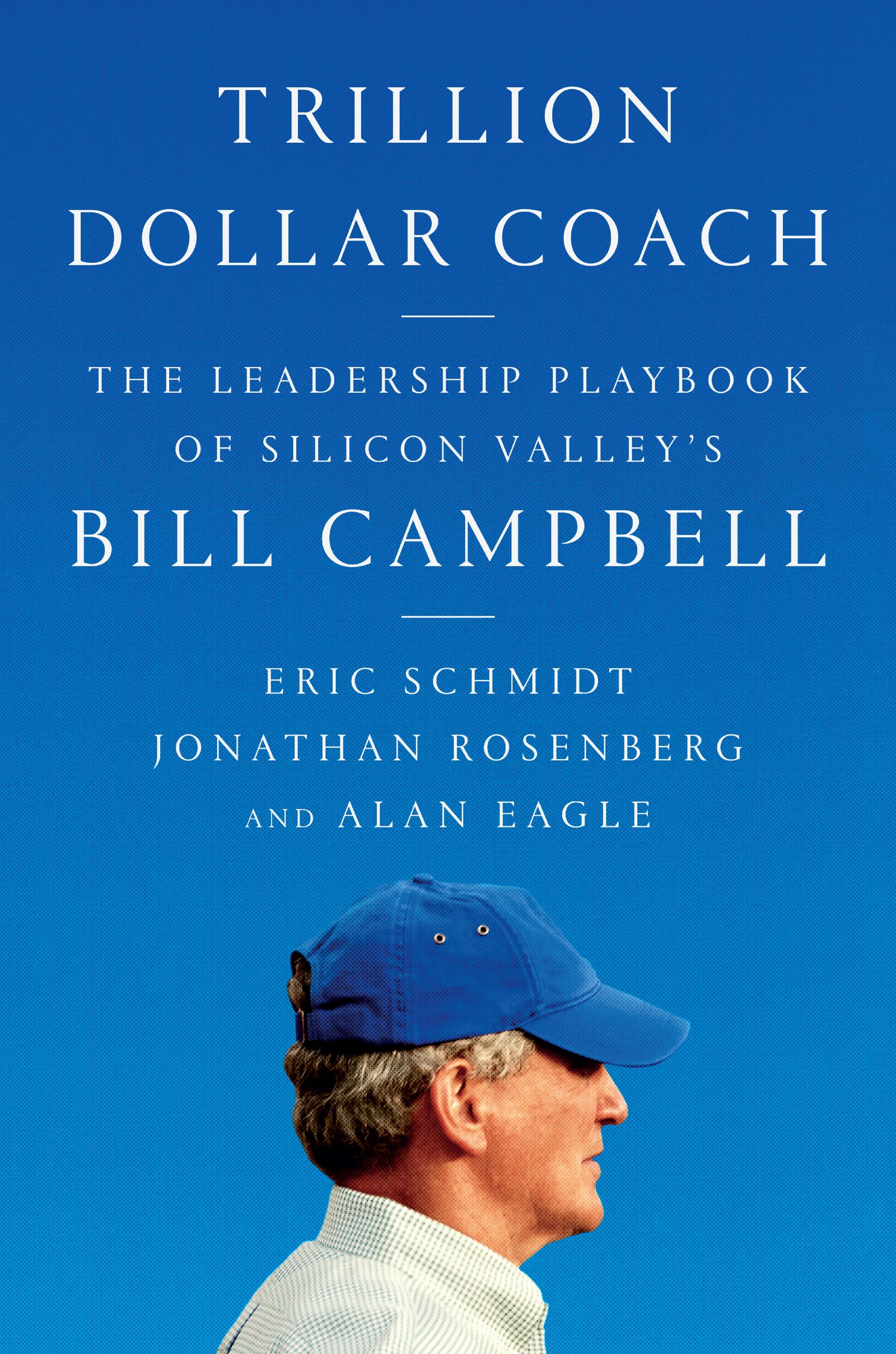
Trillion Dollar Coach: The Leadership Playbook of Silicon Valley's Bill Campbell

The Wonderful Things You Will Be

The Book Club

There Was an Old Lady Who Swallowed a Chick!

Settings
Reflow text when sidebars are open.
