
- Browse Category
Subjects
 We Begin at the EndLearn More
 - Choice Picks
- Top 100 Free Books
- Blog
- Recently Added
- Submit your eBook
- Browse Category
We Begin at the EndLearn More
- Choice Picks
- Top 100 Free Books
- Blog
- Recently Added
- Submit your eBook
NASA Space Exploration Report: International Space Station (ISS) - Lessons Learned as Applied to Exploration - Mission Objectives, Architecture, Opera
2021-04-11 19:35:14
As construction of the International Space Station (ISS) approached completion, and the program's Multilateral Coordination Board (MCB) reflected on the process, they thought it would be valuable to future exploration programs to capture the lessons ...
Read more
As construction of the International Space Station (ISS) approached completion, and the program's Multilateral Coordination Board (MCB) reflected on the process, they thought it would be valuable to future exploration programs to capture the lessons learned over the ISS design, development, assembly, and operations phases. A summary of this effort, as conducted by all of the ISS International Partners (the National Aeronautics and Space Administration, the Canadian Space Agency, the European Space Agency, the Japanese Aerospace Exploration Agency/Ministry of Education, Culture, Sports, Science and Technology, and the Russian Federal Space Agency), is provided below.The results are organized in seven categories: Category 1 - Mission Objectives * Category 2 - Architecture * Category 3 - International Partner Structure and Coordination * Category 4 - External Communications * Category 5 - Operations * Category 6 - Utilization * Category 7 - Commercial Involvement. Each lesson learned is accompanied by a corresponding application to future exploration programs.The ISS has proven to be an extremely valuable platform for exploring long-duration human stays in space. This is clearly necessary to prepare for human exploration of space beyond LEO. The uniqueness of ISS as a permanently occupied outpost in free fall provides an ideal testbed for determining the effects of long-duration spaceflight on humans, testing counter-measures against the health impacts and studying how accidental passengers such as micro-organisms interact with humans. In addition, the ISS allows us to perform many complex hypothesis-driven studies requiring human intervention or monitoring. This unique aspect should not be lost as we explore further out in space. Exploration science and technology should continue to take advantage of the human presence, the life-friendly environment and the possibility of long-duration free-fall study with the possibility of direct intervention that is only available on ISS.
Less

Compare Prices
| Store | Availability | Book Format | Condition | Price |
|---|---|---|---|---|
| Barnes & Noble | In Stock | NOOK Book | NOOK Book | Buy USD 9.99 |
Available Discount
No Discount available
Related Books
View All
The Silent Woman (Cat Carlisle, Book 1)

Secrets Between Us: An absolutely gripping psychological thriller
Hurricane Season

Feed Your Best Friend Better: Easy, Nutritious Meals and Treats for Dogs

You Be You: Detox Your Life, Crush Your Limitations, and Own Your Awesome
Can't Make This Stuff Up!: Finding the Upside to Life's Downs

Good Night, Little Blue Truck

The Book Club
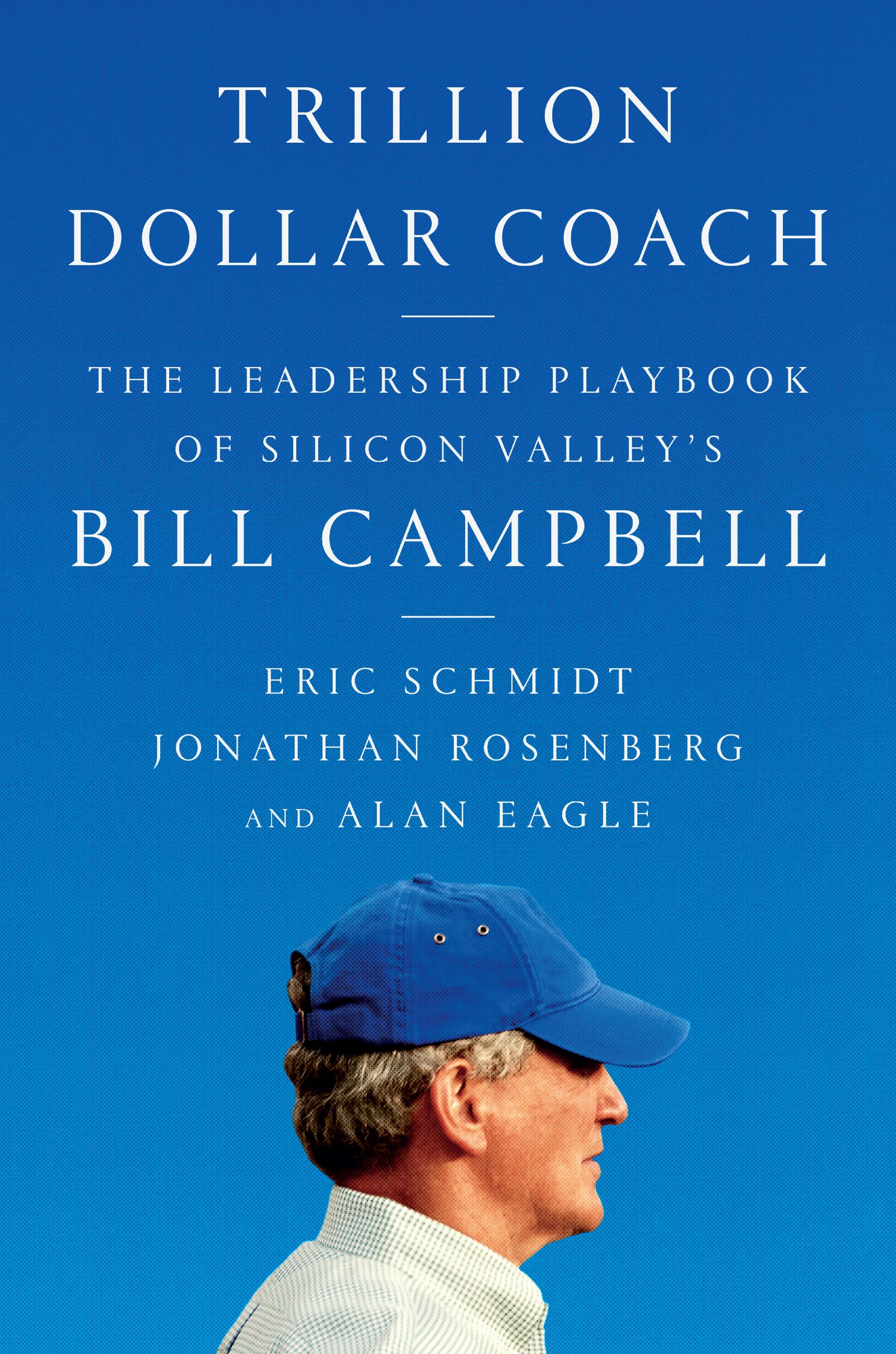
Trillion Dollar Coach: The Leadership Playbook of Silicon Valley's Bill Campbell

Commander in Cheat: How Golf Explains Trump

Made for Me

We Are Not Friends (You Are Not Small)
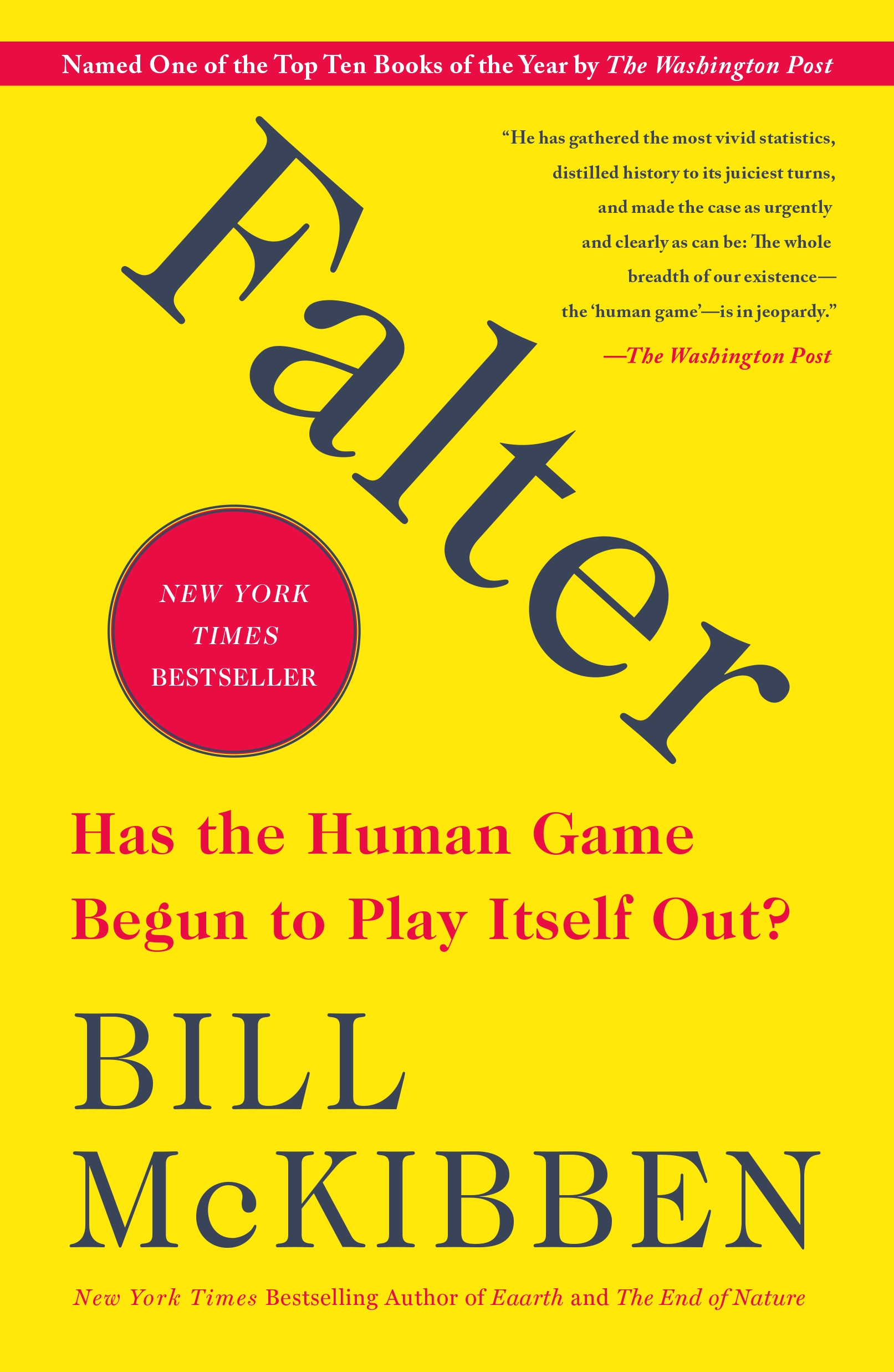
Falter: Has the Human Game Begun to Play Itself Out?

There Was an Old Lady Who Swallowed a Chick!
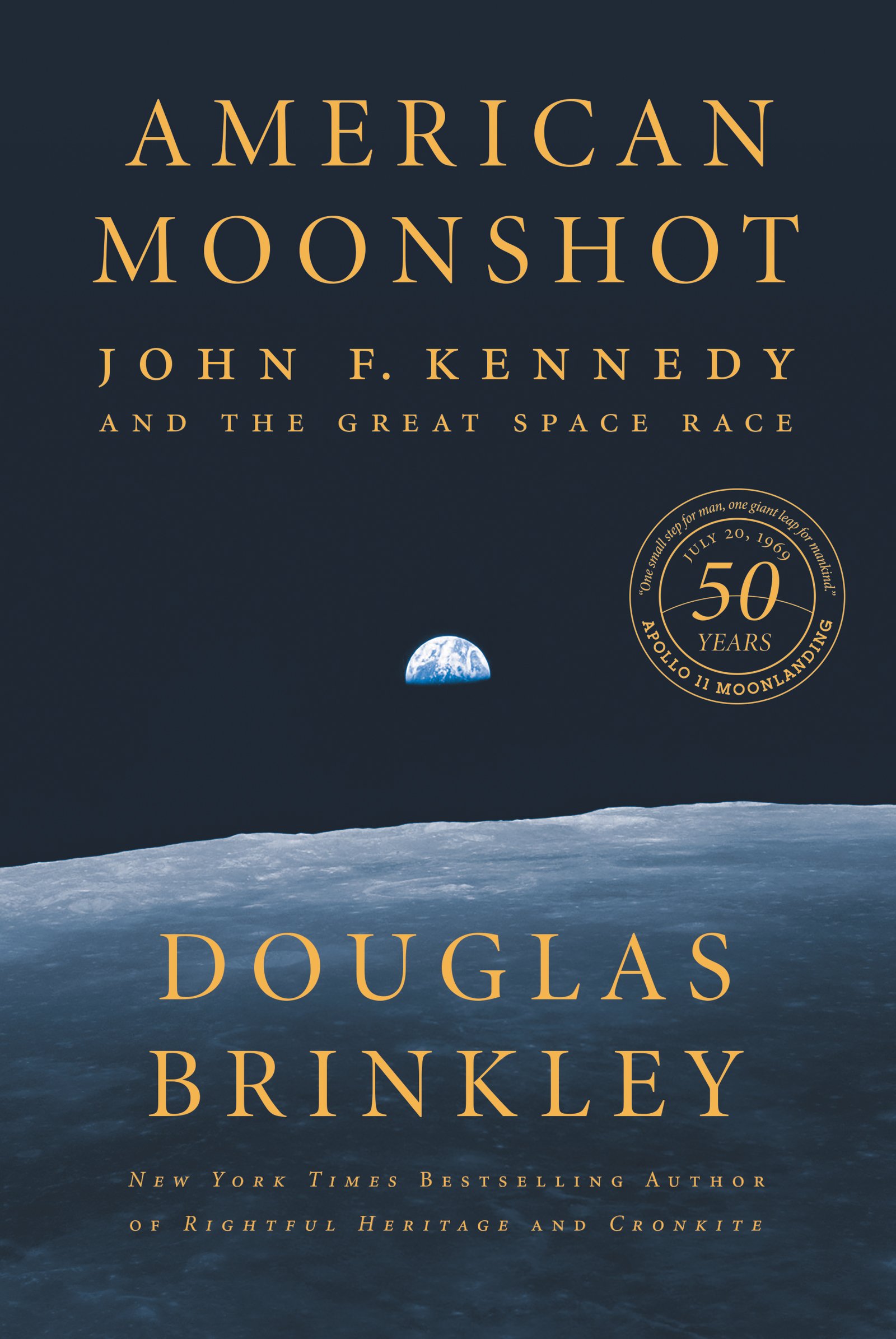
American Moonshot: John F. Kennedy and the Great Space Race

Going to School
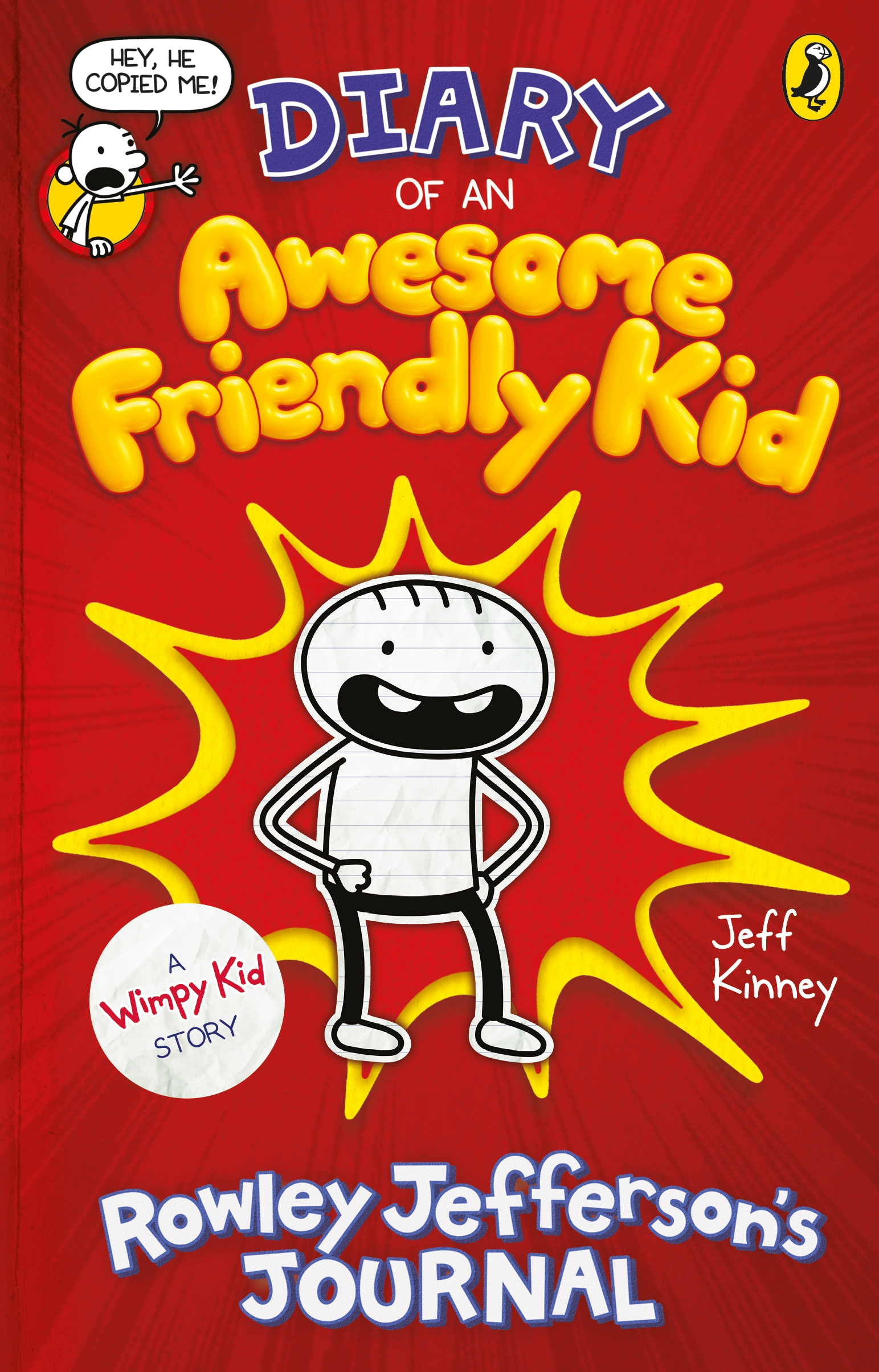
Diary of an Awesome Friendly Kid: Rowley Jefferson's Journal
The Pout-Pout Fish

Row, Row, Row Your Boat (Indestructibles Series)

Life Will Be the Death of Me: ...And You Too!

The Secret Wife: A captivating story of romance, passion and mystery

Twinkle, Twinkle, Little Star (Indestructibles Series)

The Wonderful Things You Will Be

House of Shadows: An Enthralling Historical Mystery
Clean & Lean: 30 Days, 30 Foods, a New You!

Settings
Reflow text when sidebars are open.
