
- Browse Category
Subjects
 We Begin at the EndLearn More
 - Choice Picks
- Top 100 Free Books
- Blog
- Recently Added
- Submit your eBook
- Browse Category
We Begin at the EndLearn More
- Choice Picks
- Top 100 Free Books
- Blog
- Recently Added
- Submit your eBook

Okinawan Martial Traditions, Vol. 3
2020-08-22 19:46:42
What would you like to obtain from your research and practice of an Okinawan martial art? For an academic, it would be to obtain historical and cultural facts and details. For a practitioner, it would be to gain expertise ...
Read more
What would you like to obtain from your research and practice of an Okinawan martial art? For an academic, it would be to obtain historical and cultural facts and details. For a practitioner, it would be to gain expertise in the combative skills. If you’re interested in both, this third of a three-volume anthology is assembled for your convenience to facilitate your endeavors. These volumes assemble a wealth of material originally published during the two decades when the Journal of Asian Martial Arts was in print.
Hundreds of pages and photographs present the richness of Okinawan martial traditions, from the original combatives to those influenced by Chinese and mainland Japanese martial art styles. The variety of topics shown in the table of contents indicate the depth and breath in the chapters, along with the authors who are well-known for their meticulous research and practical skills in specific arts.
These three volumes dive deep into the history and culture of Okinawan martial arts. You’ll find coverage of the actual artifacts—the material culture related to weaponry and training methods. Instructions from the masters details both open-hand techniques as well as with weapons. The chapters offer insights into the lives of many masters over the past few centuries, giving the raison d'être for these unique fighting arts—their reason for being.
Many streams of arts have contributed to the martial traditions found on the small island: Naha-te, Shuri-te, Fukien White Crane, Shorin, Goju, Motobu, Shotokan, Isshin, Kyokushin, Pwang Gai Noon, Shito, Uechi, and the list continues. . .
Along with the various styles come the associated training methods, such as conditioning exercises with weights and creatively designed apparatus, such as the punching post (makiwara), or stone lever and stone padlock-shaped weights. Some become battle-hardened by active and passive breaking of objects (tameshiwari), including wooden boards, baseball bats, rocks, and ice. The extensive use of weaponry is found in many Okinawan styles, often associated with their farming and fishing occupations.
Such a blend of history and culture make the Okinawan fighting traditions a fascinating field of study. Besides being such vital sources of information, these three volumes will prove enjoyable reading and permanent at-hand reference sources in your library.

Compare Prices
| Store | Availability | Book Format | Condition | Price |
|---|---|---|---|---|
| Walmart eBooks by Rakuten Kobo | In Stock | Buy USD 9.99 |
Available Discount
No Discount available
Related Books
View All
253 - 50 Shooting Targets 8.5 x 11 - Silhouette, Target or Bullseye: Great for all Firearms, Rifles, Pistols, AirSoft, BB, Archery & Pellet Guns! Sho

Karate Basics: Everything You Need to Get Started in Karate - from Basic Punches to Training and Tournaments

A Guerrilla Guide to Self-Defense: A Workbook For Getting Home

Sex, Lies and Triathlon
242 - 50 Shooting Targets 8.5 x 11 - Silhouette, Target or Bullseye: Great for all Firearms, Rifles, Pistols, AirSoft, BB, Archery & Pellet Guns! Sho

À la semaine prochaine, si Dieu le veut: L'histoire inédite de la lutte professionnelle au Québec
The Spiritual Practices of the Ninja: Mastering the Four Gates to Freedom

Marathoning - Start to Finish
Sculpting Your Shoulders & Arms With Bells & Bars
Asayama Ichiden Ryu Kaisetsu Densho: Explanation of Techniques
Taekwondo: The Unity of Body, Mind and Spirit
Über Grenzen laufen Dr.
Becoming an Ironman: First Encounters with the Ultimate Endurance Event Kara

251 - 50 Shooting Targets 8.5 x 11 - Silhouette, Target or Bullseye: Great for all Firearms, Rifles, Pistols, AirSoft, BB, Archery & Pellet Guns! Sho

An Introduction to Trail & Fell Running
Force and Single Strike Damage

Brazilian Jiu Jitsu Training Journal
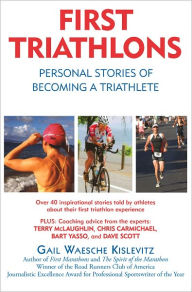
First Triathlons: Personal Stories of Becoming a Triathlete Gail

365-Day X2 Running Journal 2020 ( For 2 Year): Running Logbook , Log Workouts, Improve Your Runs, Stay Motivated

Sambo: tactics of throws
239 - 50 Shooting Targets 8.5 x 11 - Silhouette, Target or Bullseye: Great for all Firearms, Rifles, Pistols, AirSoft, BB, Archery & Pellet Guns! Sho
Kempo-Jitsu Pre 1900 Martial Art: Vol. 2: The Flow Of Combat
226 - 50 Shooting Targets 8.5 x 11 - Silhouette, Target or Bullseye: Great for all Firearms, Rifles, Pistols, AirSoft, BB, Archery & Pellet Guns! Sho

Into the Woods
¿Cómo correr?: Un nuevo paradigma para correr

Settings
Reflow text when sidebars are open.
