
- Browse Category
Subjects
 We Begin at the EndLearn More
 - Choice Picks
- Top 100 Free Books
- Blog
- Recently Added
- Submit your eBook
- Browse Category
We Begin at the EndLearn More
- Choice Picks
- Top 100 Free Books
- Blog
- Recently Added
- Submit your eBook

Plant Growth Promoting Rhizobacteria for Horticultural Crop Protection
2021-01-06 17:18:22
The use of synthetic pesticides has undoubtedly resulted in the achievement of increased crop production. However, in recent times, there has been a considerable pressure on consumers and farmers to reduce or eliminate the use of synthetic pesticides...
Read more
The use of synthetic pesticides has undoubtedly resulted in the achievement of increased crop production. However, in recent times, there has been a considerable pressure on consumers and farmers to reduce or eliminate the use of synthetic pesticides in horticulture, since fruits and vegetables are consumed afresh. This concern has encouraged looking for better alternatives which are cheaper and eco-friendly than synthetic pesticides. It is well known that plant growth promoting rhizobacteria (PGPR) play an important role in maintaining crop and soil health through versatile mechanisms. There are two main outcomes or effects from beneficial microorganisms: enhanced plant growth and crop protection, both of which represent the two main constraints to agriculture.
The information on biomanagement of pests (insect and nematode pests, fungal, bacterial and viral/phytoplasma diseases) of horticultural crops (fruits, vegetables, plantation, spice, tuber, ornamental, medicinal and aromatic crops) using PGPR is very much scattered. There is no book at present which comprehensively and exclusively deals with the above aspects on horticultural crops. The present book deals with biomanagement of pests in horticultural crops in detail using PGPR. The present book deals with biomanagement of pests in horticultural crops in detail using PGPR. The present book is divided into six sections. The first section deals with the importance of PGPR including introduction, potential role of PGPR in agriculture, genera of PGPR, disease management, nematode management, insect pest management, integrated pest management, mechanism of biocontrol, mass production, formulation, delivery and commercialization. Pest management in tropical, sub-tropical and temperate fruit crops is dealt in Section II. The third section deals with pest management in Solanaceous, bulbous, Malvaceous, Cruciferous, Leguminous, Cucurbitaceous, leafy and root and tuber vegetable crops. Pest management in plantation and spice crops is in Section IV. Section V deals with pest management in ornamental, medicinal and aromatic crops. The last section deals with a road map ahead including challenges, future prospective and conclusions. The book is extensively illustrated with excellent quality photographs enhancing the quality of publication. The book is written in lucid style, easy to understand language along with adoptable recommendations involving eco-friendly components of IPM.
Less
Compare Prices
| Store | Availability | Book Format | Condition | Price |
|---|---|---|---|---|
| Indigo Books & Music | In Stock | Buy CAD 210.90 | ||
| Indigo Books & Music | In Stock | Hard Cover | Hard Cover | Buy CAD 197.70 |
Available Discount
No Discount available
Related Books
View All
Made for Me

The Silent Woman (Cat Carlisle, Book 1)

Feed Your Best Friend Better: Easy, Nutritious Meals and Treats for Dogs

We Are Not Friends (You Are Not Small)
Hurricane Season

Row, Row, Row Your Boat (Indestructibles Series)

Going to School

House of Shadows: An Enthralling Historical Mystery
Diary of an Awesome Friendly Kid: Rowley Jefferson's Journal
Commander in Cheat: How Golf Explains Trump

The Book Club
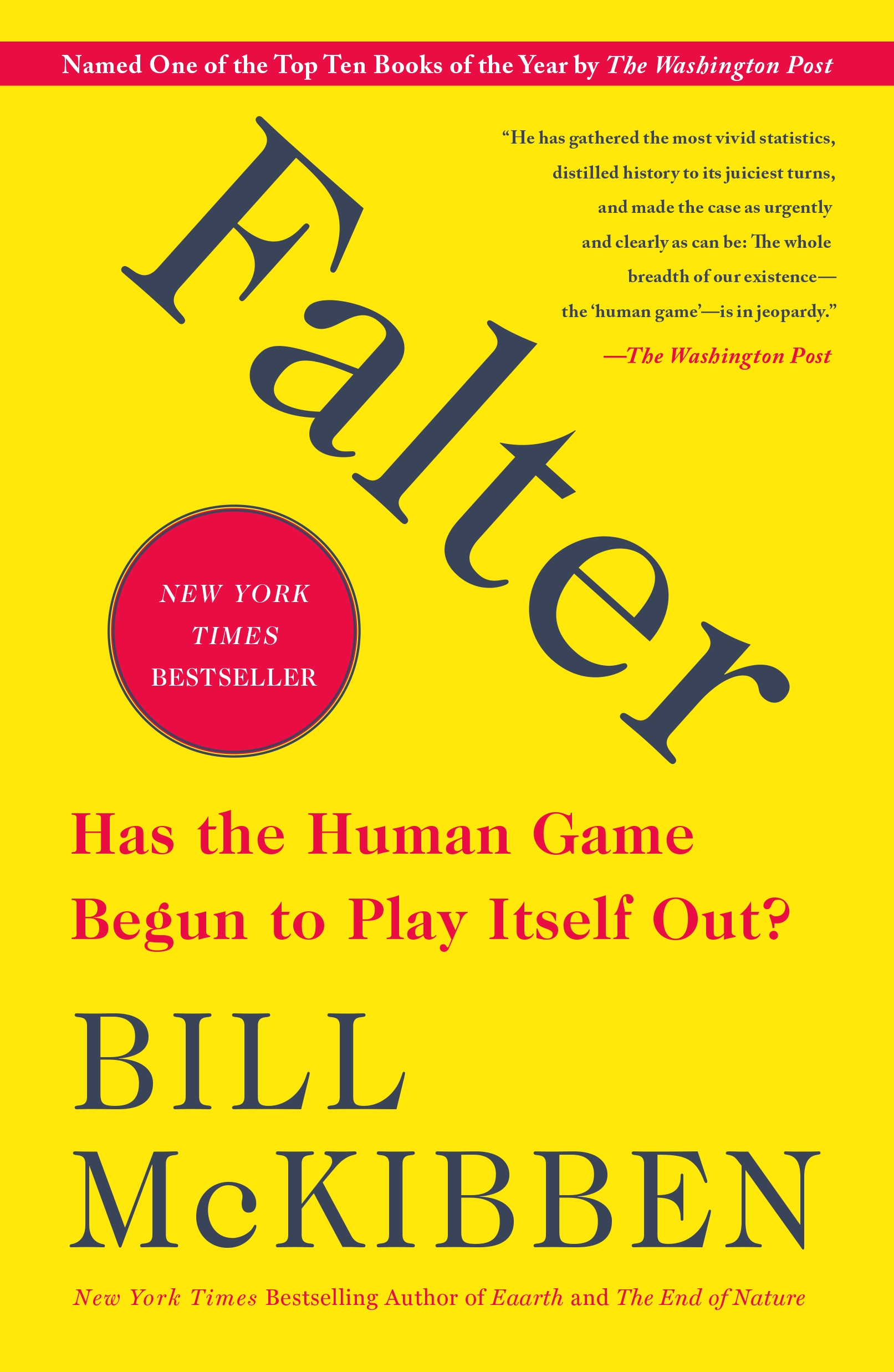
Falter: Has the Human Game Begun to Play Itself Out?

Good Night, Little Blue Truck
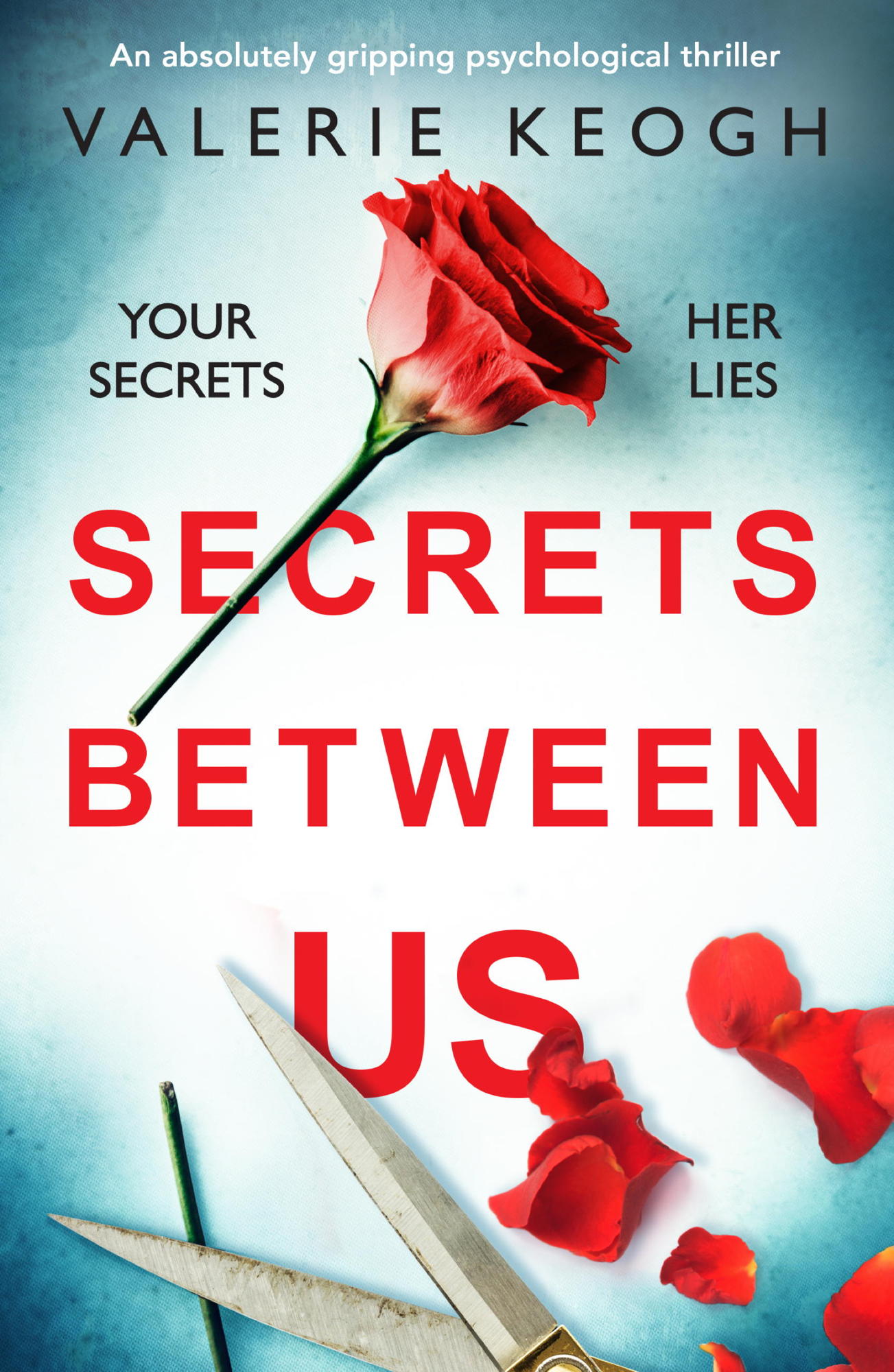
Secrets Between Us: An absolutely gripping psychological thriller

The Wonderful Things You Will Be
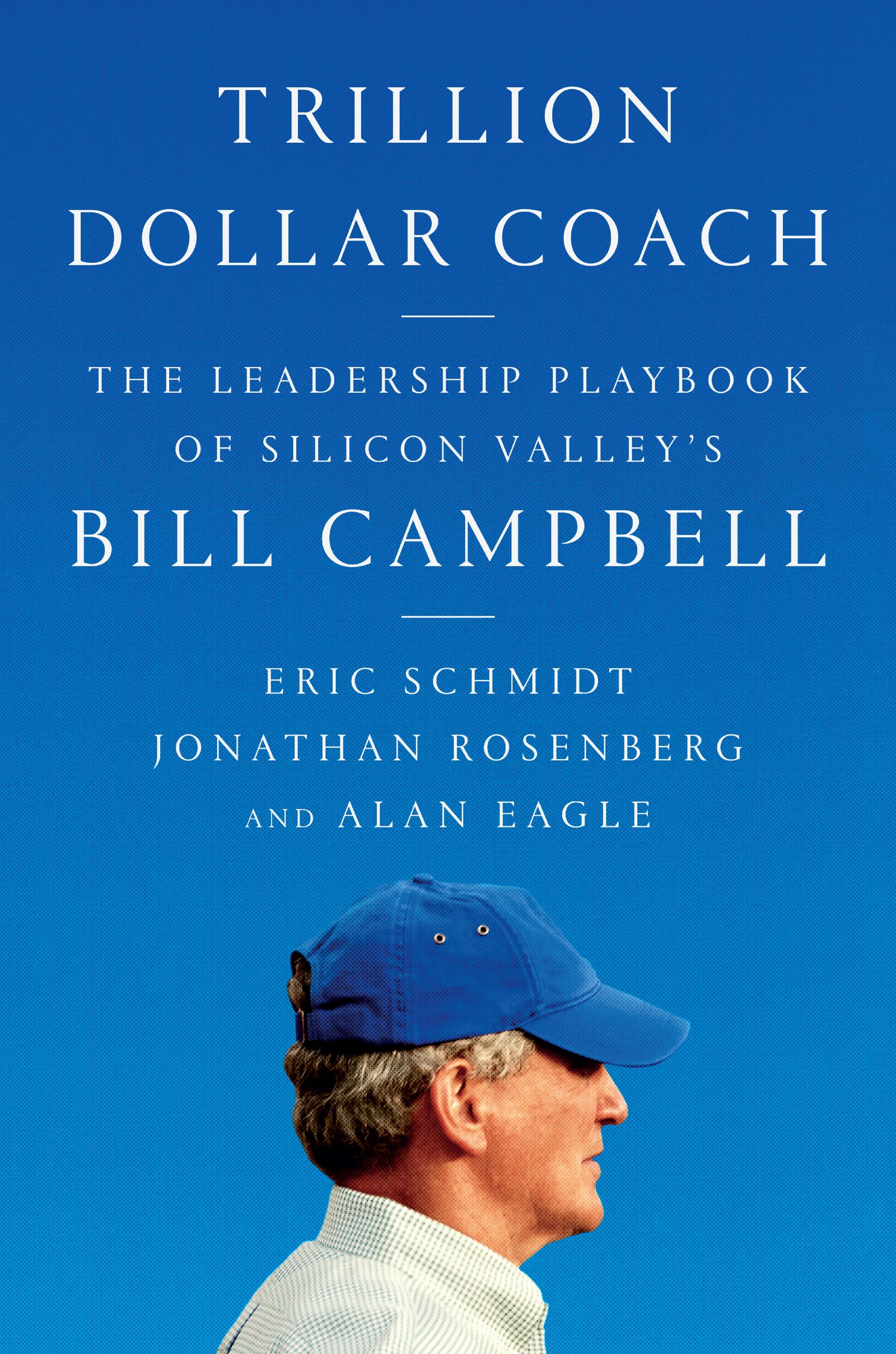
Trillion Dollar Coach: The Leadership Playbook of Silicon Valley's Bill Campbell

You Be You: Detox Your Life, Crush Your Limitations, and Own Your Awesome

Life Will Be the Death of Me: ...And You Too!
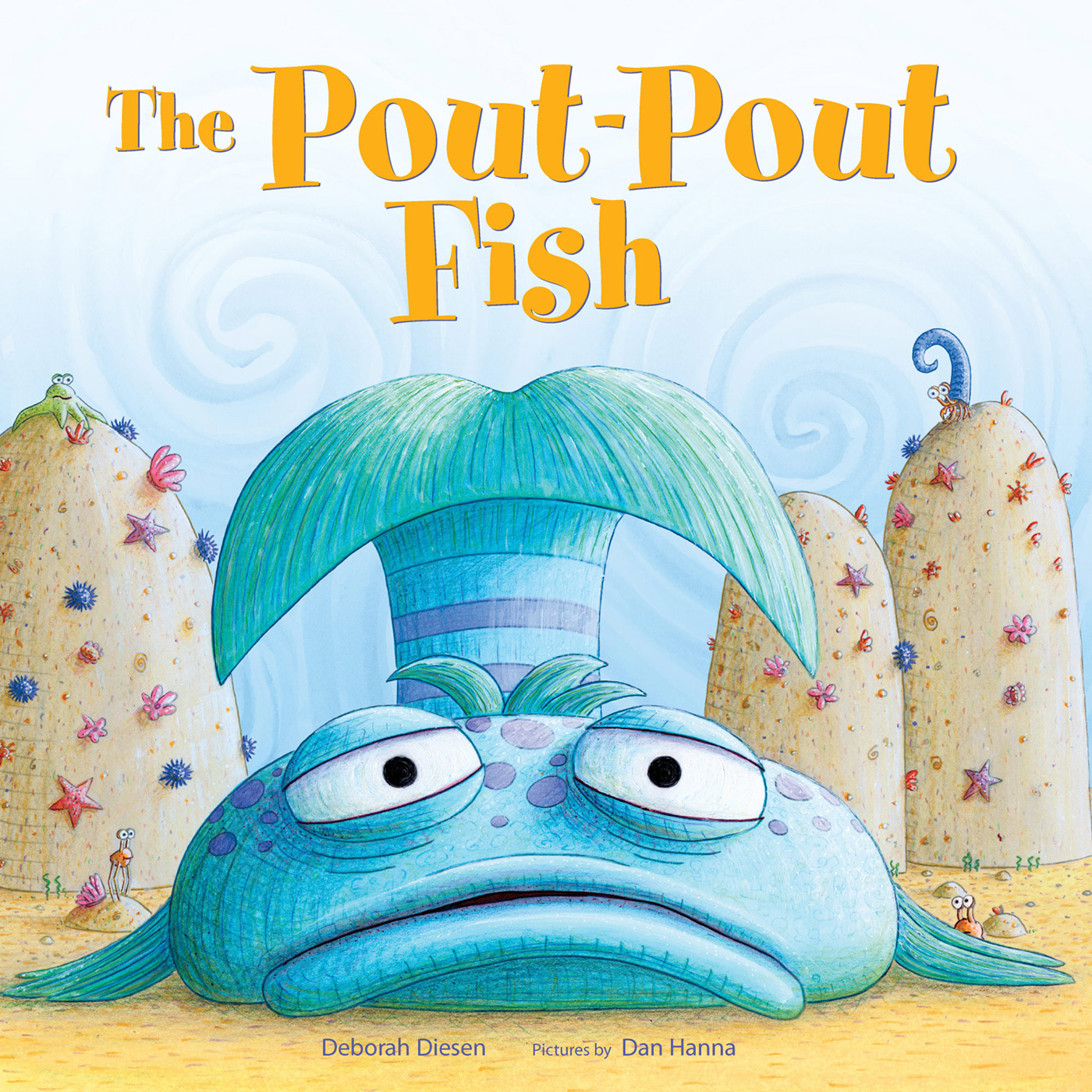
The Pout-Pout Fish

Twinkle, Twinkle, Little Star (Indestructibles Series)
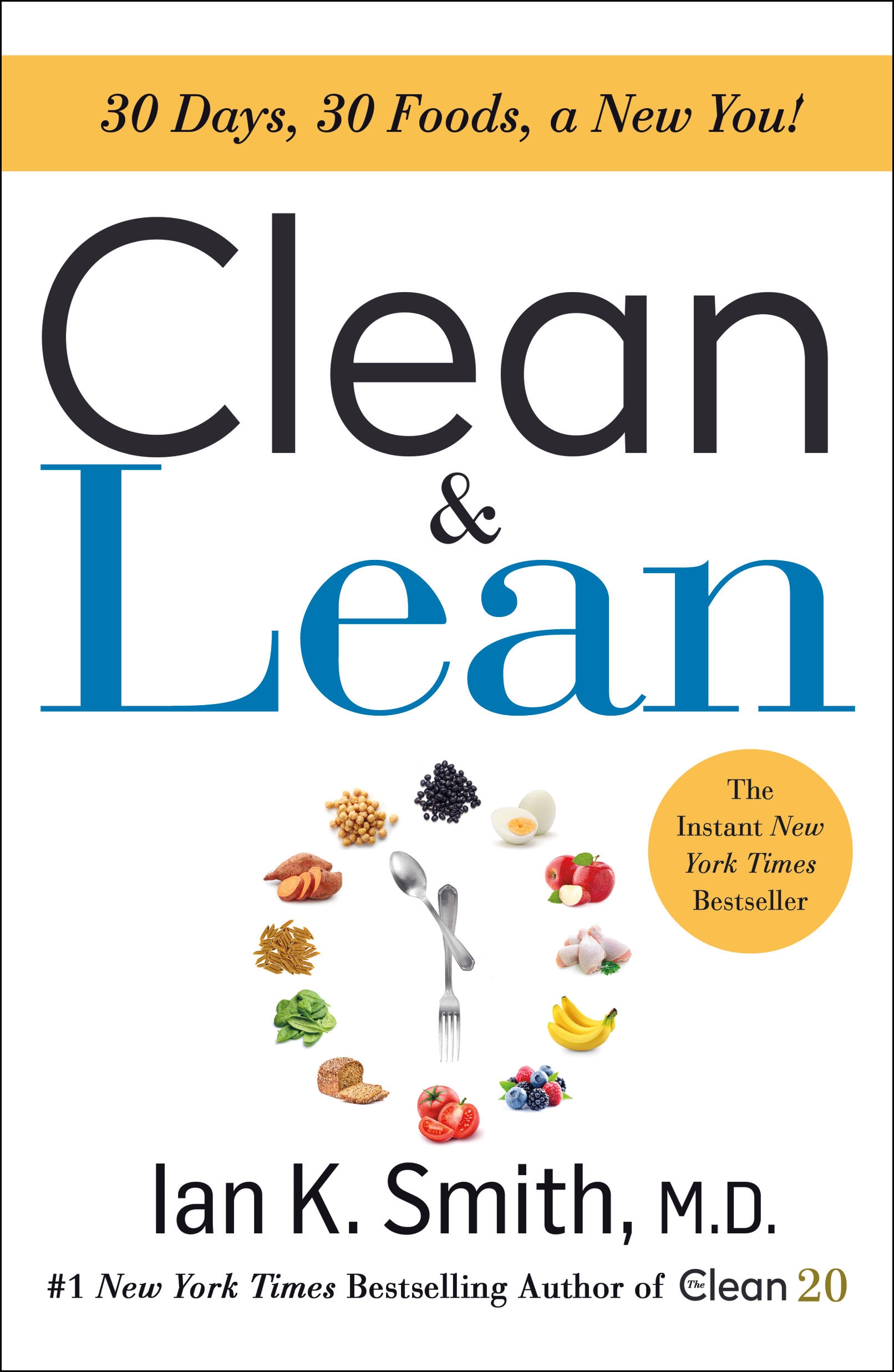
Clean & Lean: 30 Days, 30 Foods, a New You!

There Was an Old Lady Who Swallowed a Chick!
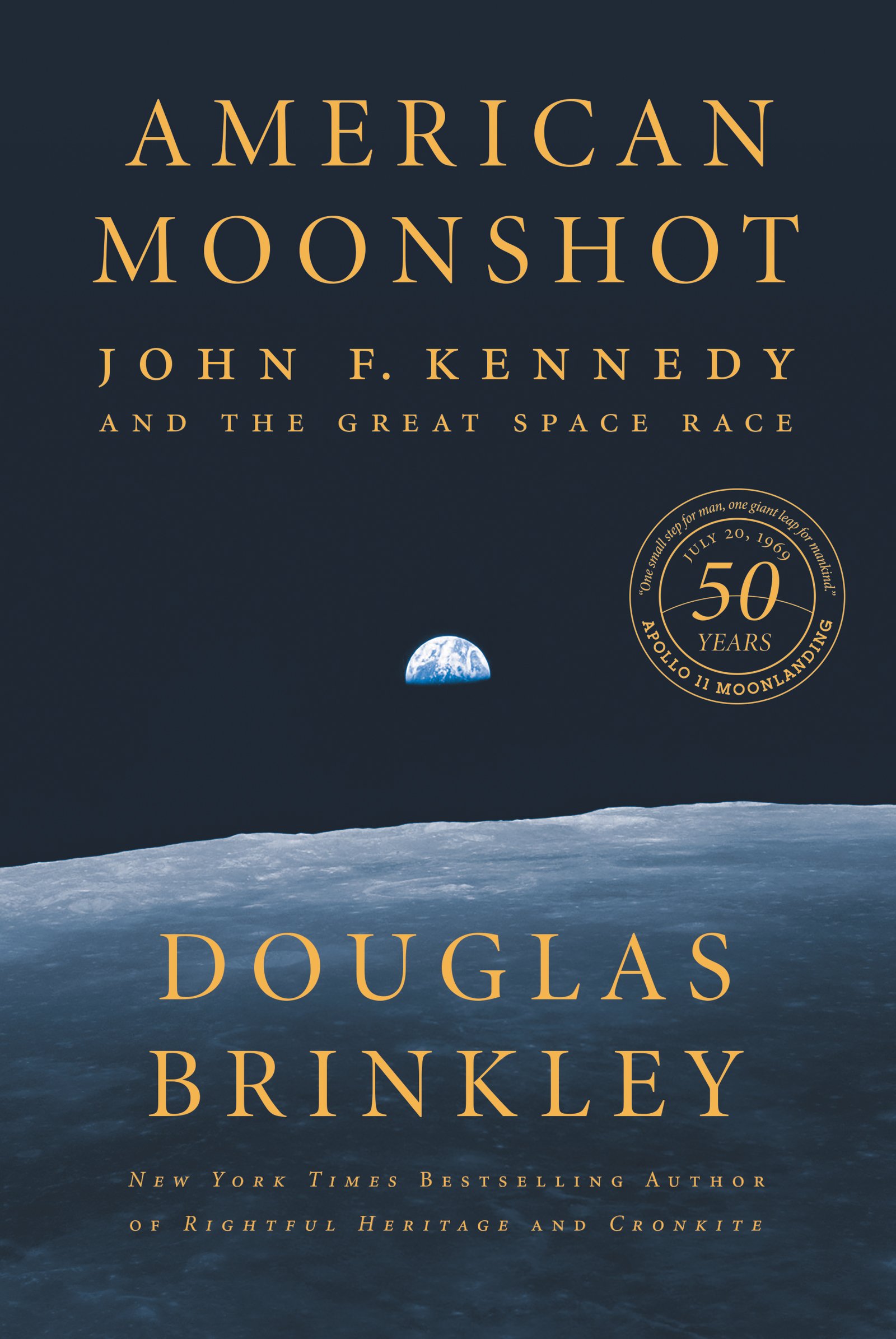
American Moonshot: John F. Kennedy and the Great Space Race

The Secret Wife: A captivating story of romance, passion and mystery
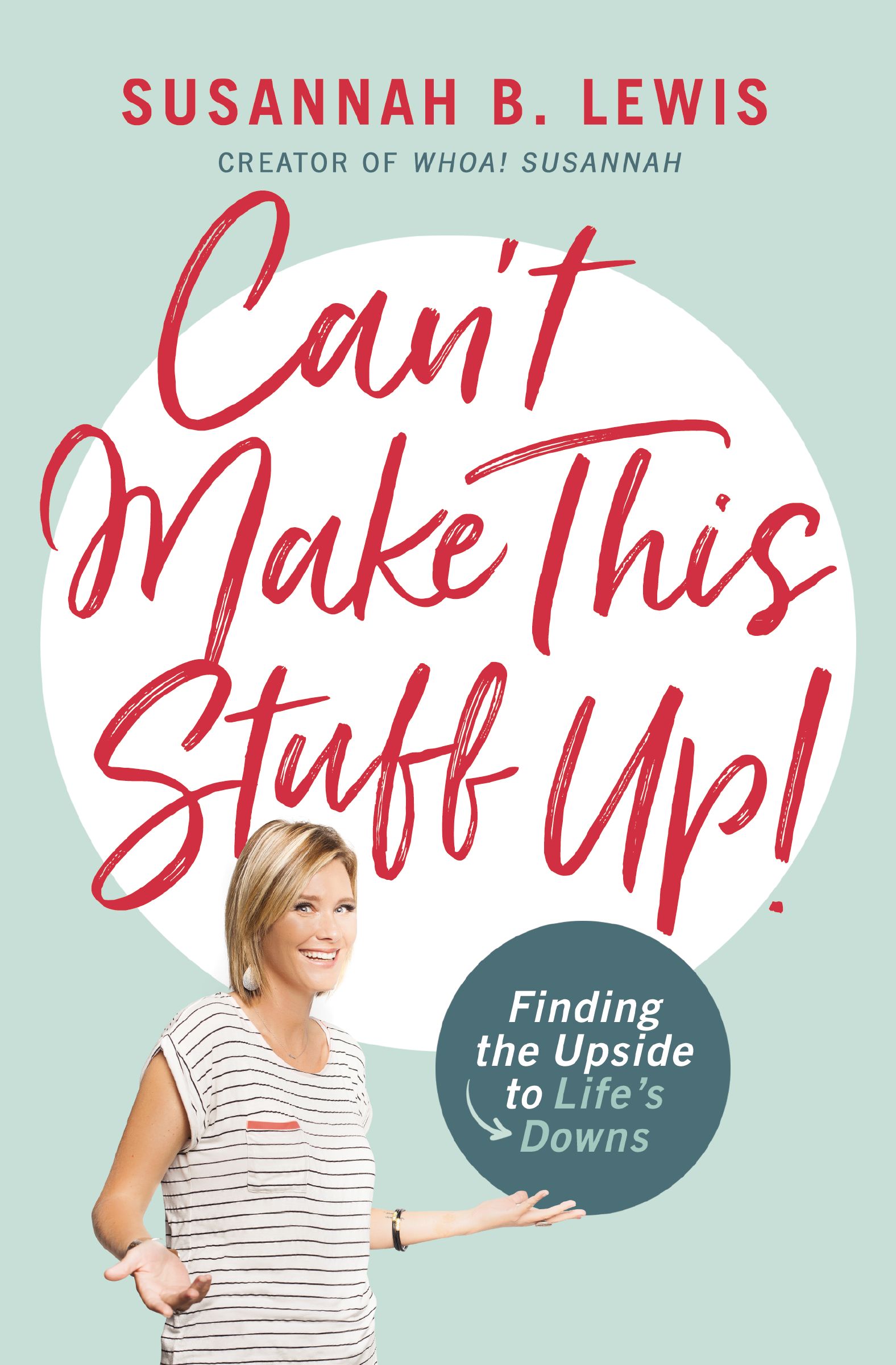
Can't Make This Stuff Up!: Finding the Upside to Life's Downs

Settings
Reflow text when sidebars are open.
