
- Browse Category
Subjects
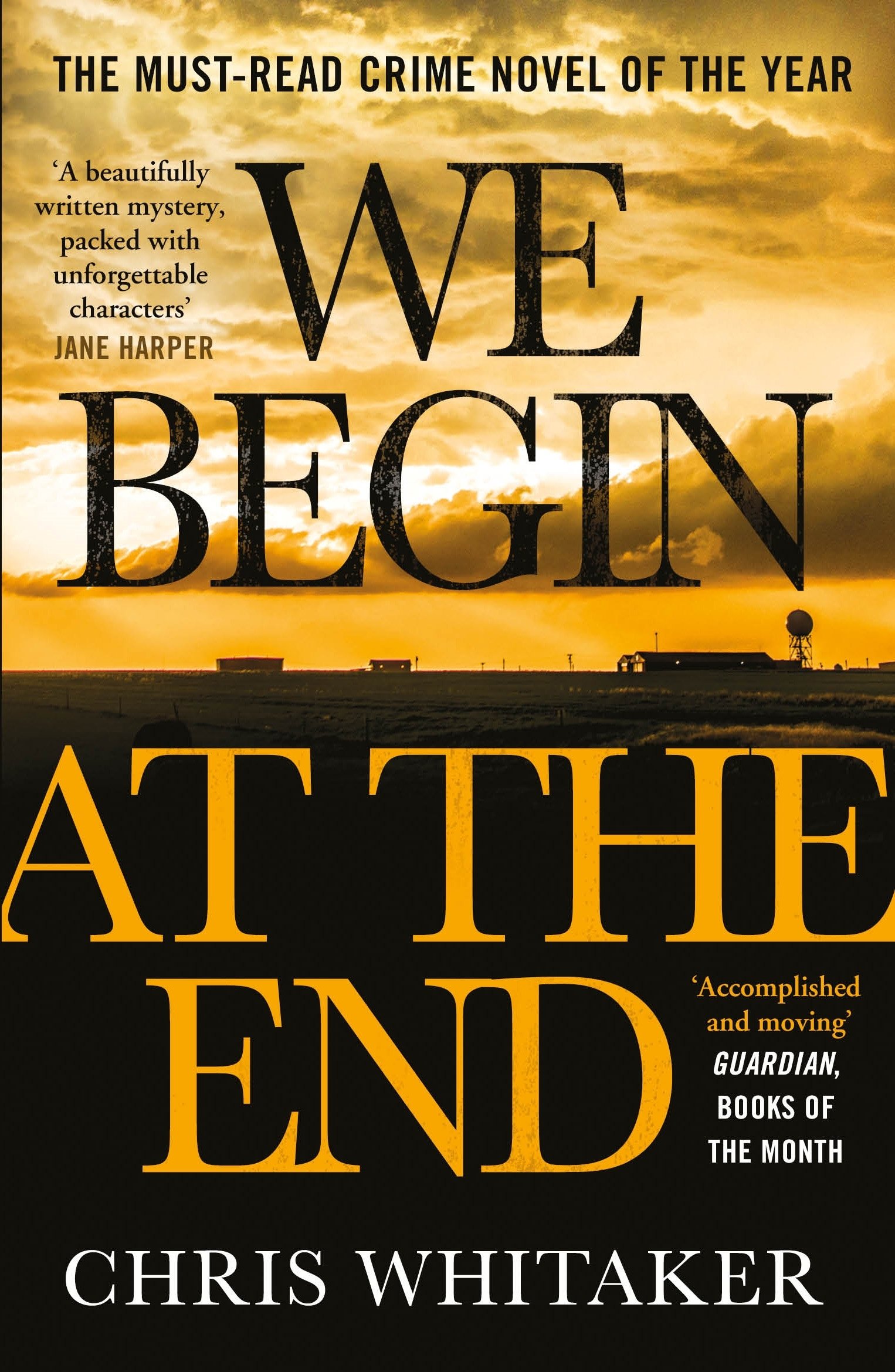 We Begin at the EndLearn More
 - Choice Picks
- Top 100 Free Books
- Blog
- Recently Added
- Submit your eBook
- Browse Category
We Begin at the EndLearn More
- Choice Picks
- Top 100 Free Books
- Blog
- Recently Added
- Submit your eBook

Pop Crimes [LP] Rowland S. Howard Artist
2024-07-11 06:48:31
It is a tragic irony that {|Rowland S. Howard|}'s finest solo work was released a mere two months before his untimely death from liver cancer -- he was waiting for a transplant. {|Howard|} wasn't exactly prolific after the {|Birthday Party|} split in...
Read more
It is a tragic irony that {|Rowland S. Howard|}'s finest solo work was released a mere two months before his untimely death from liver cancer -- he was waiting for a transplant. {|Howard|} wasn't exactly prolific after the {|Birthday Party|} split in the '80s. He worked a lot in that decade as a founding member of {|Crime & the City Solution|} fronted by {|Simon Bonney|}, and he collaborated with a host of artists including {|Nikki Sudden|}, {|Genevieve McGuckin|}, {|Barry Adamson|}, {|Jeremy Gluck|} and, most famously, {|Lydia Lunch|}. He also formed {|These Immortal Souls|}, who released a couple of excellent records. But {|Howard|} was largely silent after 1992, at least until the issue of his excellent {|Teenage Snuff Film|} in 2000. He was emerging from his long exile near the end of the decade with guest appearances before recording {|Pop Crimes|} in early 2009 with {|Mick Harvey|} on drums and organ, and {|J.P. Shilo|} on bass (save for a couple of tracks) and violin. The album is a slow, stellarly recorded collection of rough-'round-the-edges rock, with {|Howard|} in better voice and showing more energy than on any post-{|Birthday Party|} record. The eight-song set includes two covers, including a fantastically moody, hypnotically expressive reading of {|Talk Talk|}'s {|Life's What You Make It.|} The originals reveal {|Howard|} in fine form as a pop noir songwriter, from the opener {|(I Know) A Girl Called Jonny|} (with {|Johnnie Standish|} on duet vocals) all the way through to the album's true jewel {|The Golden Age of Bloodshed,|} at its end, with plenty of stops between. On {|Pop Crimes|}, {|Howard|}'s songwriting uses classic elements from early girl group rock, country, and film music, creating infectious melodies that are then often bent by his words to create mood, tension, and texture; they end up sounding temptingly dangerous: think {|Lee Hazlewood|}, {|Ennio Morricone|}, {|Doc Pomus|}, {|Lou Reed|}, {|Phil Spector|}, and {|Leon Payne|} all rolled into one. {|Howard|} was also a highly original guitarist whose style is inimitable and has proved influential; he was an architect of the {|Birthday Party|}'s and {|Crime & the City Solution|}'s sounds, and a real influence on the sonic beginnings of the {|Bad Seeds|}. That too, is on full display here: check the way he uses both {|James Burton|} and {|Duane Eddy|} in the title track, early-'60s girl group balladry filtered through Gothic country to create a suspenseful, dark sensuality in the opening cut; plodding {|Ghost Riders in the Sky|}-esque country & western, loneliness, and thick wall of noise darkness in {|Nothin',|} and then there's the jumbled feedback, fragmented power chords, and slippery, sparse lead lines on {|The Golden Age of Bloodshed|} -- that also contains some fantastic violin playing from {|Shiloh|} and the finest lyrics in {|Howard|}'s catalog. {|Pop Crimes|} may be {|Howard|}'s last will and testament, but as such it's a physically forceful, deeply emotive, dramatic finish; full of memorable songs and unforgettable moments that make it a high-water mark in Australian rock. ~ Thom Jurek
Less

Available Discount
No Discount available

Settings
Reflow text when sidebars are open.
