
- Browse Category
Subjects
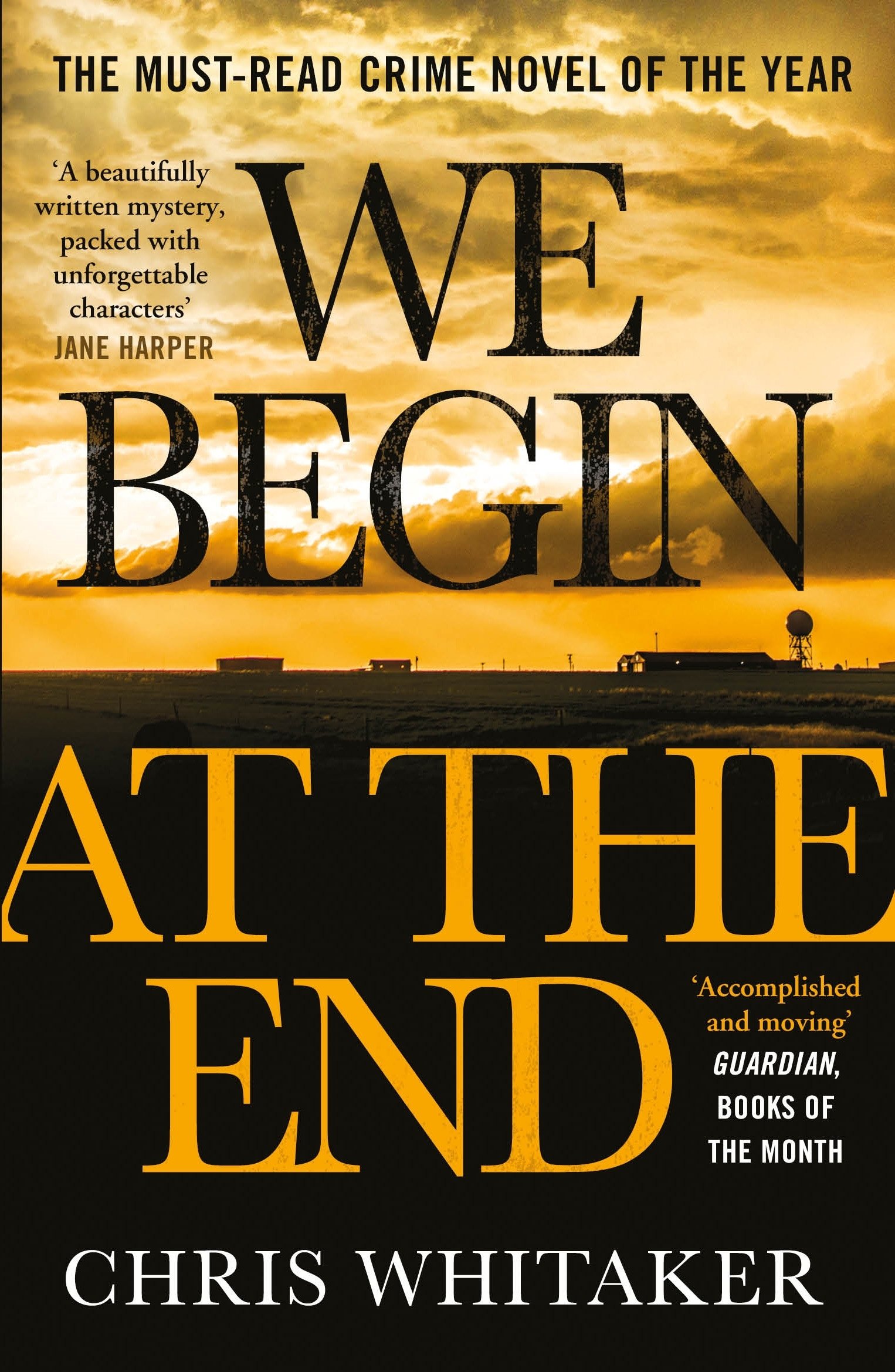 We Begin at the EndLearn More
 - Choice Picks
- Top 100 Free Books
- Blog
- Recently Added
- Submit your eBook
- Browse Category
We Begin at the EndLearn More
- Choice Picks
- Top 100 Free Books
- Blog
- Recently Added
- Submit your eBook

Progress In The Chemistry Of Organic Natural Products 104
2021-05-31 23:27:32
The first contribution describes apolar and polar molecular fossils and, in particular biomarkers, along the lines usually followed in organic chemistry textbooks, and points to their bioprecursors when available. Thus, the apolar compounds are divid...
Read more
The first contribution describes apolar and polar molecular fossils and, in particular biomarkers, along the lines usually followed in organic chemistry textbooks, and points to their bioprecursors when available. Thus, the apolar compounds are divided in linear and branched alkanes followed by alicyclic compounds and aromatic and heterocyclic molecules, and, in particular, the geoporphyrins. The polar molecular fossils contain as functional groups or constituent units ethers, alcohols, phenols, carbonyl groups, flavonoids, quinones, and acids, or are polymers like kerogen, amber, melanin, proteins, or nucleic acids. The final sections discuss the methodology used and the fundamental processes encountered by the biomolecules described, including diagenesis, catagenesis, and metagenesis.
The second contribution covers the distribution of phthalides in nature and the findings in the structural diversity, chemical reactivity, biotransformations, syntheses, and bioactivity of natural and semisynthetic phthalides.

Compare Prices
| Store | Availability | Book Format | Condition | Price |
|---|---|---|---|---|
| Indigo Books & Music | In Stock | Buy CAD 354.95 |
Available Discount
No Discount available
Related Books
View All
The Wonderful Things You Will Be

Row, Row, Row Your Boat (Indestructibles Series)
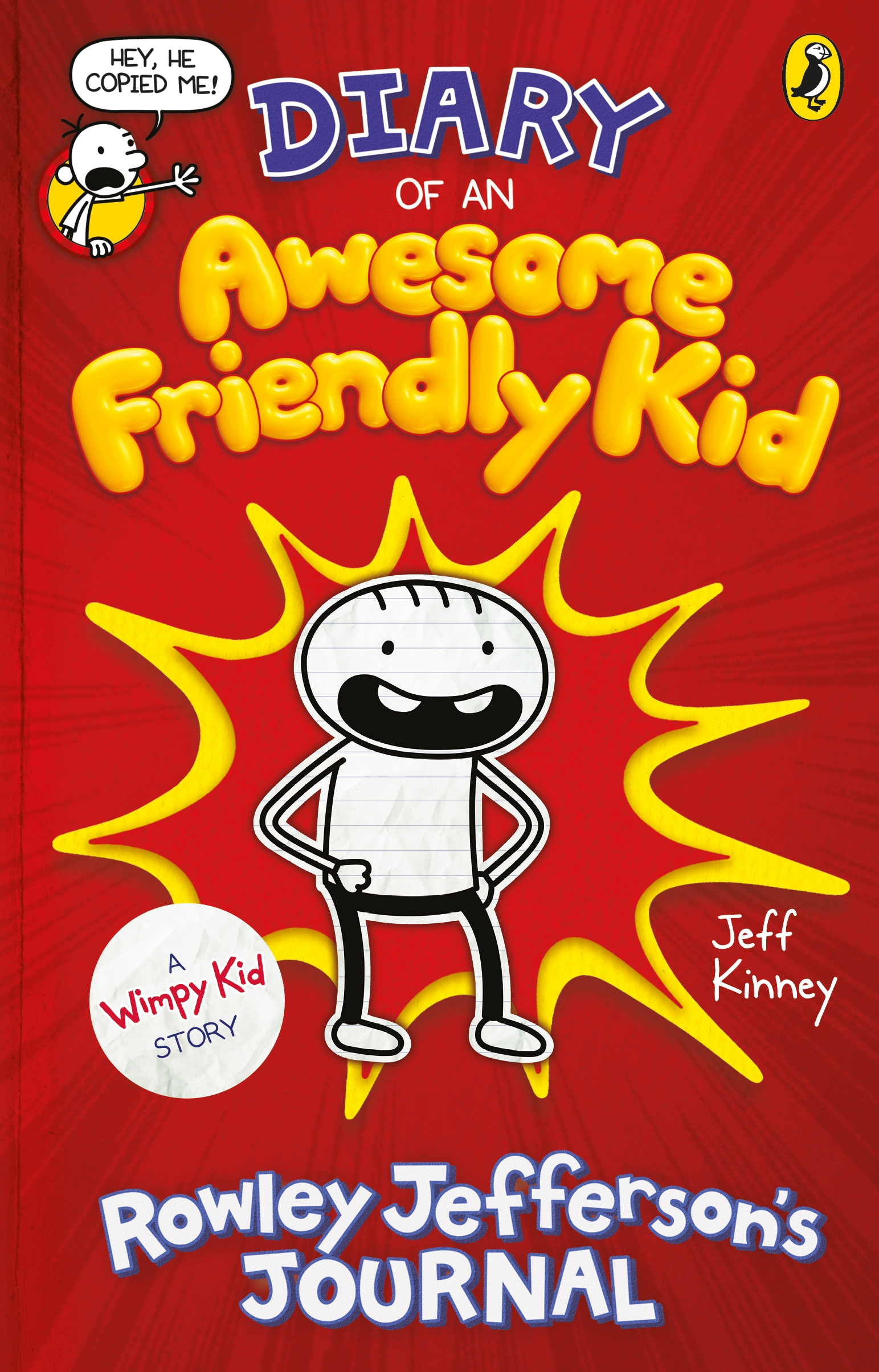
Diary of an Awesome Friendly Kid: Rowley Jefferson's Journal
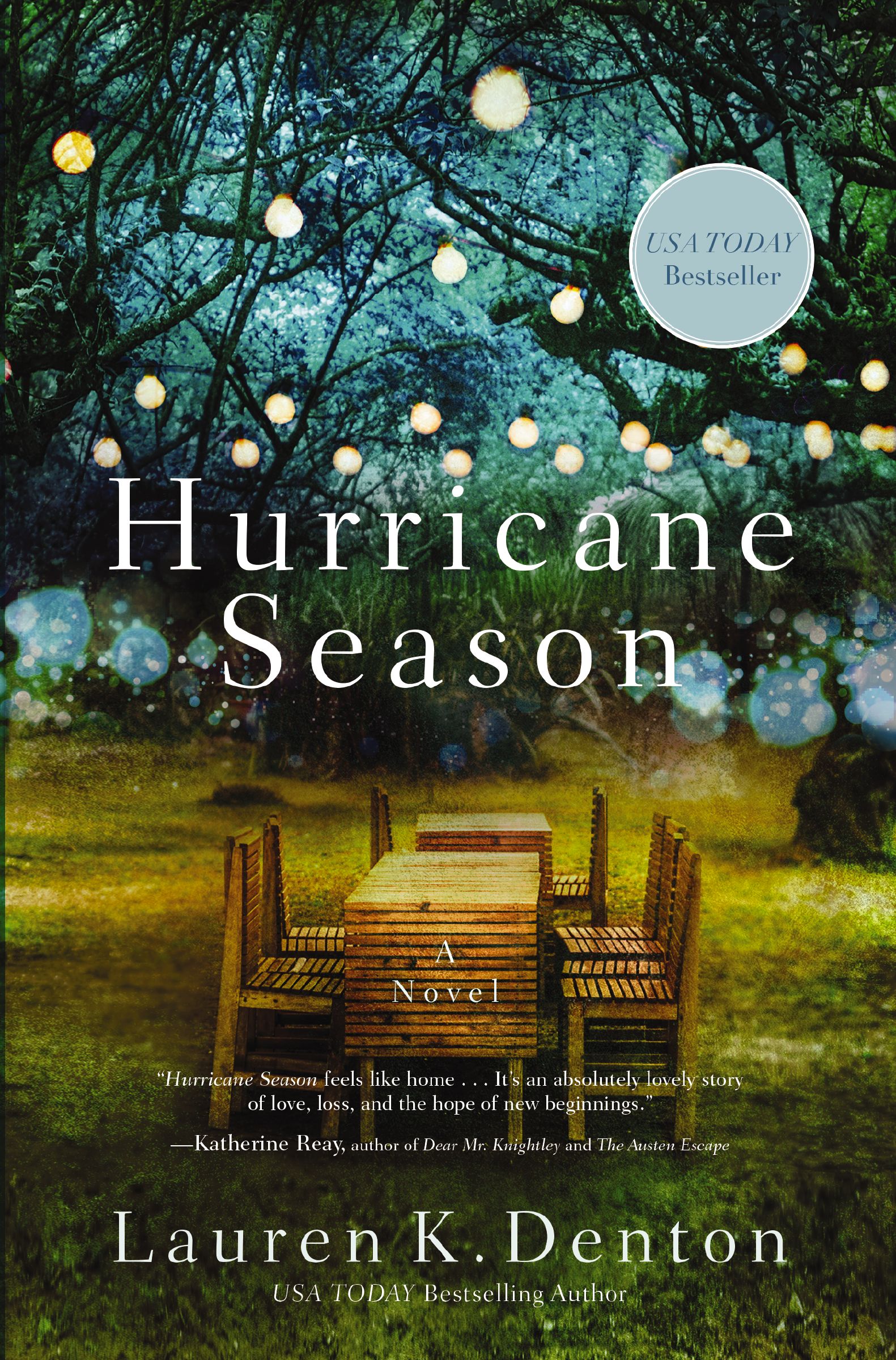
Hurricane Season
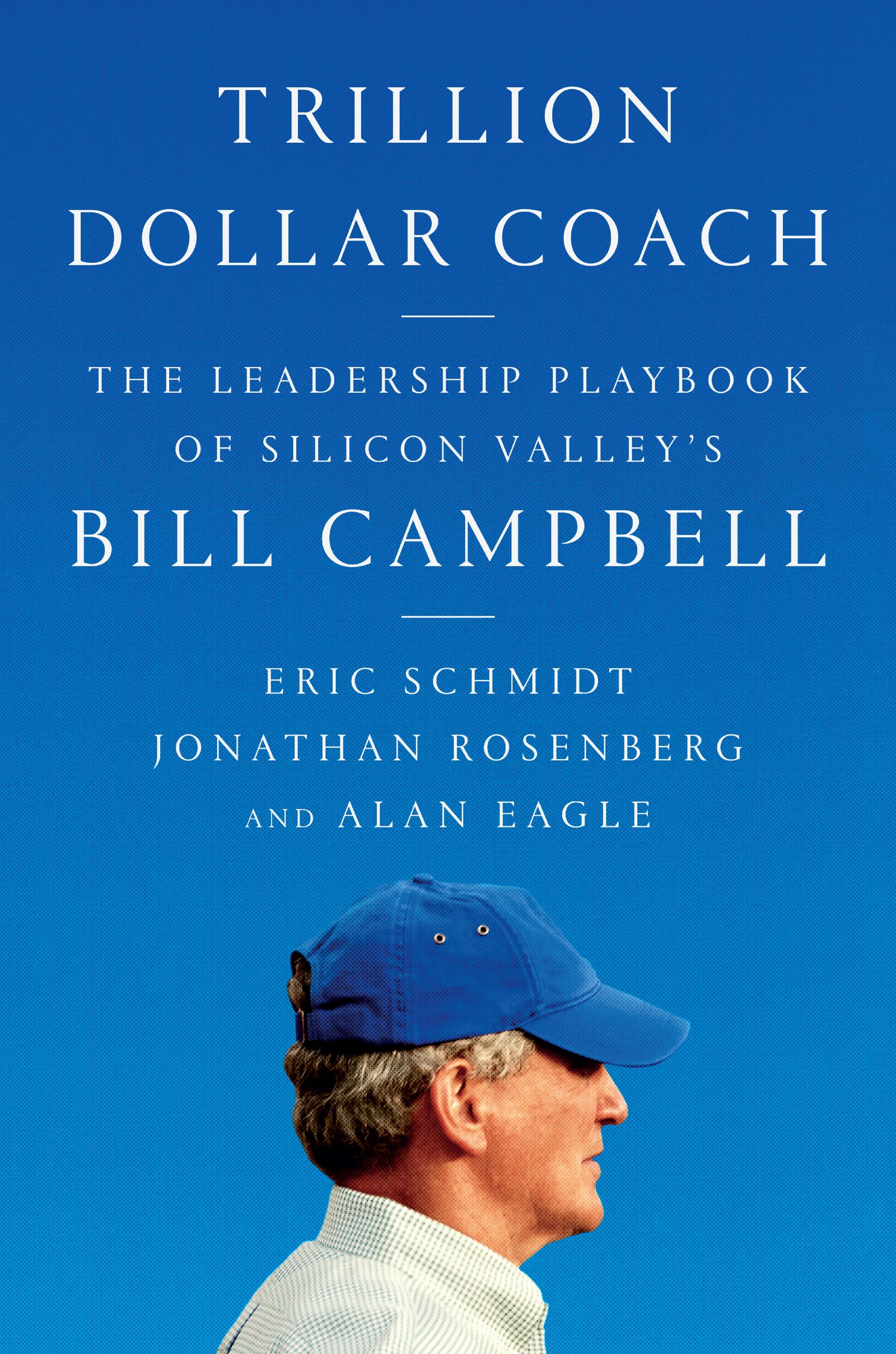
Trillion Dollar Coach: The Leadership Playbook of Silicon Valley's Bill Campbell
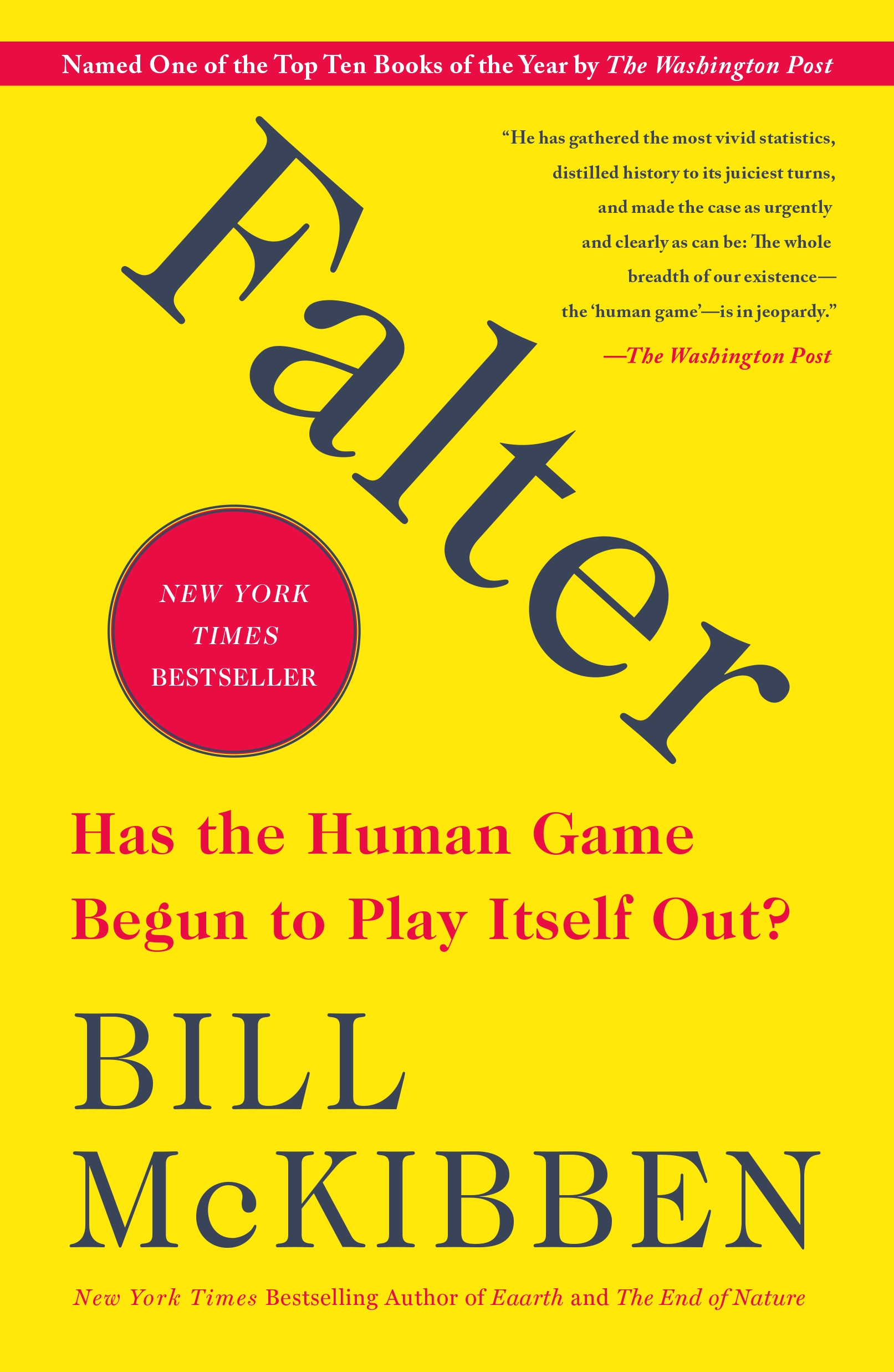
Falter: Has the Human Game Begun to Play Itself Out?
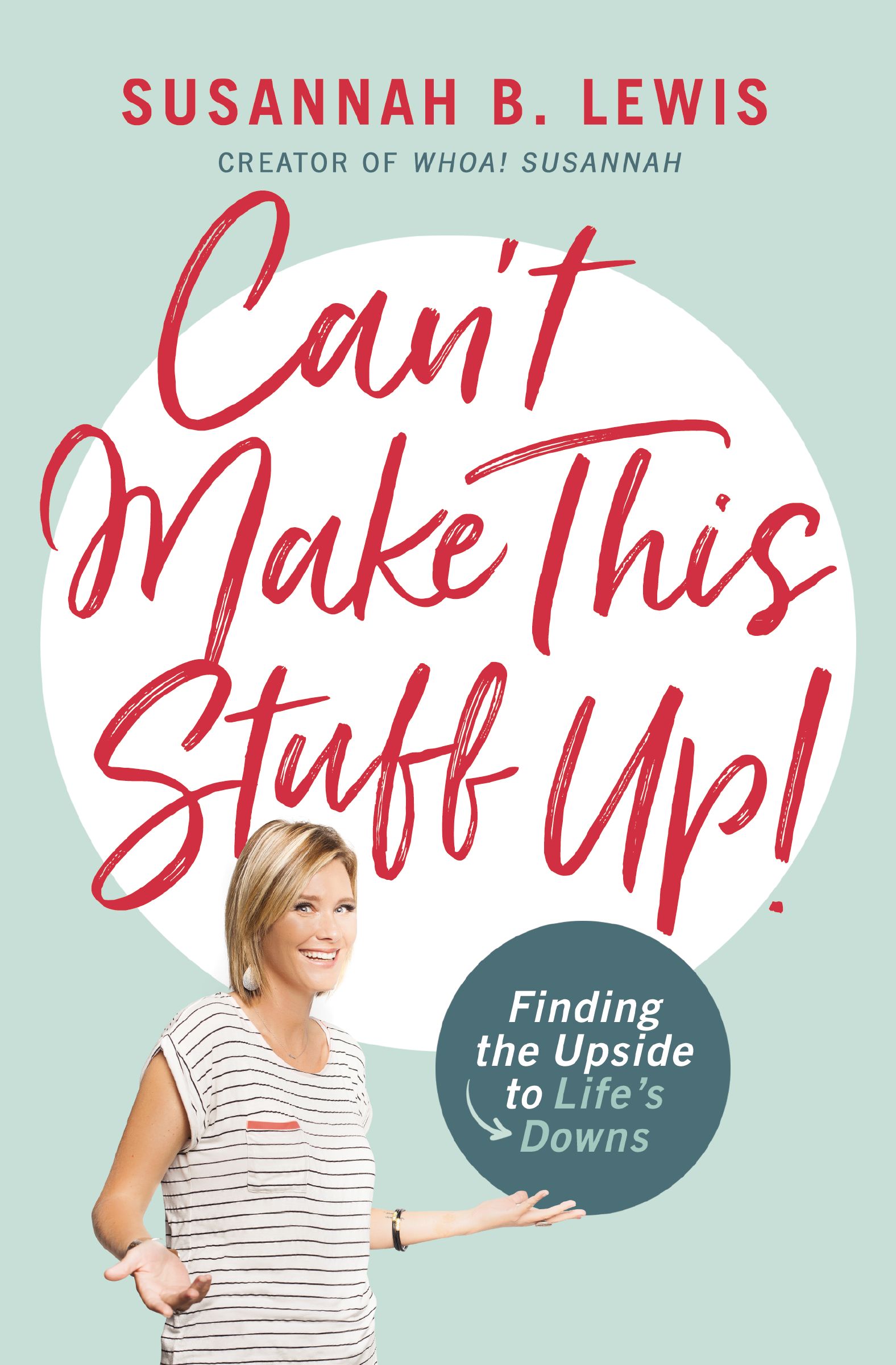
Can't Make This Stuff Up!: Finding the Upside to Life's Downs

House of Shadows: An Enthralling Historical Mystery

The Book Club
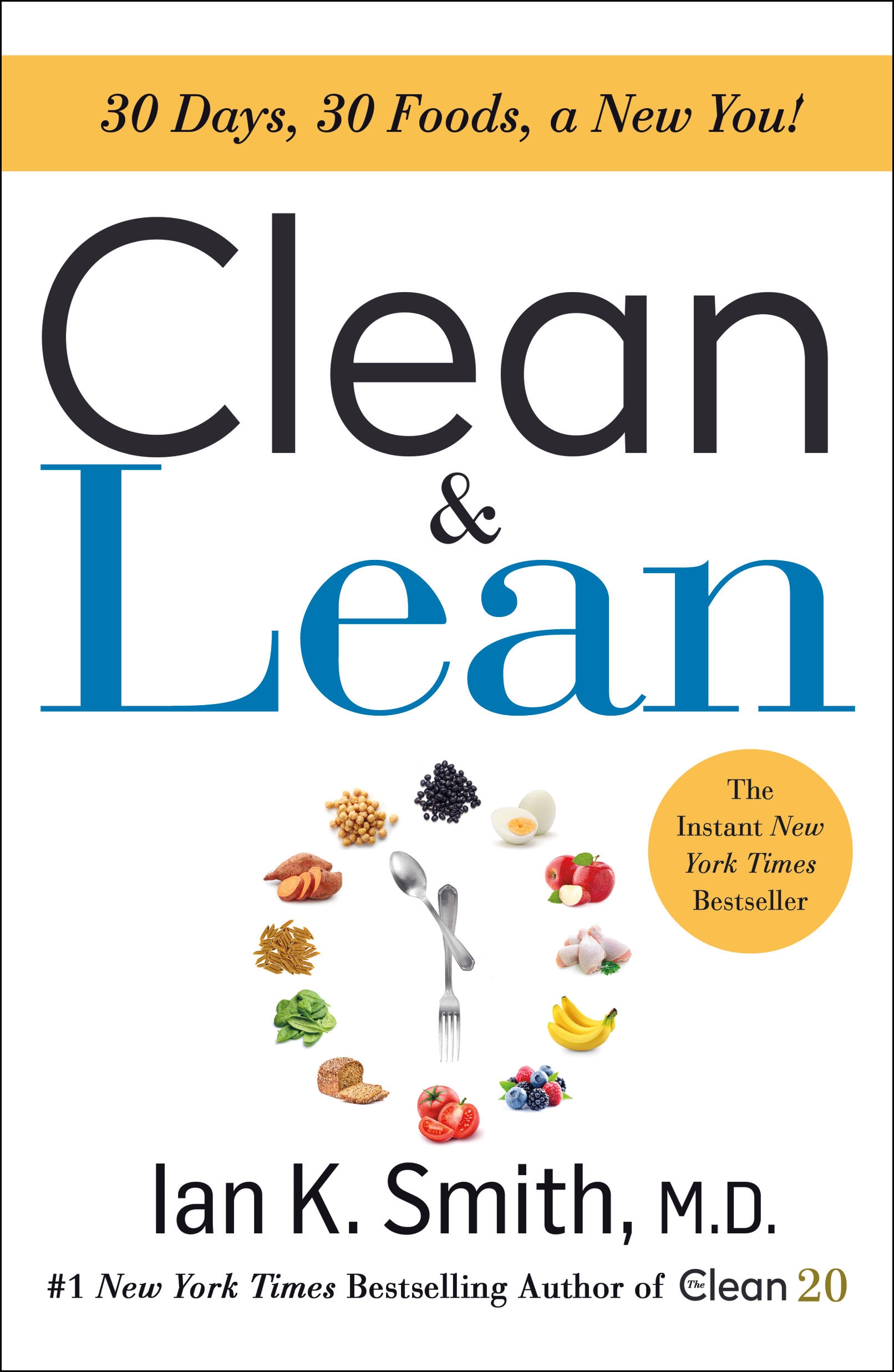
Clean & Lean: 30 Days, 30 Foods, a New You!

The Silent Woman (Cat Carlisle, Book 1)

Made for Me

Twinkle, Twinkle, Little Star (Indestructibles Series)

Commander in Cheat: How Golf Explains Trump

Life Will Be the Death of Me: ...And You Too!
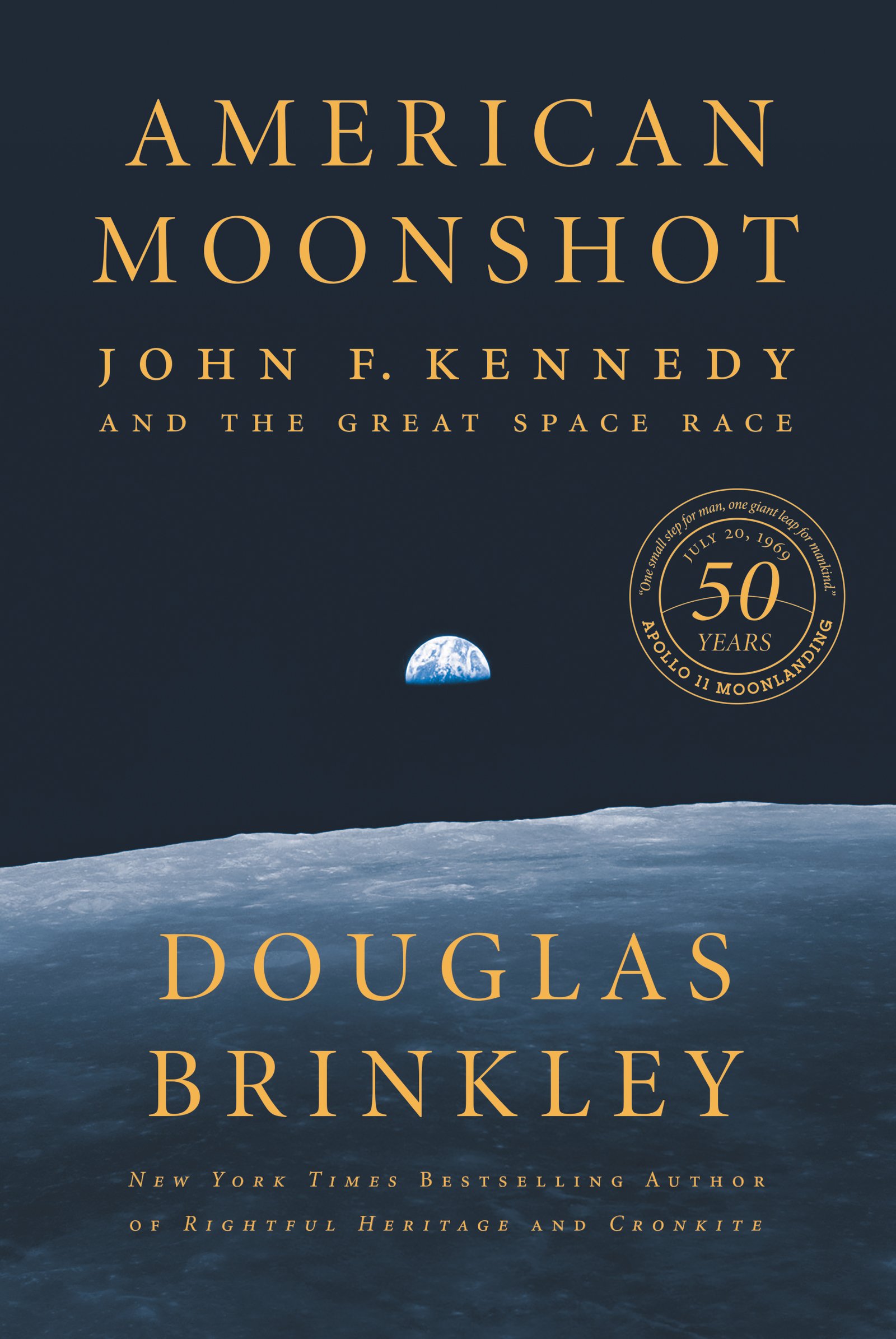
American Moonshot: John F. Kennedy and the Great Space Race

Going to School

We Are Not Friends (You Are Not Small)
The Pout-Pout Fish
Secrets Between Us: An absolutely gripping psychological thriller

There Was an Old Lady Who Swallowed a Chick!

Feed Your Best Friend Better: Easy, Nutritious Meals and Treats for Dogs

You Be You: Detox Your Life, Crush Your Limitations, and Own Your Awesome

Good Night, Little Blue Truck

The Secret Wife: A captivating story of romance, passion and mystery

Settings
Reflow text when sidebars are open.
