
- Browse Category
Subjects
 We Begin at the EndLearn More
 - Choice Picks
- Top 100 Free Books
- Blog
- Recently Added
- Submit your eBook
- Browse Category
We Begin at the EndLearn More
- Choice Picks
- Top 100 Free Books
- Blog
- Recently Added
- Submit your eBook

Self-Representation: Life Narrative Studies in Identity and Ideology
2021-01-01 01:58:13
This innovative work offers a new approach to the study of self-representation, drawing on both the older study of lives tradition in personality psychology and recent work in narrative psychology. Gary S. Gregg presents a generative theory of self-r...
Read more
This innovative work offers a new approach to the study of self-representation, drawing on both the older study of lives tradition in personality psychology and recent work in narrative psychology. Gary S. Gregg presents a generative theory of self-representation, applying methods of symbolic analysis developed by cultural anthropologists to the texts of life-historical interviews. This model accounts for the continual shifting of identity among contradictory surface discourses about the self, as it shows how each discourse is defined as a reconfiguration of a stable cluster of deep structurally-ambigious elements. Gregg not only examines the nature of narrative, but also addresses more mainstream issues in cognitive science, such as: How is knowledge of the self and its social world represented? What are the elementary units of self-cognition? How are cognition and affect linked?
After a brief introduction, the book raises critical questions about self-representation by presenting re-analyses of two famous case studies--Freud's Rat Man and Mack and Larry from The Authoritarian Personality--and initial observations from Gregg's fieldwork in Morocco. A theoretical chapter then introduces the notion of structured ambiguity, which enables a person to shift between identities by figure or ground-like reversals of key symbols and metaphors. Three original life-narrative analyses follow, which, with increasing complexity, develop the model via analogies to basic structures of tonal music. The work concludes with a theoretical chapter that reexamines the ideas of William James, George Herbert Mead, and Erik Erikson about the self's unity and multiplicity, and then summarizes a generative model. The book presents a compelling alternative to prevailing views of self-cognition and identity, and will be a valuable resource for courses in psychology, anthropology, and sociology, as well as an important tool for researchers and professionals in these fields.
Less
Compare Prices
| Store | Availability | Book Format | Condition | Price |
|---|---|---|---|---|
| BetterWorld.com - New, Used, Rare Books & Textbooks | In Stock | Buy USD 43.22 | ||
| Indigo Books & Music | In Stock | Buy CAD 114.00 |
Available Discount
No Discount available
Related Books
View All
Made for Me

Going to School

Hurricane Season

You Be You: Detox Your Life, Crush Your Limitations, and Own Your Awesome
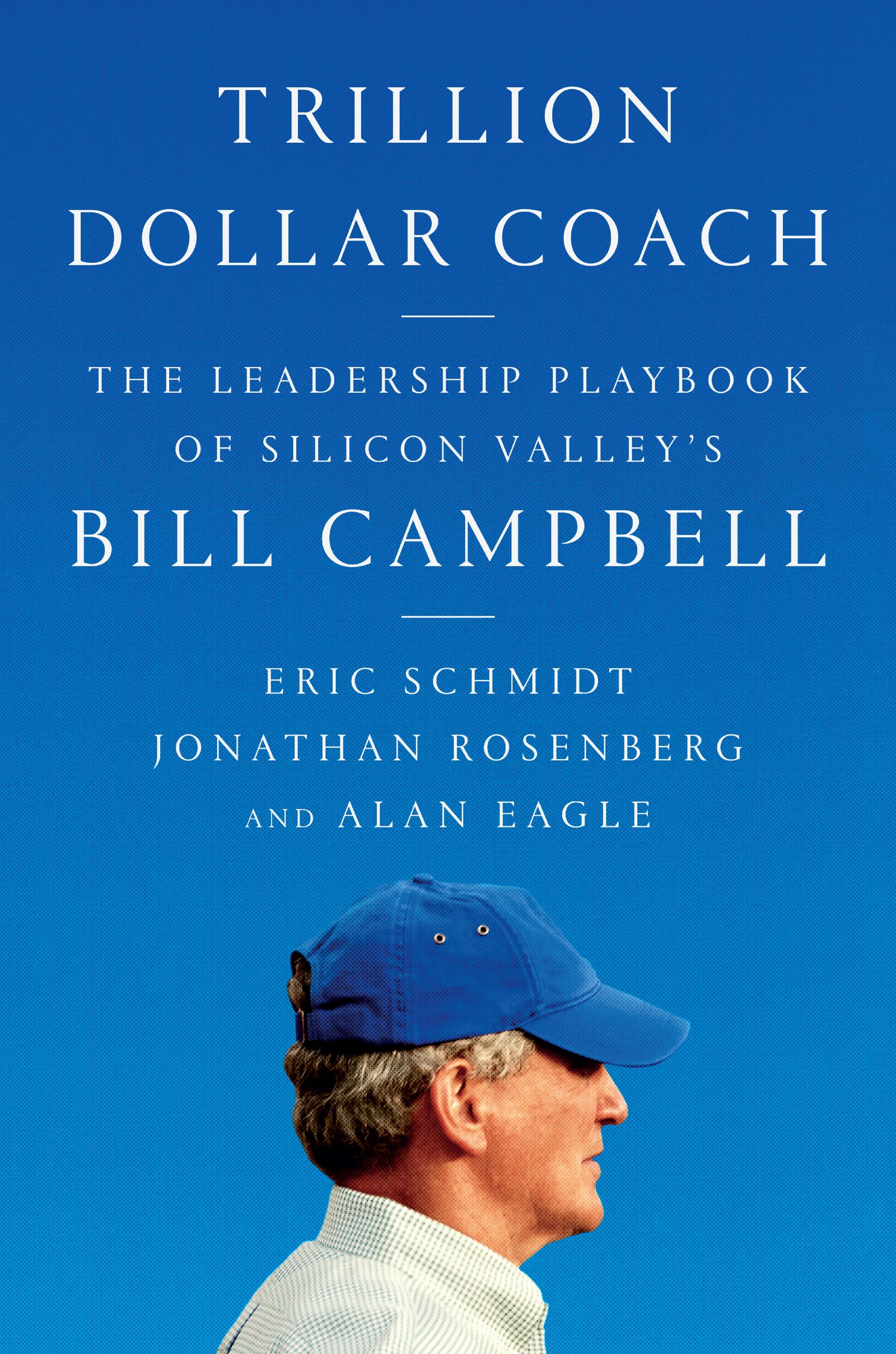
Trillion Dollar Coach: The Leadership Playbook of Silicon Valley's Bill Campbell

Row, Row, Row Your Boat (Indestructibles Series)

House of Shadows: An Enthralling Historical Mystery

American Moonshot: John F. Kennedy and the Great Space Race

Commander in Cheat: How Golf Explains Trump

The Wonderful Things You Will Be

We Are Not Friends (You Are Not Small)
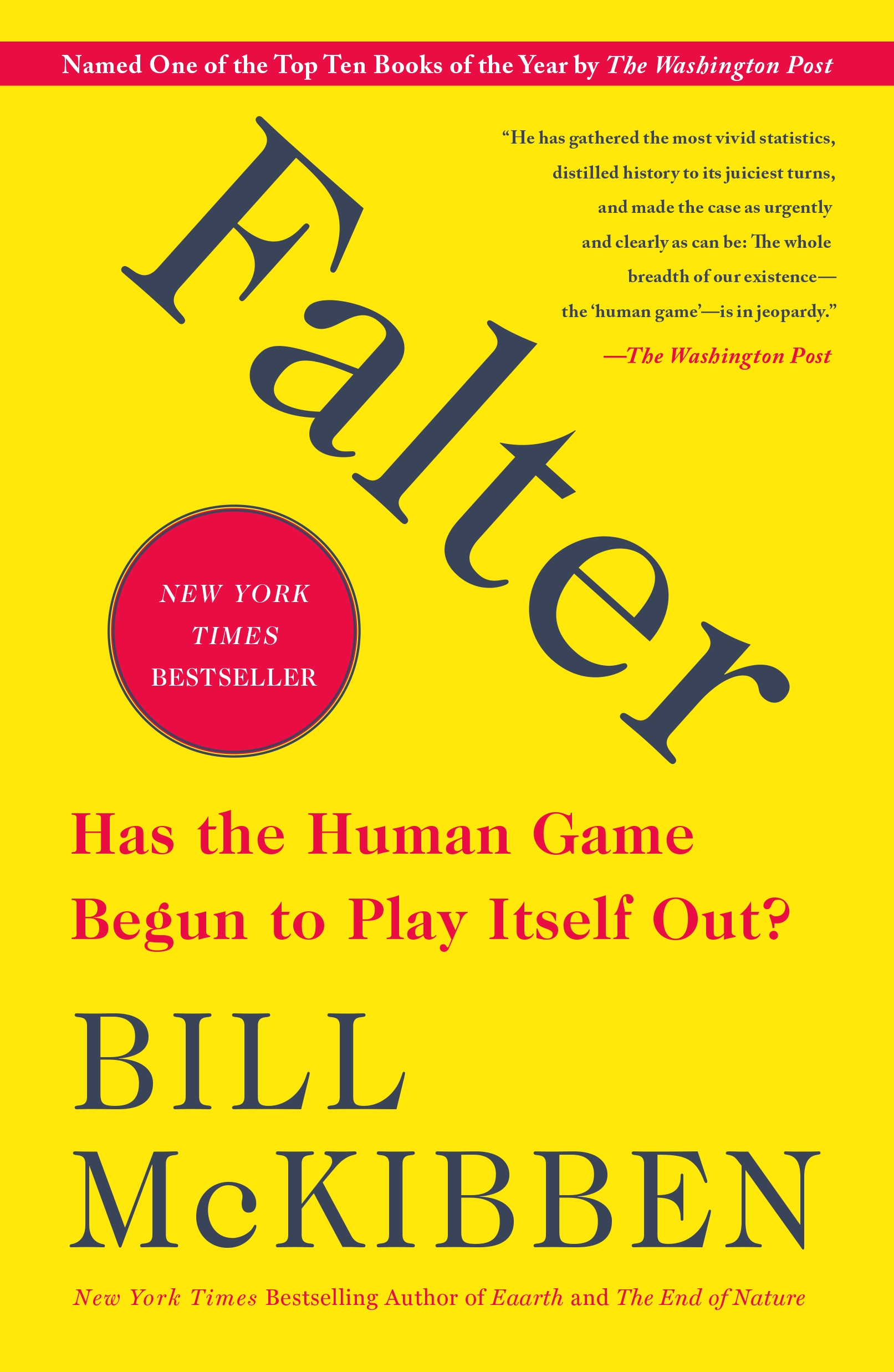
Falter: Has the Human Game Begun to Play Itself Out?

The Silent Woman (Cat Carlisle, Book 1)

Life Will Be the Death of Me: ...And You Too!

Twinkle, Twinkle, Little Star (Indestructibles Series)

There Was an Old Lady Who Swallowed a Chick!

Good Night, Little Blue Truck

Feed Your Best Friend Better: Easy, Nutritious Meals and Treats for Dogs
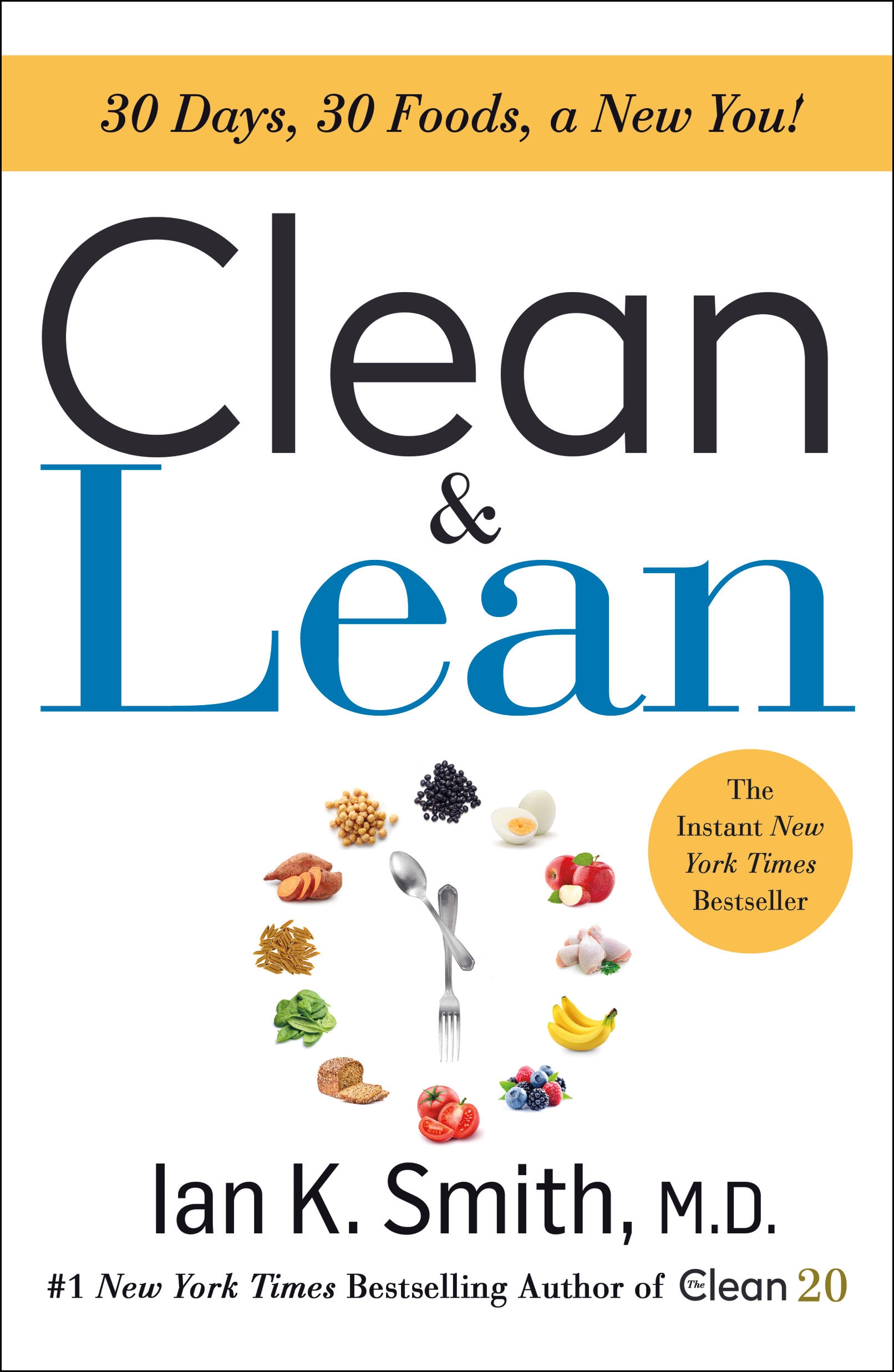
Clean & Lean: 30 Days, 30 Foods, a New You!

Secrets Between Us: An absolutely gripping psychological thriller

The Book Club

The Secret Wife: A captivating story of romance, passion and mystery
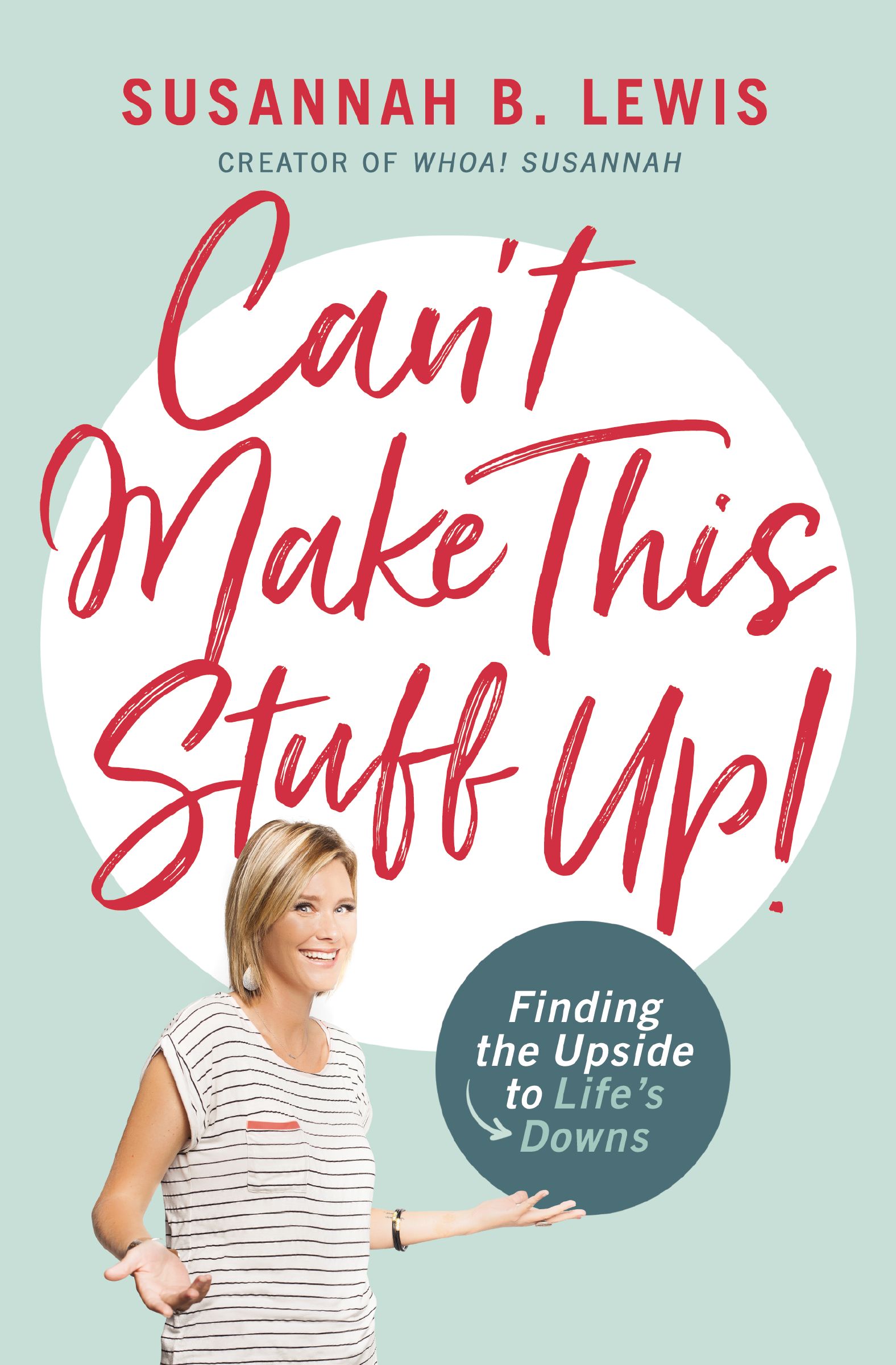
Can't Make This Stuff Up!: Finding the Upside to Life's Downs
The Pout-Pout Fish

Diary of an Awesome Friendly Kid: Rowley Jefferson's Journal

Settings
Reflow text when sidebars are open.
