
- Browse Category
Subjects
 We Begin at the EndLearn More
 - Choice Picks
- Top 100 Free Books
- Blog
- Recently Added
- Submit your eBook
- Browse Category
We Begin at the EndLearn More
- Choice Picks
- Top 100 Free Books
- Blog
- Recently Added
- Submit your eBook
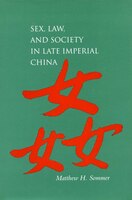
Sex, Law, and Society in Late Imperial China
2021-01-10 09:48:29
This study of the regulation of sexuality in the Qing dynasty explores the social context for sexual behavior criminalized by the state, arguing that the eighteenth century in China was a time of profound change in sexual matters. During this time, t...
Read more
This study of the regulation of sexuality in the Qing dynasty explores the social context for sexual behavior criminalized by the state, arguing that the eighteenth century in China was a time of profound change in sexual matters. During this time, the basic organizing principle for state regulation of sexuality shifted away from status, under which members of different groups had long been held to distinct standards of familial and sexual morality. In its place, a new regime of gender mandated a uniform standard of sexual morality and criminal liability across status boundaries-all people were expected to conform to gender roles defined in terms of marriage.
This shift in the regulation of sexuality, manifested in official treatment of charges of adultery, rape, sodomy, widow chastity, and prostitution, represented the imperial state''s efforts to cope with disturbing social and demographic changes. Anachronistic status categories were discarded to accommodate a more fluid social structure, and the state initiated new efforts to enforce rigid gender roles and thus to shore up the peasant family against a swelling underclass of single, rogue males outside the family system. These men were demonized as sexual predators who threatened the chaste wives and daughters (and the young sons) of respectable households, and a flood of new legislation targeted them for suppression.
In addition to presenting official and judicial actions regarding sexuality, the book tells the story of people excluded from accepted patterns of marriage and household who bonded with each other in unorthodox ways (combining sexual union with resource pooling and fictive kinship) to satisfy a range of human needs. This previously invisible dimension of Qing social practice is brought into sharp focus by the testimony, gleaned from local and central court archives, of such marginalized people as peasants, laborers, and beggars.
Less
Compare Prices
| Store | Availability | Book Format | Condition | Price |
|---|---|---|---|---|
| Indigo Books & Music | In Stock | Paperback | Paperback | Buy CAD 39.95 |
Available Discount
No Discount available
Related Books
View All
The Book Club

You Be You: Detox Your Life, Crush Your Limitations, and Own Your Awesome
Clean & Lean: 30 Days, 30 Foods, a New You!
Trillion Dollar Coach: The Leadership Playbook of Silicon Valley's Bill Campbell

The Silent Woman (Cat Carlisle, Book 1)

The Secret Wife: A captivating story of romance, passion and mystery

American Moonshot: John F. Kennedy and the Great Space Race
Can't Make This Stuff Up!: Finding the Upside to Life's Downs

Life Will Be the Death of Me: ...And You Too!
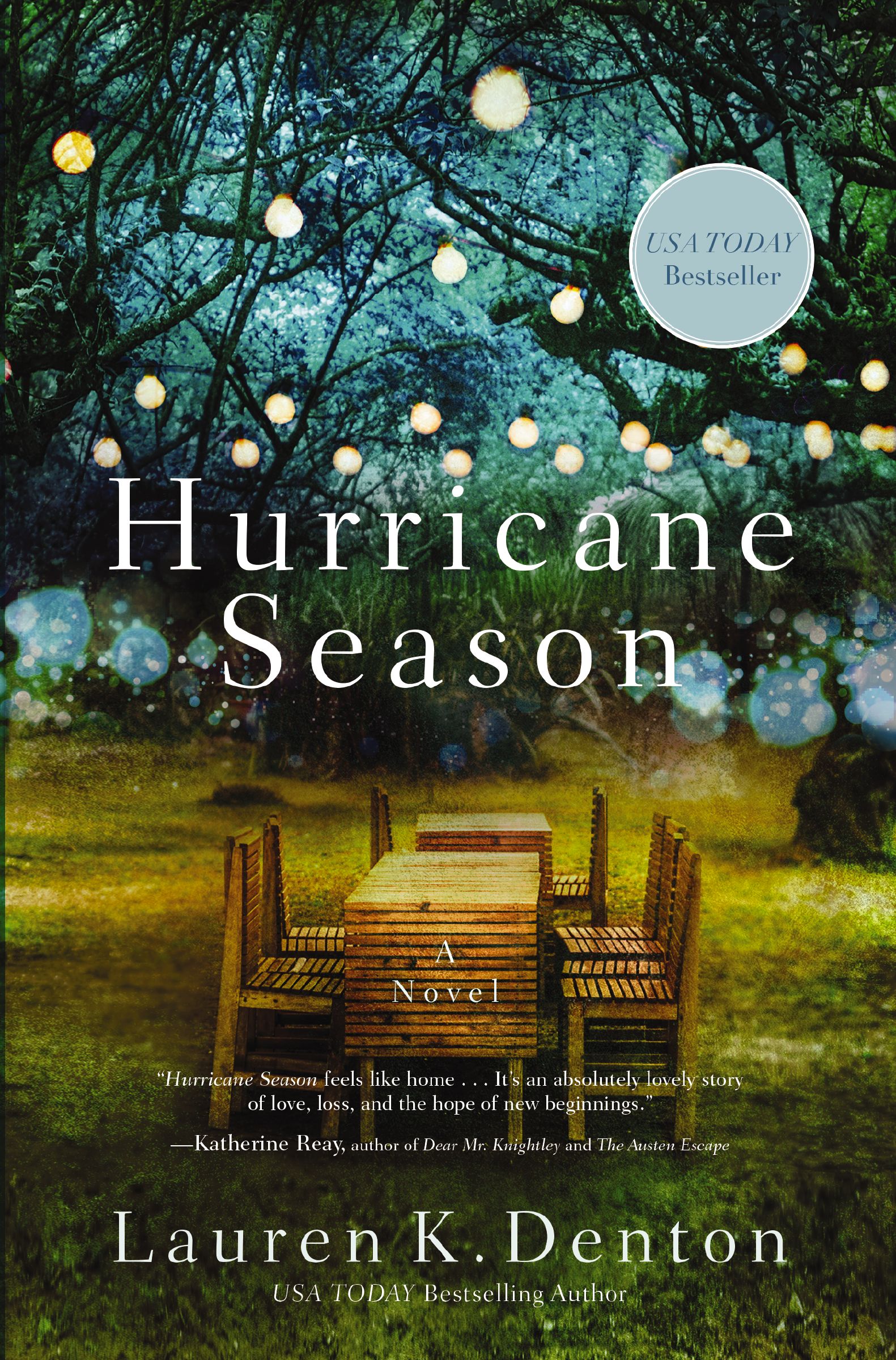
Hurricane Season

Made for Me

Commander in Cheat: How Golf Explains Trump

The Pout-Pout Fish

Feed Your Best Friend Better: Easy, Nutritious Meals and Treats for Dogs

Row, Row, Row Your Boat (Indestructibles Series)

There Was an Old Lady Who Swallowed a Chick!

Good Night, Little Blue Truck

Diary of an Awesome Friendly Kid: Rowley Jefferson's Journal

The Wonderful Things You Will Be

Secrets Between Us: An absolutely gripping psychological thriller

Going to School

We Are Not Friends (You Are Not Small)

Twinkle, Twinkle, Little Star (Indestructibles Series)

House of Shadows: An Enthralling Historical Mystery

Falter: Has the Human Game Begun to Play Itself Out?

Settings
Reflow text when sidebars are open.
