
- Browse Category
Subjects
 We Begin at the EndLearn More
 - Choice Picks
- Top 100 Free Books
- Blog
- Recently Added
- Submit your eBook
- Browse Category
We Begin at the EndLearn More
- Choice Picks
- Top 100 Free Books
- Blog
- Recently Added
- Submit your eBook

Skeletons: The Frame of Life
2020-11-24 05:15:10
Over half a billion years ago life on earth took an incredible step in evolution, when animals learned to build skeletons. Using many different materials, from calcium carbonate and phosphate, and even silica, to make shell and bone, they started cre...
Read more
Over half a billion years ago life on earth took an incredible step in evolution, when animals learned to build skeletons. Using many different materials, from calcium carbonate and phosphate, and even silica, to make shell and bone, they started creating the support structures that are nowcritical to most living forms, providing rigidity and strength. Manifesting in a vast variety of forms, they provided the framework for sophisticated networks of life that fashioned the evolution of Earth''s oceans, land, and atmosphere. Within a few tens of millions of years, all of the major typesof skeleton had appeared.Skeletons enabled an unprecedented array of bodies to evolve, from the tiniest seed shrimp to the gigantic dinosaurs and blue whales. The earliest bacterial colonies constructed large rigid structures - stromatolites - built up by trapping layers of sediment, while the mega-skeleton that is theGreat Barrier Reef is big enough to be visible from space. The skeletons of millions of coccolithophores that lived in the shallow seas of the Mesozoic built the white cliffs of Dover. These, and insects, put their scaffolding on the outside, as an exoskeleton, while vertebrates have endoskeletons.Plants use tubes of dead tissue for rigidity and transport of liquids - which in the case of tall trees need to be strong enough to extend 100 m or more from the ground. Others simply stitch together a coating from mineral grains on the seabed.In Skeletons, Jan Zalasiewicz and Mark Williams explore the incredible variety of the skeleton innovations that have enabled life to expand into a wide range of niches and lifestyles on the planet. Discussing the impact of climate change, which puts the formation of some kinds of skeleton at risk,they also consider future skeletons, including the possibility that we might increasingly incorporate metal and plastic elements into our own, as well as the possible materials for skeleton building on other planets.
Less

Compare Prices
| Store | Availability | Book Format | Condition | Price |
|---|---|---|---|---|
| Indigo Books & Music | In Stock | Buy CAD 25.42 | ||
| eBooks.com | In Stock | PDF (encrypted) | PDF (encrypted) | Buy AUD 21.68 |
Available Discount
No Discount available
Related Books
View All
The Silent Woman (Cat Carlisle, Book 1)

The Secret Wife: A captivating story of romance, passion and mystery

Secrets Between Us: An absolutely gripping psychological thriller

Made for Me

Falter: Has the Human Game Begun to Play Itself Out?

Diary of an Awesome Friendly Kid: Rowley Jefferson's Journal

Row, Row, Row Your Boat (Indestructibles Series)

We Are Not Friends (You Are Not Small)
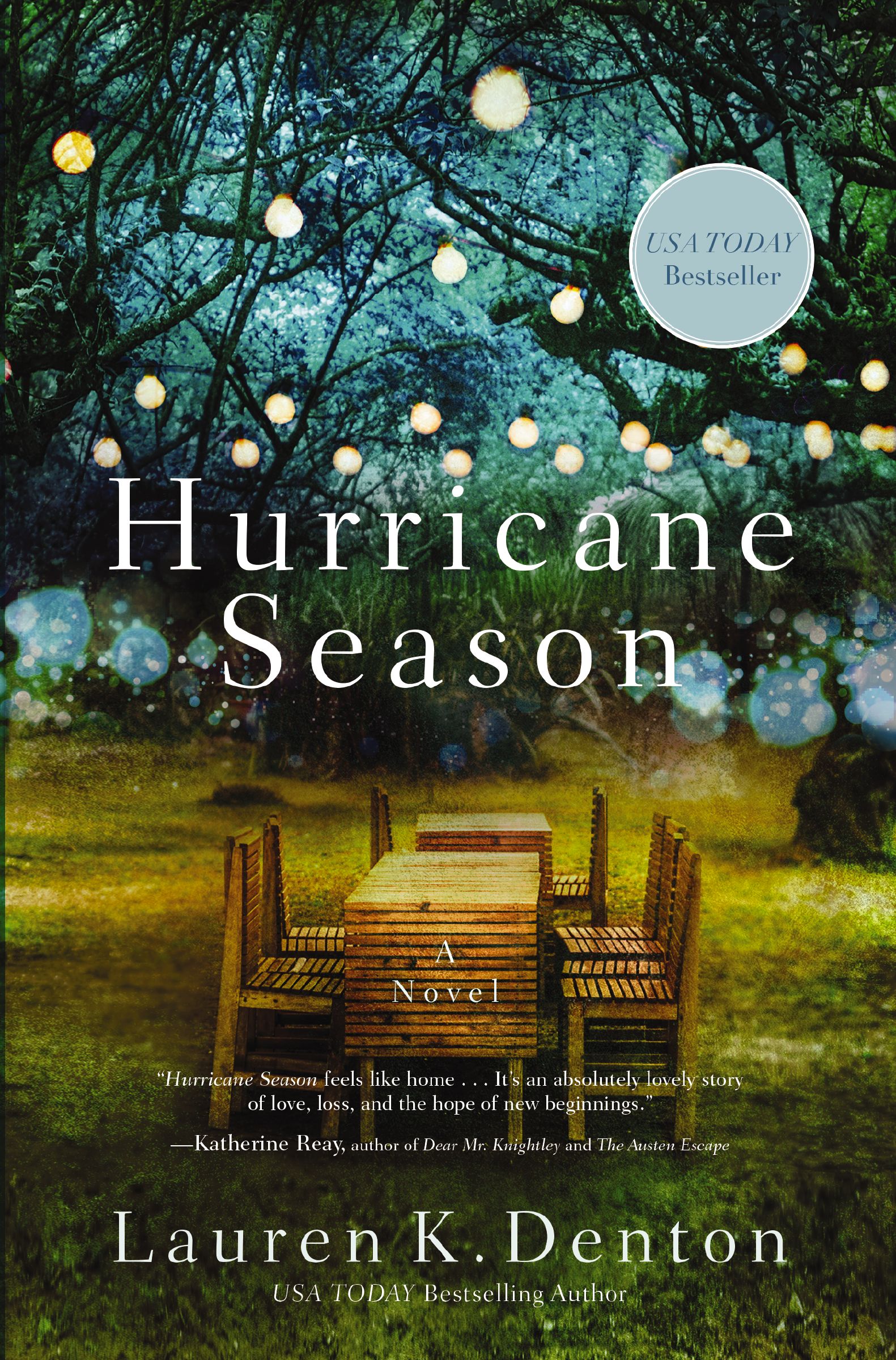
Hurricane Season

Commander in Cheat: How Golf Explains Trump

You Be You: Detox Your Life, Crush Your Limitations, and Own Your Awesome

The Wonderful Things You Will Be
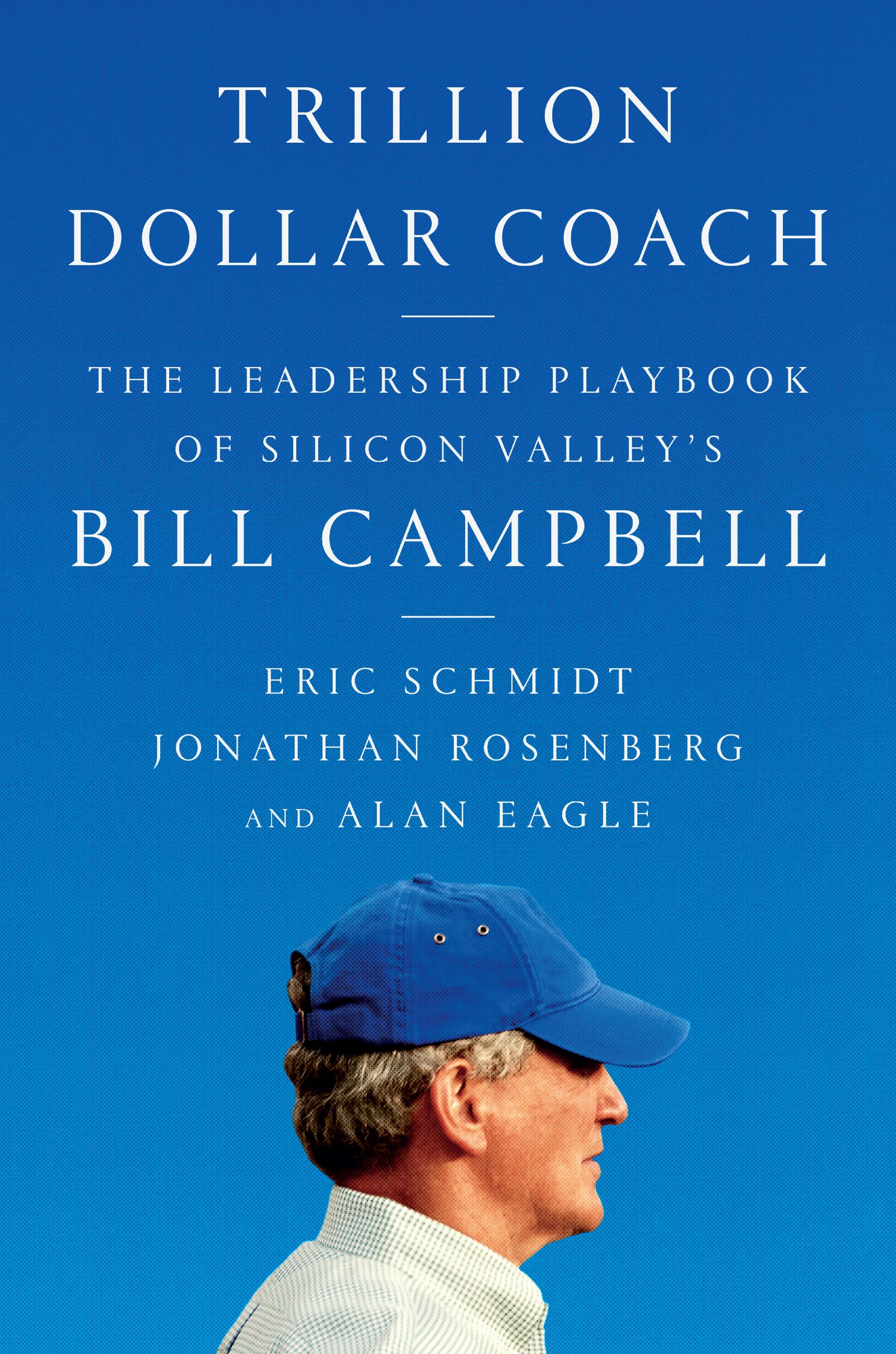
Trillion Dollar Coach: The Leadership Playbook of Silicon Valley's Bill Campbell

Life Will Be the Death of Me: ...And You Too!

Feed Your Best Friend Better: Easy, Nutritious Meals and Treats for Dogs

The Book Club
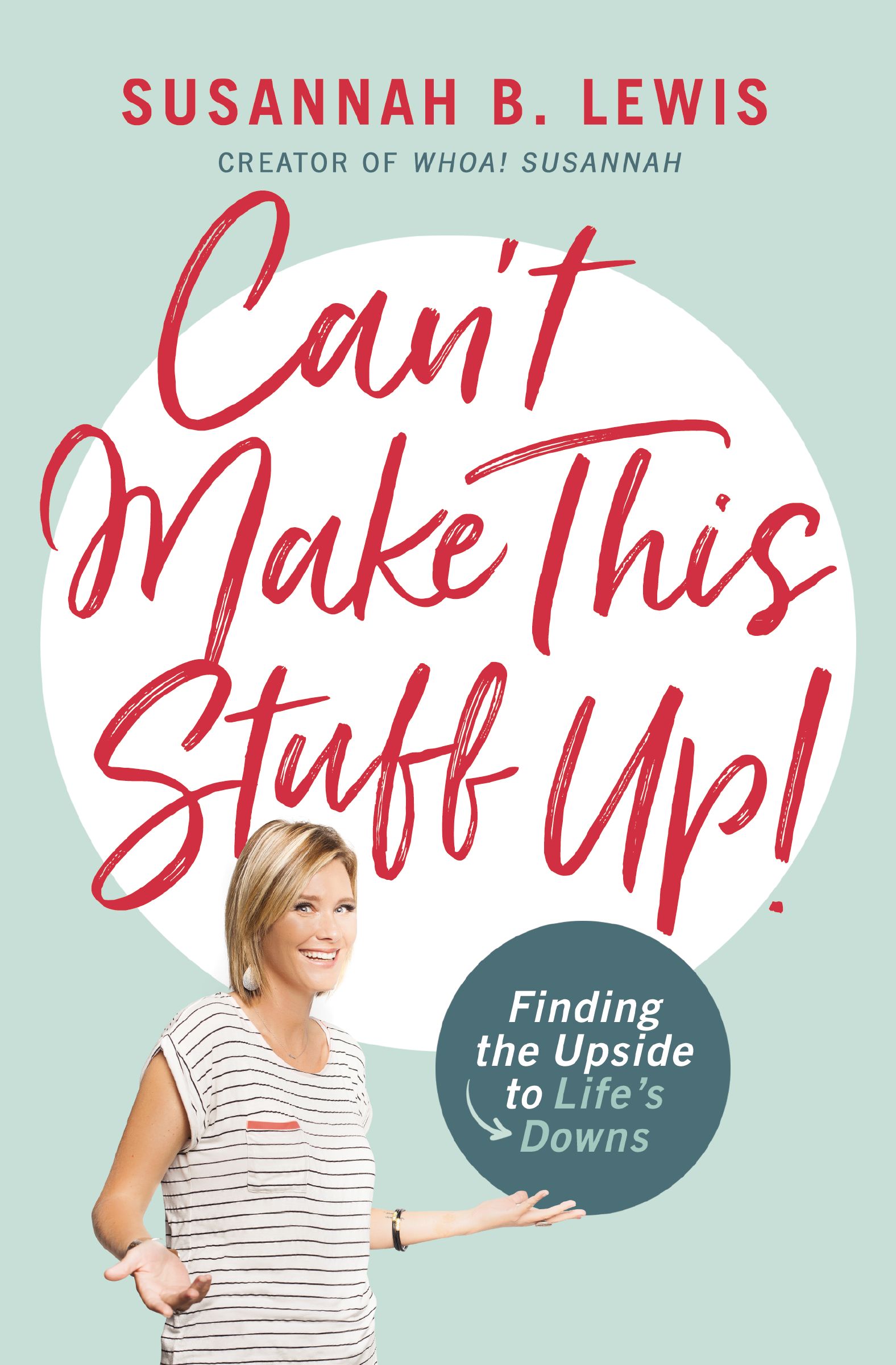
Can't Make This Stuff Up!: Finding the Upside to Life's Downs

Clean & Lean: 30 Days, 30 Foods, a New You!

House of Shadows: An Enthralling Historical Mystery

There Was an Old Lady Who Swallowed a Chick!

Twinkle, Twinkle, Little Star (Indestructibles Series)

American Moonshot: John F. Kennedy and the Great Space Race
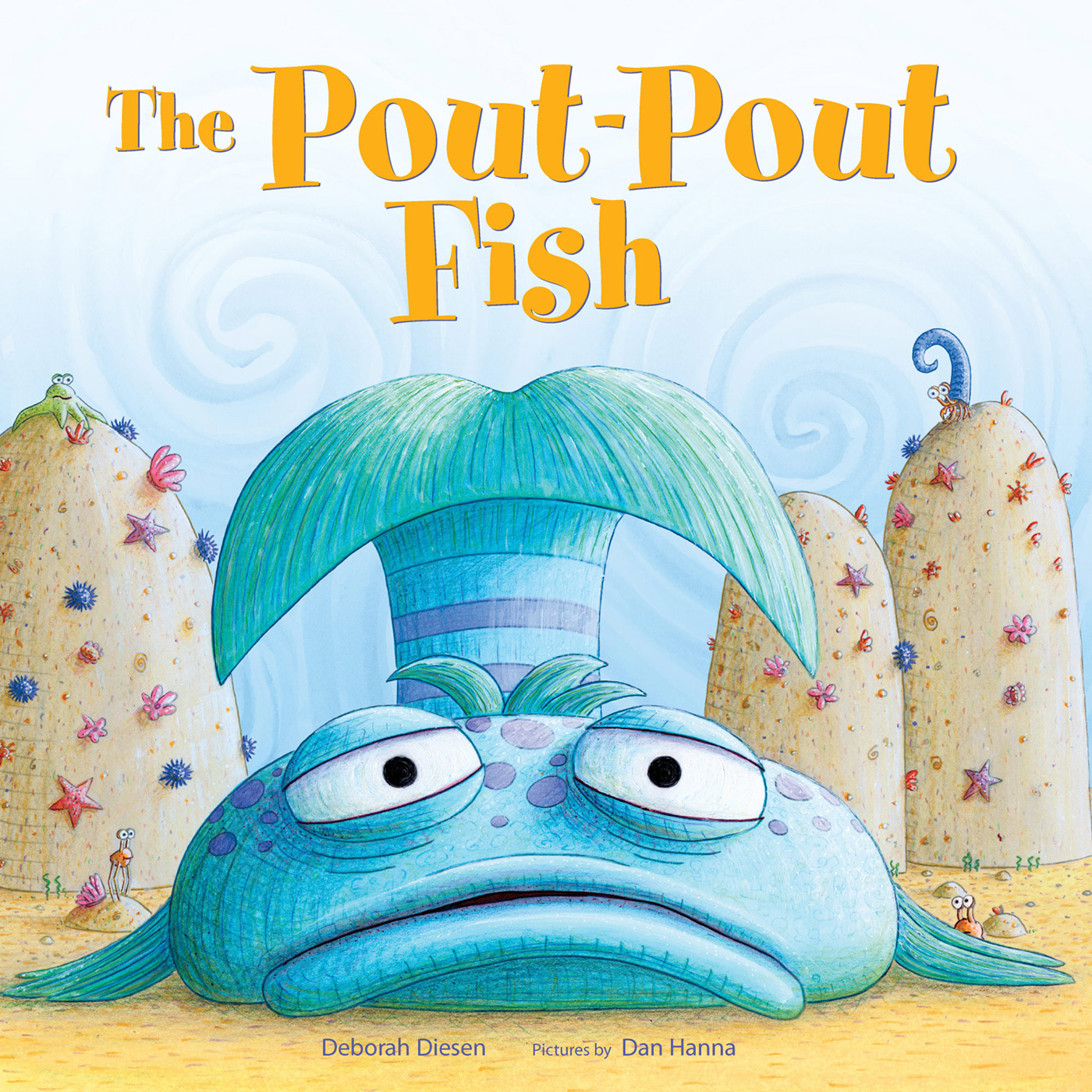
The Pout-Pout Fish

Good Night, Little Blue Truck

Going to School

Settings
Reflow text when sidebars are open.
