
- Browse Category
Subjects
 We Begin at the EndLearn More
 - Choice Picks
- Top 100 Free Books
- Blog
- Recently Added
- Submit your eBook
- Browse Category
We Begin at the EndLearn More
- Choice Picks
- Top 100 Free Books
- Blog
- Recently Added
- Submit your eBook
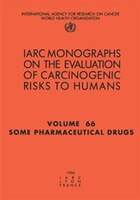
Some Pharmaceutical Drugs Volume 66
2021-01-06 21:01:36
Evaluates the carcinogenic risk to humans posed by the therapeutic use of thirteen pharmaceutical drugs, including eight benzodiazepines and related compounds used for the treatment of anxiety and as sedatives and anticonvulsants, three triphenylethy...
Read more
Evaluates the carcinogenic risk to humans posed by the therapeutic use of thirteen pharmaceutical drugs, including eight benzodiazepines and related compounds used for the treatment of anxiety and as sedatives and anticonvulsants, three triphenylethylene anti-oestrogenic compounds developed for the treatment of breast cancer, and two cholesterol-lowering agents used to treat patients at high risk for cardiovascular disease. Evaluations are based on a critical assessment of all data available for these compounds, including abundant information on pharmacokinetic and pharmacodynamic effects, precise studies of exposure-response relationships, and findings that shed light on mechanisms of carcinogenic action.
The most extensive monograph evaluates the large body of data on tamoxifen, which has been used for almost two decades as the first-line endocrine therapy for postmenopausal women with advanced metastatic breast cancer. Tamoxifen is also used as adjuvant therapy in patients with breast cancer and is being tested for use as a preventive agent. The evaluation found sufficient evidence in humans for the carcinogenicity of tamoxifen in increasing the risk for endometrial cancer, and conclusive evidence that tamoxifen reduces the risk for contralateral breast cancer in women with a previous diagnosis of breast cancer. Evidence for the carcinogenicity of tamoxifen in other organs was judged inadequate.
Of the benzodiazepines, diazepam, which is the most widely prescribed, received the most extensive evaluation. Evidence reviewed suggested lack of carcinogenicity to the breast and inadequate evidence for carcinogenicity at other sites in humans. Diazepam could not be classified as to its carcinogenic risk to humans. Of the remaining benzodiazepines and related compounds, estazolam, prazepam, ripazepam, and temazepam could not be classified as to their carcinogenicity to humans. Oxazepam was classified as possible carcinogenic to humans on the basis of its carcinogenicity to rodents and uncertainty about extrapolation of experimental data to humans. Phenytoin, which has been widely used since the 1930s as an anticonvulsant in the treatment of epilepsy, was classified as possibly carcinogenic to humans.
Of the remaining triphenylethylene anti-oestrogenic drugs developed for the treatment of breast cancer, neither toremifene, which is just being introduced, nor droloxifene, which is under development, could be classified. Likewise, data were judged inadequate for the classification of the two cholesterol-lowering drugs, clofibrate and gemfibrozil. Less
The most extensive monograph evaluates the large body of data on tamoxifen, which has been used for almost two decades as the first-line endocrine therapy for postmenopausal women with advanced metastatic breast cancer. Tamoxifen is also used as adjuvant therapy in patients with breast cancer and is being tested for use as a preventive agent. The evaluation found sufficient evidence in humans for the carcinogenicity of tamoxifen in increasing the risk for endometrial cancer, and conclusive evidence that tamoxifen reduces the risk for contralateral breast cancer in women with a previous diagnosis of breast cancer. Evidence for the carcinogenicity of tamoxifen in other organs was judged inadequate.
Of the benzodiazepines, diazepam, which is the most widely prescribed, received the most extensive evaluation. Evidence reviewed suggested lack of carcinogenicity to the breast and inadequate evidence for carcinogenicity at other sites in humans. Diazepam could not be classified as to its carcinogenic risk to humans. Of the remaining benzodiazepines and related compounds, estazolam, prazepam, ripazepam, and temazepam could not be classified as to their carcinogenicity to humans. Oxazepam was classified as possible carcinogenic to humans on the basis of its carcinogenicity to rodents and uncertainty about extrapolation of experimental data to humans. Phenytoin, which has been widely used since the 1930s as an anticonvulsant in the treatment of epilepsy, was classified as possibly carcinogenic to humans.
Of the remaining triphenylethylene anti-oestrogenic drugs developed for the treatment of breast cancer, neither toremifene, which is just being introduced, nor droloxifene, which is under development, could be classified. Likewise, data were judged inadequate for the classification of the two cholesterol-lowering drugs, clofibrate and gemfibrozil. Less

Compare Prices
| Store | Availability | Book Format | Condition | Price |
|---|---|---|---|---|
| Indigo Books & Music | In Stock | Buy CAD 93.95 | ||
| Indigo Books & Music | In Stock | Paperback | Paperback | Buy CAD 91.50 |
| BetterWorld.com - New, Used, Rare Books & Textbooks | In Stock | Buy USD 15.84 |
Available Discount
No Discount available
Related Books
View All
House of Shadows: An Enthralling Historical Mystery

We Are Not Friends (You Are Not Small)

The Book Club
Diary of an Awesome Friendly Kid: Rowley Jefferson's Journal
Hurricane Season

The Wonderful Things You Will Be

The Secret Wife: A captivating story of romance, passion and mystery

Feed Your Best Friend Better: Easy, Nutritious Meals and Treats for Dogs
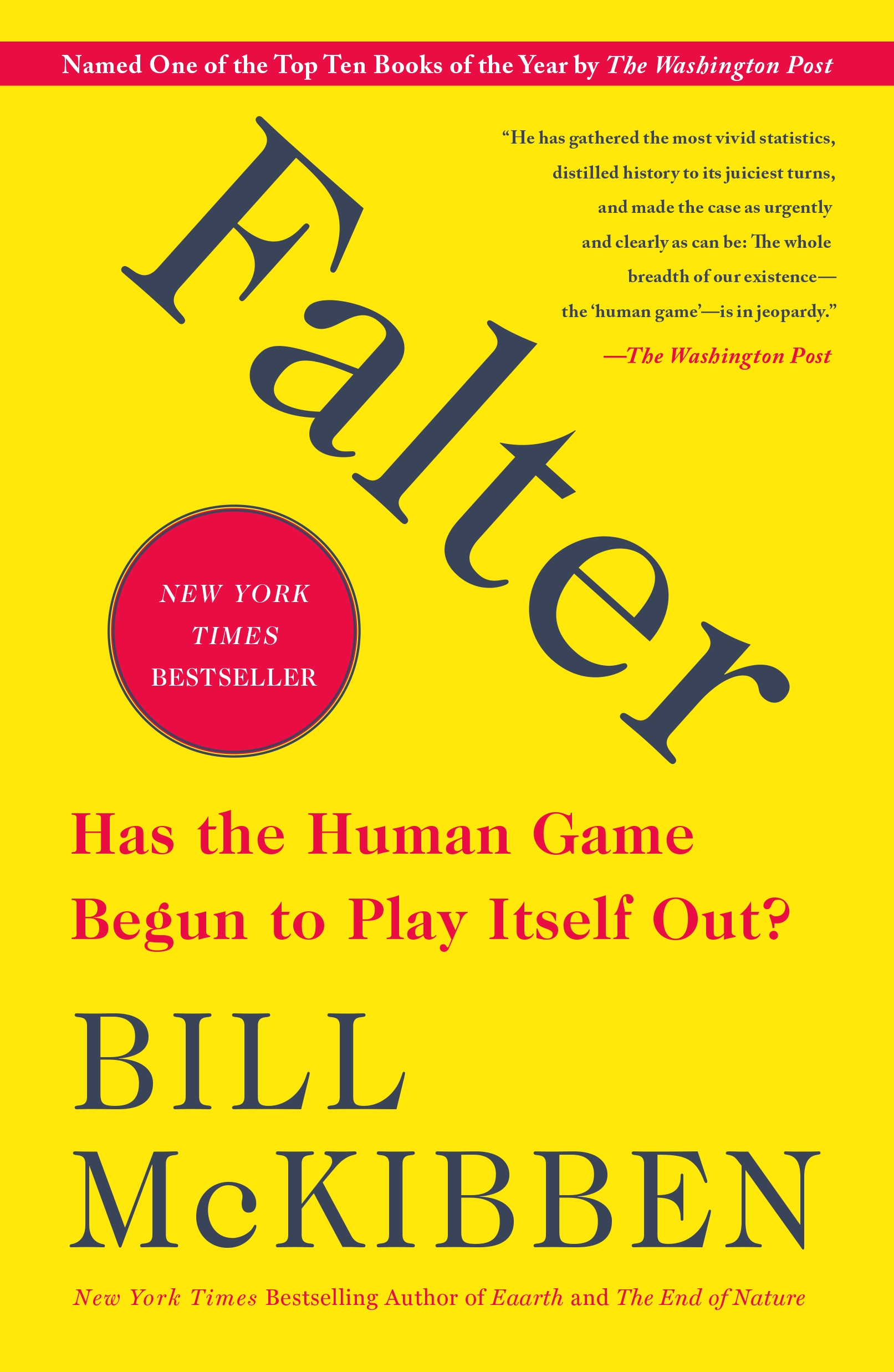
Falter: Has the Human Game Begun to Play Itself Out?

Made for Me

Commander in Cheat: How Golf Explains Trump
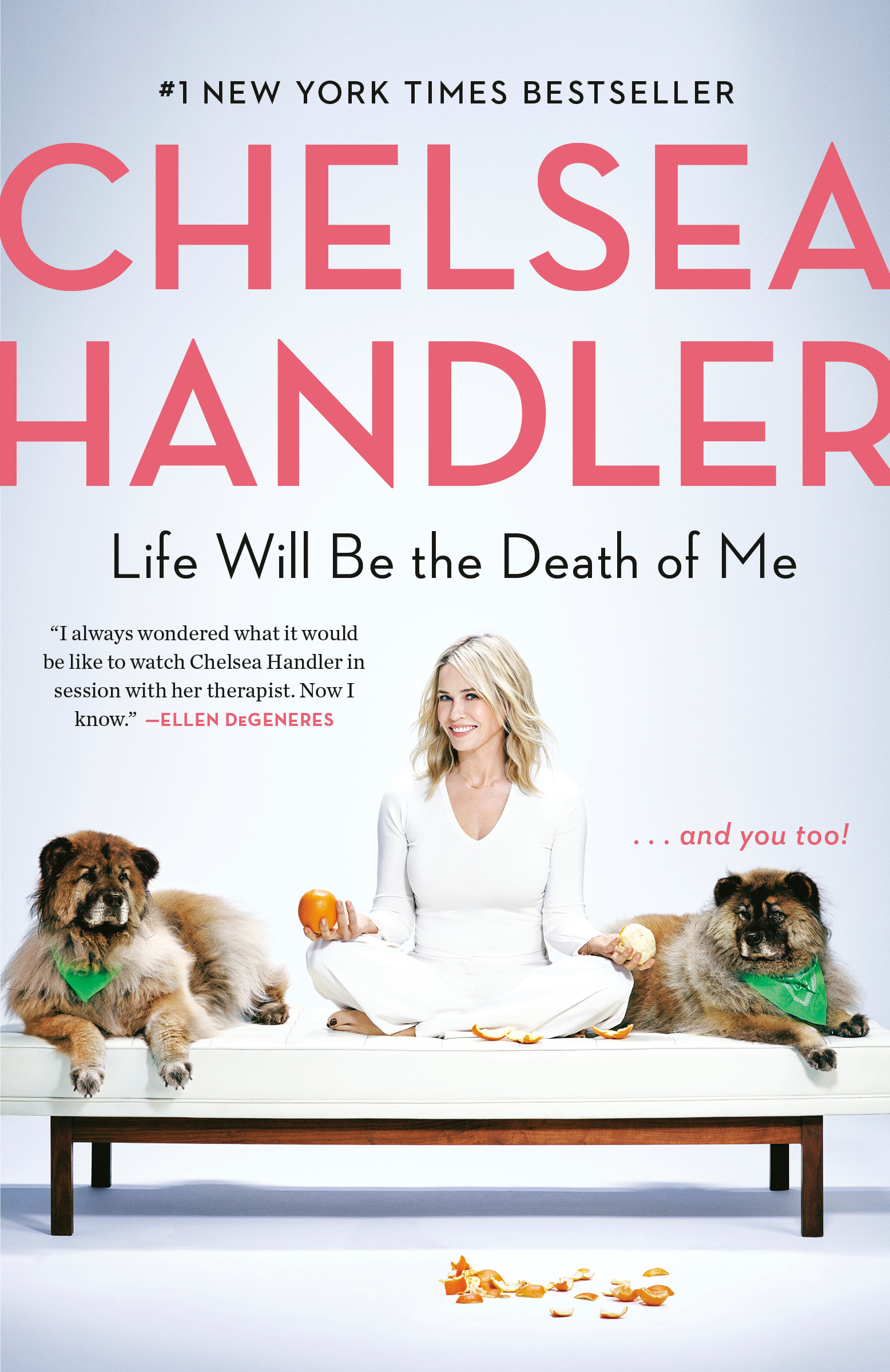
Life Will Be the Death of Me: ...And You Too!

Secrets Between Us: An absolutely gripping psychological thriller

You Be You: Detox Your Life, Crush Your Limitations, and Own Your Awesome

Good Night, Little Blue Truck
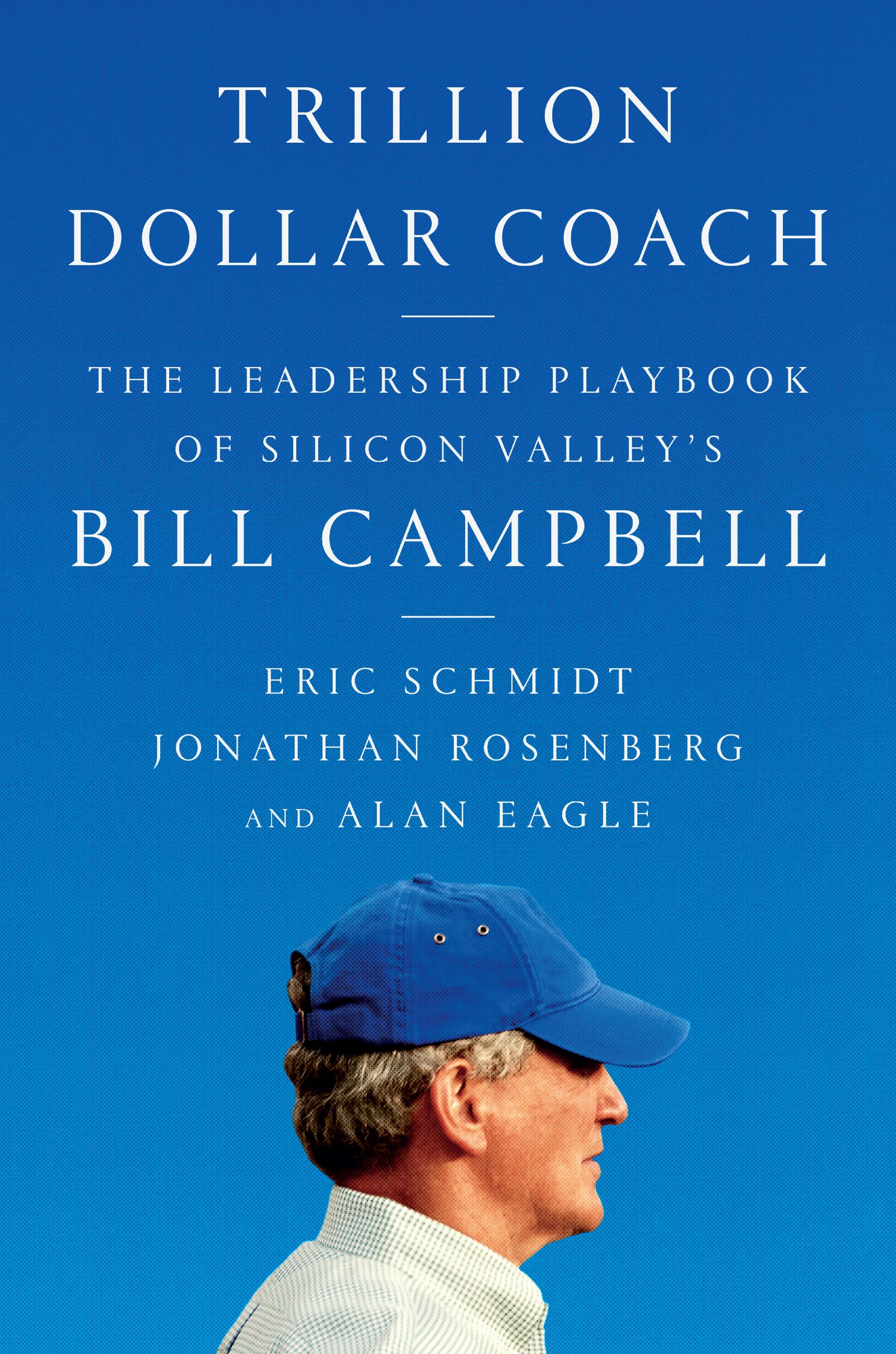
Trillion Dollar Coach: The Leadership Playbook of Silicon Valley's Bill Campbell

Row, Row, Row Your Boat (Indestructibles Series)

There Was an Old Lady Who Swallowed a Chick!
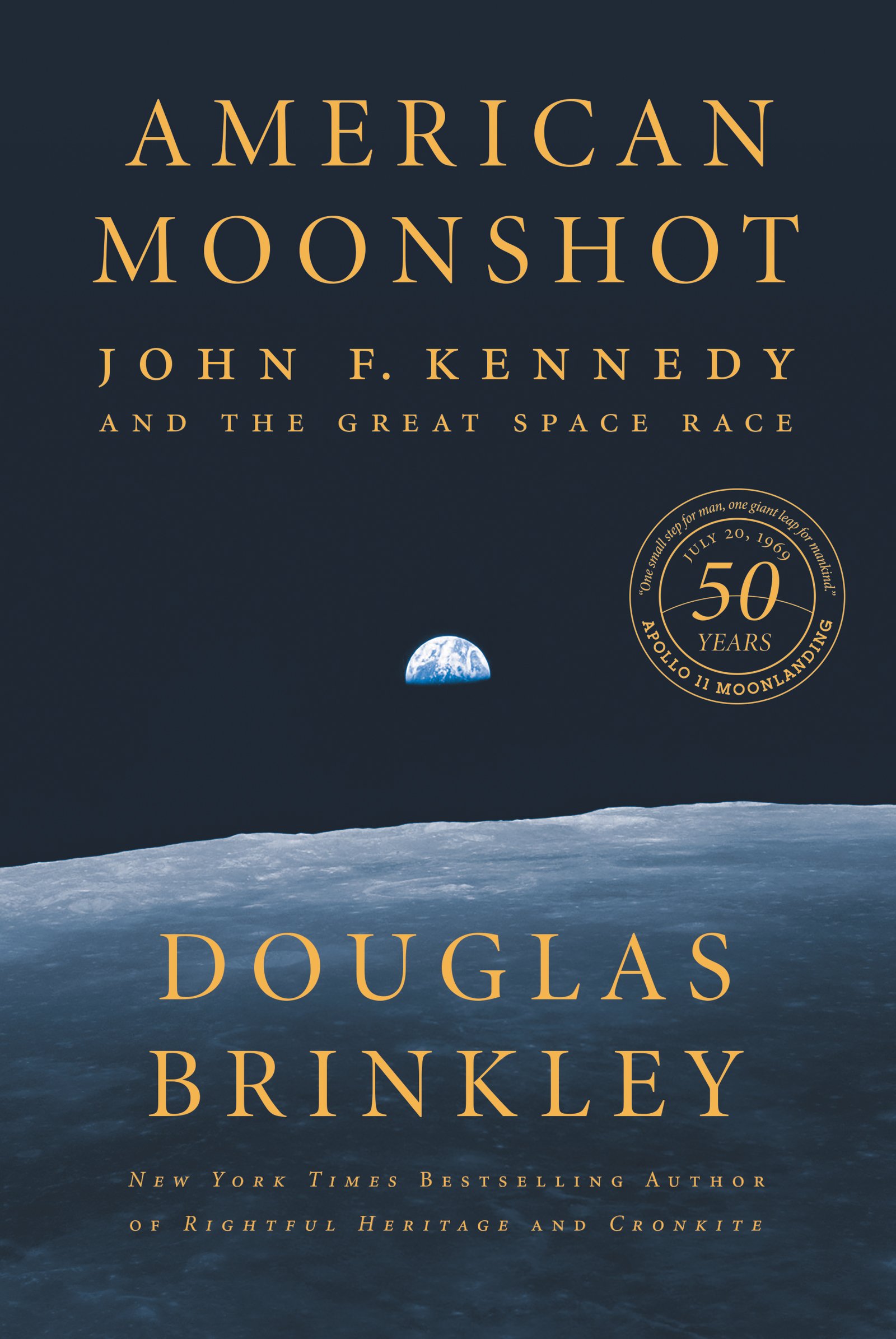
American Moonshot: John F. Kennedy and the Great Space Race
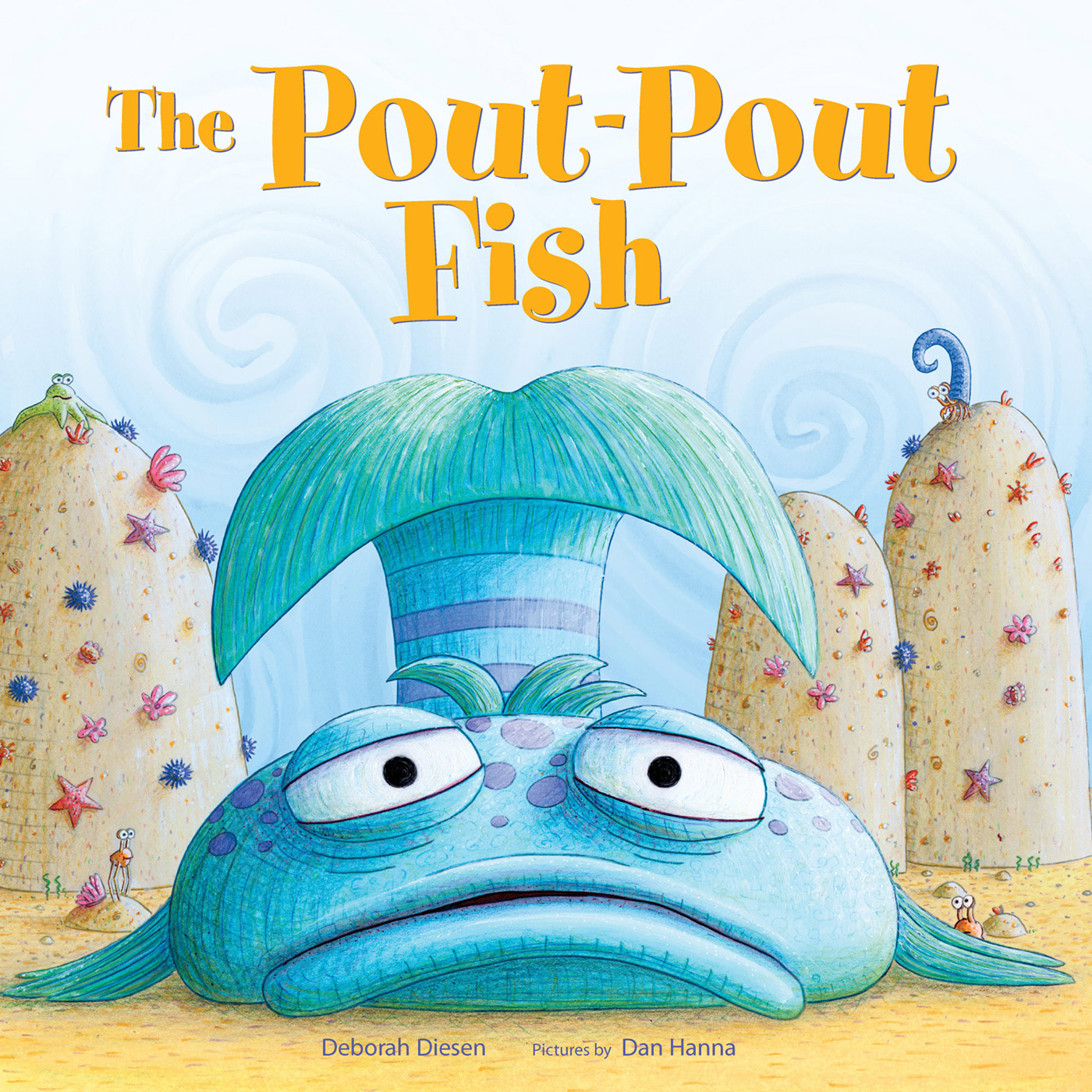
The Pout-Pout Fish

Twinkle, Twinkle, Little Star (Indestructibles Series)

Going to School
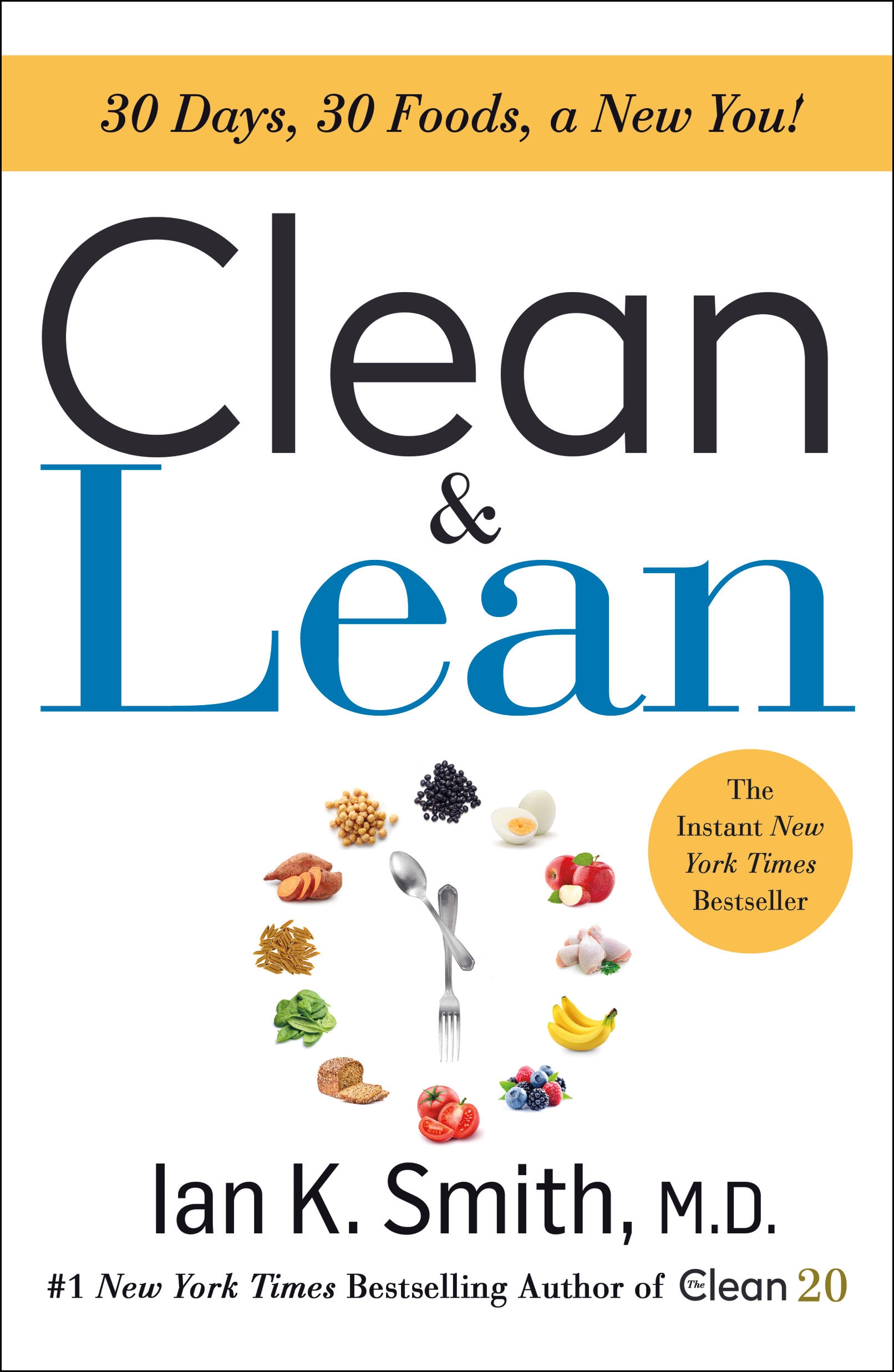
Clean & Lean: 30 Days, 30 Foods, a New You!
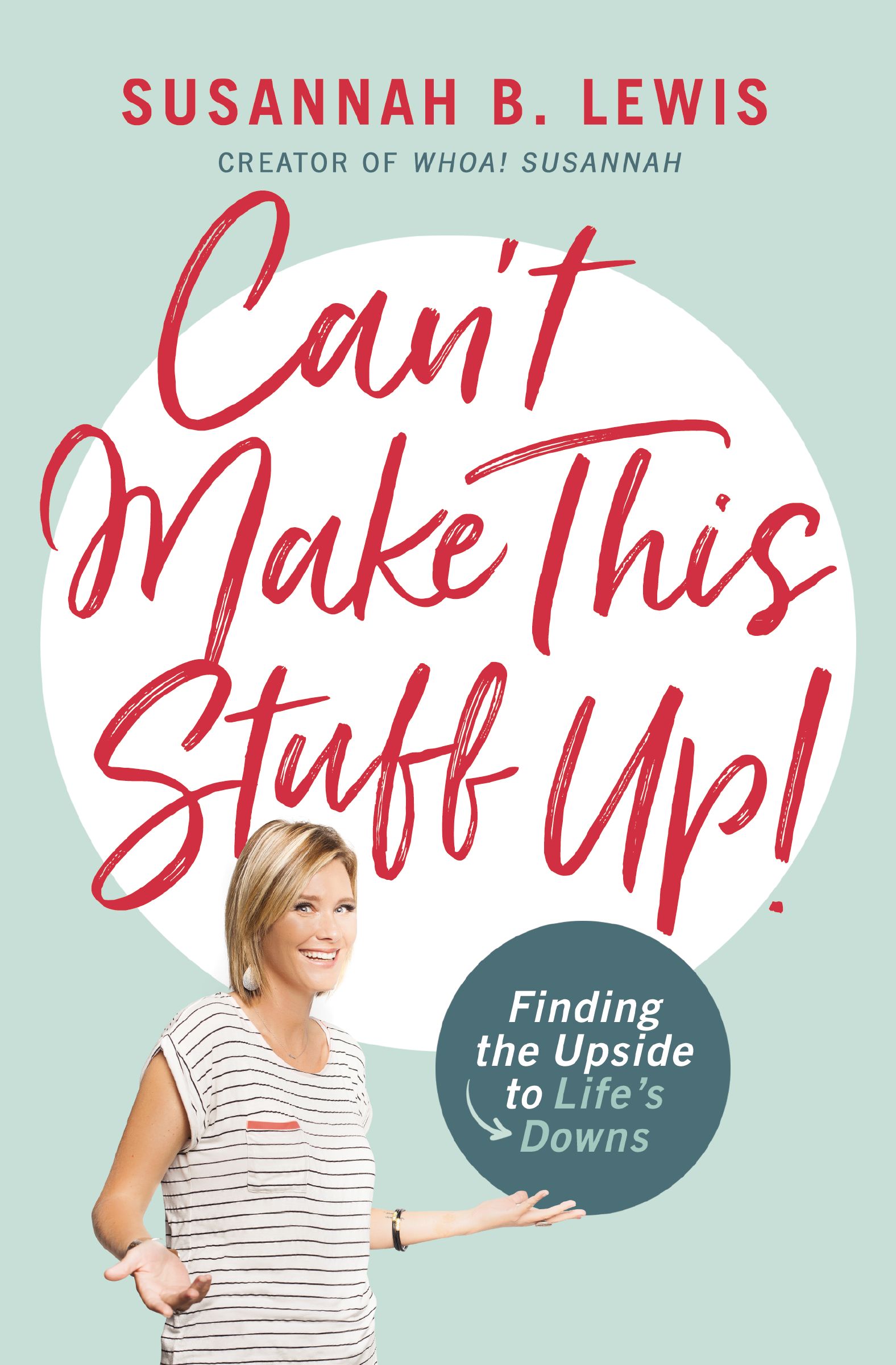
Can't Make This Stuff Up!: Finding the Upside to Life's Downs

The Silent Woman (Cat Carlisle, Book 1)

Settings
Reflow text when sidebars are open.
