
- Browse Category
Subjects
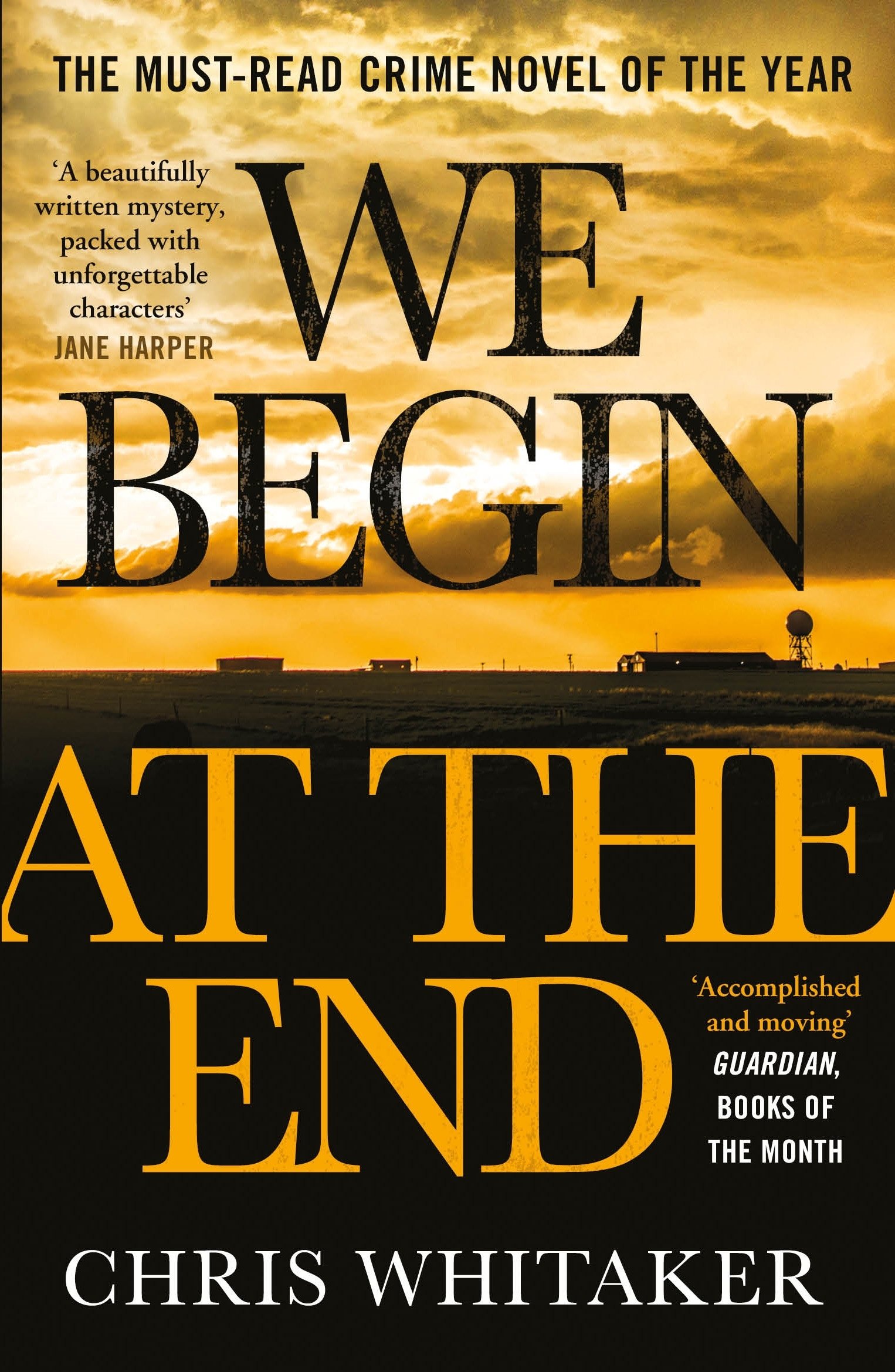 We Begin at the EndLearn More
 - Choice Picks
- Top 100 Free Books
- Blog
- Recently Added
- Submit your eBook
- Browse Category
We Begin at the EndLearn More
- Choice Picks
- Top 100 Free Books
- Blog
- Recently Added
- Submit your eBook
Strangers Nowhere In The World: The Rise Of Cosmopolitanism In Early Modern Europe
2021-01-10 09:04:24
The mingling of aristocrats and commoners in a southern French city, the jostling of foreigners in stock markets across northern and western Europe, the club gatherings in Paris and London of genteel naturalists busily distilling plants or making air...
Read more
The mingling of aristocrats and commoners in a southern French city, the jostling of foreigners in stock markets across northern and western Europe, the club gatherings in Paris and London of genteel naturalists busily distilling plants or making air pumps, the ritual fraternizing of "brothers" in privacy and even secrecy—Margaret Jacob invokes all these examples in Strangers Nowhere in the World to provide glimpses of the cosmopolitan ethos that gradually emerged over the course of the seventeenth and eighteenth centuries.
Jacob investigates what it was to be cosmopolitan in Europe during the early modern period. Then—as now—being cosmopolitan meant the ability to experience people of different nations, creeds, and colors with pleasure, curiosity, and interest. Yet such a definition did not come about automatically, nor could it always be practiced easily by those who embraced its principles. Cosmopolites had to strike a delicate balance between the transgressive and the subversive, the radical and the dangerous, the open-minded and the libertine. Jacob traces the history of this precarious balancing act to illustrate how ideals about cosmopolitanism were eventually transformed into lived experiences and practices. From the representatives of the Inquisition who found the mixing of Catholics and Protestants and other types of "border crossing" disruptive to their authority, to the struggles within urbane masonic lodges to open membership to Jews, Jacob also charts the moments when the cosmopolitan impulse faltered.
Jacob pays particular attention to the impact of science and merchant life on the emergence of the cosmopolitan ideal. In the decades after 1650, modern scientific practices coalesced and science became an open enterprise. Experiments were witnessed in social settings of natural inquiry, congenial for the inculcation of cosmopolitan mores. Similarly, the public venues of the stock exchanges brought strangers and foreigners together in ways encouraging them to be cosmopolites. The amount of international and global commerce increased greatly after 1700, and luxury tastes developed that valorized foreign patterns and designs.
Drawing upon sources as various as Inquisition records and spy reports, minutes of scientific societies and the writings of political revolutionaries, Strangers Nowhere in the World reveals a moment in European history when an ideal of cultural openness came to seem strong enough to counter centuries of chauvinism and xenophobia. Perhaps at no time since, Jacob cautions, has that cosmopolitan ideal seemed more fragile and elusive than it is today.
Less
Compare Prices
| Store | Availability | Book Format | Condition | Price |
|---|---|---|---|---|
| Indigo Books & Music | In Stock | Paperback | Paperback | Buy CAD 34.99 |
Available Discount
No Discount available
Related Books
View All
We Are Not Friends (You Are Not Small)
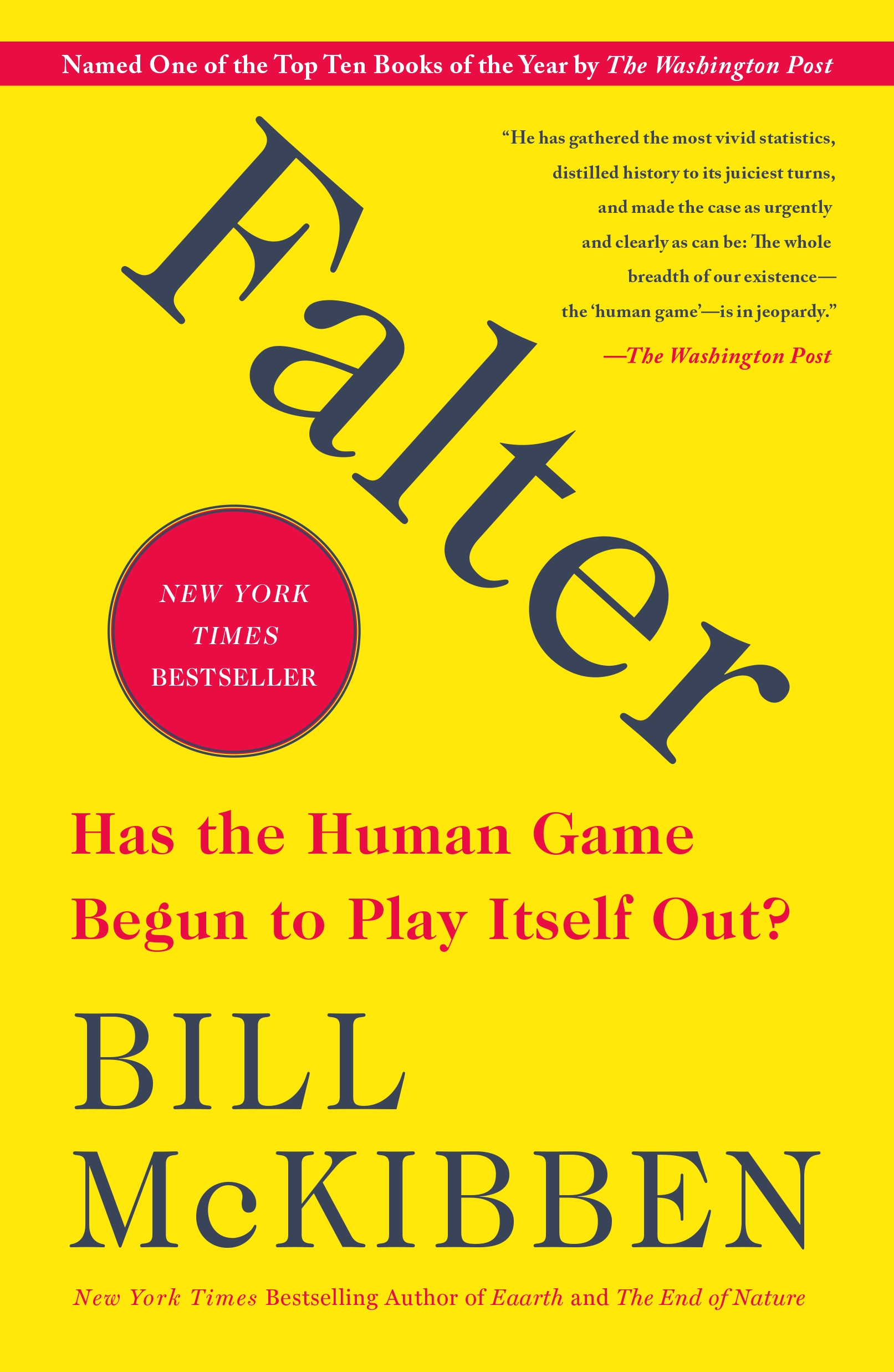
Falter: Has the Human Game Begun to Play Itself Out?
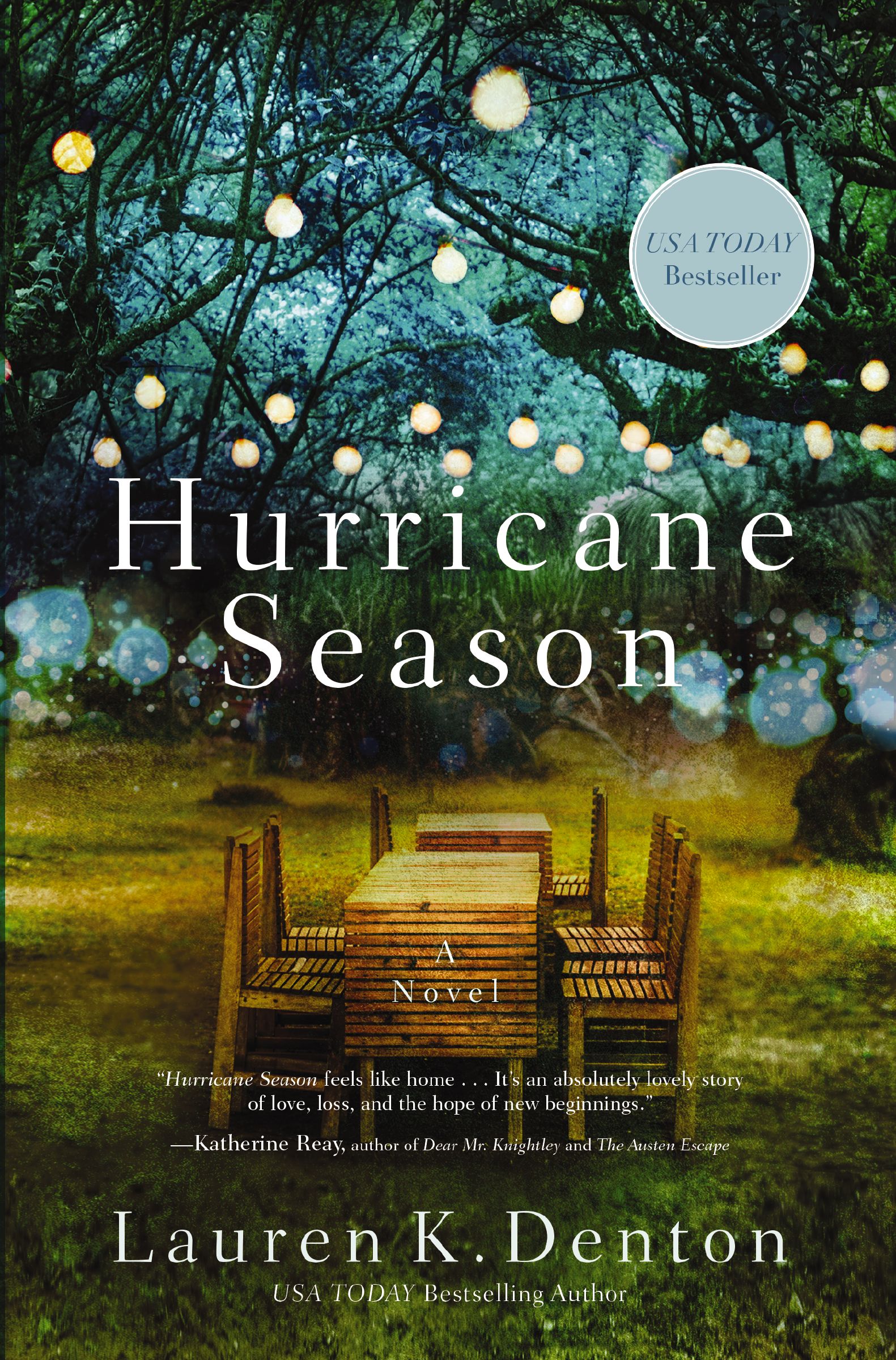
Hurricane Season

Going to School
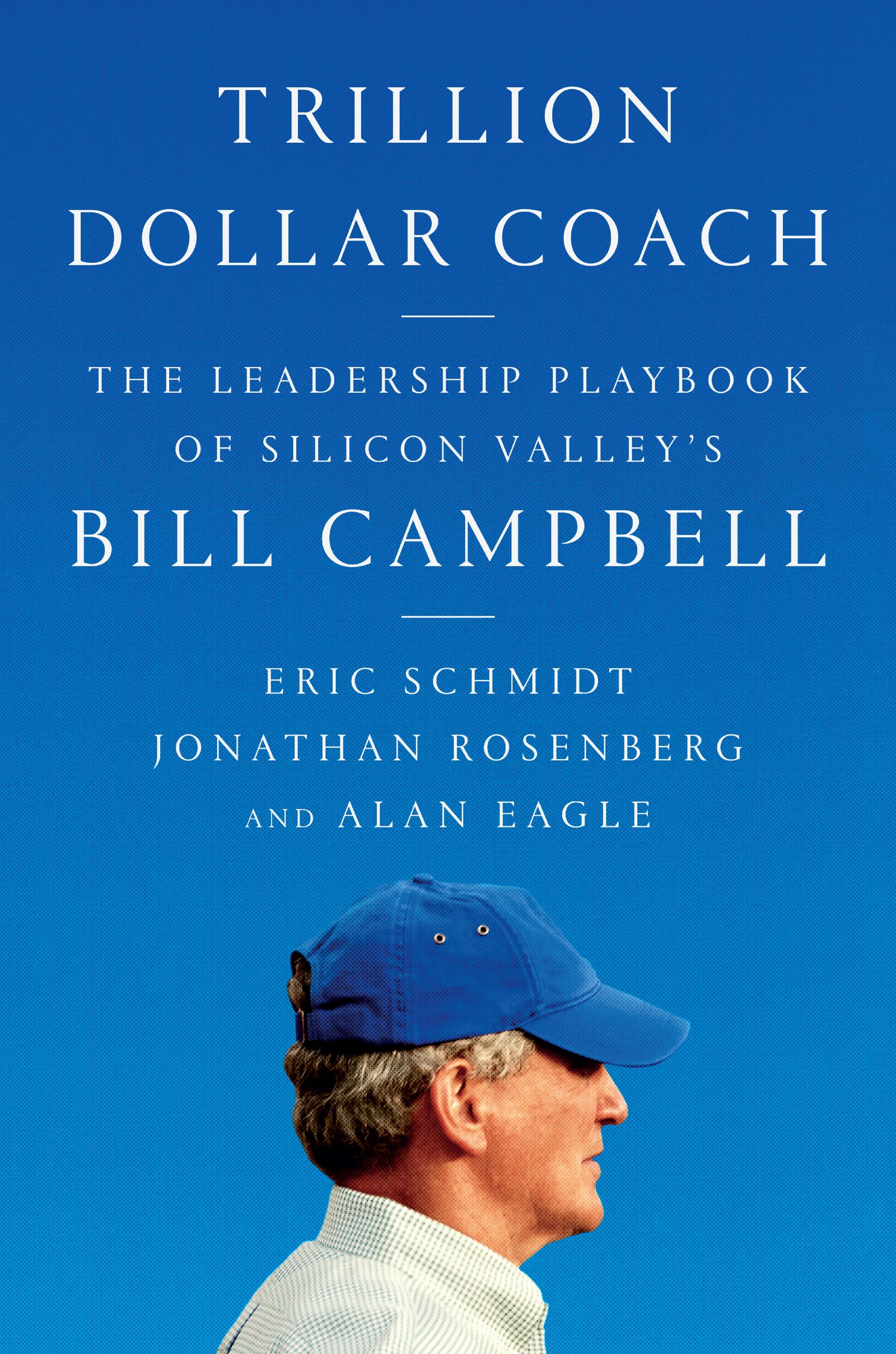
Trillion Dollar Coach: The Leadership Playbook of Silicon Valley's Bill Campbell

Made for Me

You Be You: Detox Your Life, Crush Your Limitations, and Own Your Awesome

Clean & Lean: 30 Days, 30 Foods, a New You!
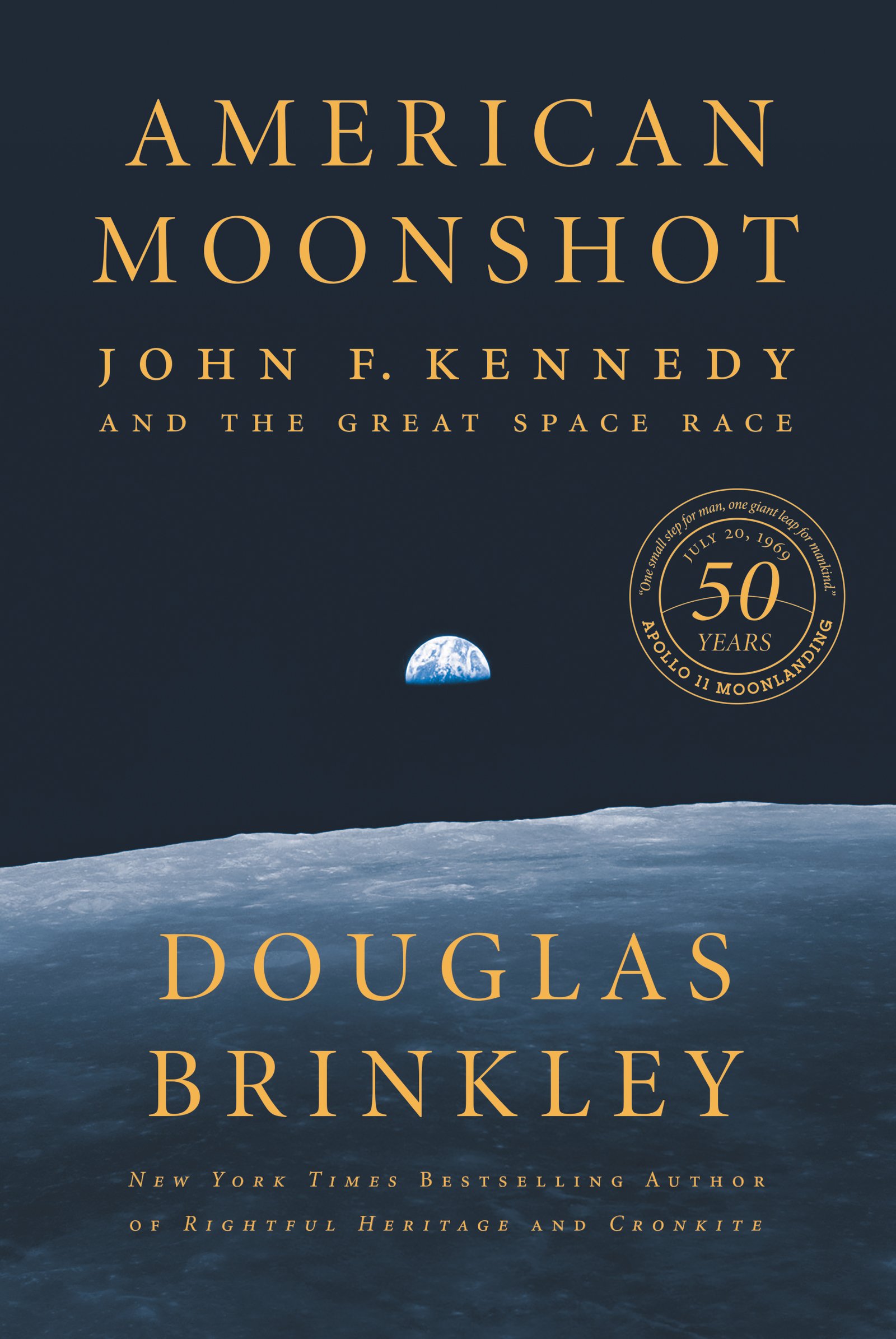
American Moonshot: John F. Kennedy and the Great Space Race
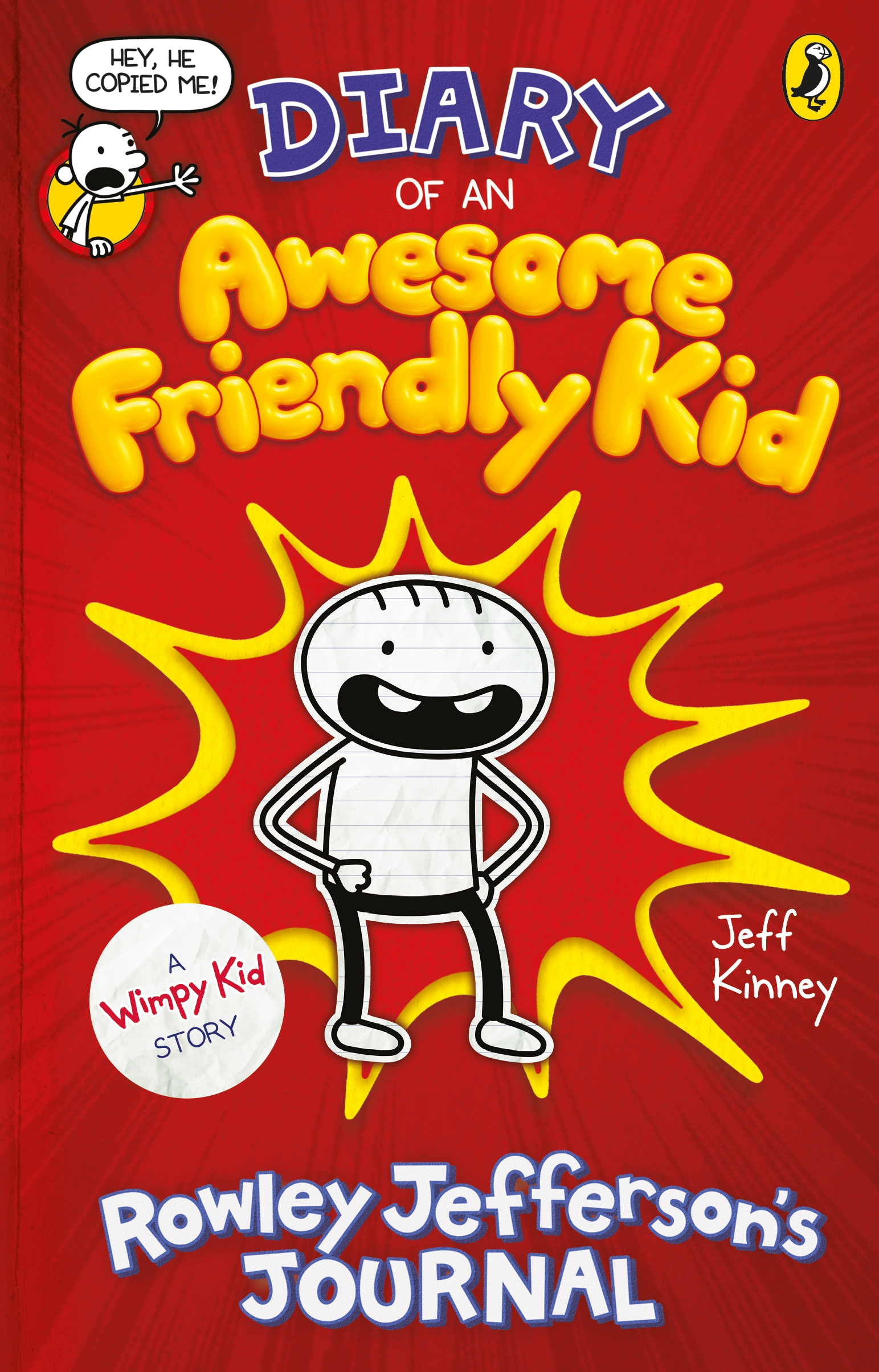
Diary of an Awesome Friendly Kid: Rowley Jefferson's Journal

House of Shadows: An Enthralling Historical Mystery
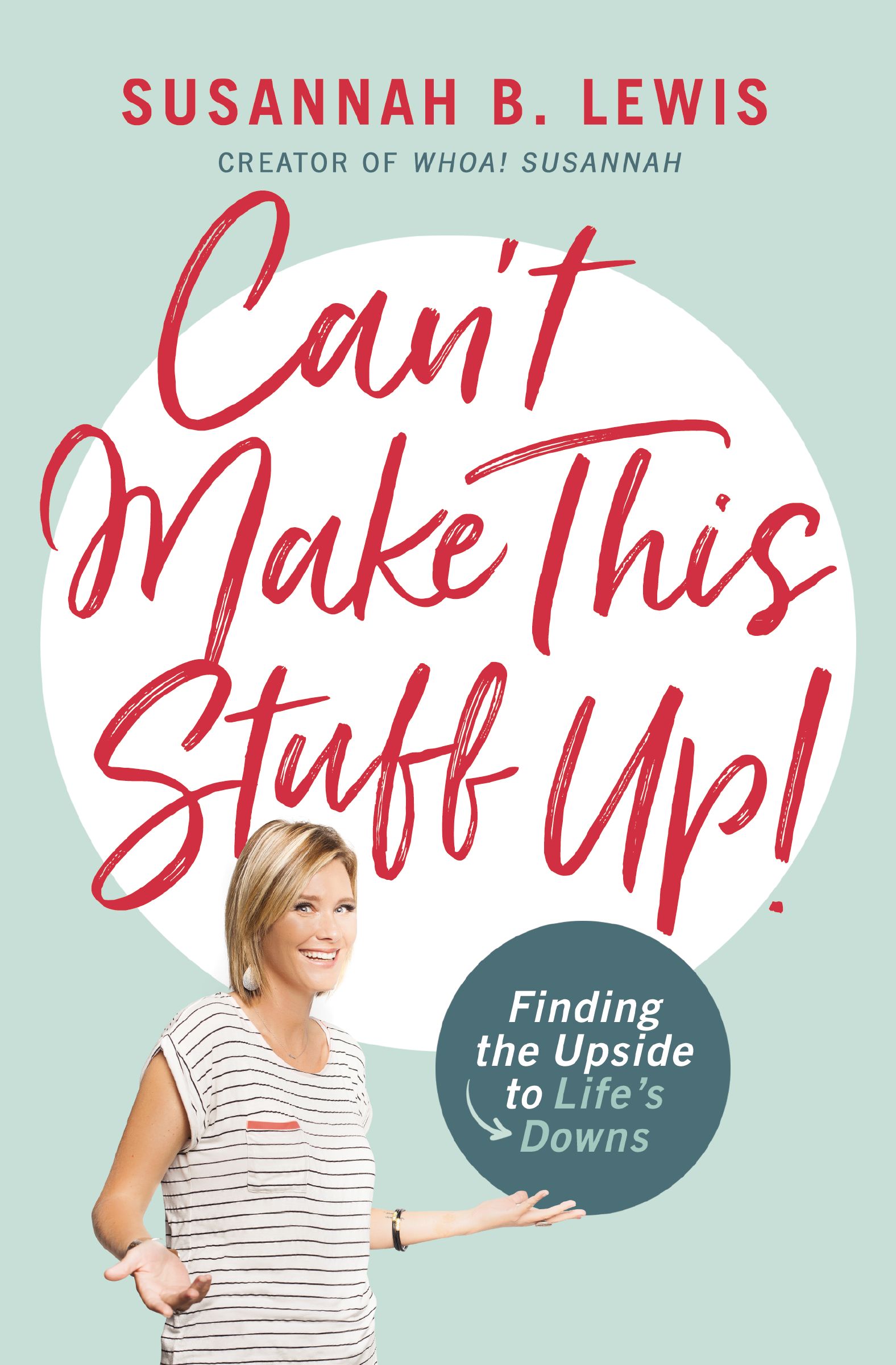
Can't Make This Stuff Up!: Finding the Upside to Life's Downs
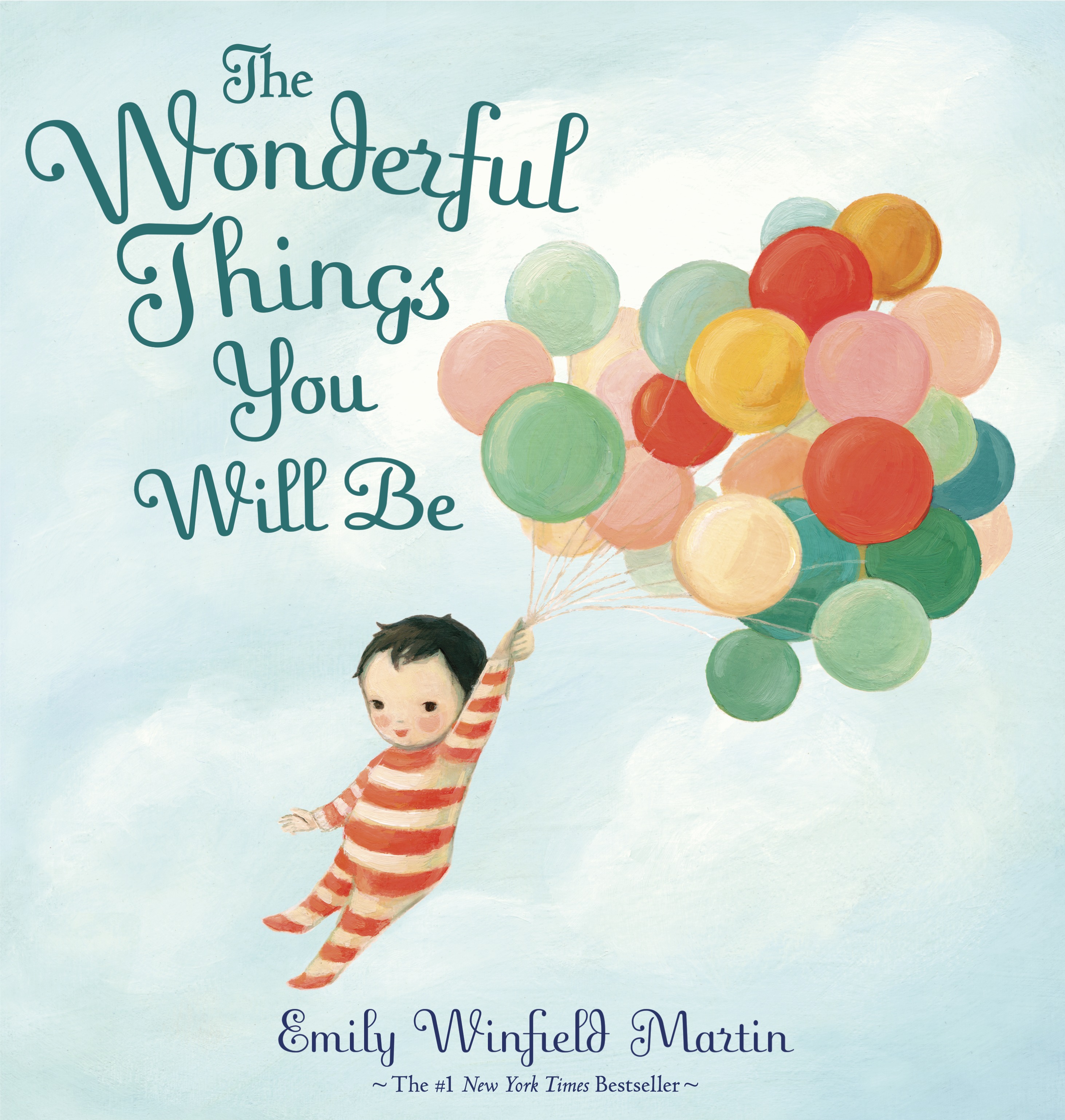
The Wonderful Things You Will Be

The Book Club

The Secret Wife: A captivating story of romance, passion and mystery

There Was an Old Lady Who Swallowed a Chick!

Feed Your Best Friend Better: Easy, Nutritious Meals and Treats for Dogs

Life Will Be the Death of Me: ...And You Too!

Secrets Between Us: An absolutely gripping psychological thriller

Commander in Cheat: How Golf Explains Trump

Twinkle, Twinkle, Little Star (Indestructibles Series)

The Silent Woman (Cat Carlisle, Book 1)

Row, Row, Row Your Boat (Indestructibles Series)

Good Night, Little Blue Truck
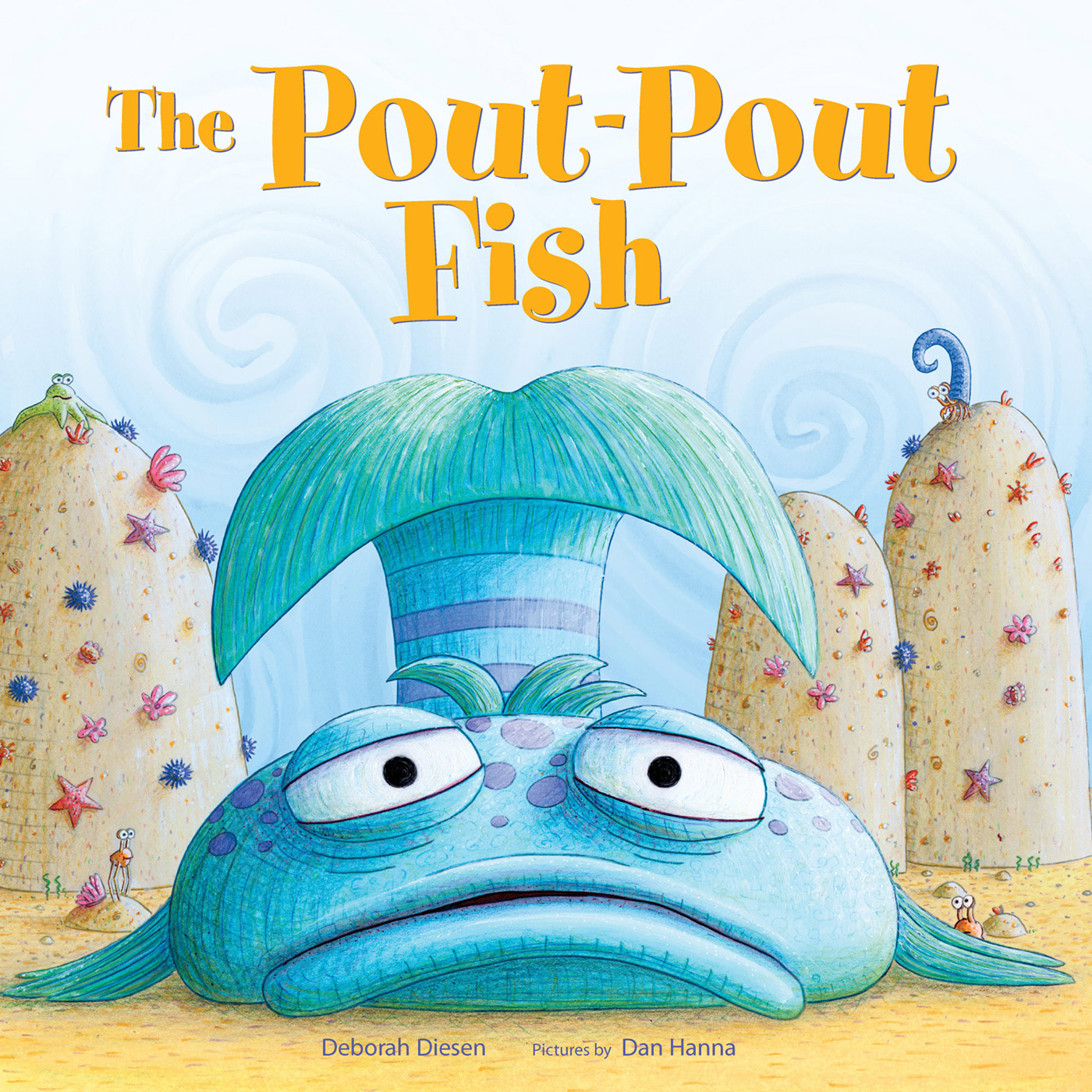
The Pout-Pout Fish

Settings
Reflow text when sidebars are open.
