
- Browse Category
Subjects
 We Begin at the EndLearn More
 - Choice Picks
- Top 100 Free Books
- Blog
- Recently Added
- Submit your eBook
- Browse Category
We Begin at the EndLearn More
- Choice Picks
- Top 100 Free Books
- Blog
- Recently Added
- Submit your eBook

Subcultures: Cultural Histories and Social Practice
2020-12-31 22:34:08
This book presents a cultural history of subcultures, covering a remarkable range of subcultural forms and practices. It begins with London''s ''Elizabethan underworld'', taking the rogue and vagabond as subcultural prototypes: the basis for Marx''s ...
Read more
This book presents a cultural history of subcultures, covering a remarkable range of subcultural forms and practices. It begins with London''s ''Elizabethan underworld'', taking the rogue and vagabond as subcultural prototypes: the basis for Marx''s later view of subcultures as thelumpenproletariat, and Henry Mayhew''s view of subcultures as ''those that will not work''. Subcultures are always in some way non-conforming or dissenting. They are social - with their own shared conventions, values, rituals, and so on - but they can also seem ''immersed'' or self-absorbed. This book identifies six key ways in which subcultures have generally been understood:
- through their often negative relation to work: idle, parasitical, hedonistic, criminal
- their negative or ambivalent relation to class
- their association with territory - the ''street'', the ''hood'', the club - rather than property
- their movement away from home into non-domestic forms of ''belonging''
- their ties to excess and exaggeration (as opposed to restraint and moderation)
- their refusal of the banalities of ordinary life and in particular, of massification.
Subcultureslooks at the way these features find expression across many different subcultural groups: from the Ranters to the riot grrrls, from taxi dancers to drag queens and kings, from bebop to hip hop, from dandies to punk, from hobos to leatherfolk, and from hippies and bohemians to digital pirates and virtual communities. It argues that subcultural identity is primarily a matter of narrative and narration, which means that its focus is literary as well as sociological. It also argues for the idea of asubcultural geography: that subcultures inhabit places in particular ways, their investment in them being as much imaginary as real and, in some cases, strikingly utopian.
Less
Compare Prices
| Store | Availability | Book Format | Condition | Price |
|---|---|---|---|---|
| Indigo Books & Music | In Stock | Paperback | Paperback | Buy CAD 70.50 |
| Barnes & Noble | In Stock | NOOK Book | NOOK Book | Buy USD 33.99 |
| Indigo Books & Music | In Stock | Hard Cover | Hard Cover | Buy CAD 204.11 |
Available Discount
No Discount available
Related Books
View All
Twinkle, Twinkle, Little Star (Indestructibles Series)

Clean & Lean: 30 Days, 30 Foods, a New You!
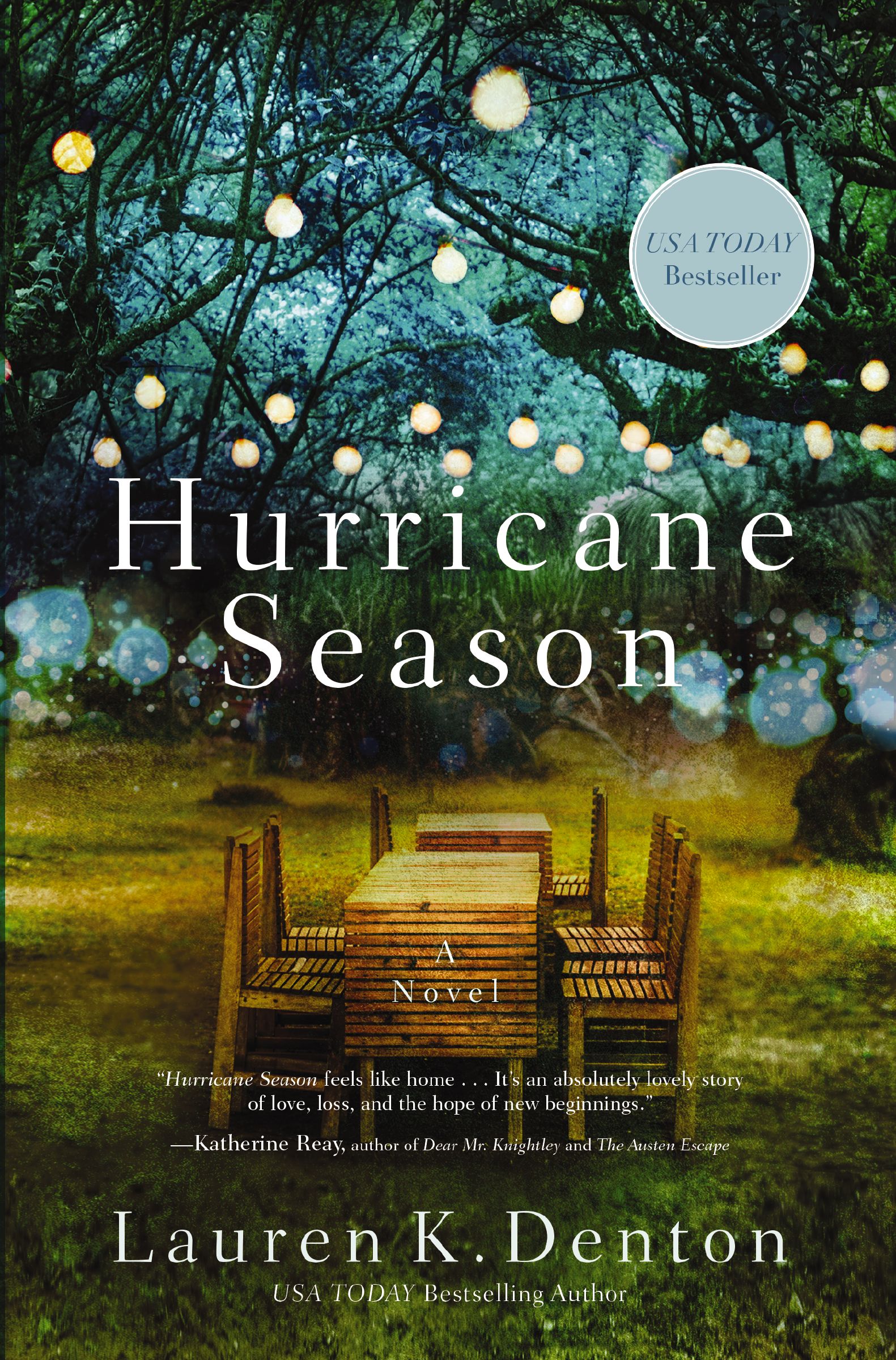
Hurricane Season

The Wonderful Things You Will Be
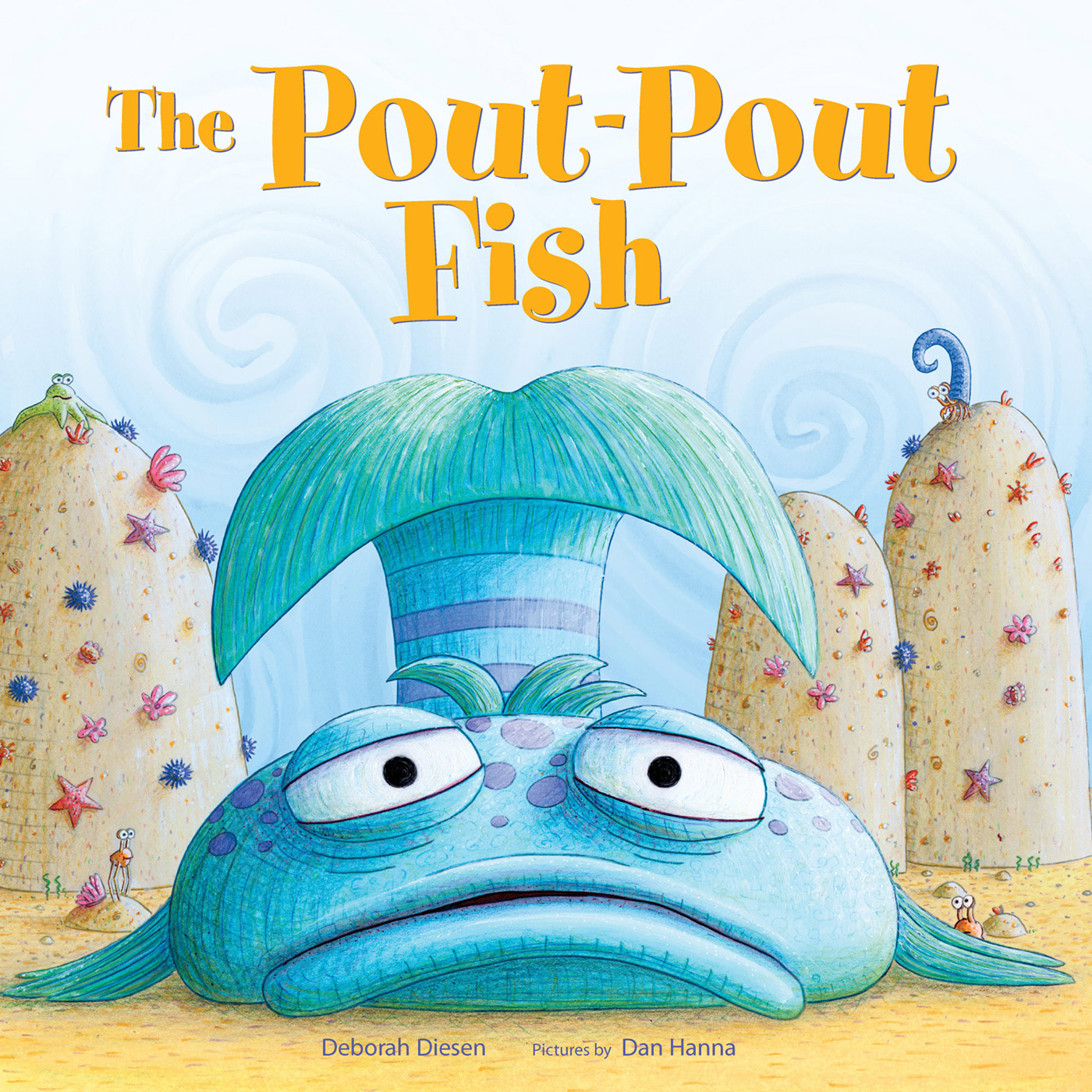
The Pout-Pout Fish
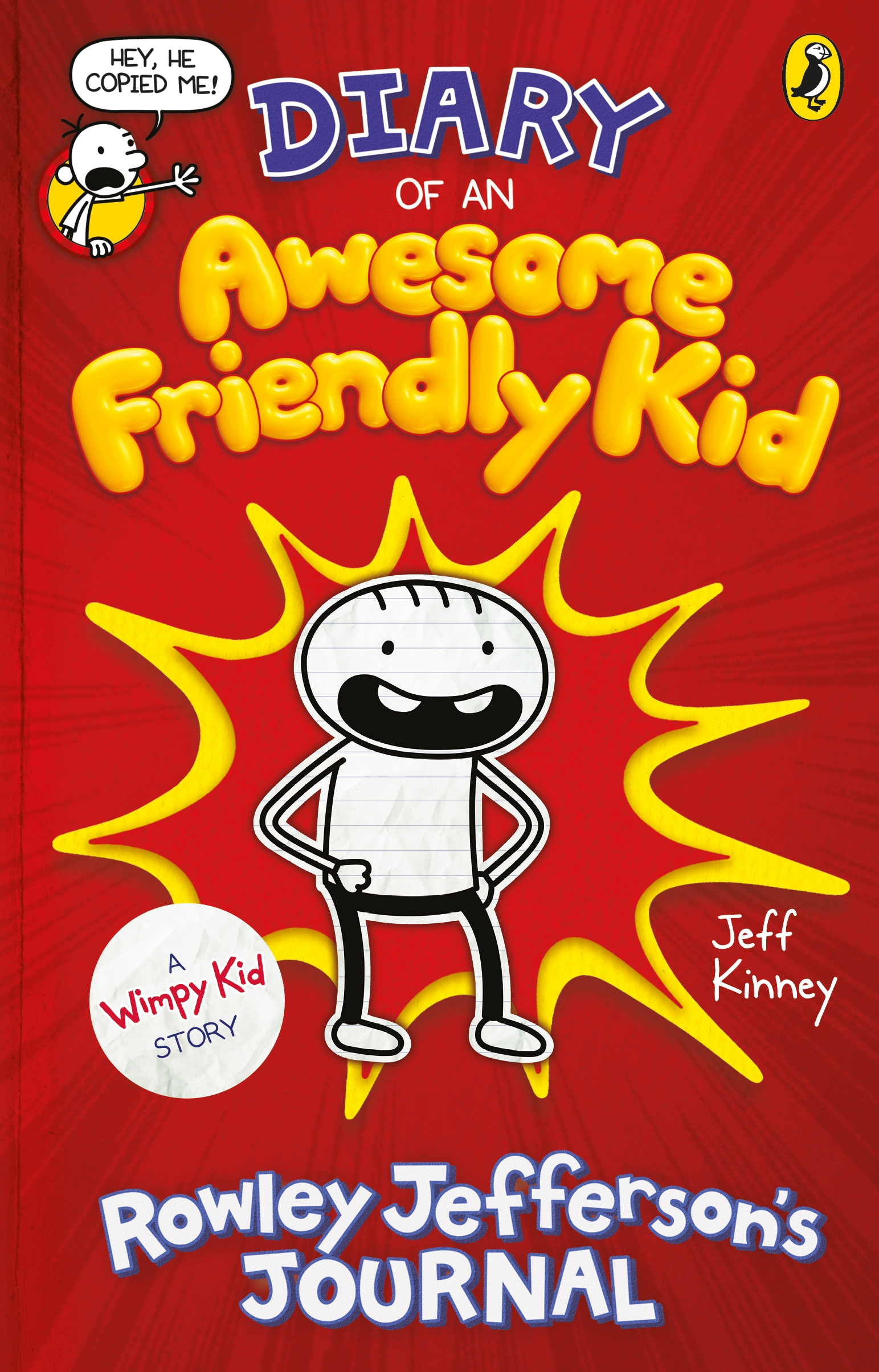
Diary of an Awesome Friendly Kid: Rowley Jefferson's Journal

Going to School

Commander in Cheat: How Golf Explains Trump

American Moonshot: John F. Kennedy and the Great Space Race

The Secret Wife: A captivating story of romance, passion and mystery

Feed Your Best Friend Better: Easy, Nutritious Meals and Treats for Dogs

You Be You: Detox Your Life, Crush Your Limitations, and Own Your Awesome

The Silent Woman (Cat Carlisle, Book 1)

Secrets Between Us: An absolutely gripping psychological thriller

Made for Me

Good Night, Little Blue Truck

The Book Club

Falter: Has the Human Game Begun to Play Itself Out?

House of Shadows: An Enthralling Historical Mystery

We Are Not Friends (You Are Not Small)

There Was an Old Lady Who Swallowed a Chick!

Row, Row, Row Your Boat (Indestructibles Series)

Life Will Be the Death of Me: ...And You Too!

Trillion Dollar Coach: The Leadership Playbook of Silicon Valley's Bill Campbell
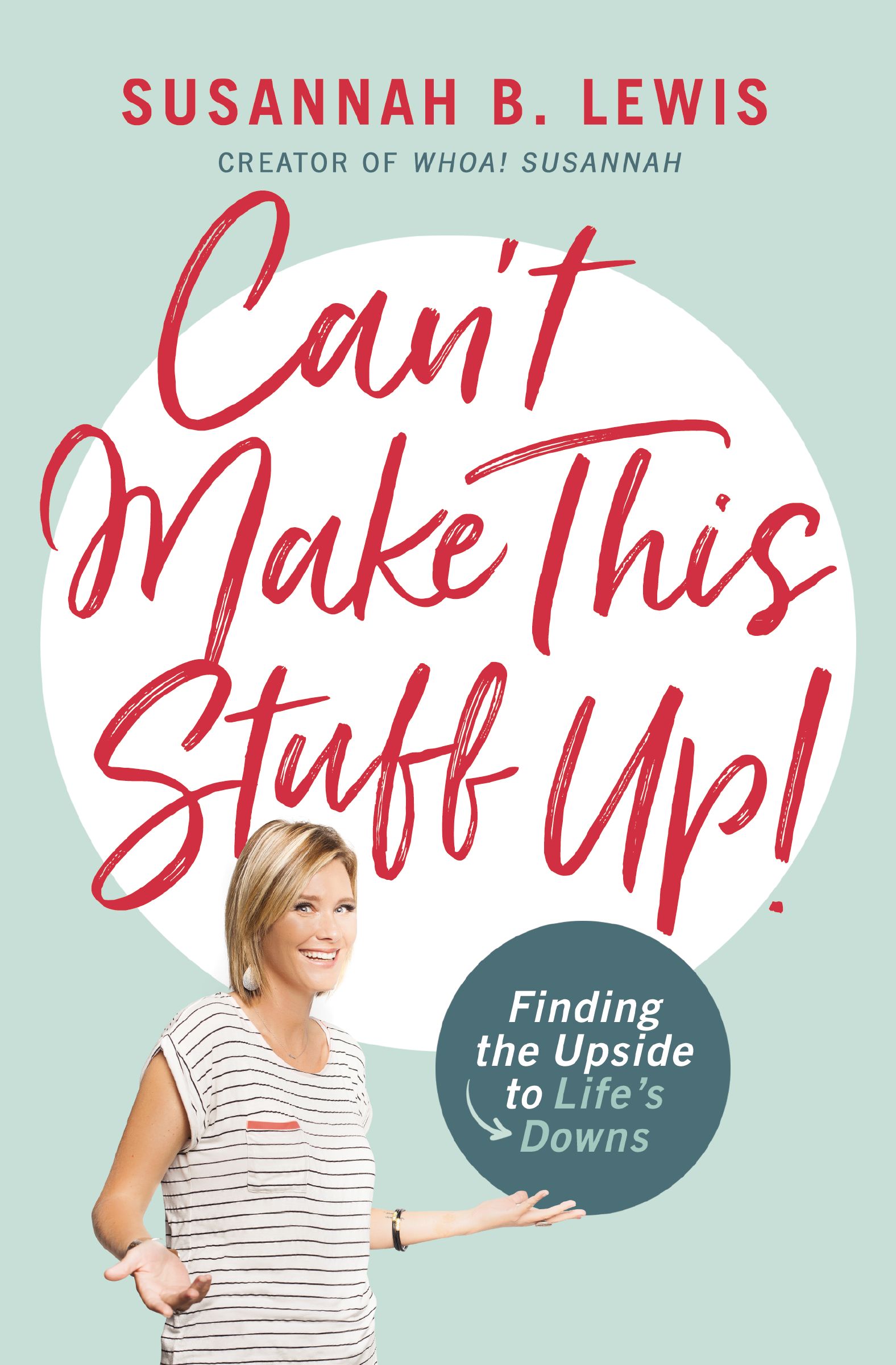
Can't Make This Stuff Up!: Finding the Upside to Life's Downs

Settings
Reflow text when sidebars are open.
