
- Browse Category
Subjects
 We Begin at the EndLearn More
 - Choice Picks
- Top 100 Free Books
- Blog
- Recently Added
- Submit your eBook
- Browse Category
We Begin at the EndLearn More
- Choice Picks
- Top 100 Free Books
- Blog
- Recently Added
- Submit your eBook
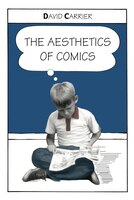
The Aesthetics of Comics
2020-12-31 21:32:53
From Gary Larson’s The Far Side to George Herriman’s Krazy Kat, comic strips have two obvious defining features. They are visual narratives, using both words and pictures to tell stories, and they use word balloons to represent the speech...
Read more
From Gary Larson’s The Far Side to George Herriman’s Krazy Kat, comic strips have two obvious defining features. They are visual narratives, using both words and pictures to tell stories, and they use word balloons to represent the speech and thought of depicted characters. Art historians have studied visual artifacts from every culture; cultural historians have recently paid close attention to movies. Yet the comic strip, an art form known to everyone, has not yet been much studied by aestheticians or art historians. This is the first full-length philosophical account of the comic strip.
Distinguished philosopher David Carrier looks at popular American and Japanese comic strips to identify and solve the aesthetic problems posed by comic strips and to explain the relationship of this artistic genre to other forms of visual art. He traces the use of speech and thought balloons to early Renaissance art and claims that the speech balloon defines comics as neither a purely visual nor a strictly verbal art form, but as something radically new. Comics, he claims, are essentially a composite art that, when successful, seamlessly combine verbal and visual elements.
Carrier looks at the way an audience interprets comics and contrasts the interpretation of comics and other mass-culture images to that of Old Master visual art. The meaning behind the comic can be immediately grasped by the average reader, whereas a piece of museum art can only be fully interpreted by scholars familiar with the history and the background behind the painting. Finally, Carrier relates comics to art history. Ultimately, Carrier’s analysis of comics shows why this popular art is worthy of philosophical study and proves that a better understanding of comics will help us better understand the history of art.
Less
Compare Prices
| Store | Availability | Book Format | Condition | Price |
|---|---|---|---|---|
| Indigo Books & Music | In Stock | Paperback | Paperback | Buy CAD 43.95 |
| BetterWorld.com - New, Used, Rare Books & Textbooks | In Stock | Buy USD 12.49 |
Available Discount
No Discount available
Related Books
View All
Secrets Between Us: An absolutely gripping psychological thriller

The Book Club
Falter: Has the Human Game Begun to Play Itself Out?

American Moonshot: John F. Kennedy and the Great Space Race

Can't Make This Stuff Up!: Finding the Upside to Life's Downs

The Secret Wife: A captivating story of romance, passion and mystery

Clean & Lean: 30 Days, 30 Foods, a New You!

Going to School
Trillion Dollar Coach: The Leadership Playbook of Silicon Valley's Bill Campbell
Hurricane Season
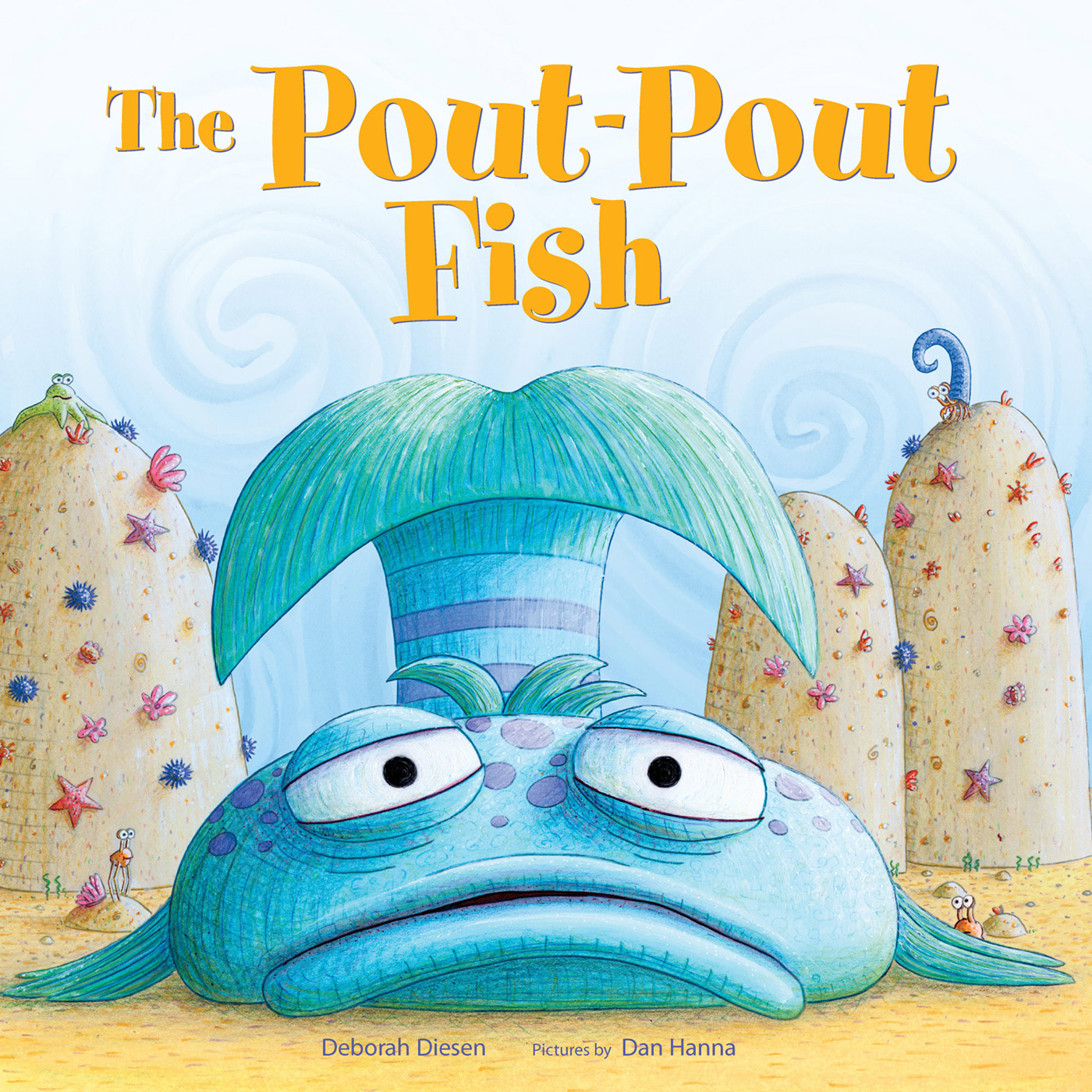
The Pout-Pout Fish

Row, Row, Row Your Boat (Indestructibles Series)

We Are Not Friends (You Are Not Small)

House of Shadows: An Enthralling Historical Mystery

Twinkle, Twinkle, Little Star (Indestructibles Series)

The Silent Woman (Cat Carlisle, Book 1)

Good Night, Little Blue Truck

You Be You: Detox Your Life, Crush Your Limitations, and Own Your Awesome

The Wonderful Things You Will Be

Commander in Cheat: How Golf Explains Trump

Made for Me

Life Will Be the Death of Me: ...And You Too!

There Was an Old Lady Who Swallowed a Chick!
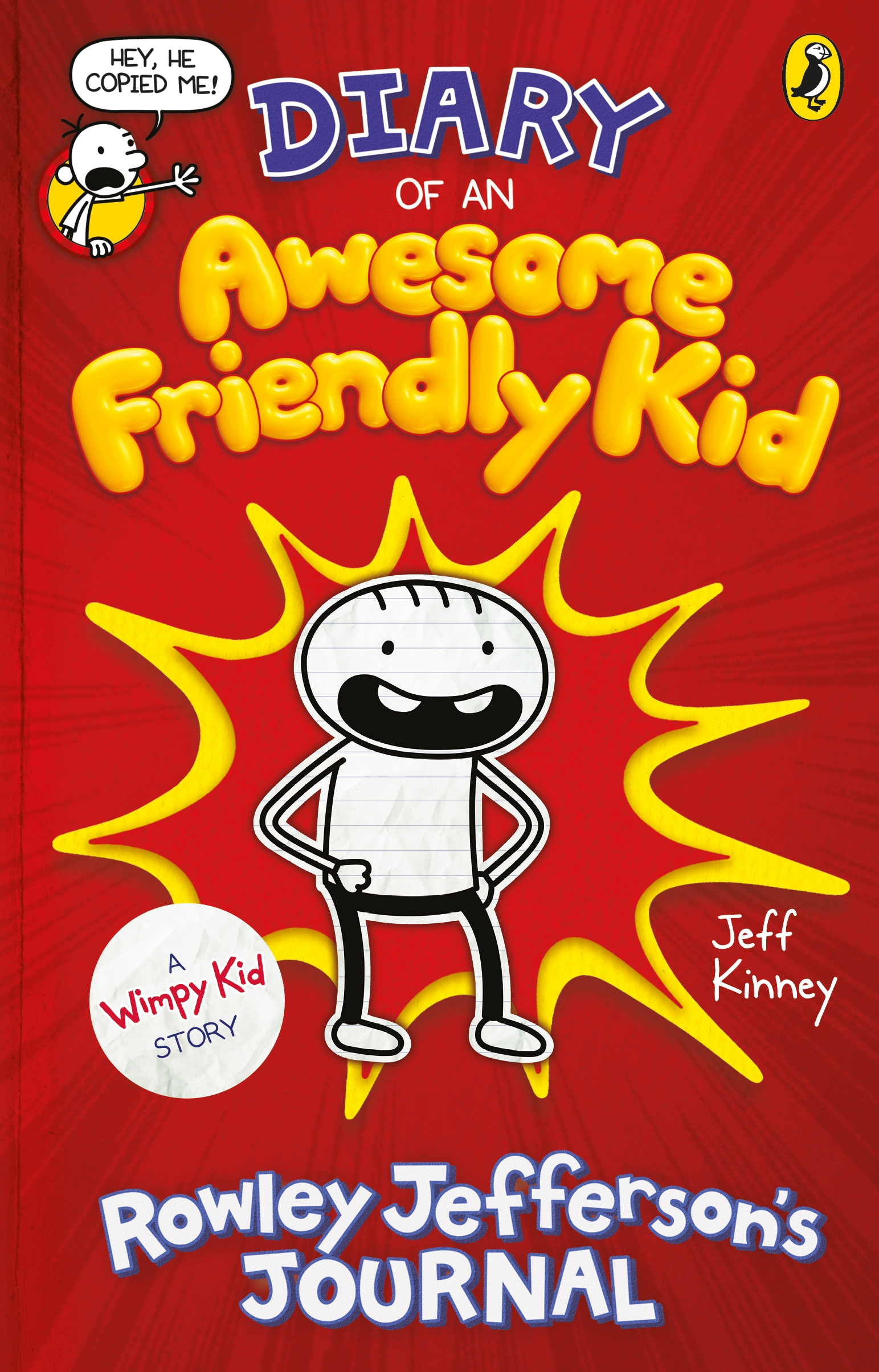
Diary of an Awesome Friendly Kid: Rowley Jefferson's Journal

Feed Your Best Friend Better: Easy, Nutritious Meals and Treats for Dogs

Settings
Reflow text when sidebars are open.
