
- Browse Category
Subjects
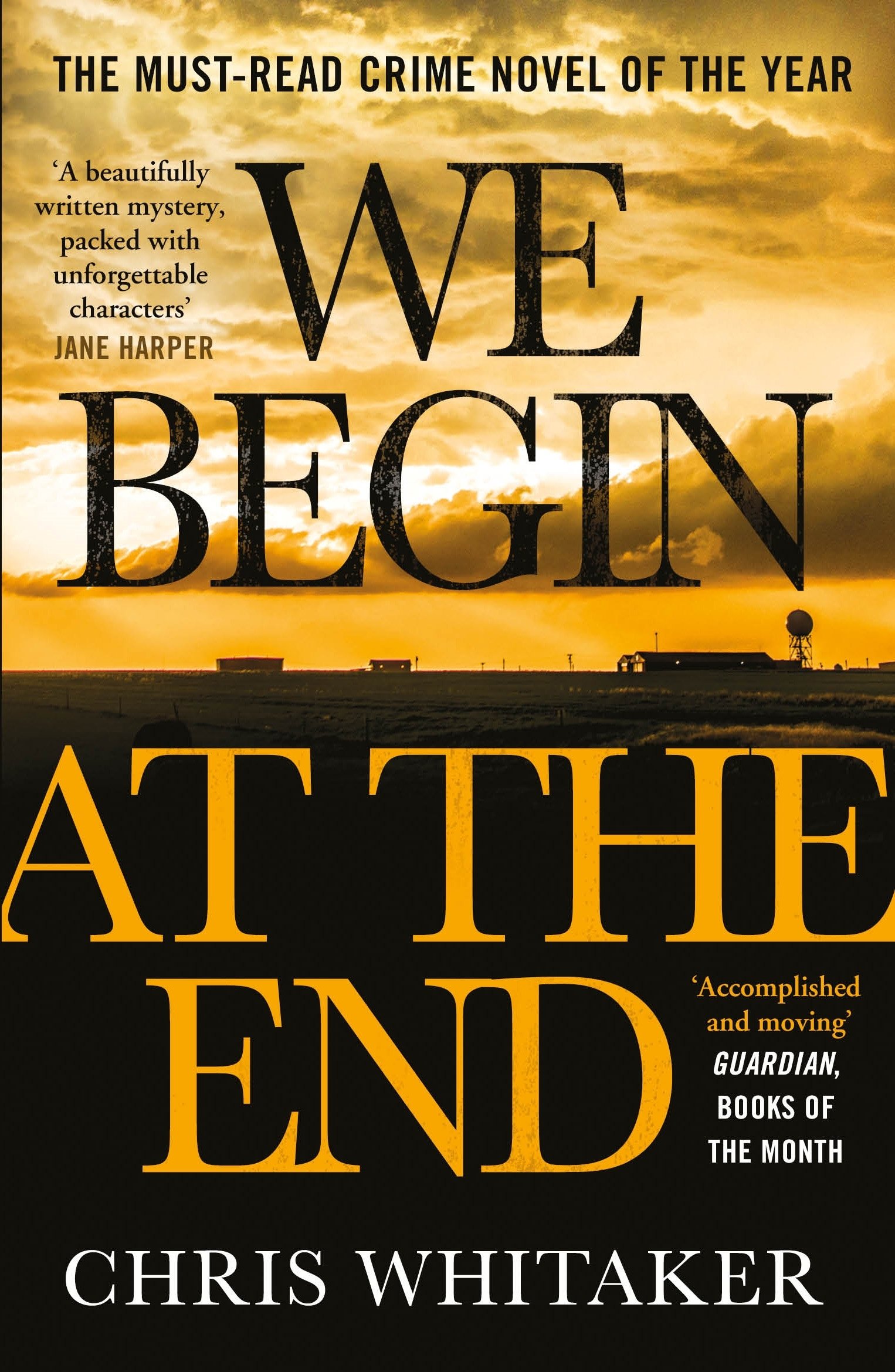 We Begin at the EndLearn More
 - Choice Picks
- Top 100 Free Books
- Blog
- Recently Added
- Submit your eBook
- Browse Category
We Begin at the EndLearn More
- Choice Picks
- Top 100 Free Books
- Blog
- Recently Added
- Submit your eBook
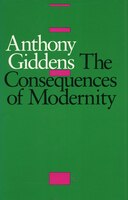
The Consequences of Modernity
2021-01-20 13:56:54
In this major theoretical statement, the author offers a new and provocative interpretation of institutional transformations associated with modernity. What is modernity? The author suggests, "As a first approximation, let us simply say the following...
Read more
In this major theoretical statement, the author offers a new and provocative interpretation of institutional transformations associated with modernity. What is modernity? The author suggests, "As a first approximation, let us simply say the following: ''modernity'' refers to modes of social life or organization which emerged in Europe from about the seventeenth century onwards and which subsequently became more or less worldwide in their influence."
We do not as yet, the author argues, live in a post-modern world. The distinctive characteristics of our major social institutions in the closing years of the twentieth century suggest that, rather than entering into a period of post-modernity, we are moving into a period of "high modernity" in which the consequences of modernity are becoming more radicalized and universalized than before. A post-modern social universe may eventually come into being, but this as yet lies on the other side of the forms of social and cultural organization that currently dominate world history.
In developing a fresh characterization of the nature of modernity, the author concentrates on the themes of security versus danger and of trust versus risk. Modernity is a double-edged phenomenon. The development of modern social institutions has created vastly greater opportunities for human beings to enjoy a secure and rewarding existence than in any type of pre-modern system. But modernity also has a somber side that has become very important in the present century, such as the frequently degrading nature of modern industrial work, the growth of totalitarianism, the threat of environmental destruction, and the alarming development of military power and weaponry.
The book builds upon the author''s previous theoretical writings and will be of great interest to those who have followed his work through the years. However, this book covers issues the author has not previously analyzed and extends the scope of his work into areas of pressing practical concern.
Less
Compare Prices
| Store | Availability | Book Format | Condition | Price |
|---|---|---|---|---|
| Indigo Books & Music | In Stock | Buy CAD 22.87 |
Available Discount
No Discount available
Related Books
View All
We Are Not Friends (You Are Not Small)

Life Will Be the Death of Me: ...And You Too!
Hurricane Season

House of Shadows: An Enthralling Historical Mystery
The Pout-Pout Fish
Commander in Cheat: How Golf Explains Trump

Row, Row, Row Your Boat (Indestructibles Series)
Diary of an Awesome Friendly Kid: Rowley Jefferson's Journal

There Was an Old Lady Who Swallowed a Chick!

Made for Me
Falter: Has the Human Game Begun to Play Itself Out?

American Moonshot: John F. Kennedy and the Great Space Race

Good Night, Little Blue Truck

The Secret Wife: A captivating story of romance, passion and mystery

Going to School

The Wonderful Things You Will Be
Can't Make This Stuff Up!: Finding the Upside to Life's Downs

You Be You: Detox Your Life, Crush Your Limitations, and Own Your Awesome
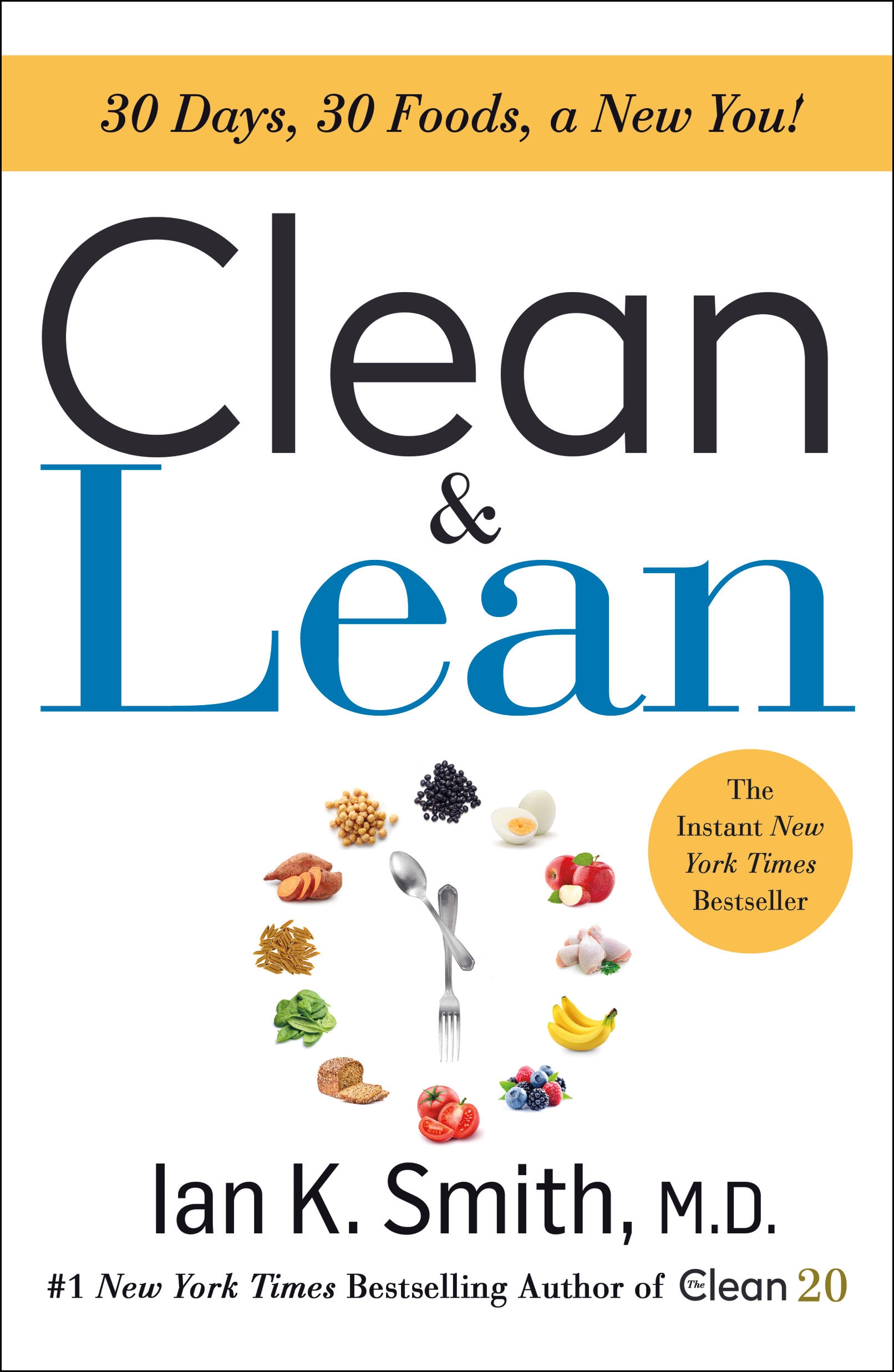
Clean & Lean: 30 Days, 30 Foods, a New You!

Secrets Between Us: An absolutely gripping psychological thriller

The Silent Woman (Cat Carlisle, Book 1)

Feed Your Best Friend Better: Easy, Nutritious Meals and Treats for Dogs

The Book Club
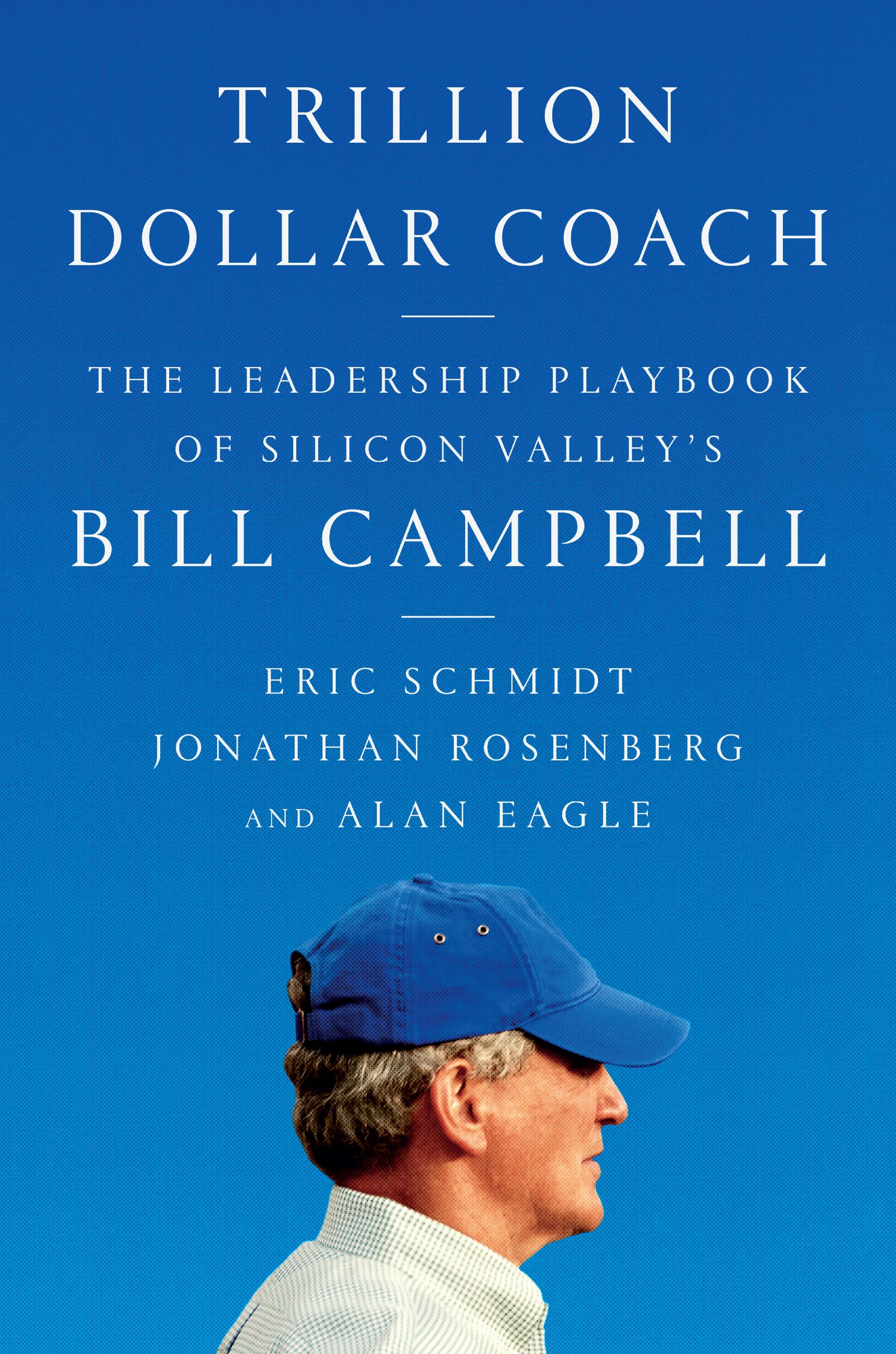
Trillion Dollar Coach: The Leadership Playbook of Silicon Valley's Bill Campbell

Twinkle, Twinkle, Little Star (Indestructibles Series)

Settings
Reflow text when sidebars are open.
