
- Browse Category
Subjects
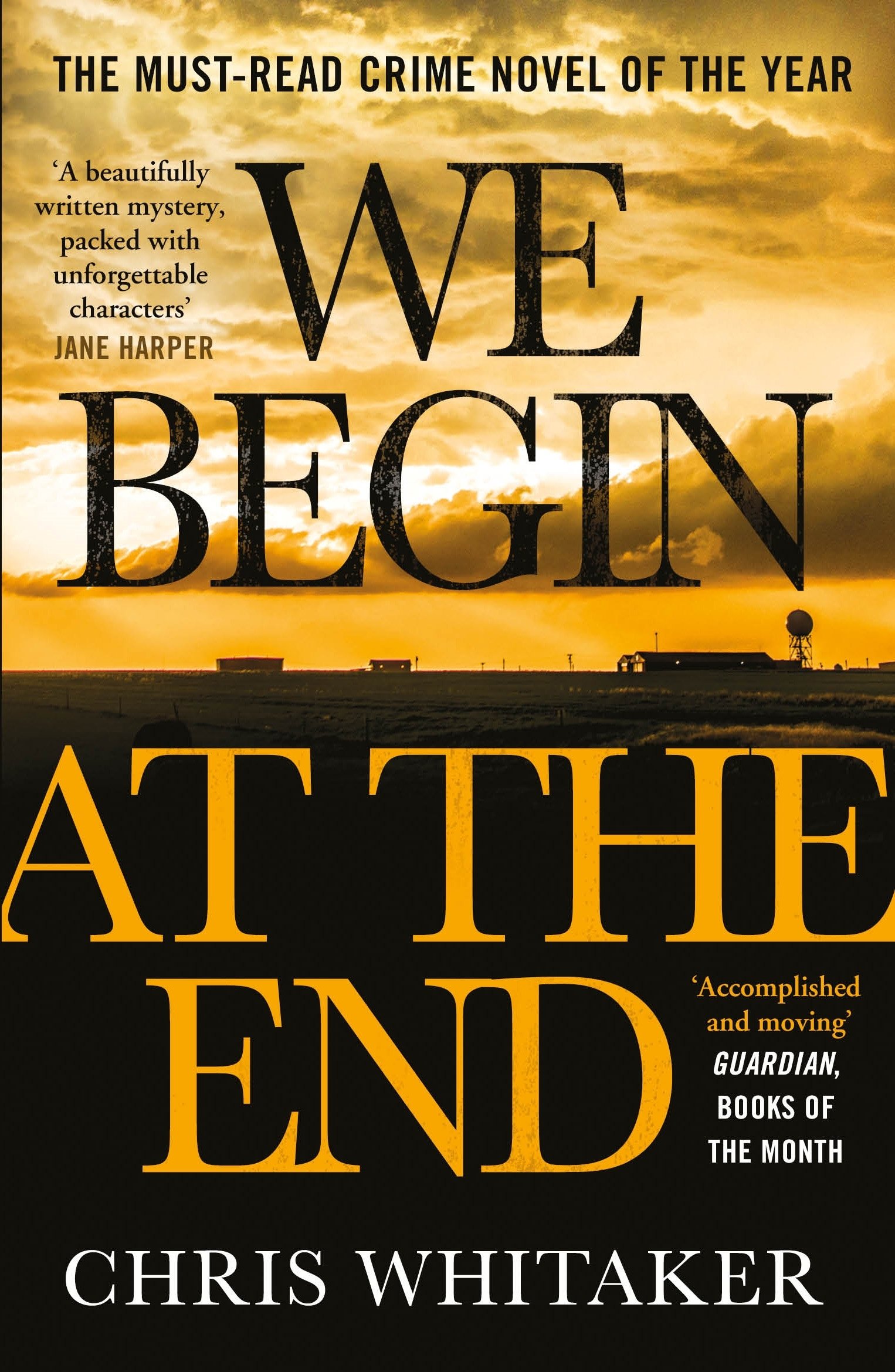 We Begin at the EndLearn More
 - Choice Picks
- Top 100 Free Books
- Blog
- Recently Added
- Submit your eBook
- Browse Category
We Begin at the EndLearn More
- Choice Picks
- Top 100 Free Books
- Blog
- Recently Added
- Submit your eBook
The Literary Career Of Charles W. Chesnutt: A Novel
2021-01-01 14:30:45
The career of any black writer in nineteenth-century American was fraught with difficulties, and William Andrews undertakes to explain how and why Charles Waddell Chesnutt (1858-1932) became the first Negro novelist of importance: ?Steering a difficu...
Read more
The career of any black writer in nineteenth-century American was fraught with difficulties, and William Andrews undertakes to explain how and why Charles Waddell Chesnutt (1858-1932) became the first Negro novelist of importance: ?Steering a difficult course between becoming co-opted by his white literary supporters and becoming alienated from then and their access to the publishing medium, Chesnutt became the first Afro-American writer to use the white-controlled mass media in the service of serious fiction on behalf of the black community.?
Awarded the Spingarn Medal in 1928 by the National Association for the Advancement of Colored People, Chesnutt admitted without apologies that because of his own experiences, most of his writings concentrated on issue about racial identity. Only one-eighth Negro and able to pass for Caucasian, Chesnutt dramatized the dilemma of others like him. The House Behind the Cedars (1900), Chesnutt?s most autobiographical novel, evokes the world of ?bright mulatto? caste in post-Civil War North Carolina and pictures the punitive consequences of being of mixed heritage.
Chesnutt not only made a crucial break with many literary conventions regarding Afro-American life, crafting his authentic material with artistic distinction, he also broached the moral issue of the racial caste system and dared to suggest that a gradual blending of the races would alleviate a pernicious blight on the nation?s moral progress. Andrews argues that ?along with Cable in The Grandissimes and Mark Twain in Pudd?nhead Wilson, Chesnutt anticipated Faulkner in focusing on miscegenation, even more than slavery, as the repressed myth of the American past and a powerful metaphor of southern post-Civil War history.? Although Chesnutt?s career suffered setback and though he was faced with compromises he consistently saw America?s race problem as intrinsically moral rather than social or political. In his fiction he pictures the strengths of Afro-Americans and affirms their human dignity and heroic will.
William L. Andrews provides an account of essentially all that Chesnutt wrote, covering the unpublished manuscripts as well as the more successful efforts and viewing these materials in he context of the author?s times and of his total career. Though the scope of this book extends beyond textual criticism, the thoughtful discussions of Chesnutt?s works afford us a vivid and gratifying acquaintance with the fiction and also account for an important episode in American letters and history.

Compare Prices
| Store | Availability | Book Format | Condition | Price |
|---|---|---|---|---|
| Indigo Books & Music | In Stock | Paperback | Paperback | Buy CAD 32.95 |
Available Discount
No Discount available
Related Books
View All
House of Shadows: An Enthralling Historical Mystery

Row, Row, Row Your Boat (Indestructibles Series)
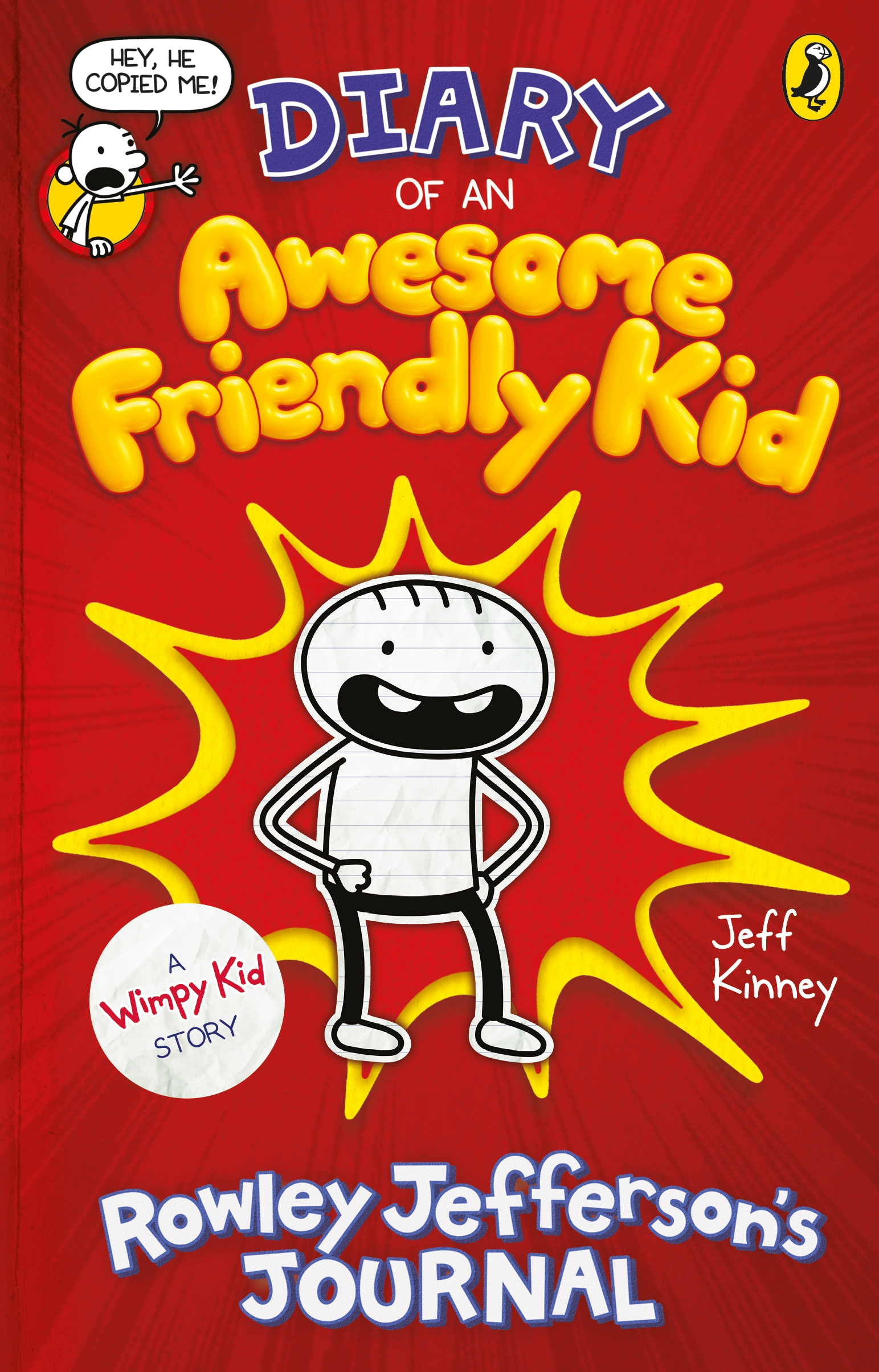
Diary of an Awesome Friendly Kid: Rowley Jefferson's Journal

Made for Me

The Silent Woman (Cat Carlisle, Book 1)

There Was an Old Lady Who Swallowed a Chick!
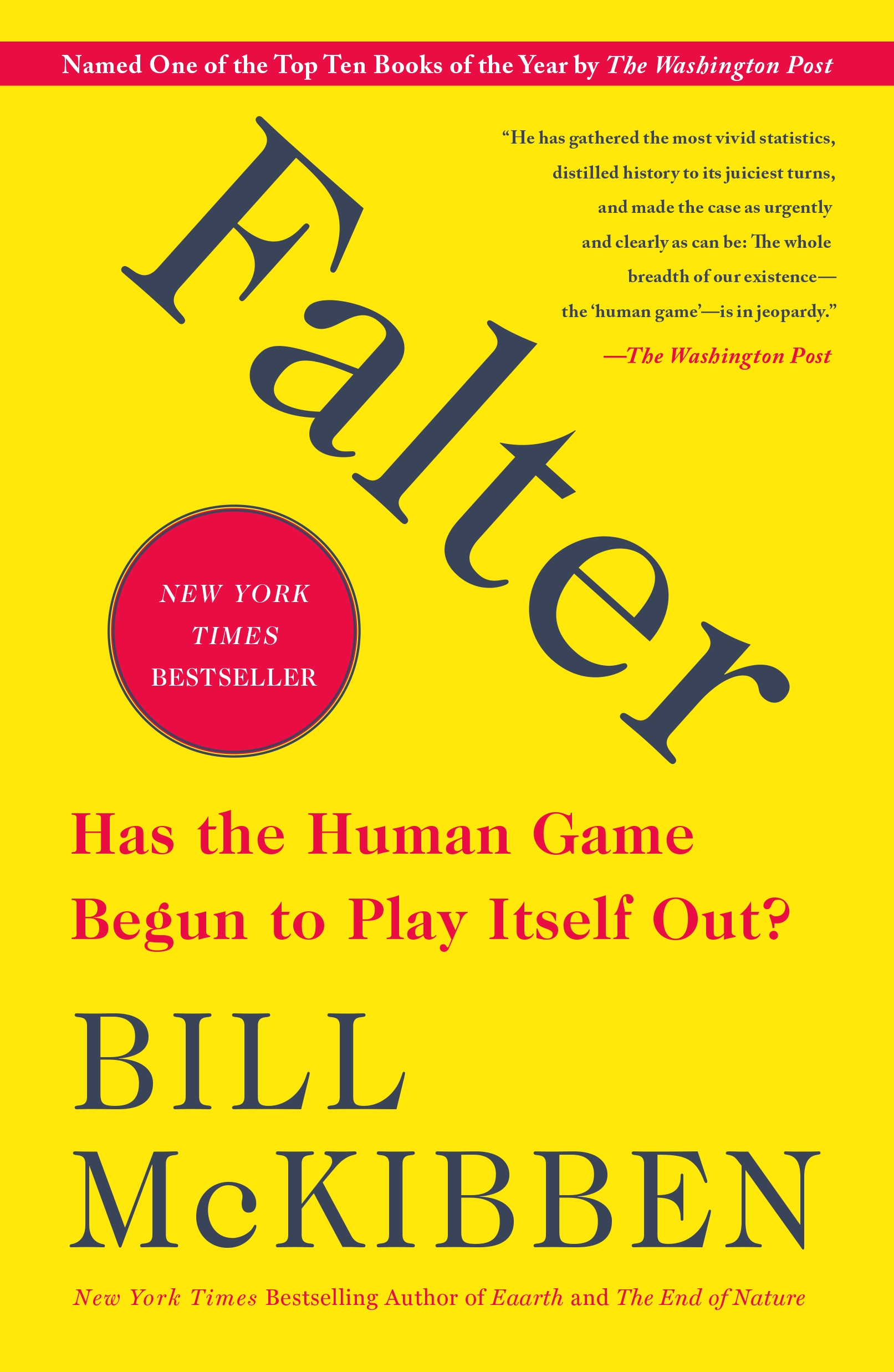
Falter: Has the Human Game Begun to Play Itself Out?
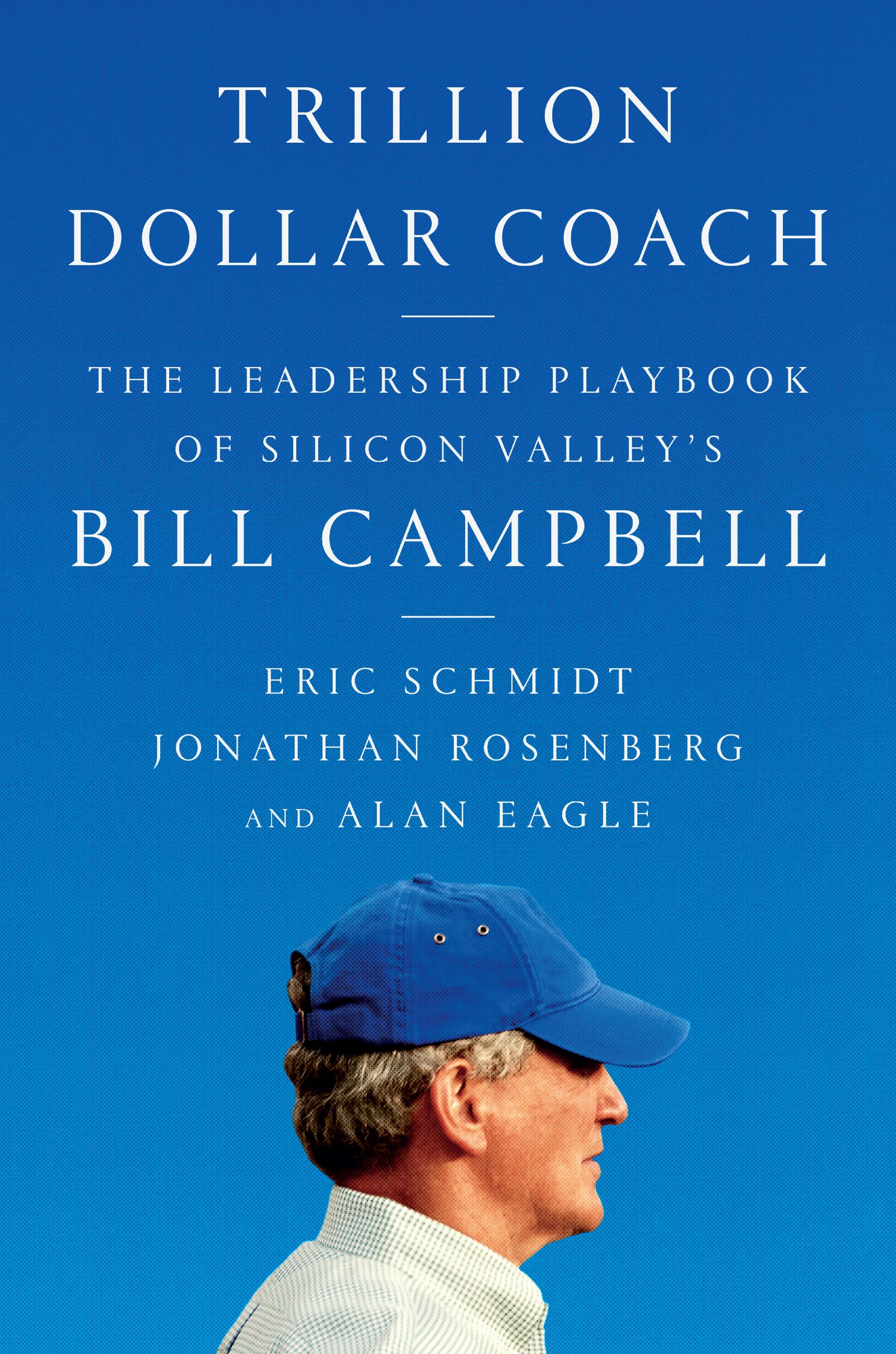
Trillion Dollar Coach: The Leadership Playbook of Silicon Valley's Bill Campbell
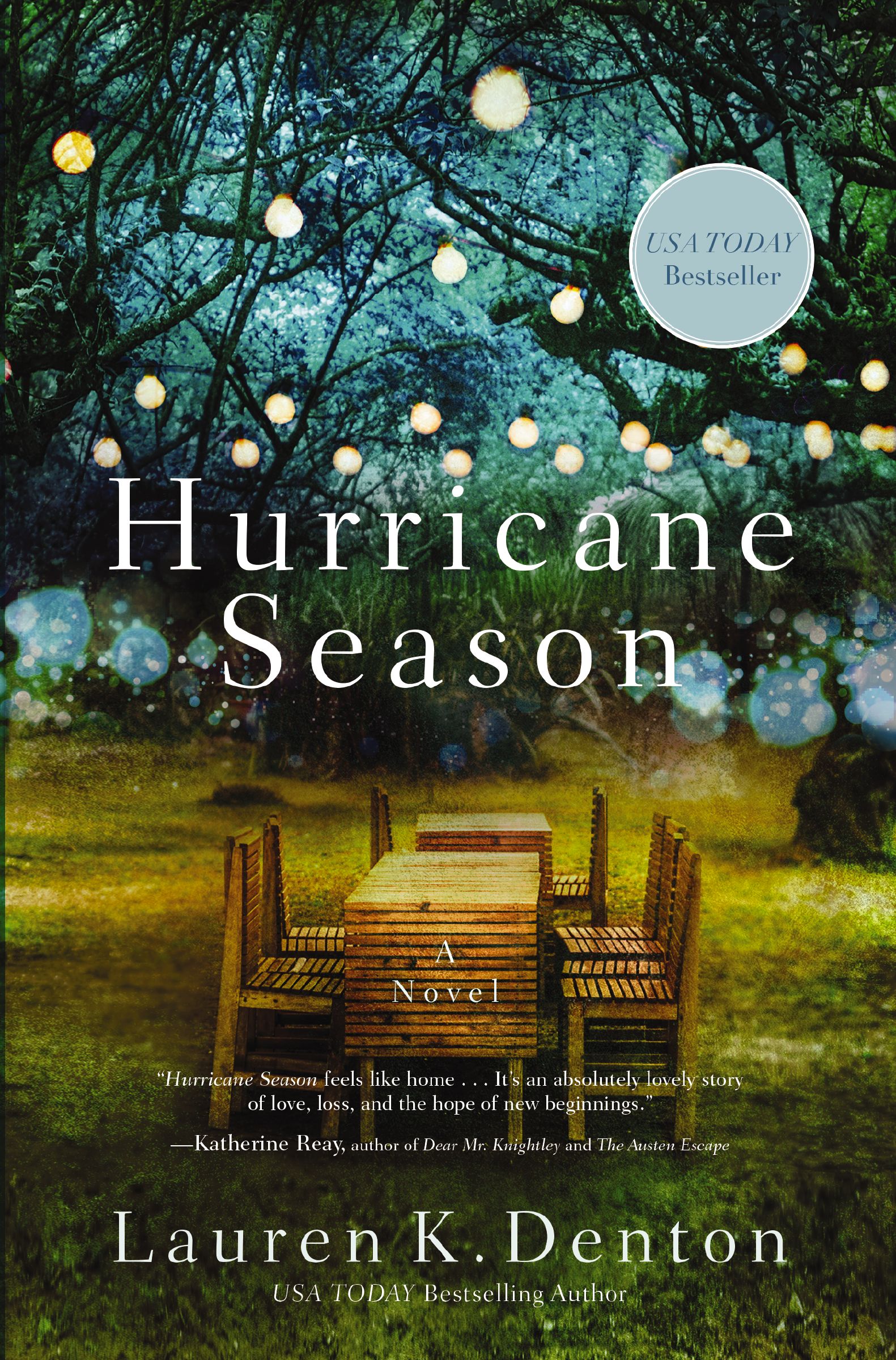
Hurricane Season

Twinkle, Twinkle, Little Star (Indestructibles Series)
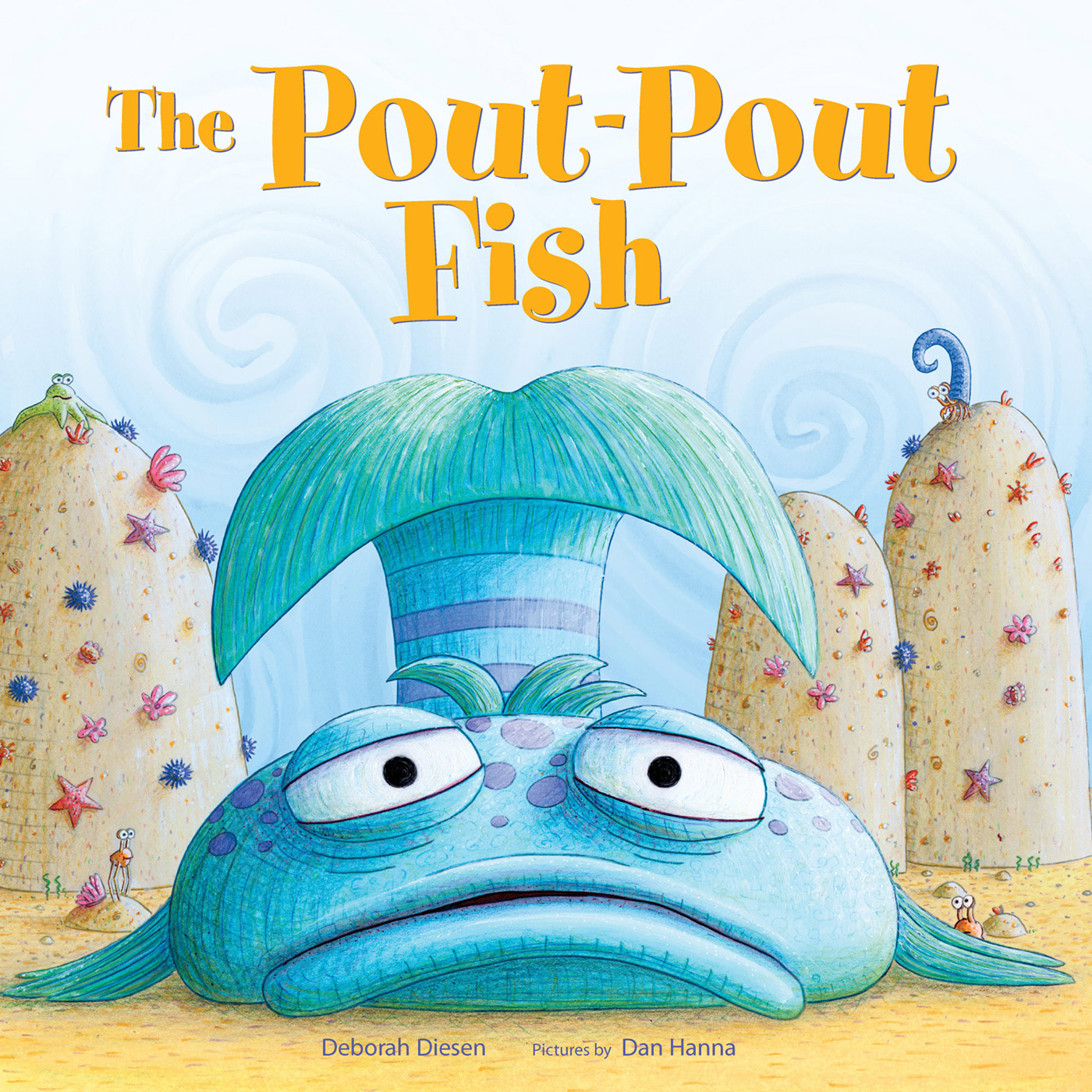
The Pout-Pout Fish

The Book Club

You Be You: Detox Your Life, Crush Your Limitations, and Own Your Awesome

Good Night, Little Blue Truck
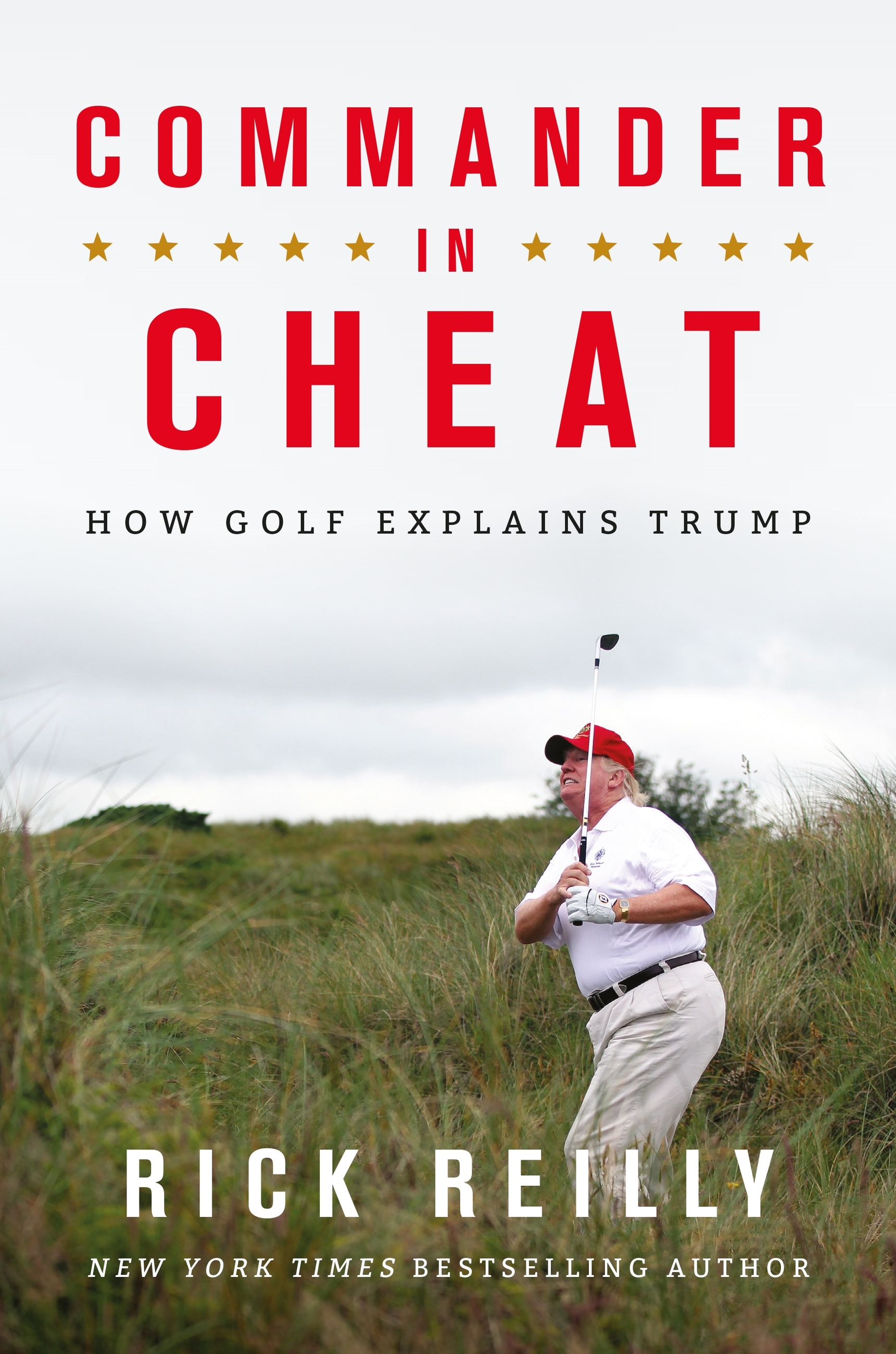
Commander in Cheat: How Golf Explains Trump

The Secret Wife: A captivating story of romance, passion and mystery
Can't Make This Stuff Up!: Finding the Upside to Life's Downs
American Moonshot: John F. Kennedy and the Great Space Race

Life Will Be the Death of Me: ...And You Too!

Going to School
The Wonderful Things You Will Be
Secrets Between Us: An absolutely gripping psychological thriller

We Are Not Friends (You Are Not Small)

Feed Your Best Friend Better: Easy, Nutritious Meals and Treats for Dogs
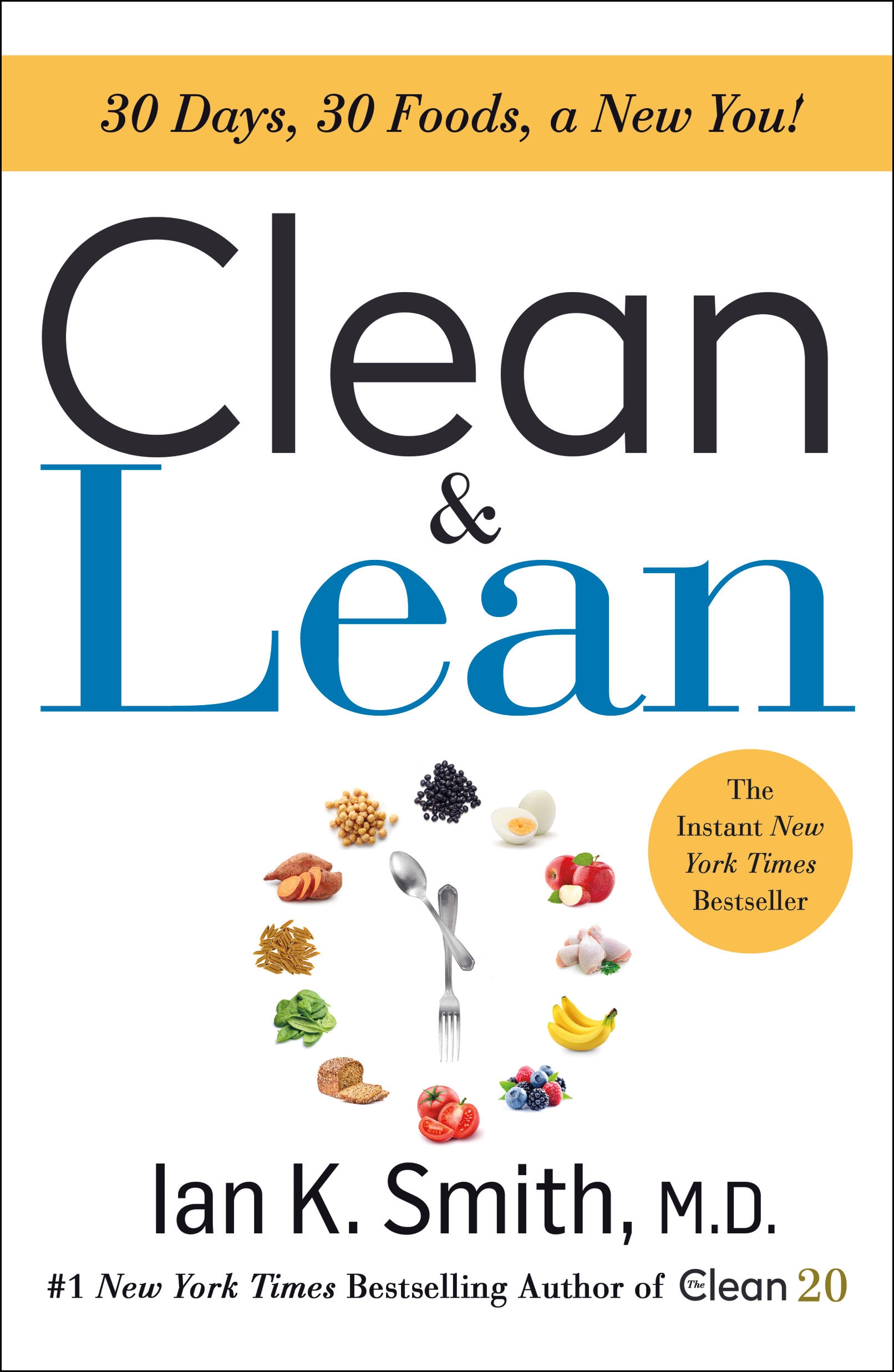
Clean & Lean: 30 Days, 30 Foods, a New You!

Settings
Reflow text when sidebars are open.
