
- Browse Category
Subjects
 We Begin at the EndLearn More
 - Choice Picks
- Top 100 Free Books
- Blog
- Recently Added
- Submit your eBook
- Browse Category
We Begin at the EndLearn More
- Choice Picks
- Top 100 Free Books
- Blog
- Recently Added
- Submit your eBook

The Luck of the Draw: The Role of Lotteries in Decision Making
2020-11-24 09:31:00
A prominent scholar once noted that lotteries in politics and society - to break vote ties, assign students to schools, draft people into the military, select juries - are "at first thought absurd, and at second thought obvious." Lotteries have been...
Read more
A prominent scholar once noted that lotteries in politics and society - to break vote ties, assign students to schools, draft people into the military, select juries - are "at first thought absurd, and at second thought obvious." Lotteries have been part of politics since the Greek and Romantimes, and they are used frequently in American politics today. When there is a two-to-two vote tie for prospective school board members, officials will often resort to flipping a coin (as happened recently in California). And in military drafts, the conventional wisdom is that random selection isfar more just than non-lottery drafts. Northerners rioted against the perceived injustice of the non-random draft during the Civil War, and Americans by and large believed that student deferments subverted the justice of the draft during the Vietnam War.Over the years, people who study and practice politics have devoted considerable effort to thinking about the legitimacy of lotteries and whether they are just or not under certain circumstances. Yet they have really only focused on lotteries on a case-by-case basis, and no one has ever developed asubstantial and comprehensive political theory of lotteries. In The Luck of the Draw, Peter Stone does just that. Examining the wide range of arguments for and against lotteries, Stone comes to the startling conclusion that lotteries have only one crucial effect relevant to decision-making: theyhave the "sanitizing effect" of preventing decisions from being made on the basis of reasons. Stone readily admits that this rationale might sound absurd to us, but contends that in many instances it is vital for people to make decisions without any reasoned rationale to compel them. Sometimes,justice can only be carried out through random selection - a fundamental principle of the practice of lottery that Stone comes to call "The Just Lottery Rule." By developing innovative ways for interpreting this pervasive form of political practice, Stone provides us with a foundation forunderstanding how to best make use of lottery when making political decisions both large and small.
Less

Compare Prices
| Store | Availability | Book Format | Condition | Price |
|---|---|---|---|---|
| Indigo Books & Music | In Stock | Buy CAD 71.50 |
Available Discount
No Discount available
Related Books
View All
Made for Me

Twinkle, Twinkle, Little Star (Indestructibles Series)

The Book Club

The Silent Woman (Cat Carlisle, Book 1)
The Wonderful Things You Will Be
Falter: Has the Human Game Begun to Play Itself Out?

Going to School
Life Will Be the Death of Me: ...And You Too!

House of Shadows: An Enthralling Historical Mystery
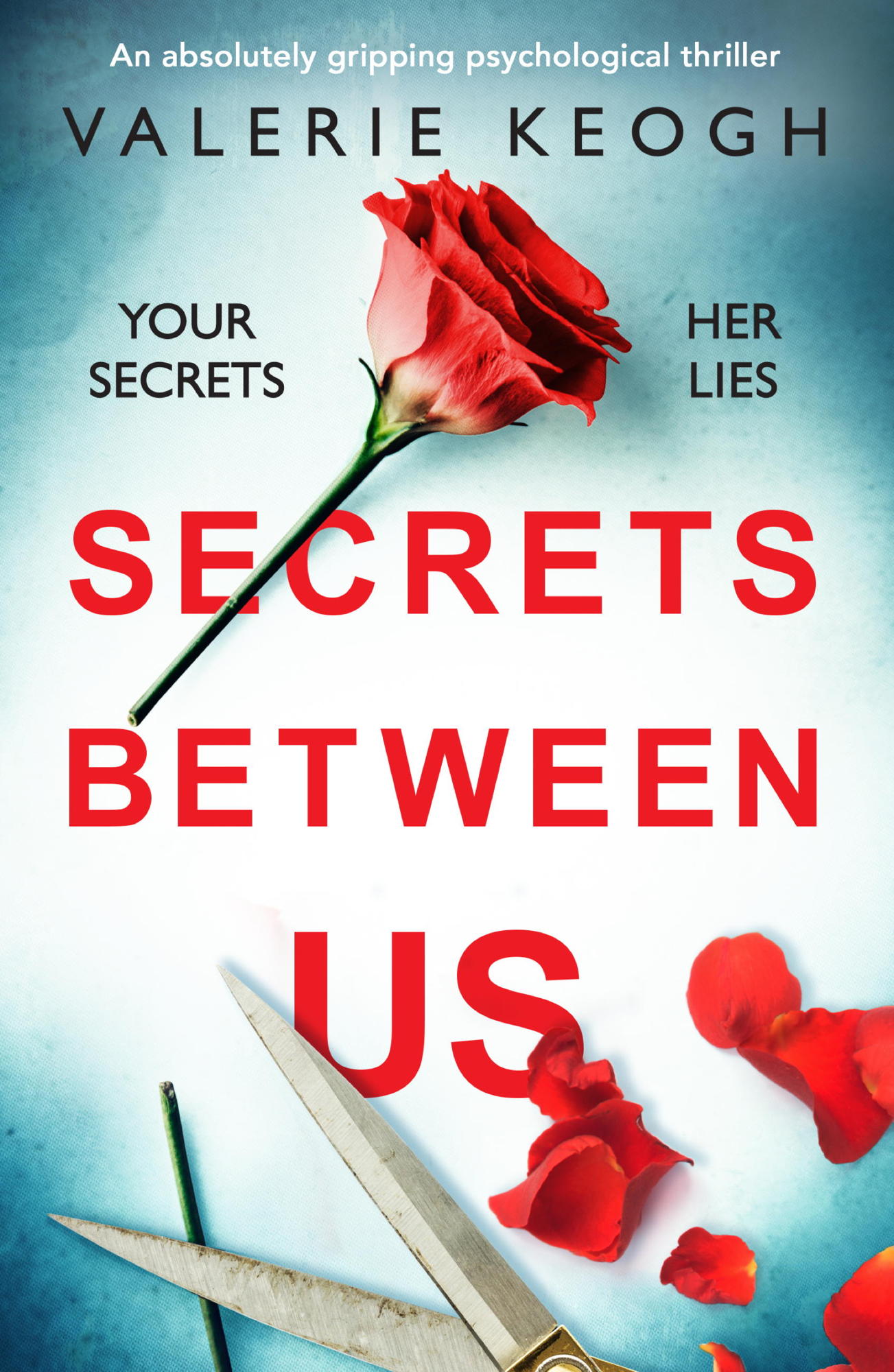
Secrets Between Us: An absolutely gripping psychological thriller
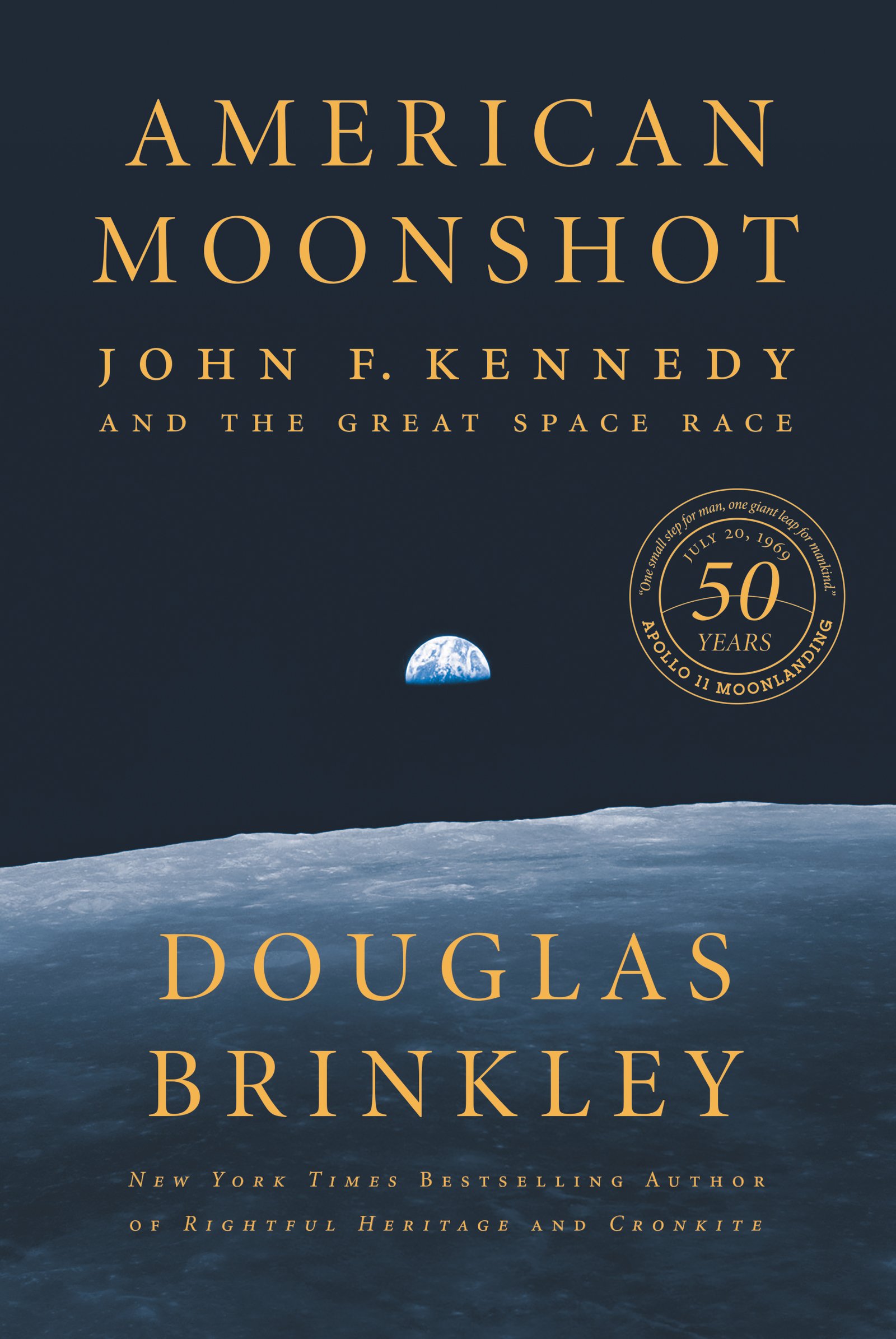
American Moonshot: John F. Kennedy and the Great Space Race

We Are Not Friends (You Are Not Small)

The Secret Wife: A captivating story of romance, passion and mystery
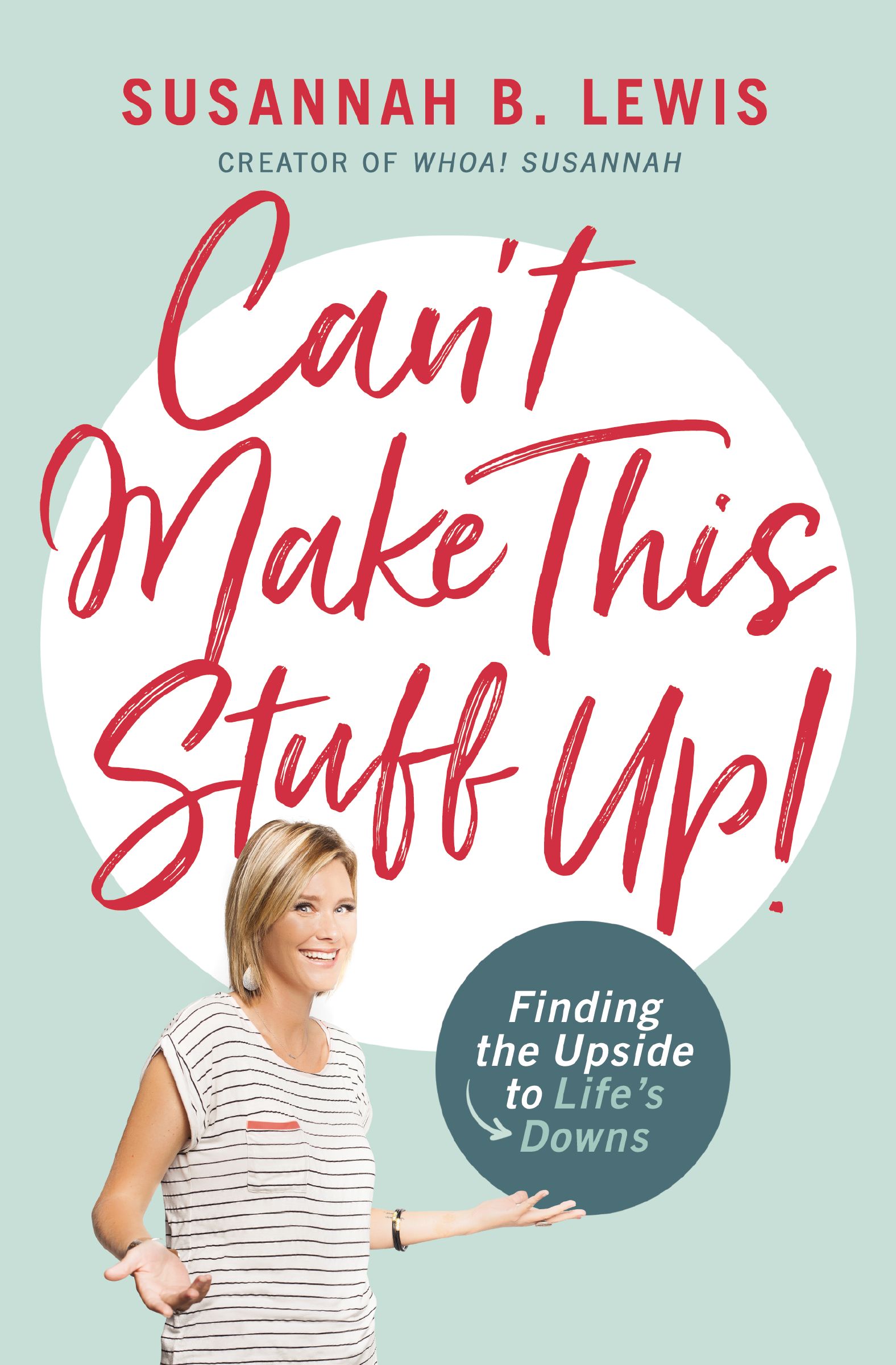
Can't Make This Stuff Up!: Finding the Upside to Life's Downs

Feed Your Best Friend Better: Easy, Nutritious Meals and Treats for Dogs
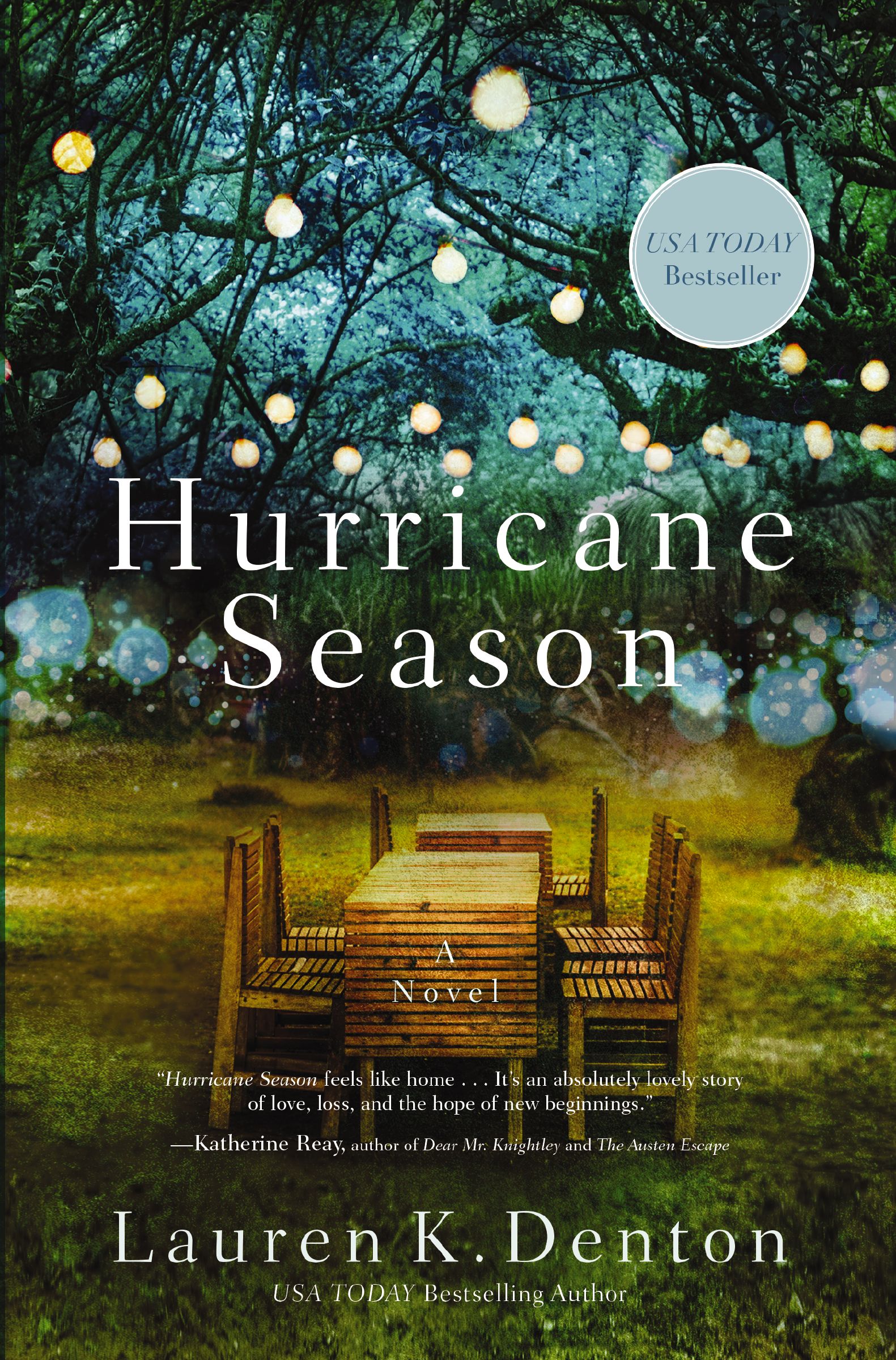
Hurricane Season
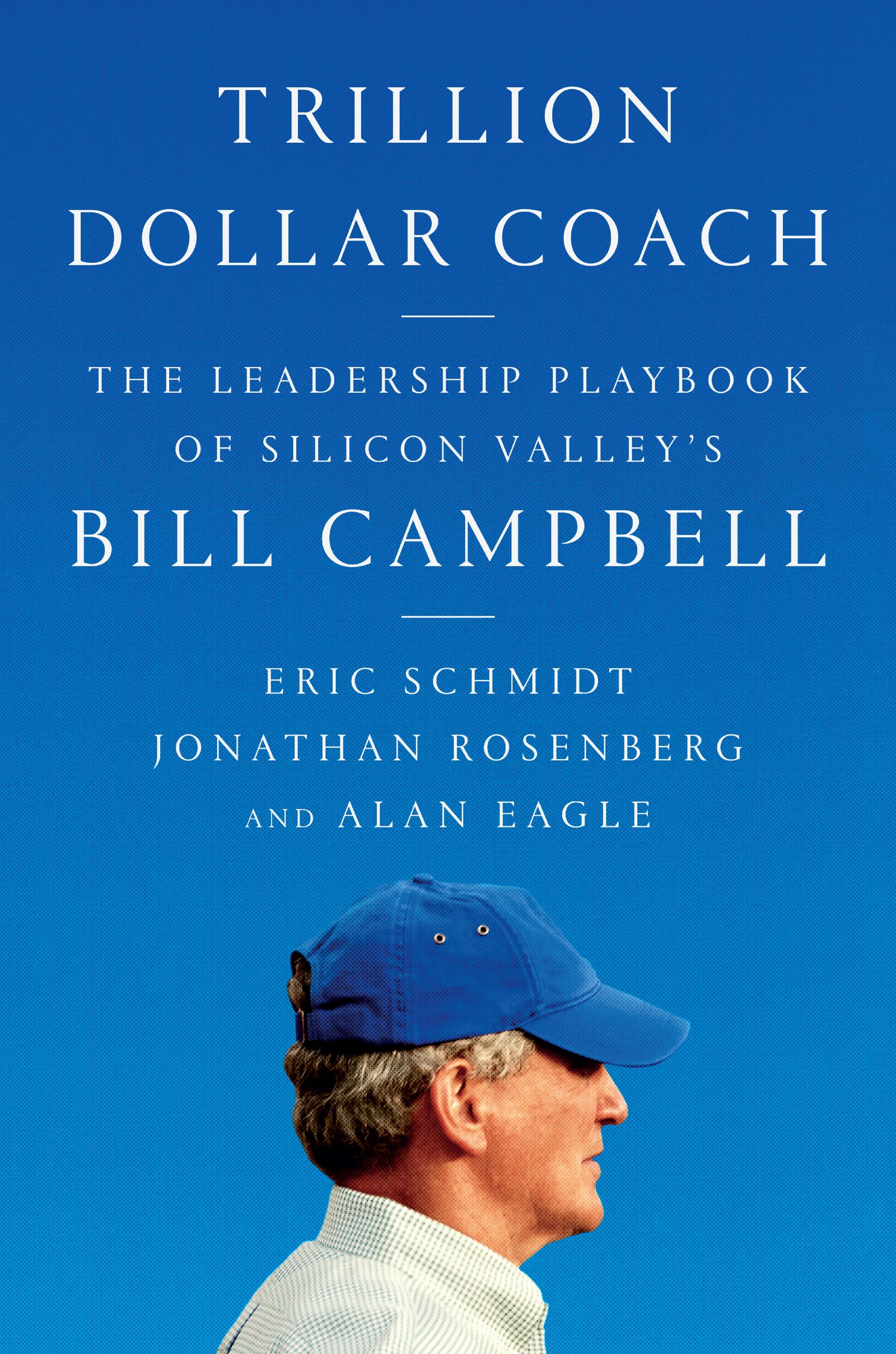
Trillion Dollar Coach: The Leadership Playbook of Silicon Valley's Bill Campbell
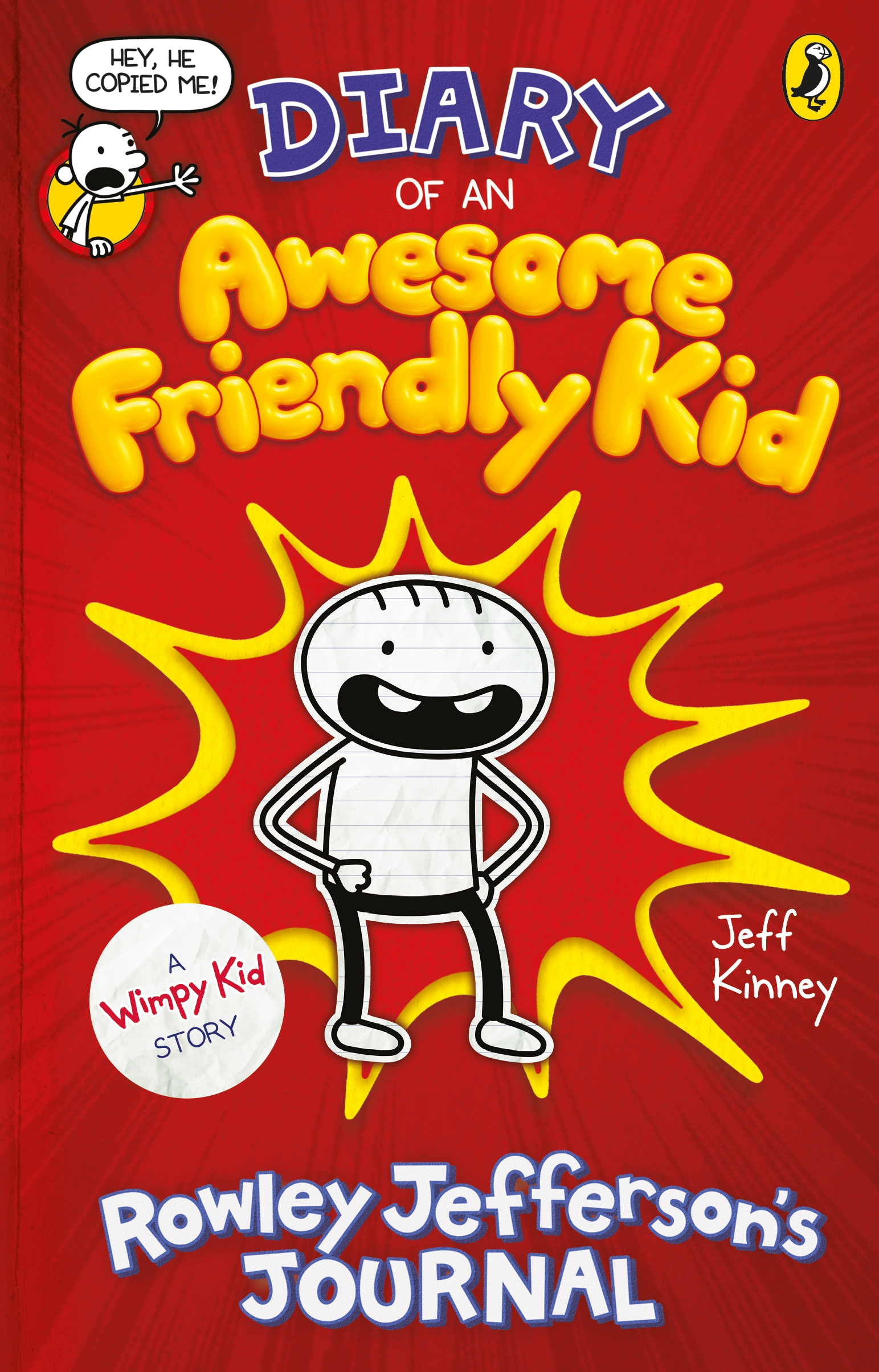
Diary of an Awesome Friendly Kid: Rowley Jefferson's Journal
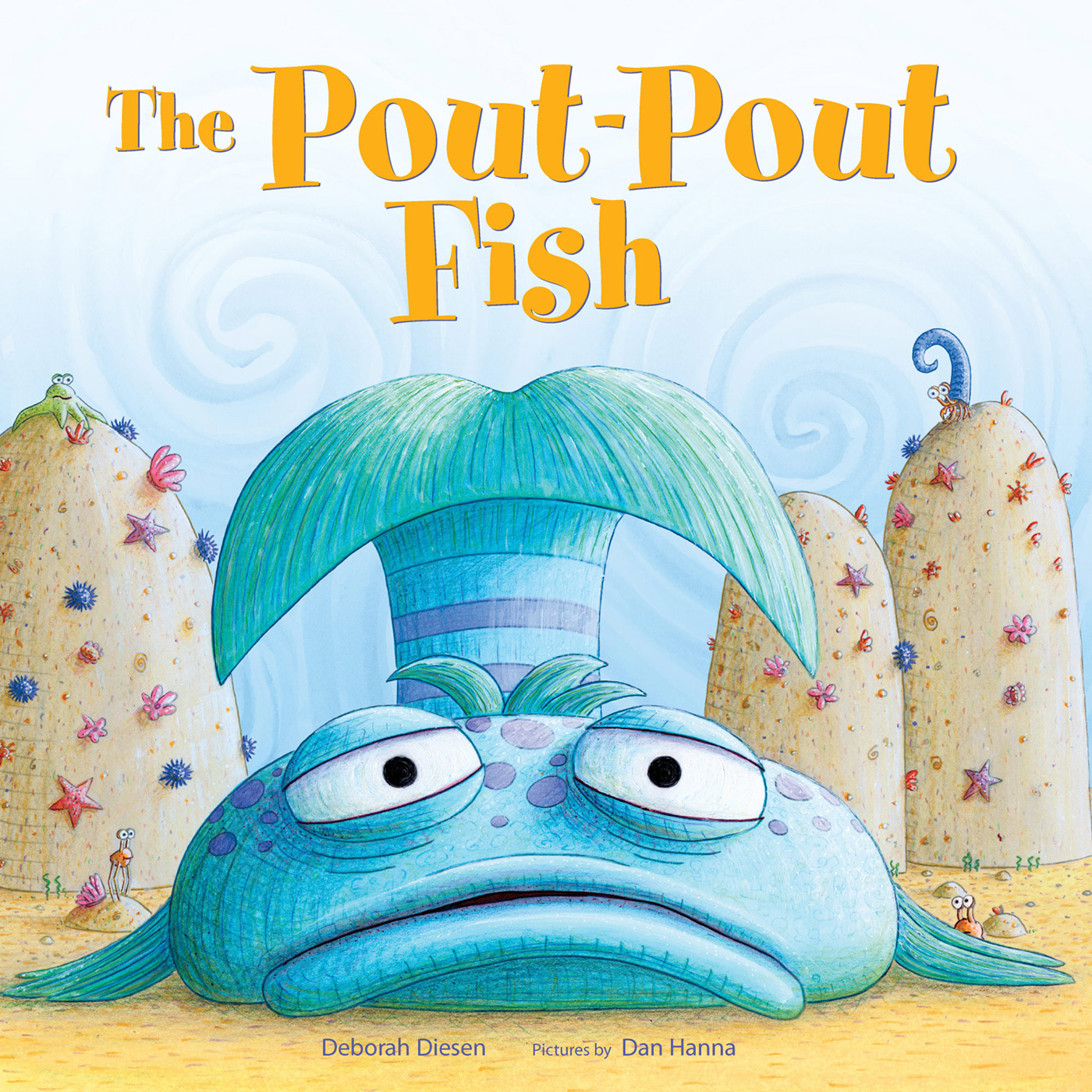
The Pout-Pout Fish
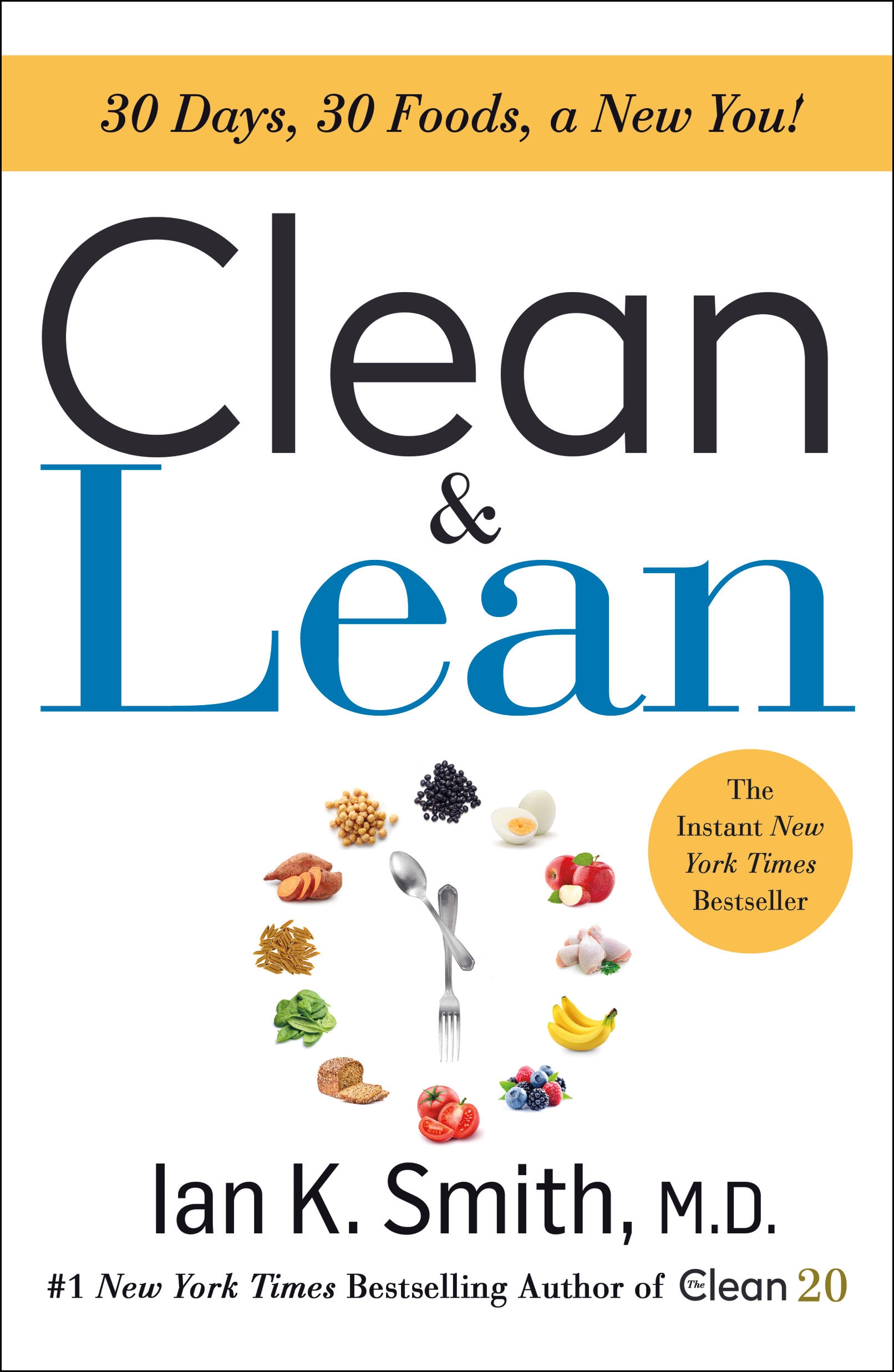
Clean & Lean: 30 Days, 30 Foods, a New You!
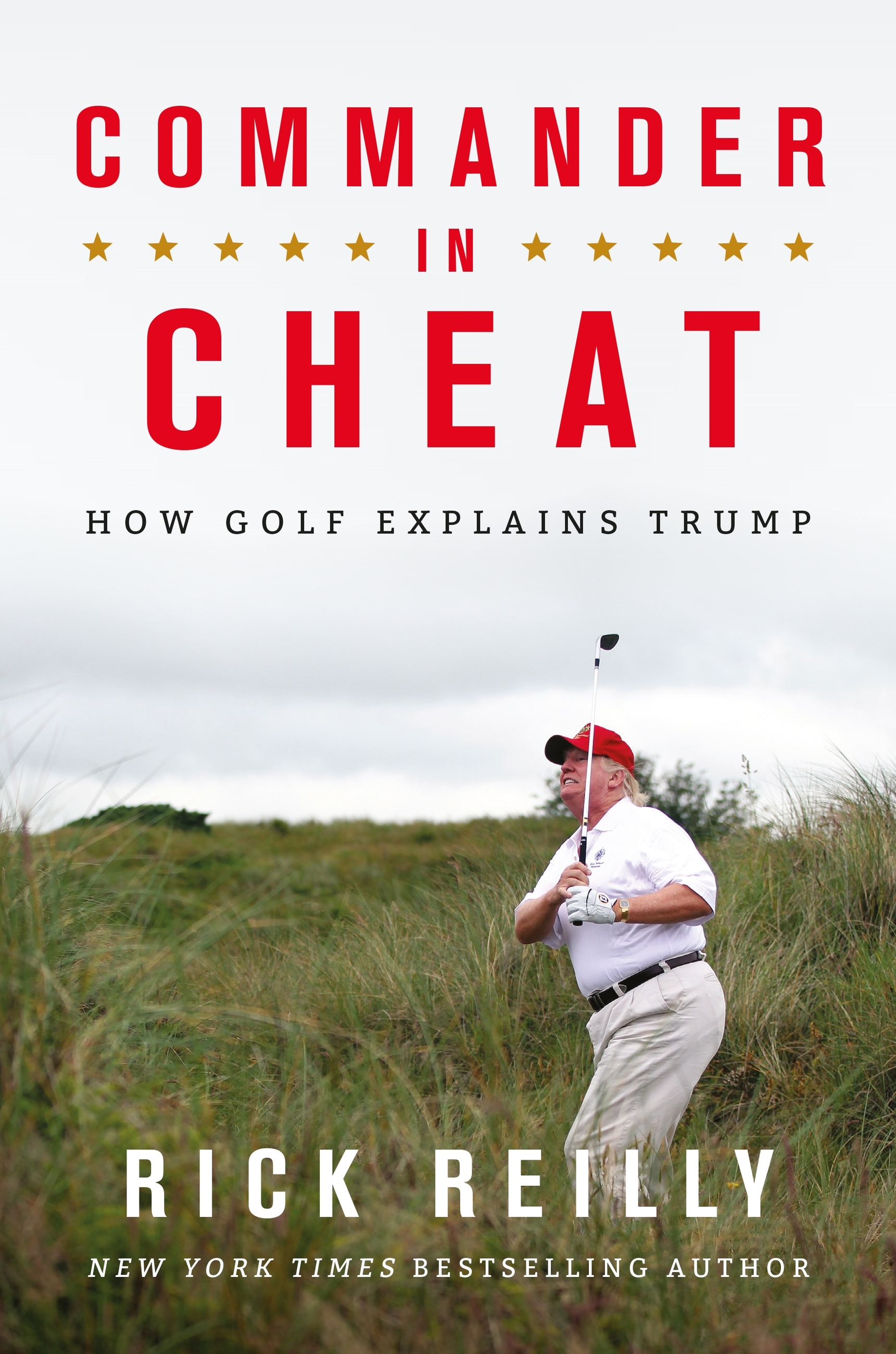
Commander in Cheat: How Golf Explains Trump

There Was an Old Lady Who Swallowed a Chick!

Good Night, Little Blue Truck

Row, Row, Row Your Boat (Indestructibles Series)

You Be You: Detox Your Life, Crush Your Limitations, and Own Your Awesome

Settings
Reflow text when sidebars are open.
