
- Browse Category
Subjects
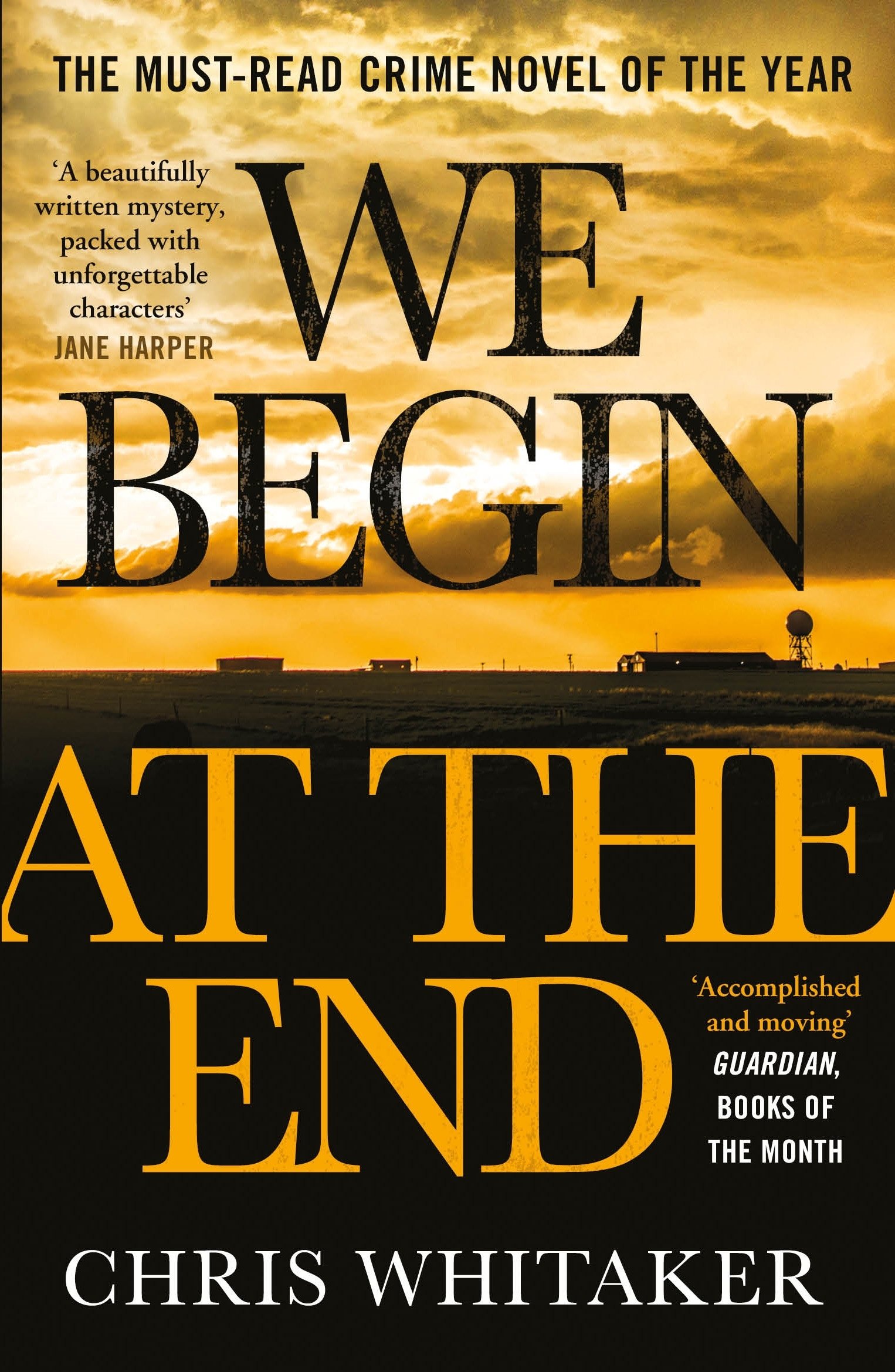 We Begin at the EndLearn More
 - Choice Picks
- Top 100 Free Books
- Blog
- Recently Added
- Submit your eBook
- Browse Category
We Begin at the EndLearn More
- Choice Picks
- Top 100 Free Books
- Blog
- Recently Added
- Submit your eBook
The Measure of Things: Humanism, Humility, and Mystery
2020-12-31 19:06:39
Philosophers, both western and eastern, have long been divided between ''humanists'', for whom ''man is the measure of things'', and their opponents, who claim that there is a way, in principle knowable and describable, that the world anyway is, inde...
Read more
Philosophers, both western and eastern, have long been divided between ''humanists'', for whom ''man is the measure of things'', and their opponents, who claim that there is a way, in principle knowable and describable, that the world anyway is, independent of human perspectives and interests.The early chapters of The Measure of Things chart the development of humanism from medieval times, through the Renaissance, Enlightenment and Romantic periods, to its most sophisticated, twentieth-century form, ''existential humanism''. Cooper does not identify this final position with that of anyparticular philosopher, though it is closely related to those of Heidegger, Merleau-Ponty and the later Wittgenstein. Among the earlier figures discussed are William of Ockham, Kant, Herder, Nietzsche and William James.Having rejected attempts by contemporary advocates of modest or non-metaphysical realism to dissolve the opposition between humanism and its ''absolutist'' rival, Cooper moves on to an adjudication of that rivality. Prompted by the pervasive rhetoric of hubris that the rivals direct against oneanother, he argues, in an original manner, that the rival positions are indeed guilty of lack of humility. Absolutists - whether defenders of ''The Given'' or scientific realists - exaggerate our capacity to ascend out of our ''engaged'' perspectives to an objective account of the world. Humanists,conversely, exaggerate our capacity to live without a sense of our subjection to a measure independent of our own perspectives.The only escape, Cooper maintains, from the impasse reached when humanism and absolutism are both rejected, lies in a doctrine of mystery. There is a reality independent of ''the human contribution'', but it is necessarily ineffable. Drawing in a novel way upon the Buddhist conception of ''emptiness''and Heidegger''s later writings, the final chapters defend the notion of mystery, distinguish the doctrine advanced from that of transcendental idealism, and propose that it is only through appreciation of mystery that measure and warrant may be provided for our beliefs and conduct.
Less

Compare Prices
| Store | Availability | Book Format | Condition | Price |
|---|---|---|---|---|
| BetterWorld.com - New, Used, Rare Books & Textbooks | In Stock | Buy USD 98.77 | ||
| Indigo Books & Music | In Stock | Buy CAD 58.77 |
Available Discount
No Discount available
Related Books
View All
The Book Club

American Moonshot: John F. Kennedy and the Great Space Race

Going to School

Twinkle, Twinkle, Little Star (Indestructibles Series)

Feed Your Best Friend Better: Easy, Nutritious Meals and Treats for Dogs

Made for Me
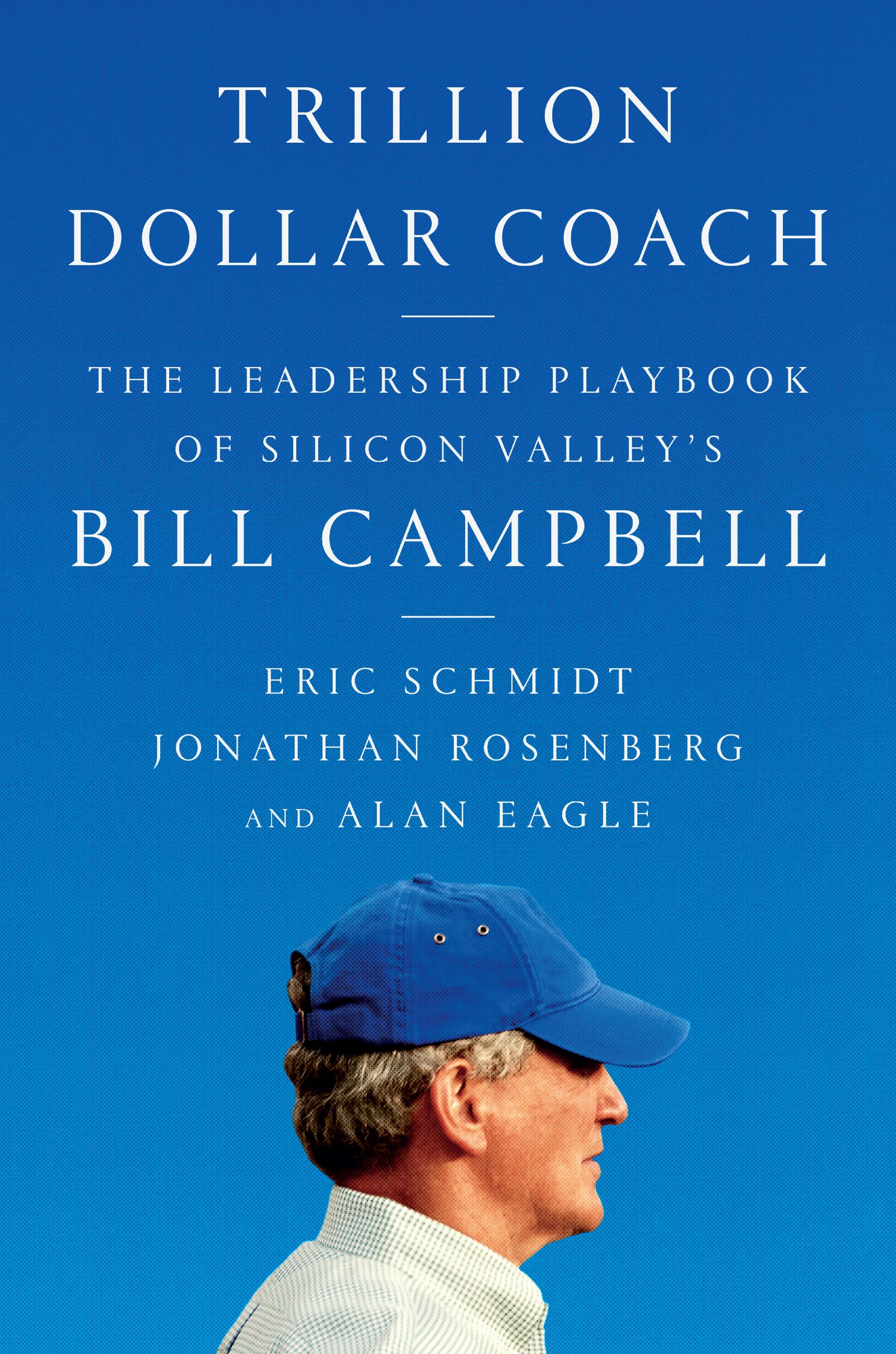
Trillion Dollar Coach: The Leadership Playbook of Silicon Valley's Bill Campbell
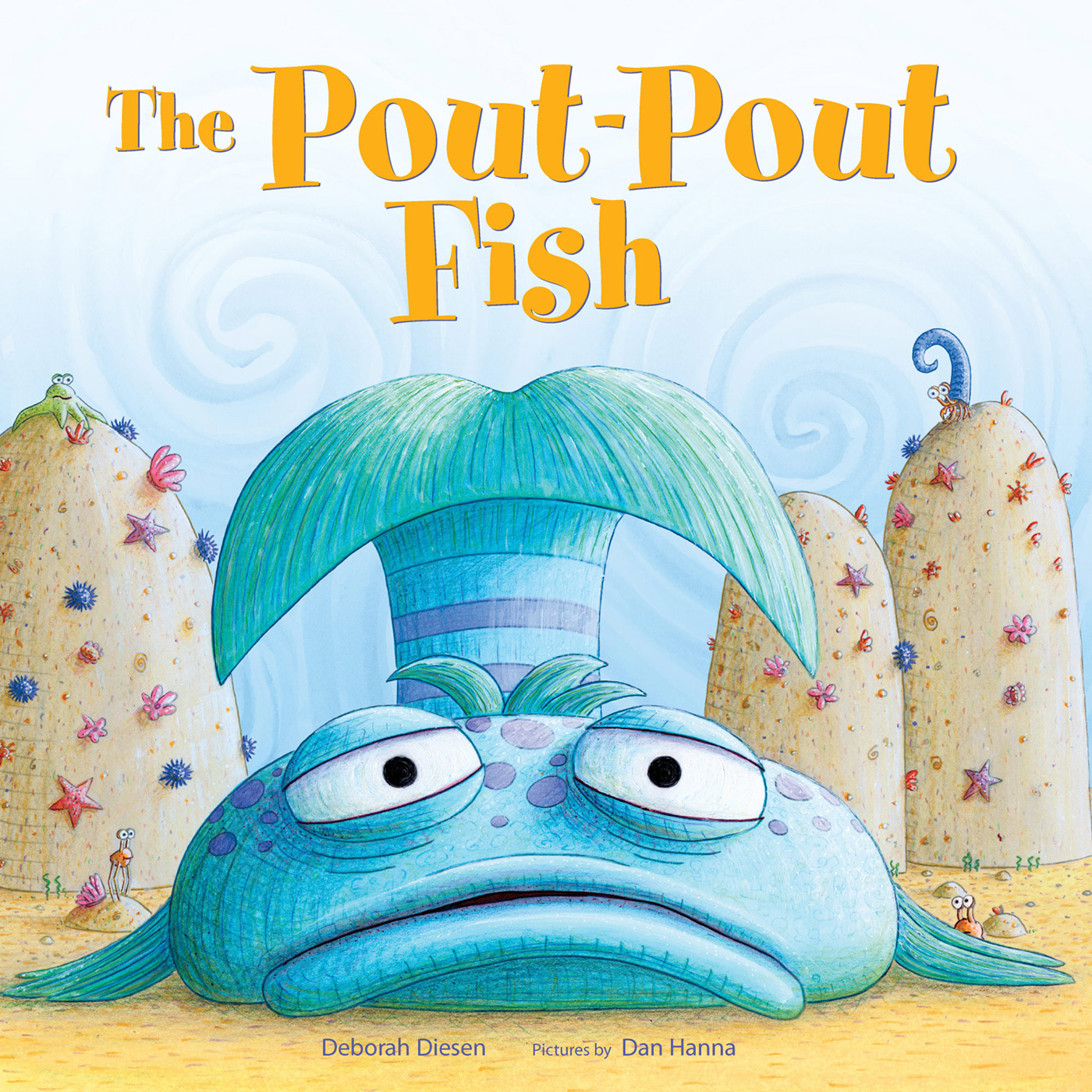
The Pout-Pout Fish

The Secret Wife: A captivating story of romance, passion and mystery

House of Shadows: An Enthralling Historical Mystery

Good Night, Little Blue Truck

You Be You: Detox Your Life, Crush Your Limitations, and Own Your Awesome

Commander in Cheat: How Golf Explains Trump

Secrets Between Us: An absolutely gripping psychological thriller
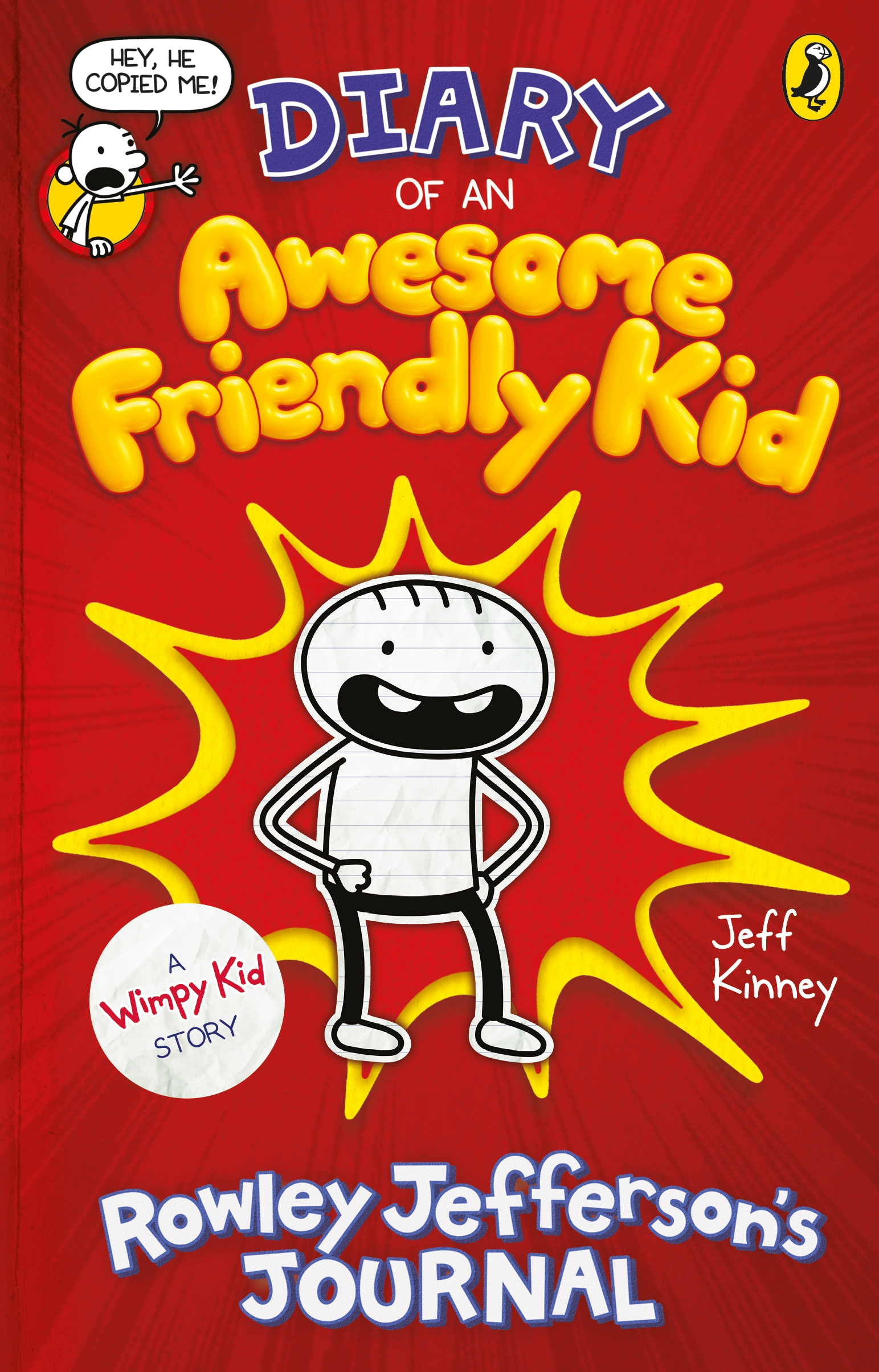
Diary of an Awesome Friendly Kid: Rowley Jefferson's Journal

Life Will Be the Death of Me: ...And You Too!
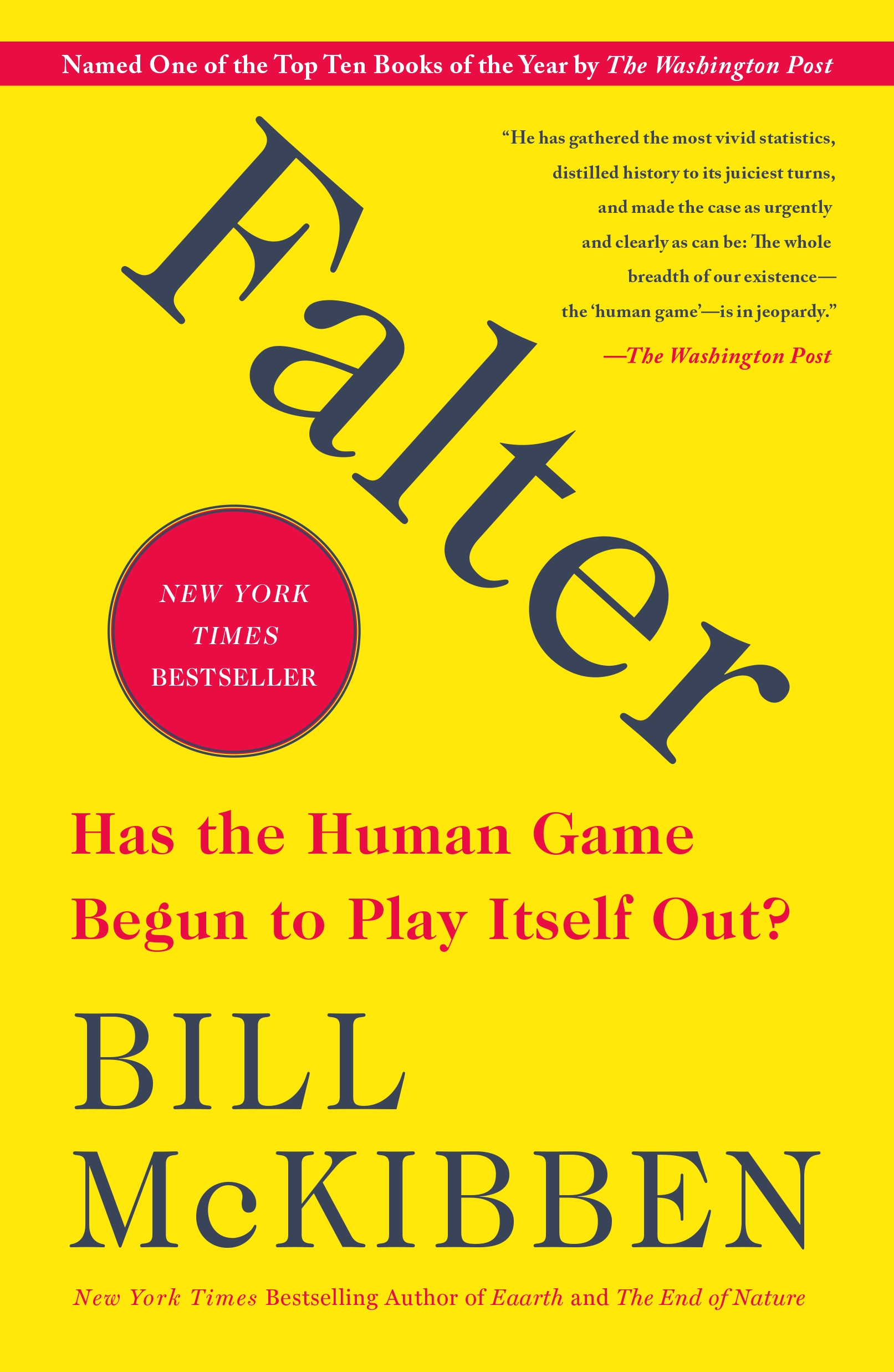
Falter: Has the Human Game Begun to Play Itself Out?
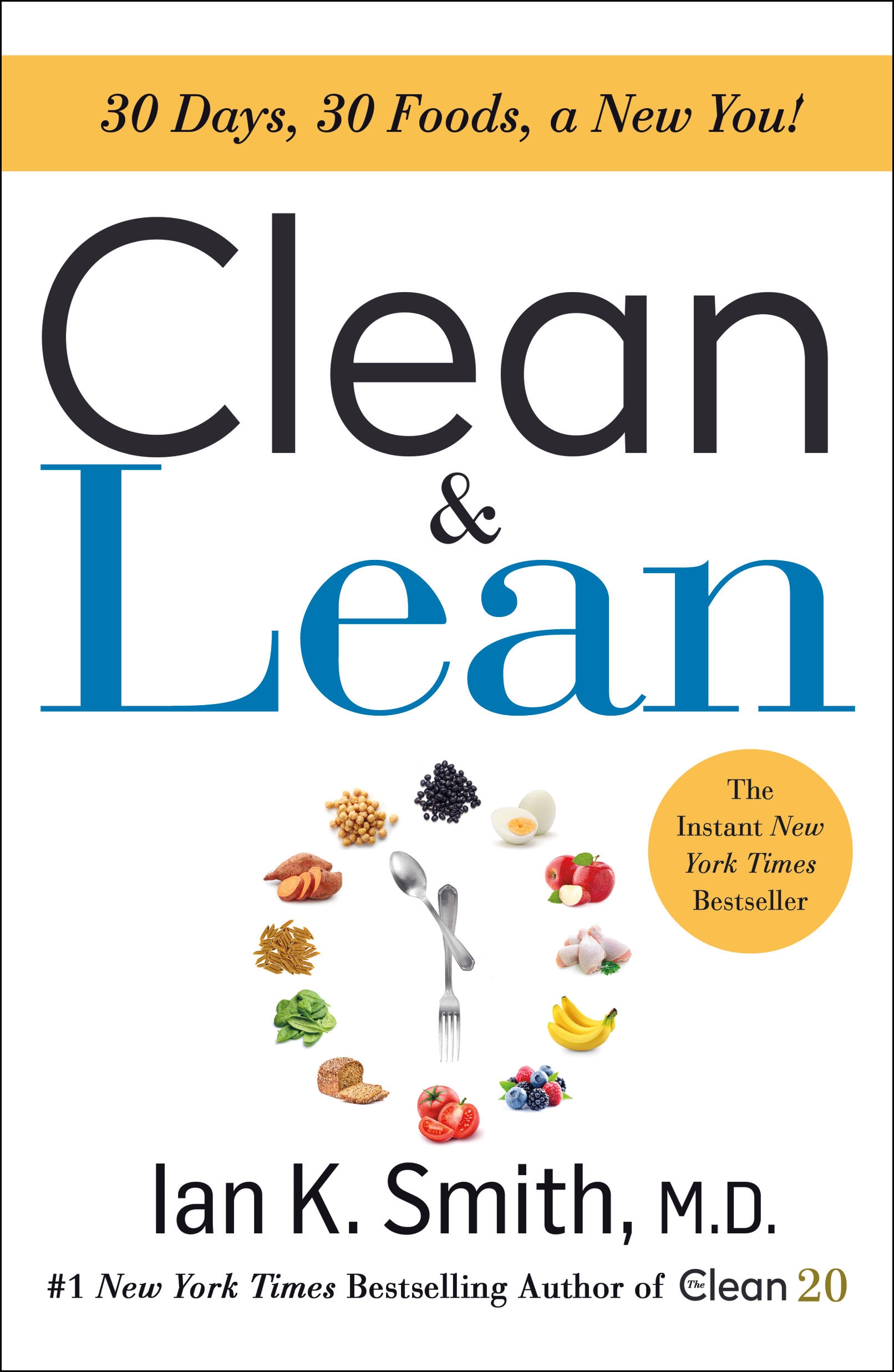
Clean & Lean: 30 Days, 30 Foods, a New You!
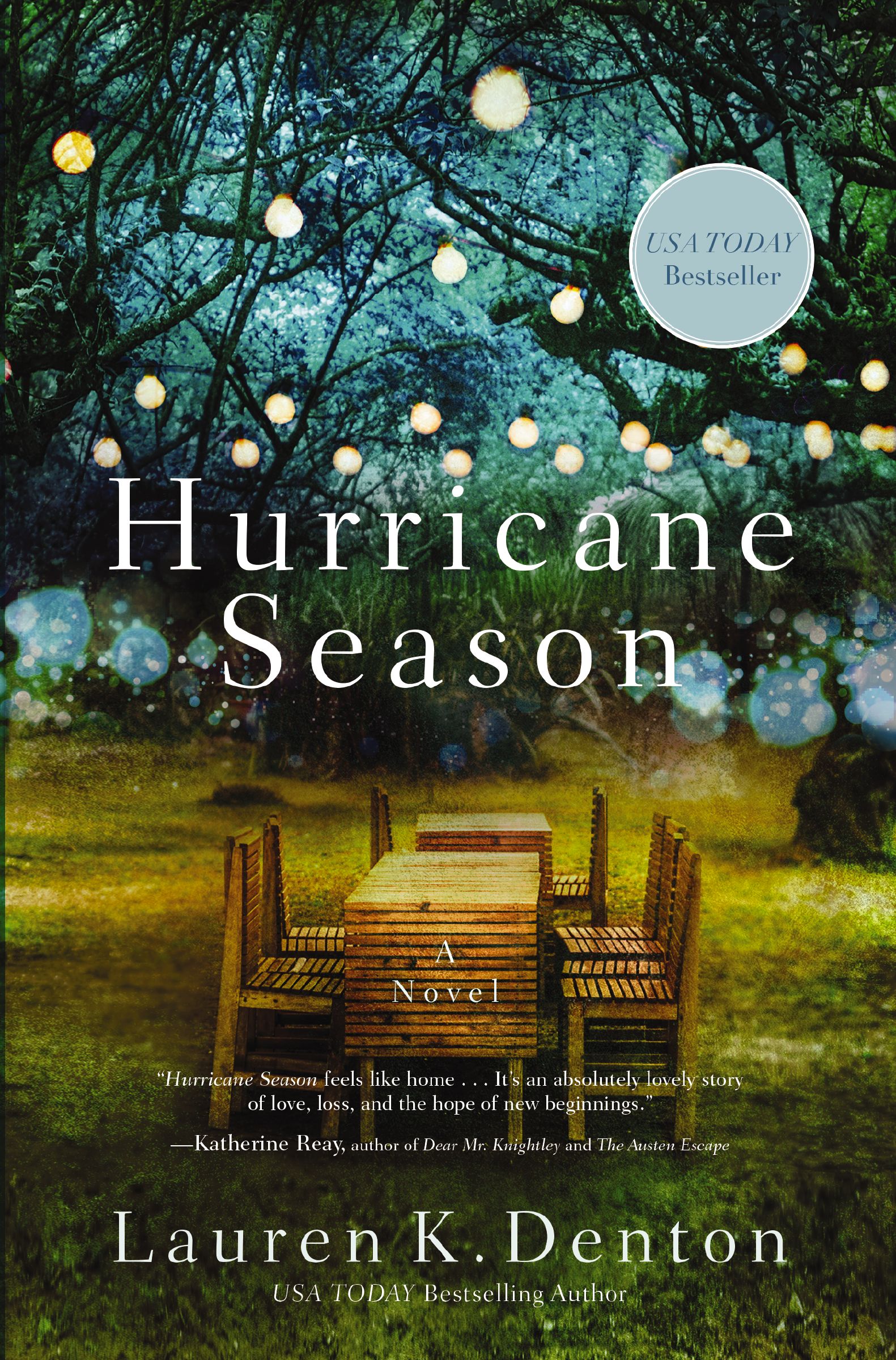
Hurricane Season

There Was an Old Lady Who Swallowed a Chick!
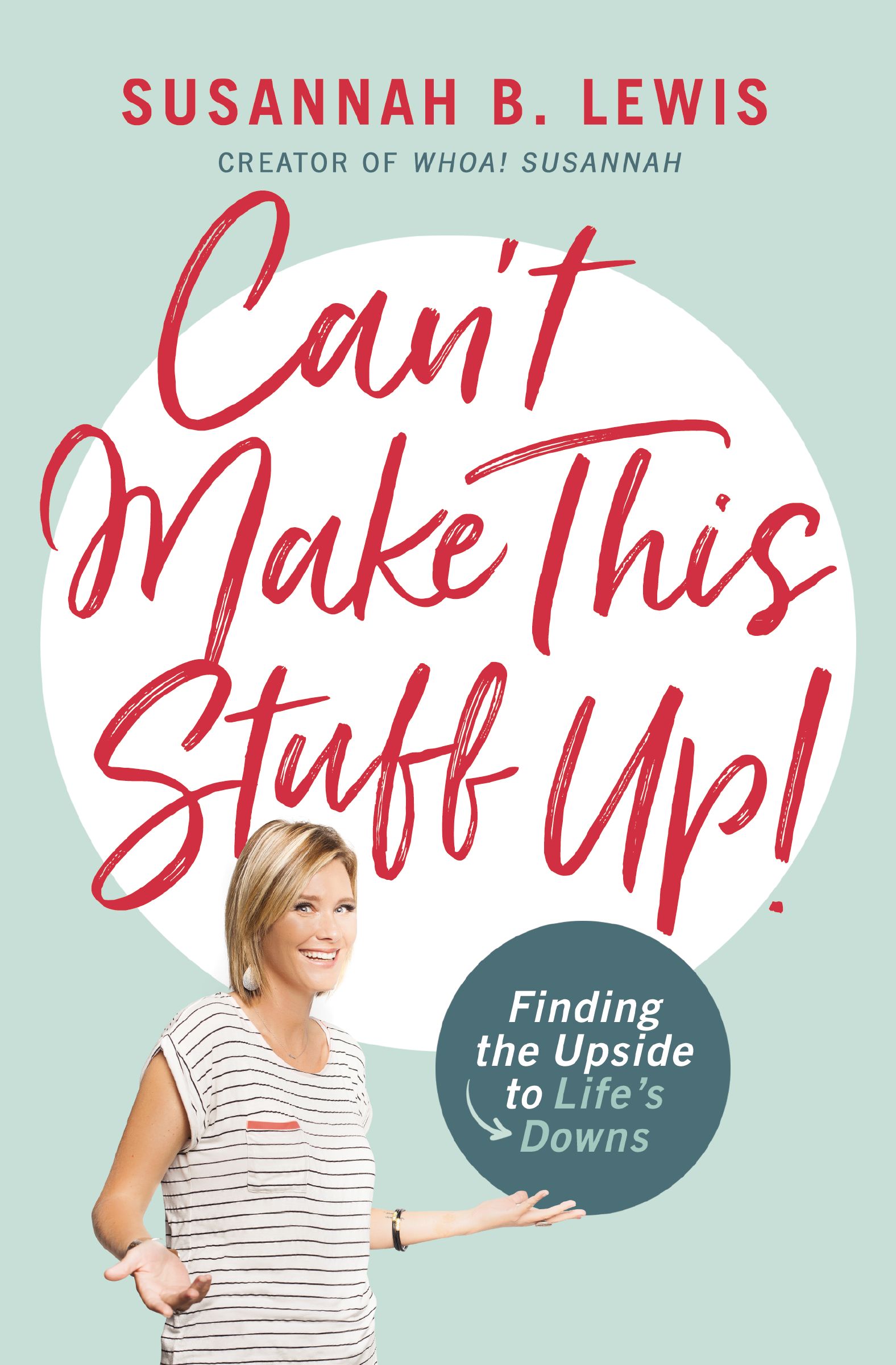
Can't Make This Stuff Up!: Finding the Upside to Life's Downs

We Are Not Friends (You Are Not Small)

The Silent Woman (Cat Carlisle, Book 1)

Row, Row, Row Your Boat (Indestructibles Series)

The Wonderful Things You Will Be

Settings
Reflow text when sidebars are open.
