
- Browse Category
Subjects
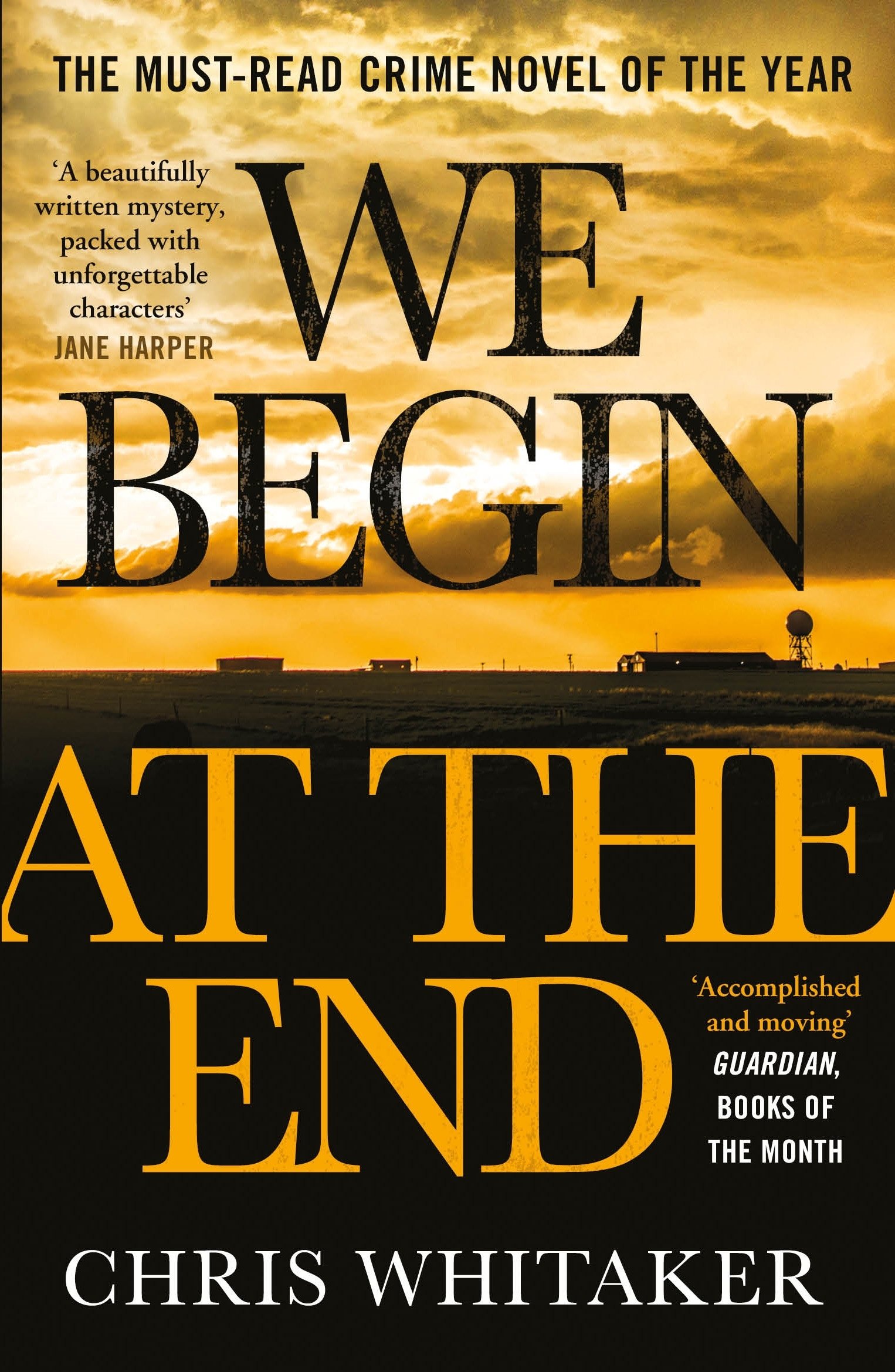 We Begin at the EndLearn More
 - Choice Picks
- Top 100 Free Books
- Blog
- Recently Added
- Submit your eBook
- Browse Category
We Begin at the EndLearn More
- Choice Picks
- Top 100 Free Books
- Blog
- Recently Added
- Submit your eBook

The Myth of Nations: The Medieval Origins of Europe
2021-01-01 09:39:56
Modern-day Europeans by the millions proudly trace back their national identities to the Celts, Franks, Gauls, Goths, Huns, or Serbs--or some combination of the various peoples who inhabited, traversed, or pillaged their continent more than a thousan...
Read more
Modern-day Europeans by the millions proudly trace back their national identities to the Celts, Franks, Gauls, Goths, Huns, or Serbs--or some combination of the various peoples who inhabited, traversed, or pillaged their continent more than a thousand years ago. According to Patrick Geary, this is historical nonsense. The idea that national character is fixed for all time in a simpler, distant past is groundless, he argues in this unflinching reconsideration of European nationhood. Few of the peoples that many Europeans honor as sharing their sense of ''''nation'''' had comparably homogeneous identities; even the Huns, he points out, were firmly united only under Attila''s ten-year reign.
Geary dismantles the nationalist myths about how the nations of Europe were born. Through rigorous analysis set in lucid prose, he contrasts the myths with the actual history of Europe''s transformation between the fourth and ninth centuries--the period of grand migrations that nationalists hold dear. The nationalist sentiments today increasingly taken for granted in Europe emerged, he argues, only in the nineteenth century. Ironically, this phenomenon was kept alive not just by responsive populations--but by complicit scholars.
Ultimately, Geary concludes, the actual formation of European peoples must be seen as an extended process that began in antiquity and continues in the present. The resulting image is a challenge to those who anchor contemporary antagonisms in ancient myths--to those who claim that immigration and tolerance toward minorities despoil ''''nationhood.'''' As Geary shows, such ideologues--whether Le Pens who champion ''''the French people born with the baptism of Clovis in 496'''' or Milosevics who cite early Serbian history to claim rebellious regions--know their myths but not their history.
The Myth of Nations will be intensely debated by all who understood that a history that does not change, that reduces the complexities of many centuries to a single, eternal moment, isn''t history at all.
Less
Compare Prices
| Store | Availability | Book Format | Condition | Price |
|---|---|---|---|---|
| Indigo Books & Music | In Stock | Paperback | Paperback | Buy CAD 36.06 |
Available Discount
No Discount available
Related Books
View All
Row, Row, Row Your Boat (Indestructibles Series)

The Secret Wife: A captivating story of romance, passion and mystery

There Was an Old Lady Who Swallowed a Chick!

The Wonderful Things You Will Be

Good Night, Little Blue Truck

Commander in Cheat: How Golf Explains Trump
Hurricane Season

Life Will Be the Death of Me: ...And You Too!

Falter: Has the Human Game Begun to Play Itself Out?

Diary of an Awesome Friendly Kid: Rowley Jefferson's Journal

Twinkle, Twinkle, Little Star (Indestructibles Series)
Can't Make This Stuff Up!: Finding the Upside to Life's Downs
The Pout-Pout Fish

Secrets Between Us: An absolutely gripping psychological thriller

House of Shadows: An Enthralling Historical Mystery

You Be You: Detox Your Life, Crush Your Limitations, and Own Your Awesome

Made for Me

Trillion Dollar Coach: The Leadership Playbook of Silicon Valley's Bill Campbell

Feed Your Best Friend Better: Easy, Nutritious Meals and Treats for Dogs

American Moonshot: John F. Kennedy and the Great Space Race

We Are Not Friends (You Are Not Small)

The Book Club
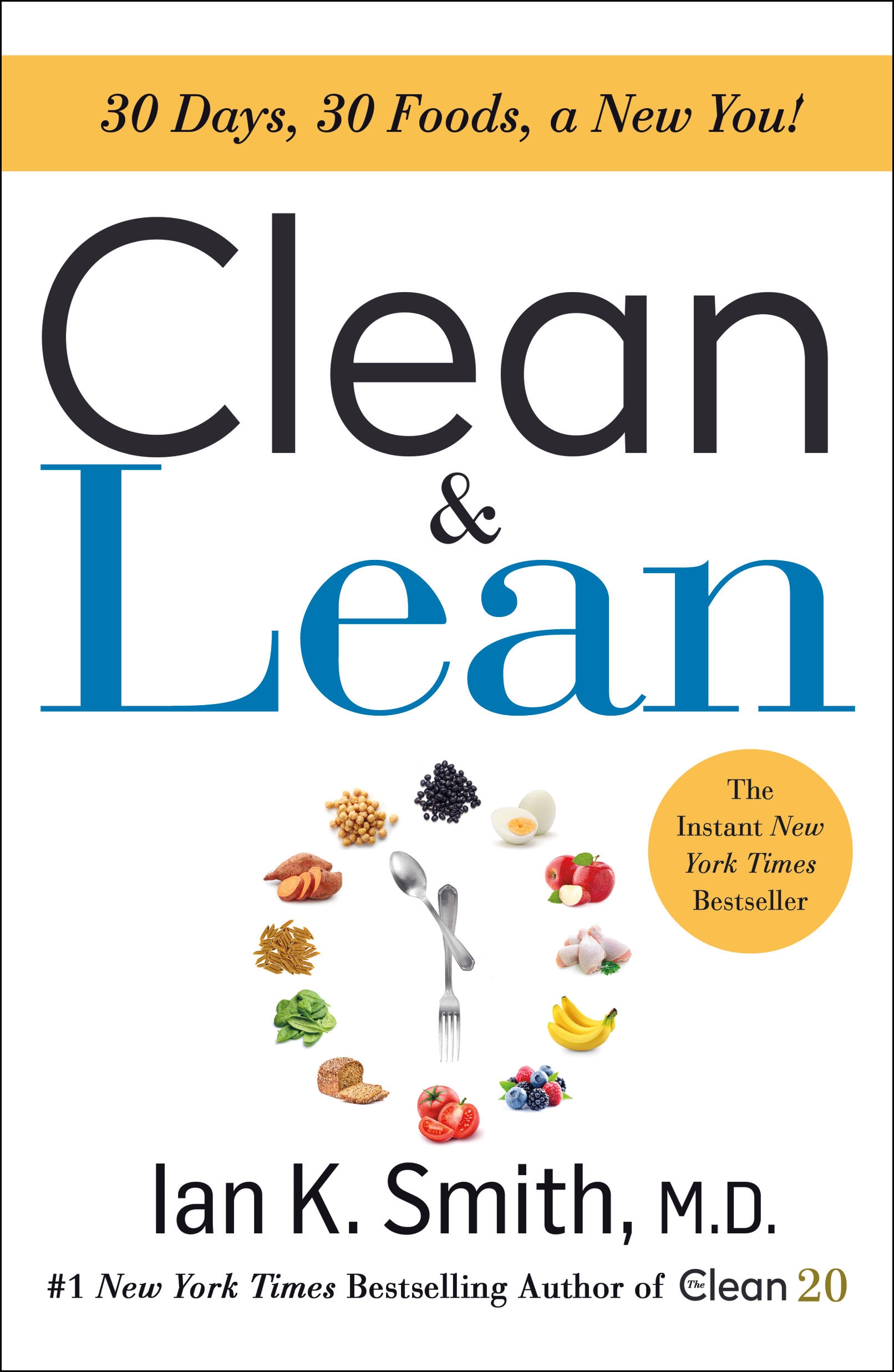
Clean & Lean: 30 Days, 30 Foods, a New You!

Going to School

The Silent Woman (Cat Carlisle, Book 1)

Settings
Reflow text when sidebars are open.
