
- Browse Category
Subjects
 We Begin at the EndLearn More
 - Choice Picks
- Top 100 Free Books
- Blog
- Recently Added
- Submit your eBook
- Browse Category
We Begin at the EndLearn More
- Choice Picks
- Top 100 Free Books
- Blog
- Recently Added
- Submit your eBook
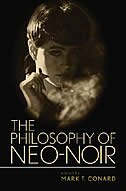
The Philosophy of Neo-Noir
2021-01-03 07:53:18
Film noir is a classic genre characterized by visual elements such as tilted camera angles, skewed scene compositions, and an interplay between darkness and light. Common motifs include crime and punishment, the upheaval of traditional moral values, ...
Read more
Film noir is a classic genre characterized by visual elements such as tilted camera angles, skewed scene compositions, and an interplay between darkness and light. Common motifs include crime and punishment, the upheaval of traditional moral values, and a pessimistic stance on the meaning of life and on the place of humankind in the universe. Spanning the 1940s and 1950s, the classic film noir era saw the release of many of Hollywood's best-loved studies of shady characters and shadowy underworlds, including Double Indemnity, The Big Sleep, Touch of Evil, and The Maltese Falcon. Neo-noir is a somewhat loosely defined genre of films produced after the classic noir era that display the visual or thematic hallmarks of the noir sensibility. The essays collected in The Philosophy of Neo-Noir explore the philosophical implications of neo-noir touchstones such as Blade Runner, Chinatown, Reservoir Dogs, Memento, and the films of the Coen brothers. Through the lens of philosophy, Mark T. Conard and the contributors examine previously obscure layers of meaning in these challenging films. The contributors also consider these neo-noir films as a means of addressing philosophical questions about guilt, redemption, the essence of human nature, and problems of knowledge, memory and identity. In the neo-noir universe, the lines between right and wrong and good and evil are blurred, and the detective and the criminal frequently mirror each other's most debilitating personality traits. The neo-noir detective -- more antihero than hero -- is frequently a morally compromised and spiritually shaken individual whose pursuit of a criminal masks the search for lost or unattainable aspects of the self. Conard argues that the films discussed in The Philosophy of Neo-Noir convey ambiguity, disillusionment, and disorientation more effectively than even the most iconic films of the classic noir era. Able to self-consciously draw upon noir conventions and simultaneously subvert them, neo-noir directors push beyond the earlier genre's limitations and open new paths of cinematic and philosophical exploration. Less

Compare Prices
| Store | Availability | Book Format | Condition | Price |
|---|---|---|---|---|
| Indigo Books & Music | In Stock | Hard Cover | Hard Cover | Buy CAD 62.50 |
| Indigo Books & Music | In Stock | Buy CAD 38.95 | ||
| BetterWorld.com - New, Used, Rare Books & Textbooks | In Stock | Buy USD 21.48 |
Available Discount
No Discount available
Related Books
View All
We Are Not Friends (You Are Not Small)

You Be You: Detox Your Life, Crush Your Limitations, and Own Your Awesome
The Pout-Pout Fish
American Moonshot: John F. Kennedy and the Great Space Race

Twinkle, Twinkle, Little Star (Indestructibles Series)

The Silent Woman (Cat Carlisle, Book 1)

Going to School

Row, Row, Row Your Boat (Indestructibles Series)
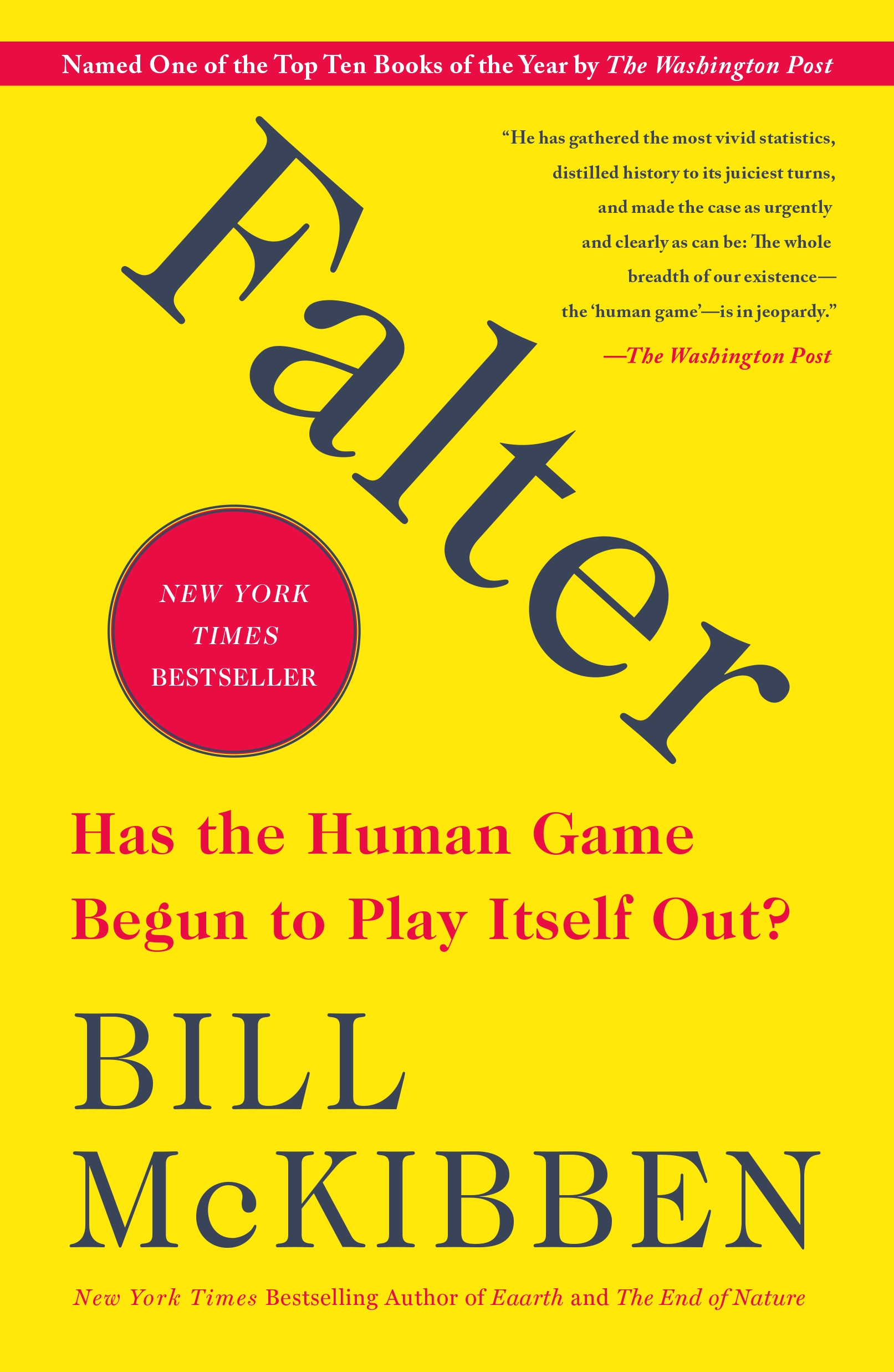
Falter: Has the Human Game Begun to Play Itself Out?
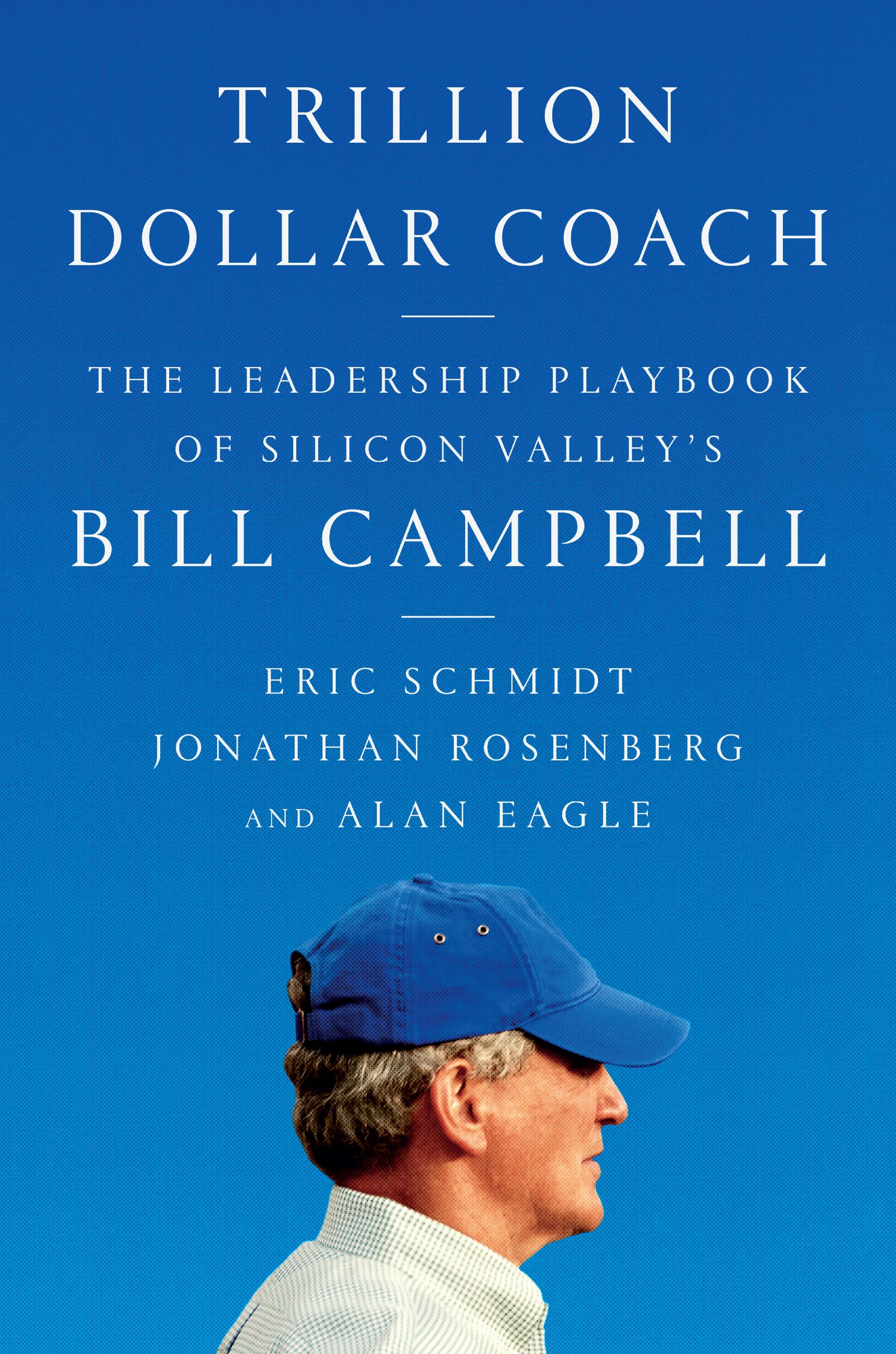
Trillion Dollar Coach: The Leadership Playbook of Silicon Valley's Bill Campbell
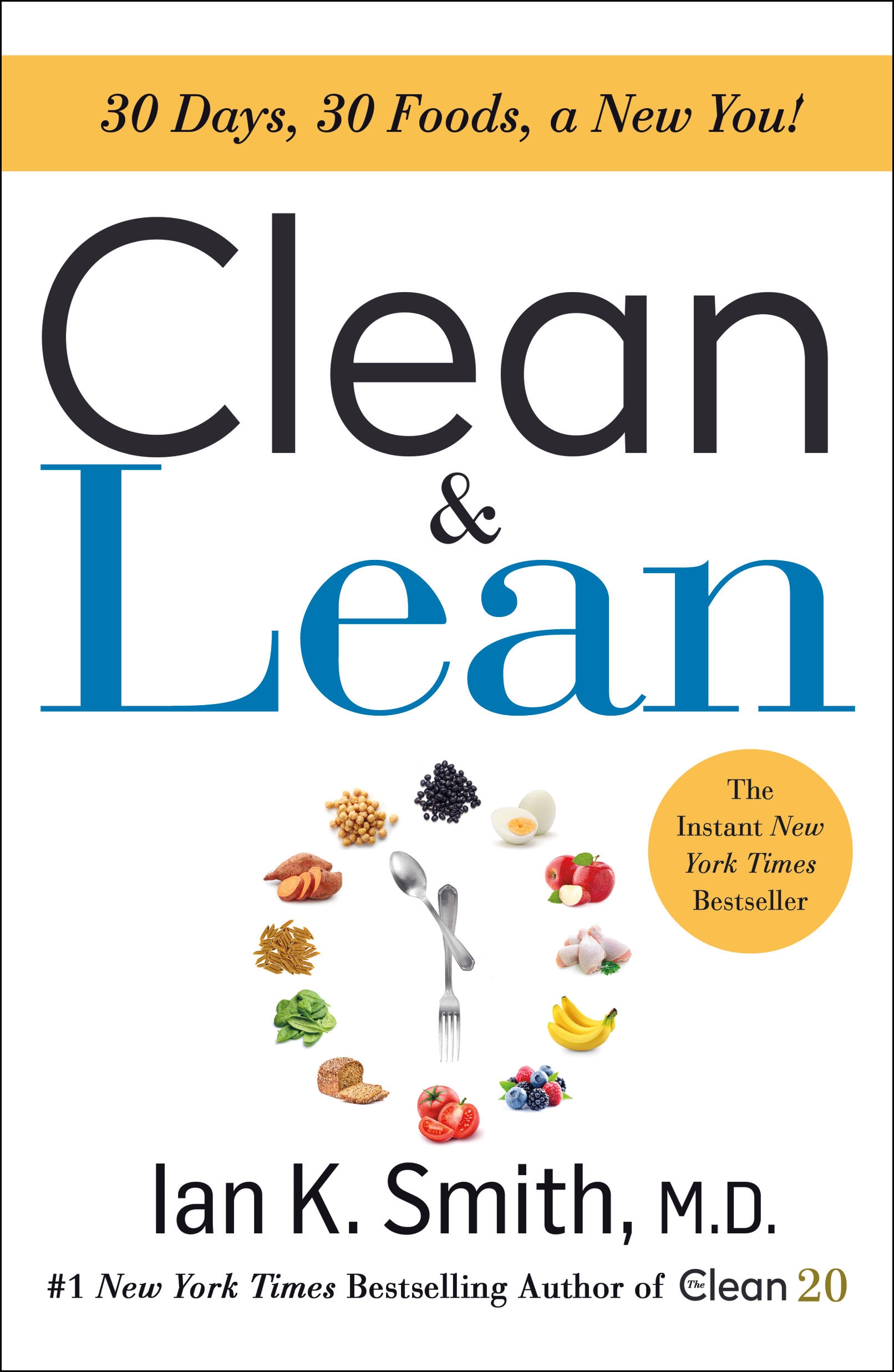
Clean & Lean: 30 Days, 30 Foods, a New You!

Life Will Be the Death of Me: ...And You Too!

House of Shadows: An Enthralling Historical Mystery

There Was an Old Lady Who Swallowed a Chick!

Good Night, Little Blue Truck
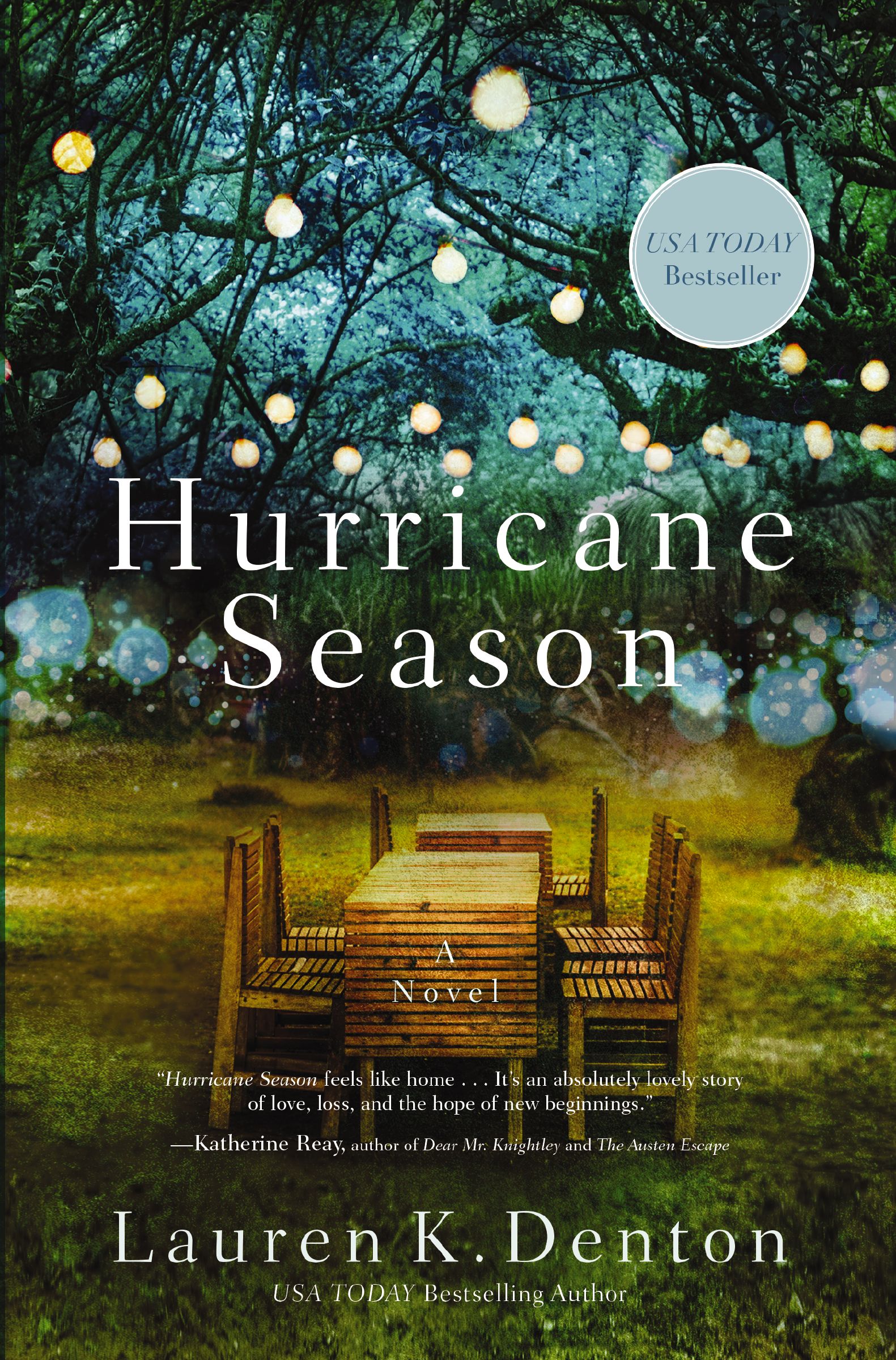
Hurricane Season

Commander in Cheat: How Golf Explains Trump

Made for Me
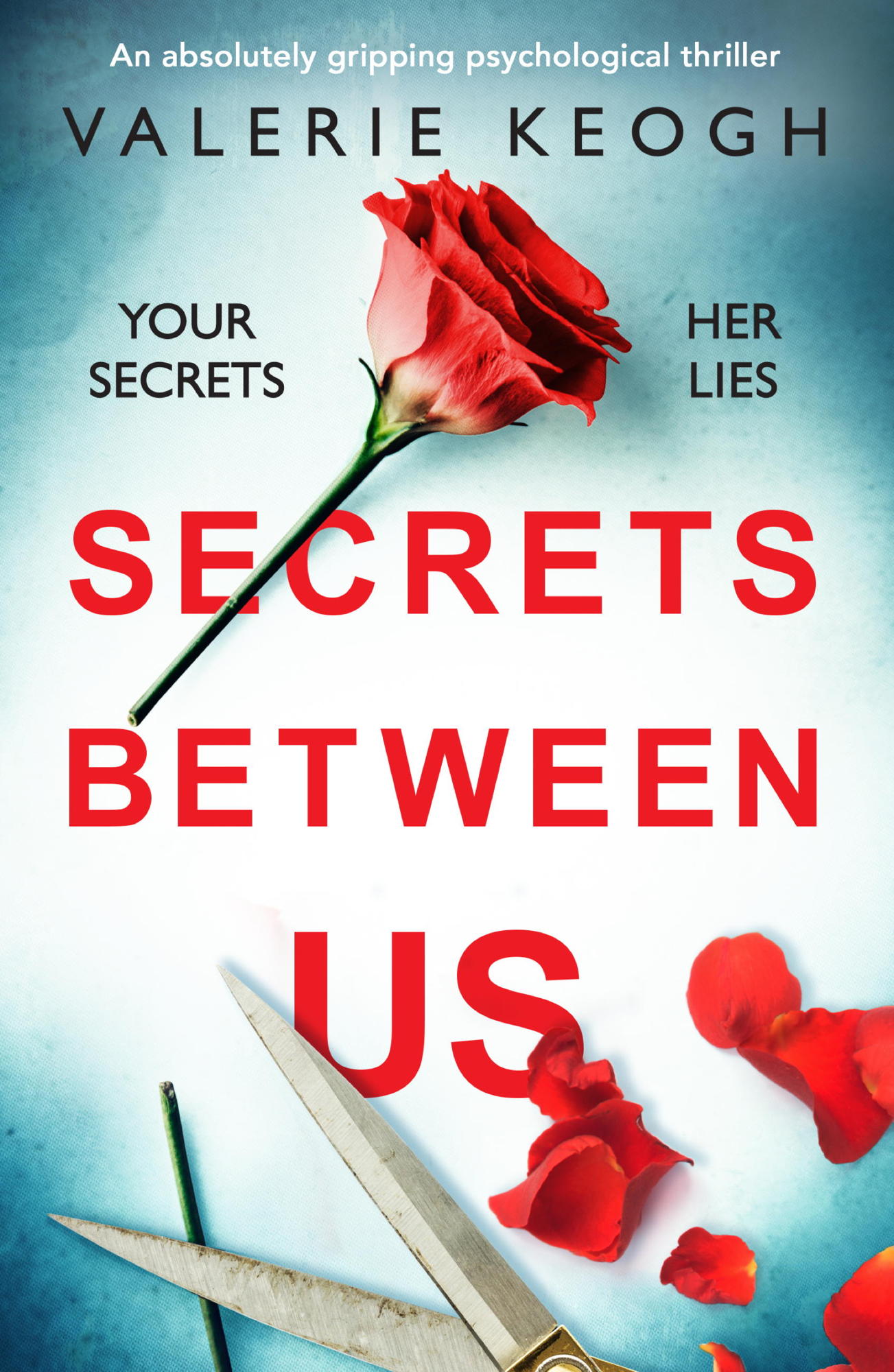
Secrets Between Us: An absolutely gripping psychological thriller

Feed Your Best Friend Better: Easy, Nutritious Meals and Treats for Dogs
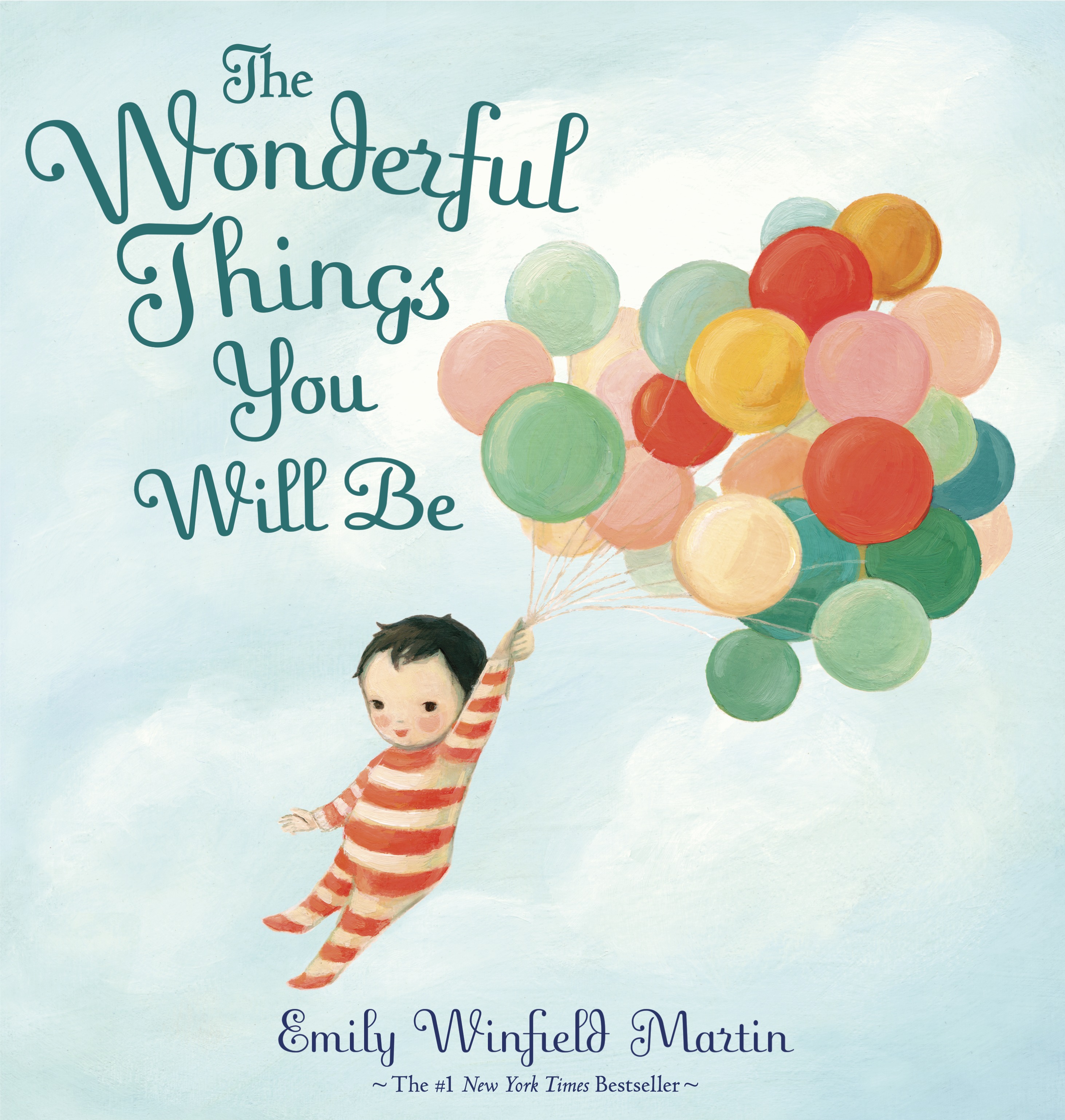
The Wonderful Things You Will Be

The Secret Wife: A captivating story of romance, passion and mystery

The Book Club
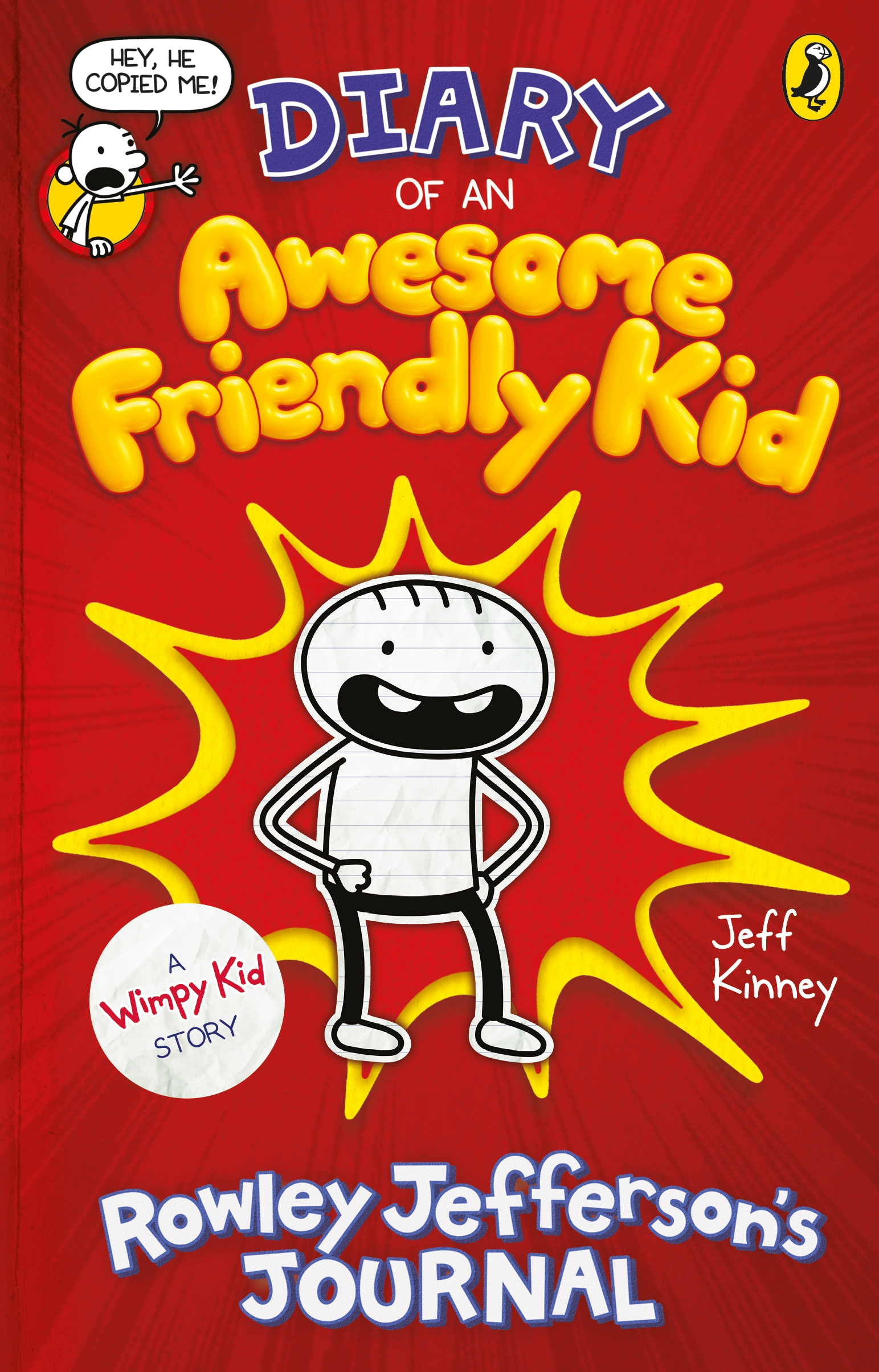
Diary of an Awesome Friendly Kid: Rowley Jefferson's Journal
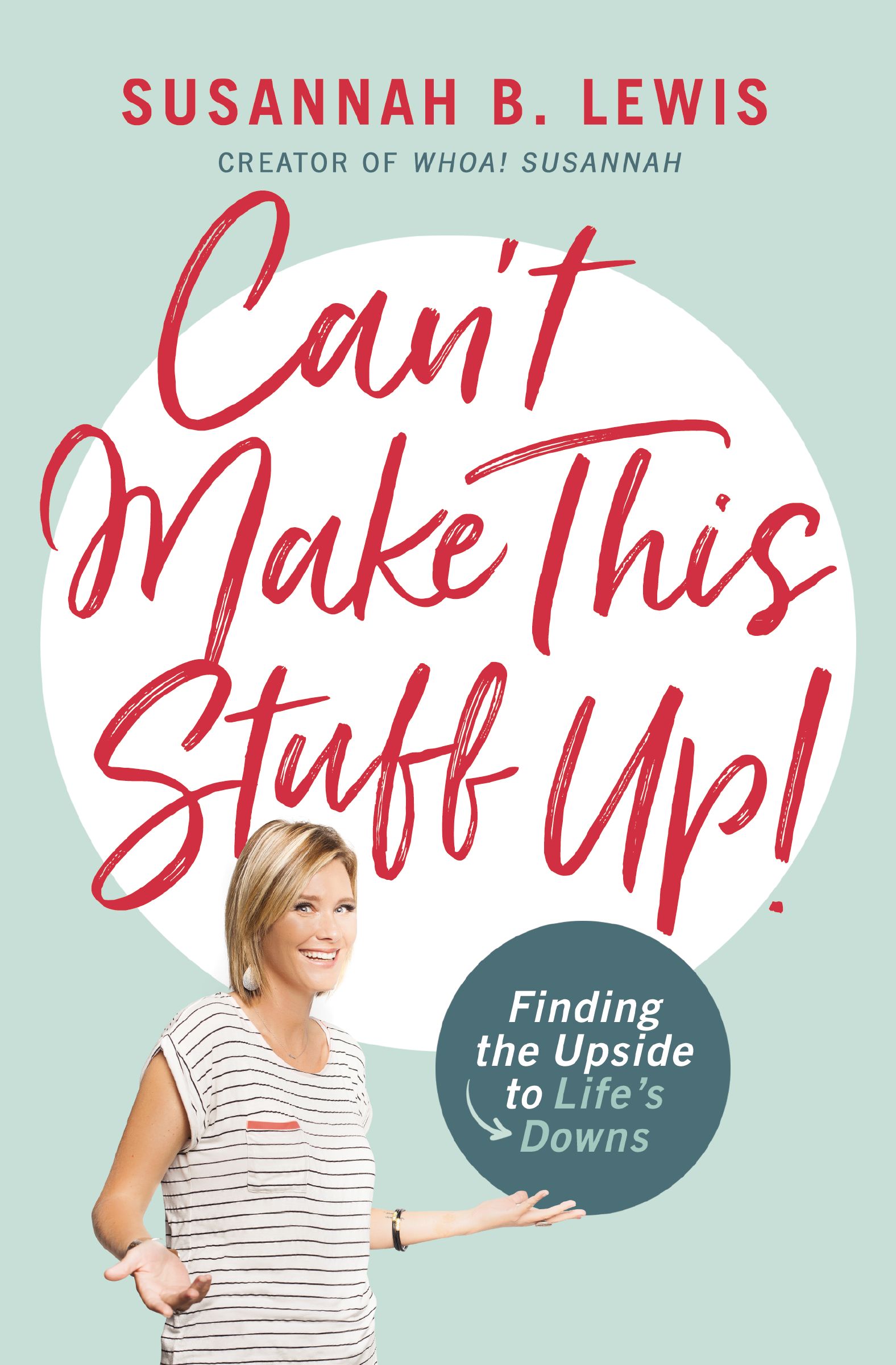
Can't Make This Stuff Up!: Finding the Upside to Life's Downs

Settings
Reflow text when sidebars are open.
