
- Browse Category
Subjects
 We Begin at the EndLearn More
 - Choice Picks
- Top 100 Free Books
- Blog
- Recently Added
- Submit your eBook
- Browse Category
We Begin at the EndLearn More
- Choice Picks
- Top 100 Free Books
- Blog
- Recently Added
- Submit your eBook

The Price of Federalism
2020-12-30 02:01:54
What is the price of federalism? Does it result in governmental interconnections that are too complex? Does it create overlapping responsibilities? Does it perpetuate social inequalities? Does it stifle economic growth? To answer these questions, Pau...
Read more
What is the price of federalism? Does it result in governmental interconnections that are too complex? Does it create overlapping responsibilities? Does it perpetuate social inequalities? Does it stifle economic growth? To answer these questions, Paul Peterson sets forth two theories of federalism: functional and legislative. Functional theory is optimistic. It says that each level of the federal system is well designed to carry out the tasks for which it is mainly responsible. State and local governments assume responsibility for their area's physical and social development; the national government cares for the needy and reduces economic inequities. Legislative theory, in contrast, is pessimistic: it says that national political leaders, responding to electoral pressures, misuse their power. They shift unpopular burdens to lower levels of government while spending national dollars on popular government programs for which they can claim credit. Both theories are used to explain different aspects of American federalism. Legislative theory explains why federal grants have never been used to equalize public services. Elected officials cannot easily justify to their constituents a vote to shift funds away from the geographic area they represent. The overall direction that American federalism has taken in recent years is better explained by functional theory. As the costs of transportation and communication have declined, labor and capital have become increasingly mobile, placing states and localities in greater competition with one another. State and local governments are responding to these changes by overlooking the needs of the poor, focusing instead on economic development. As a further consequence, older, big cities of the Rust Belt, inefficient in their operations and burdened by social responsibilities, are losing jobs and population to the suburban communities that surround them. Peterson recommends that the national government adopt p
Less

Compare Prices
| Store | Availability | Book Format | Condition | Price |
|---|---|---|---|---|
| Indigo Books & Music | In Stock | Paperback | Paperback | Buy CAD 32.99 |
| BetterWorld.com - New, Used, Rare Books & Textbooks | In Stock | Buy USD 3.98 | ||
| eBooks.com | In Stock | Buy GBP 18.74 |
Available Discount
No Discount available
Related Books
View All
House of Shadows: An Enthralling Historical Mystery

Feed Your Best Friend Better: Easy, Nutritious Meals and Treats for Dogs

Row, Row, Row Your Boat (Indestructibles Series)
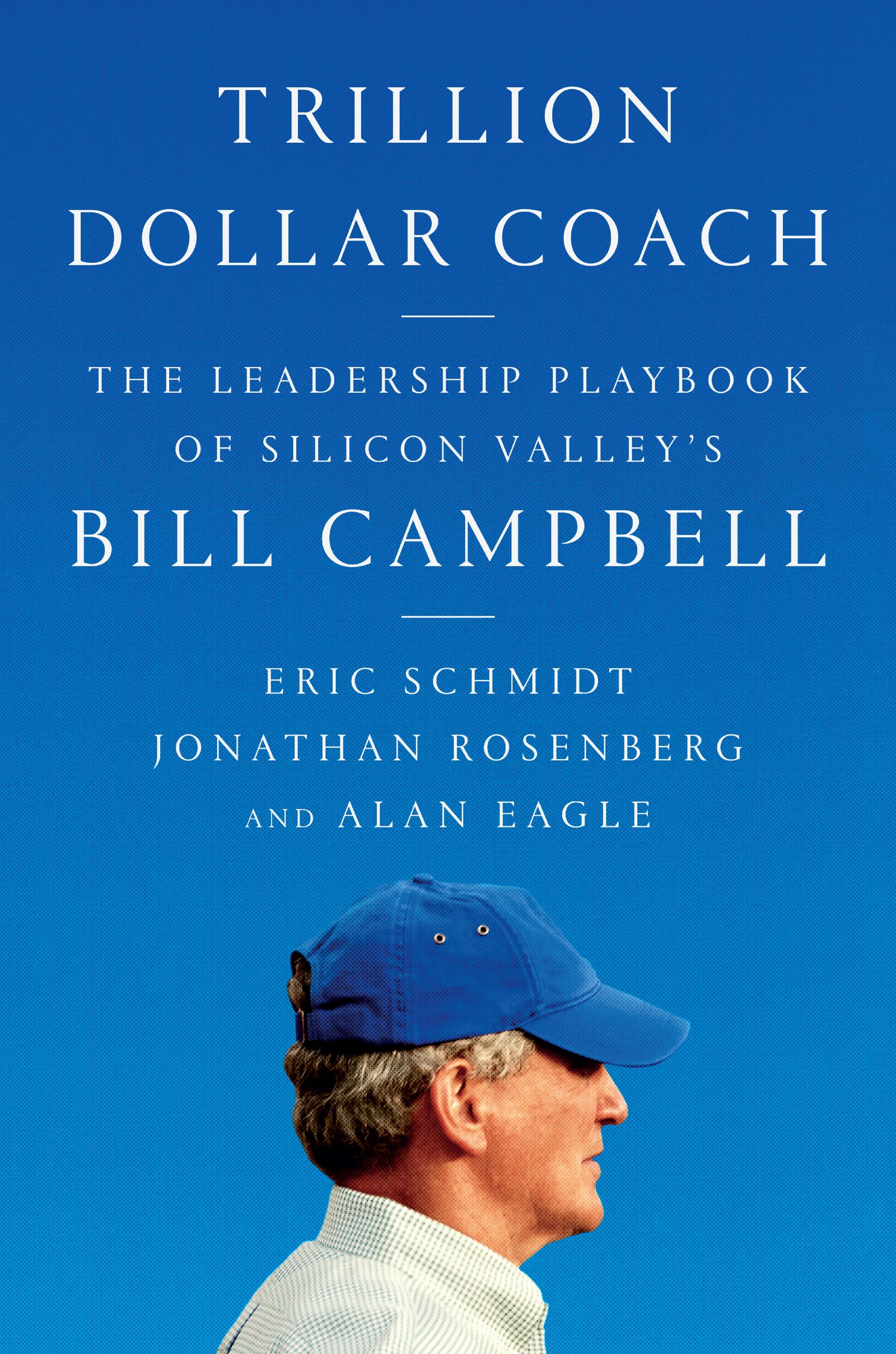
Trillion Dollar Coach: The Leadership Playbook of Silicon Valley's Bill Campbell

There Was an Old Lady Who Swallowed a Chick!

Made for Me

The Pout-Pout Fish

You Be You: Detox Your Life, Crush Your Limitations, and Own Your Awesome

The Silent Woman (Cat Carlisle, Book 1)

Twinkle, Twinkle, Little Star (Indestructibles Series)

Falter: Has the Human Game Begun to Play Itself Out?

Going to School

Life Will Be the Death of Me: ...And You Too!

American Moonshot: John F. Kennedy and the Great Space Race

We Are Not Friends (You Are Not Small)

Diary of an Awesome Friendly Kid: Rowley Jefferson's Journal
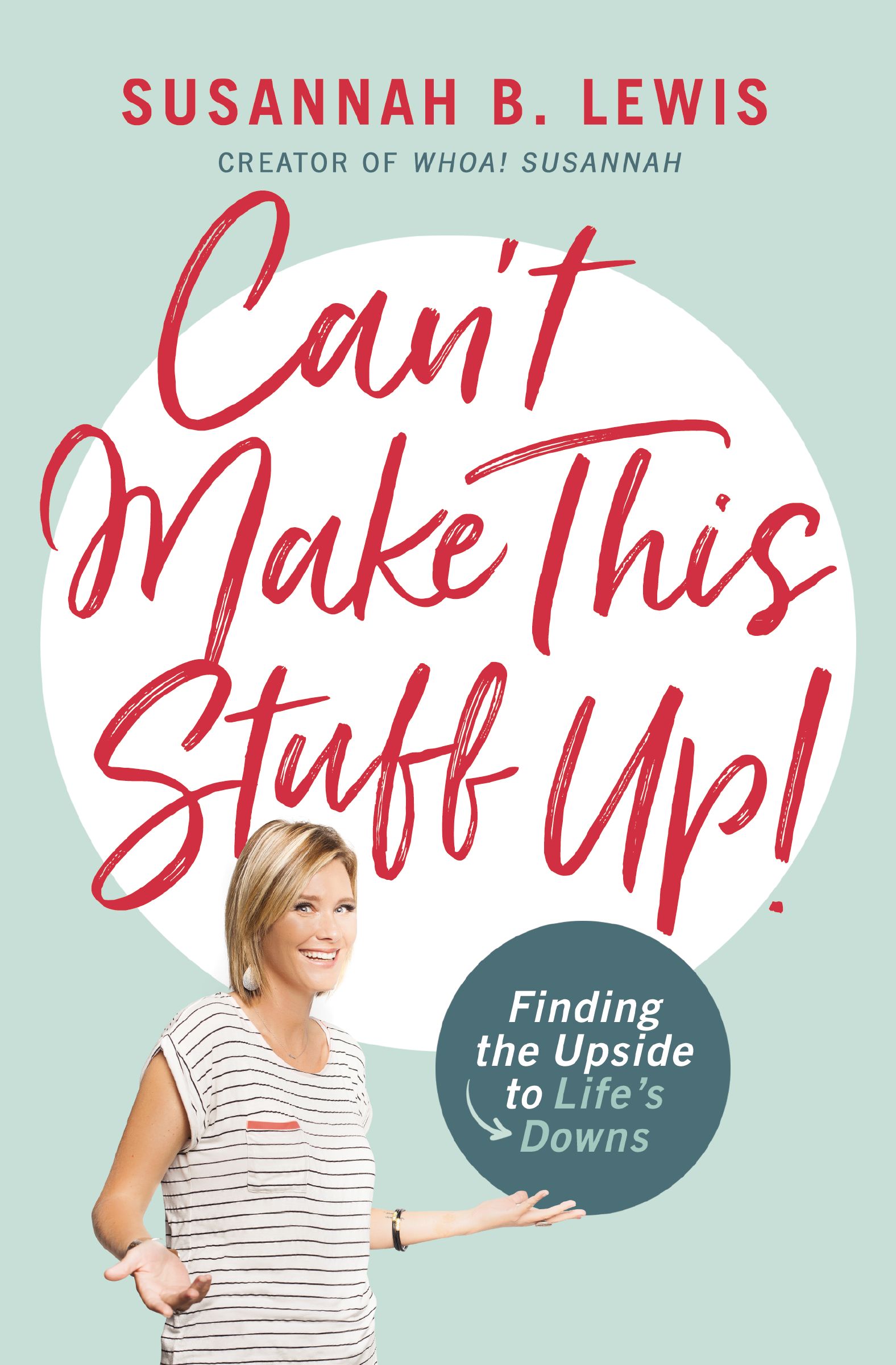
Can't Make This Stuff Up!: Finding the Upside to Life's Downs

Good Night, Little Blue Truck

The Wonderful Things You Will Be

The Book Club
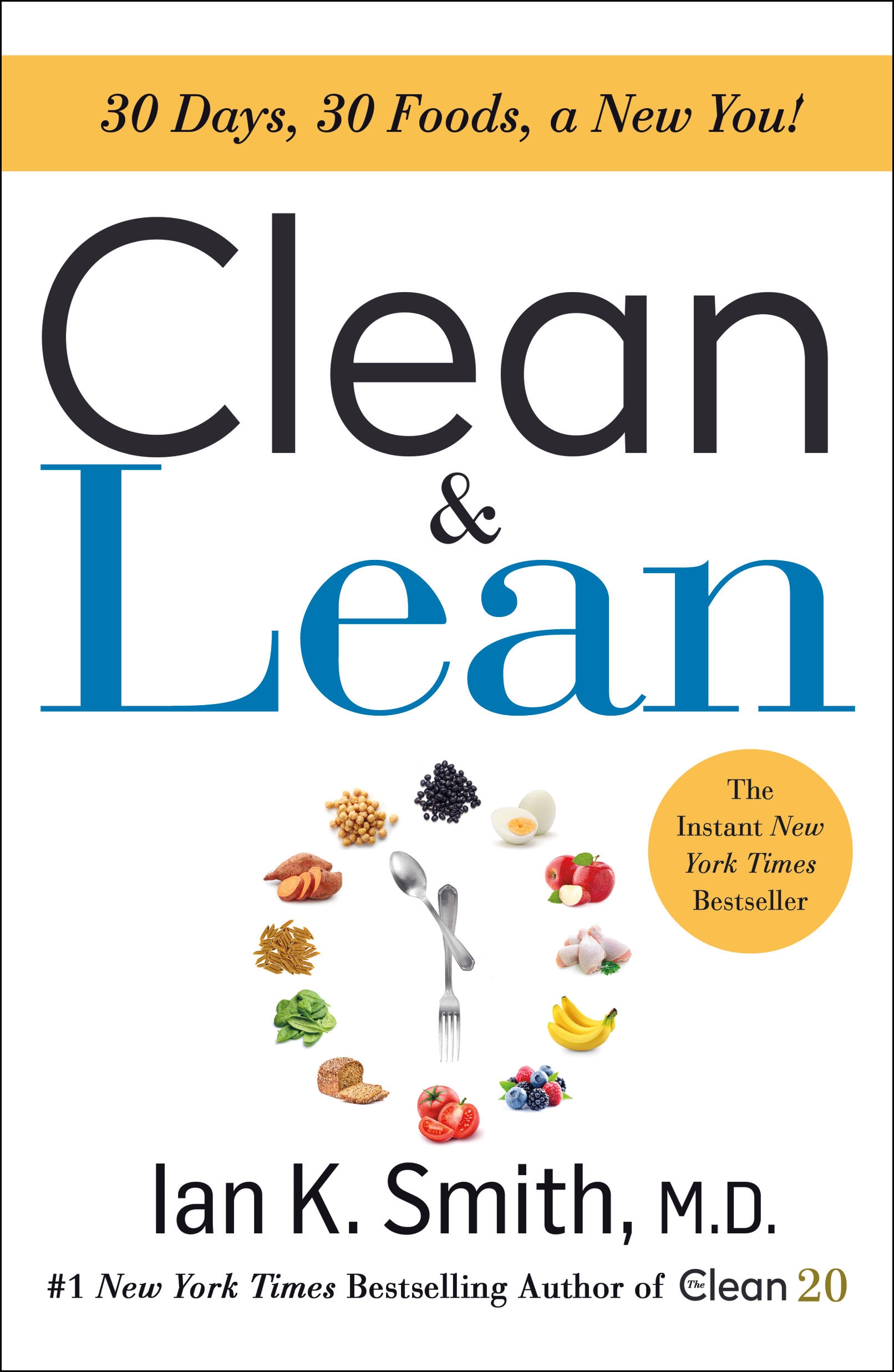
Clean & Lean: 30 Days, 30 Foods, a New You!

The Secret Wife: A captivating story of romance, passion and mystery
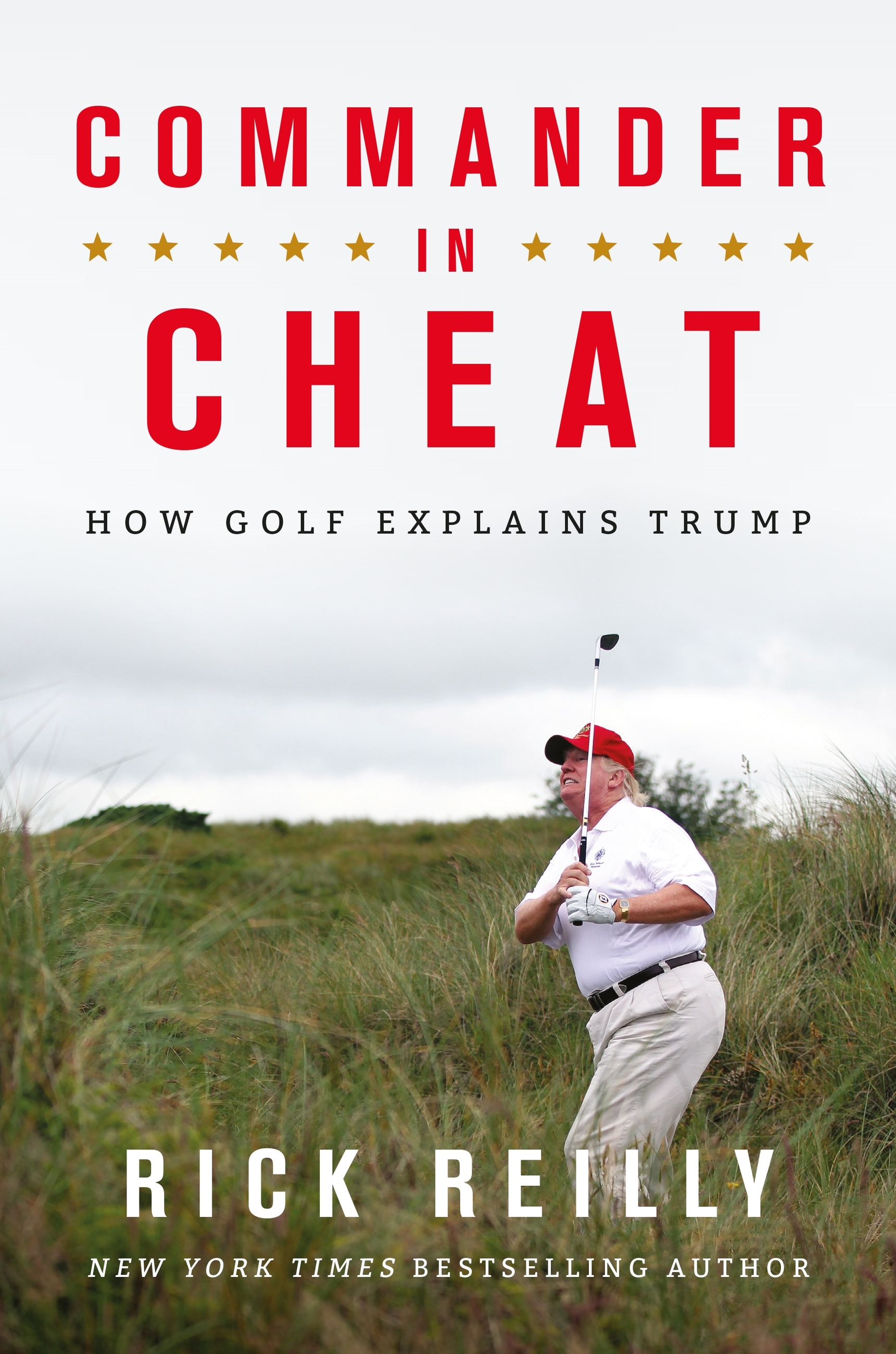
Commander in Cheat: How Golf Explains Trump

Hurricane Season

Secrets Between Us: An absolutely gripping psychological thriller

Settings
Reflow text when sidebars are open.
