
- Browse Category
Subjects
 We Begin at the EndLearn More
 - Choice Picks
- Top 100 Free Books
- Blog
- Recently Added
- Submit your eBook
- Browse Category
We Begin at the EndLearn More
- Choice Picks
- Top 100 Free Books
- Blog
- Recently Added
- Submit your eBook

The Social Process Of Lobbying: Cooperation Or Collusion?
2021-01-07 15:24:34
Despite a wealth of theorizing and research about each concept, lobbying and norms still raise a number of interesting issues. Why do lobbyists and politicians engage in cooperative behavior? How does cooperative behavior in lobbying affect policy ma...
Read more
Despite a wealth of theorizing and research about each concept, lobbying and norms still raise a number of interesting issues. Why do lobbyists and politicians engage in cooperative behavior? How does cooperative behavior in lobbying affect policy making? If democratic participation is good, why do we view lobbying as bad?
Lobbying engenders debate about its effects on the political process and on policy development. Sociologists and other social scientists remain concerned about how norms emerge, the content of norms, how widely they are distributed, and how they are enforced. Political scientists study how interest groups work together and influence the political process. Based on the experience of the author, a former lobbyist, this book looks at the social norms of lobbying and how such norms work in a general framework of other norms and legal institutions in the political process. In developing this argument, John C. Scott claims that:
- Embedded social relationships and trust-based social norms underpin everyday interactions among policy actors.
- These relationships and norms have concrete impacts on the policy making process.
- Social relationships and norms inhibit participation in the political process by outside actors.
The investigation is conducted through an innovative theoretical framework, combining existing theoretical perspectives from different disciplines, and using a variety of data and methods, including longitudinal quantitative and social network data, interviews with lobbyists, activists, and policymakers, and anecdotal and historical examples. ã
The Social Process of Lobbyingprovides refreshingly new empirical evidence and theoretical analysis on how networks of trust are neither all good nor all bad but are ambivalent: they can both improve policy and fuel collusion.
Less
Compare Prices
| Store | Availability | Book Format | Condition | Price |
|---|---|---|---|---|
| Indigo Books & Music | In Stock | Buy CAD 230.50 |
Available Discount
No Discount available
Related Books
View All
Good Night, Little Blue Truck

There Was an Old Lady Who Swallowed a Chick!

The Silent Woman (Cat Carlisle, Book 1)

Row, Row, Row Your Boat (Indestructibles Series)

Trillion Dollar Coach: The Leadership Playbook of Silicon Valley's Bill Campbell

American Moonshot: John F. Kennedy and the Great Space Race

Twinkle, Twinkle, Little Star (Indestructibles Series)
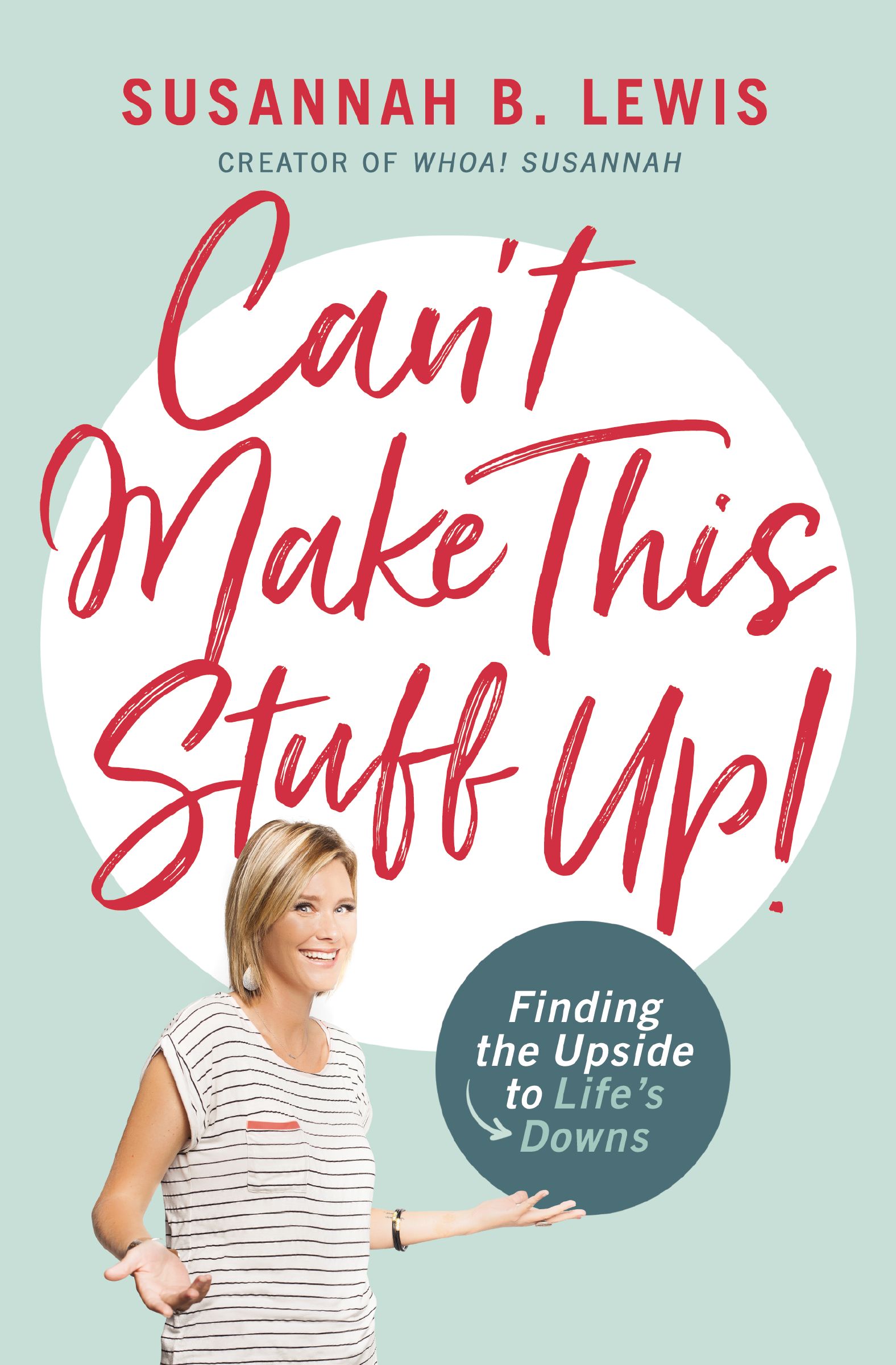
Can't Make This Stuff Up!: Finding the Upside to Life's Downs

Made for Me
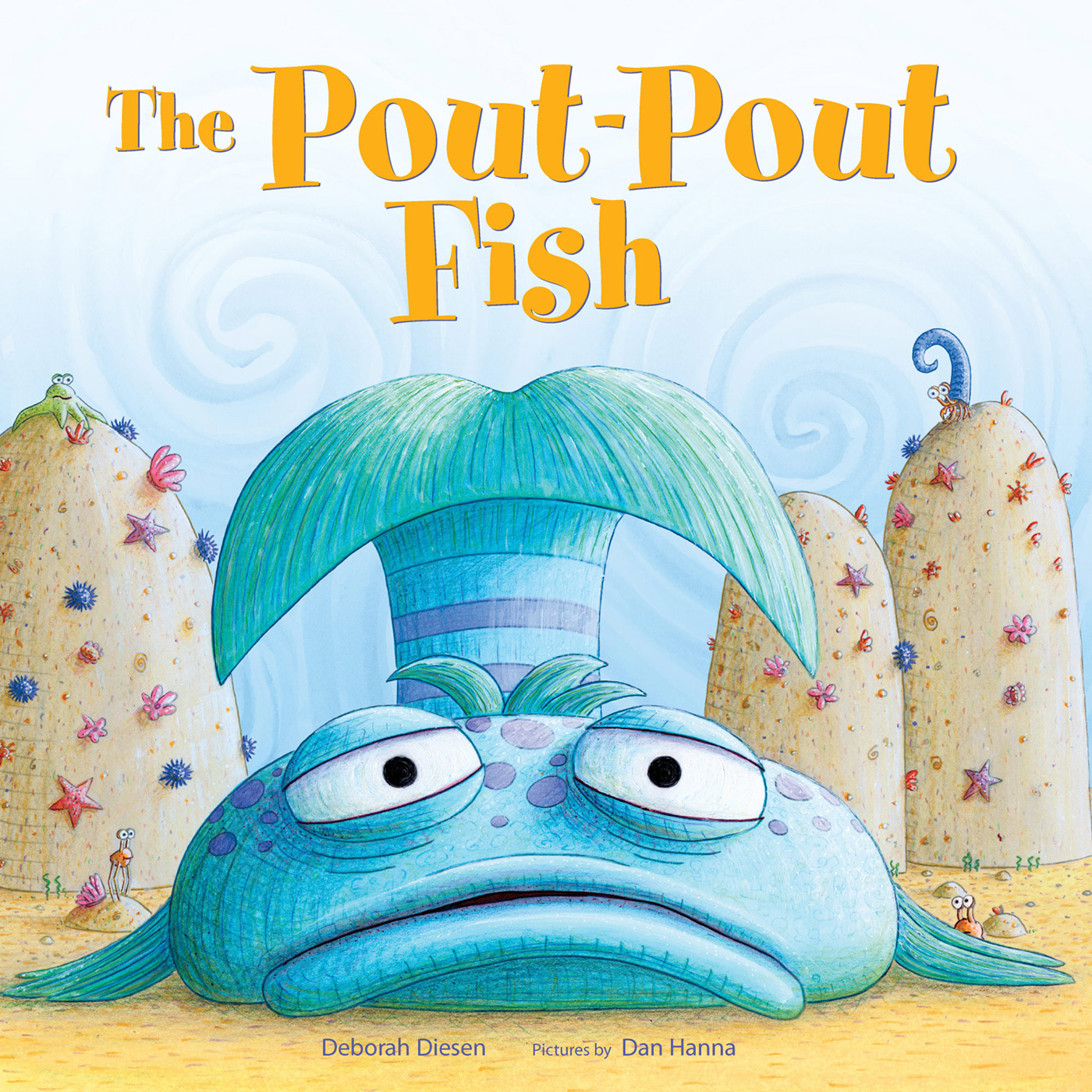
The Pout-Pout Fish

House of Shadows: An Enthralling Historical Mystery
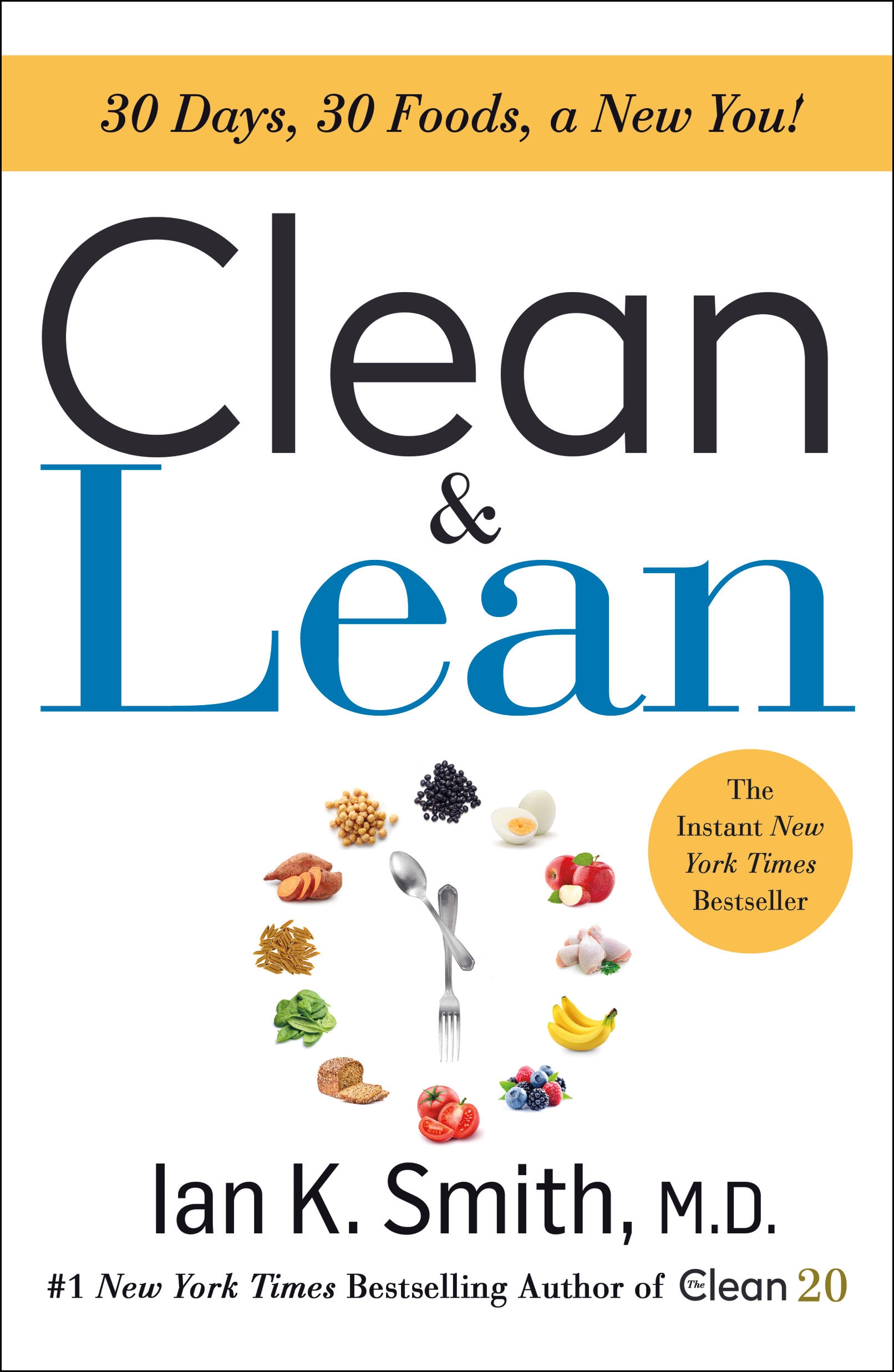
Clean & Lean: 30 Days, 30 Foods, a New You!

We Are Not Friends (You Are Not Small)

Commander in Cheat: How Golf Explains Trump

Feed Your Best Friend Better: Easy, Nutritious Meals and Treats for Dogs

Life Will Be the Death of Me: ...And You Too!

The Secret Wife: A captivating story of romance, passion and mystery

Going to School

The Book Club

Secrets Between Us: An absolutely gripping psychological thriller

You Be You: Detox Your Life, Crush Your Limitations, and Own Your Awesome

Hurricane Season

The Wonderful Things You Will Be

Falter: Has the Human Game Begun to Play Itself Out?

Diary of an Awesome Friendly Kid: Rowley Jefferson's Journal

Settings
Reflow text when sidebars are open.
