
- Browse Category
Subjects
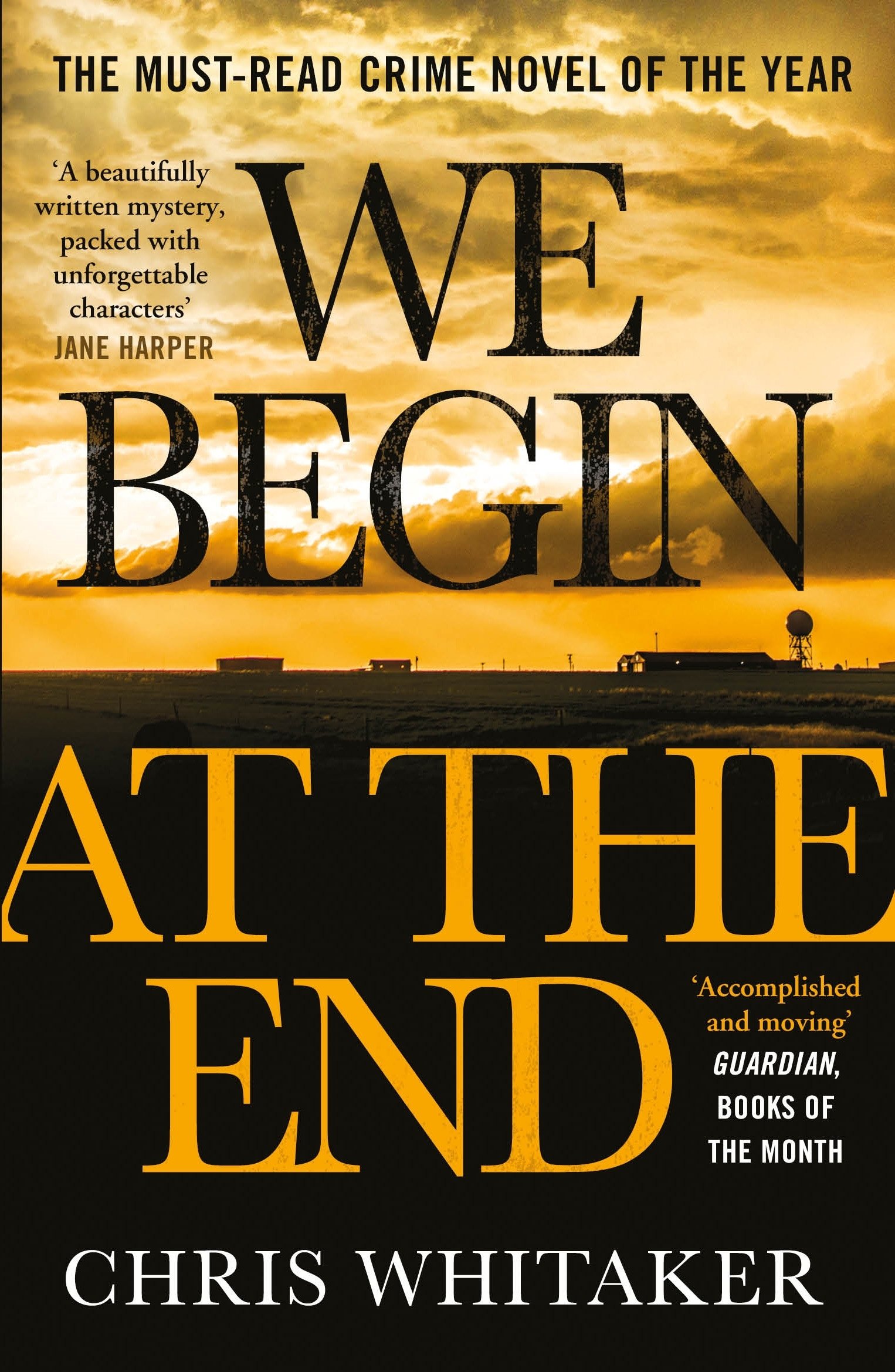 We Begin at the EndLearn More
 - Choice Picks
- Top 100 Free Books
- Blog
- Recently Added
- Submit your eBook
- Browse Category
We Begin at the EndLearn More
- Choice Picks
- Top 100 Free Books
- Blog
- Recently Added
- Submit your eBook
The Town and Country Jester: Or, a new Fund of Genuine wit and Good Humour Containing the Most Complete, Rational, Merry, Divert
2021-01-07 14:37:52
The 18th century was a wealth of knowledge, exploration and rapidly growing technology and expanding record-keeping made possible by advances in the printing press. In its determination to preserve the century of revolution, Gale initiated a revoluti...
Read more
The 18th century was a wealth of knowledge, exploration and rapidly growing technology and expanding record-keeping made possible by advances in the printing press. In its determination to preserve the century of revolution, Gale initiated a revolution of its own: digitization of epic proportions to preserve these invaluable works in the largest archive of its kind. Now for the first time these high-quality digital copies of original 18th century manuscripts are available in print, making them highly accessible to libraries, undergraduate students, and independent scholars.Western literary study flows out of eighteenth-century works by Alexander Pope, Daniel Defoe, Henry Fielding, Frances Burney, Denis Diderot, Johann Gottfried Herder, Johann Wolfgang von Goethe, and others. Experience the birth of the modern novel, or compare the development of language using dictionaries and grammar discourses. ++++The below data was compiled from various identification fields in the bibliographic record of this title. This data is provided as an additional tool in helping to insure edition identification: ++++<sourceLibrary>Harvard University Houghton Library<ESTCID>N013719<Notes>According to a note in 'Peter Cunningham's New jest book', London 1785?], this was issued separately, or bound with that work and with 'Sir John Fielding's jests', London 1781], the three "being the most admired library of mirth and good humour now extant." (MH-H). Refers on p.49 to "last summer (being the year 1779)."<imprintFull>London: printed for Alex. Hogg, 1780?]. <collation> 3],16-108p., plate; 12
Less

Compare Prices
| Store | Availability | Book Format | Condition | Price |
|---|---|---|---|---|
| Indigo Books & Music | In Stock | Hard Cover | Hard Cover | Buy CAD 31.95 |
| Indigo Books & Music | In Stock | Buy CAD 31.95 | ||
| Indigo Books & Music | In Stock | Paperback | Paperback | Buy CAD 22.99 |
Available Discount
No Discount available
Related Books
View All
Commander in Cheat: How Golf Explains Trump

Going to School

Life Will Be the Death of Me: ...And You Too!

Row, Row, Row Your Boat (Indestructibles Series)
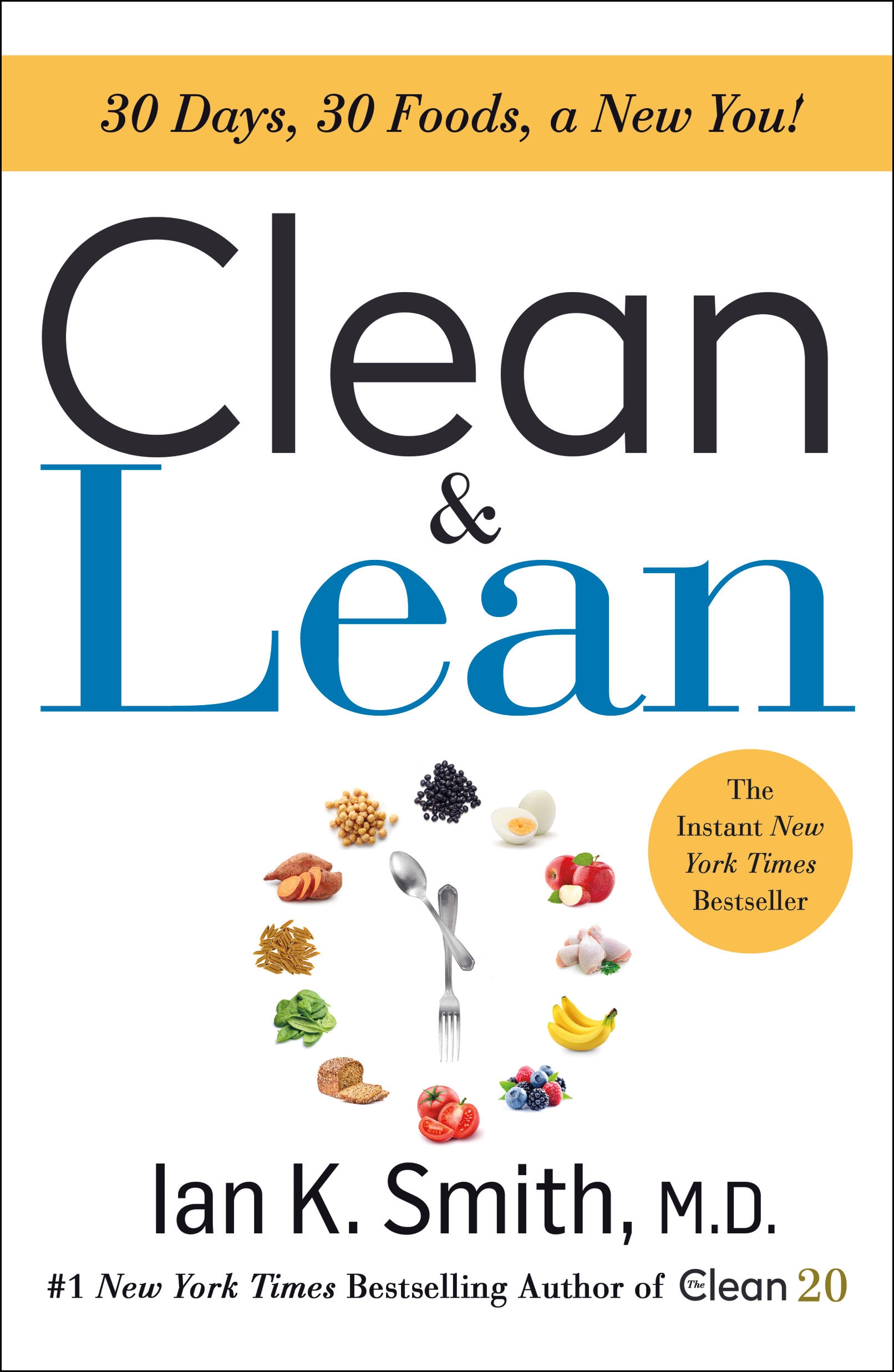
Clean & Lean: 30 Days, 30 Foods, a New You!
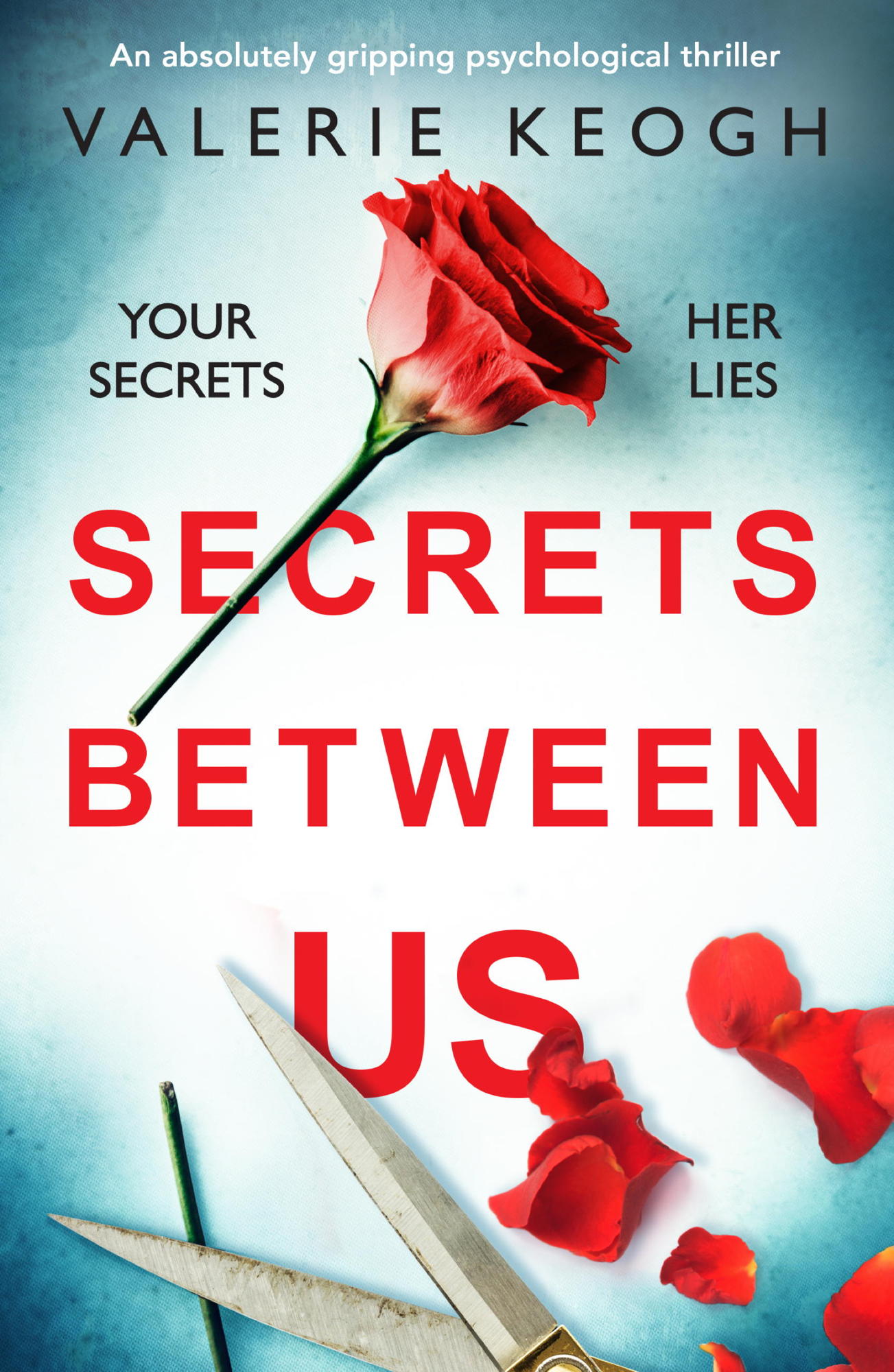
Secrets Between Us: An absolutely gripping psychological thriller
Hurricane Season
The Pout-Pout Fish
The Wonderful Things You Will Be

Feed Your Best Friend Better: Easy, Nutritious Meals and Treats for Dogs
Trillion Dollar Coach: The Leadership Playbook of Silicon Valley's Bill Campbell

Good Night, Little Blue Truck

We Are Not Friends (You Are Not Small)
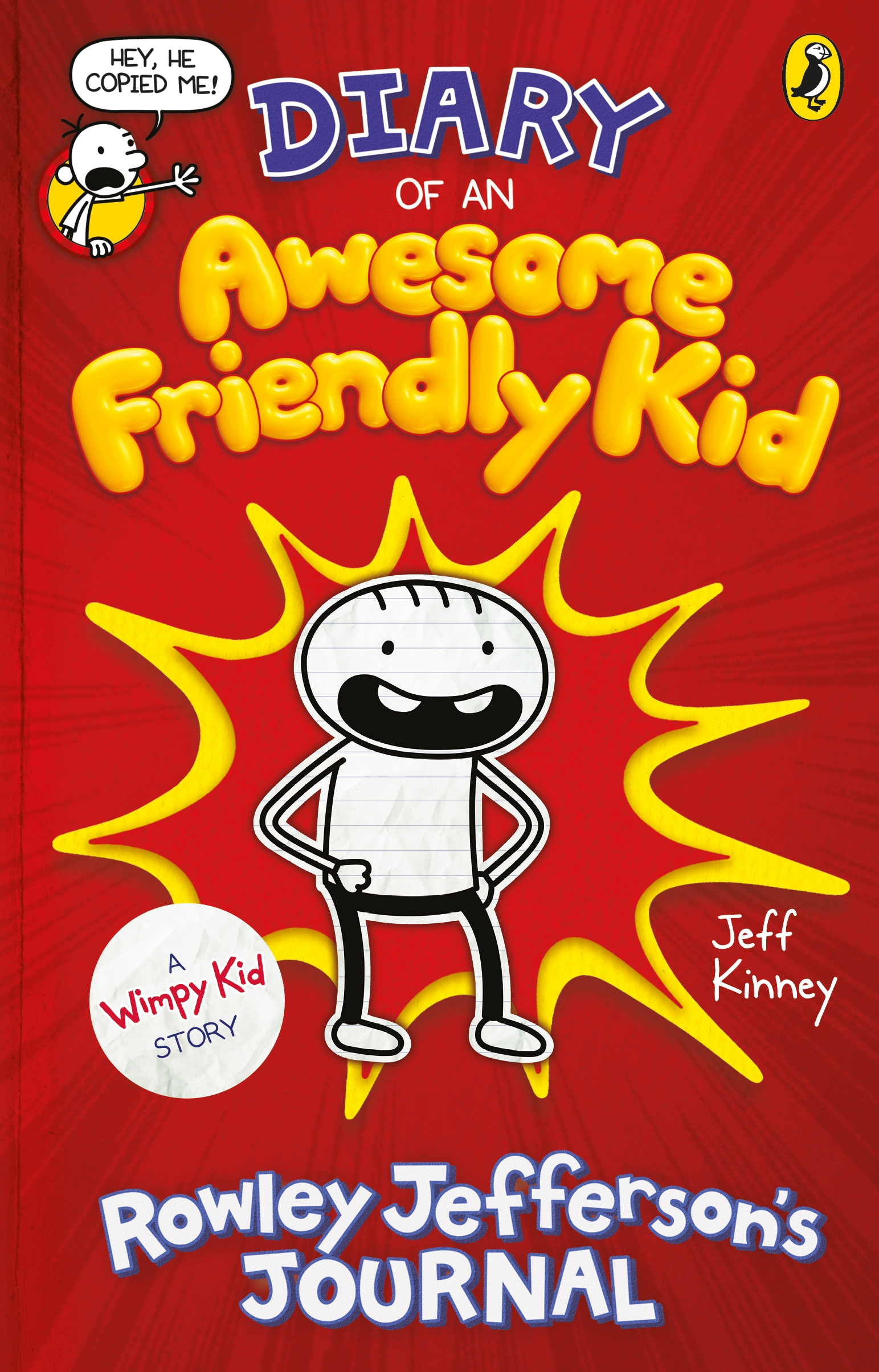
Diary of an Awesome Friendly Kid: Rowley Jefferson's Journal

The Secret Wife: A captivating story of romance, passion and mystery
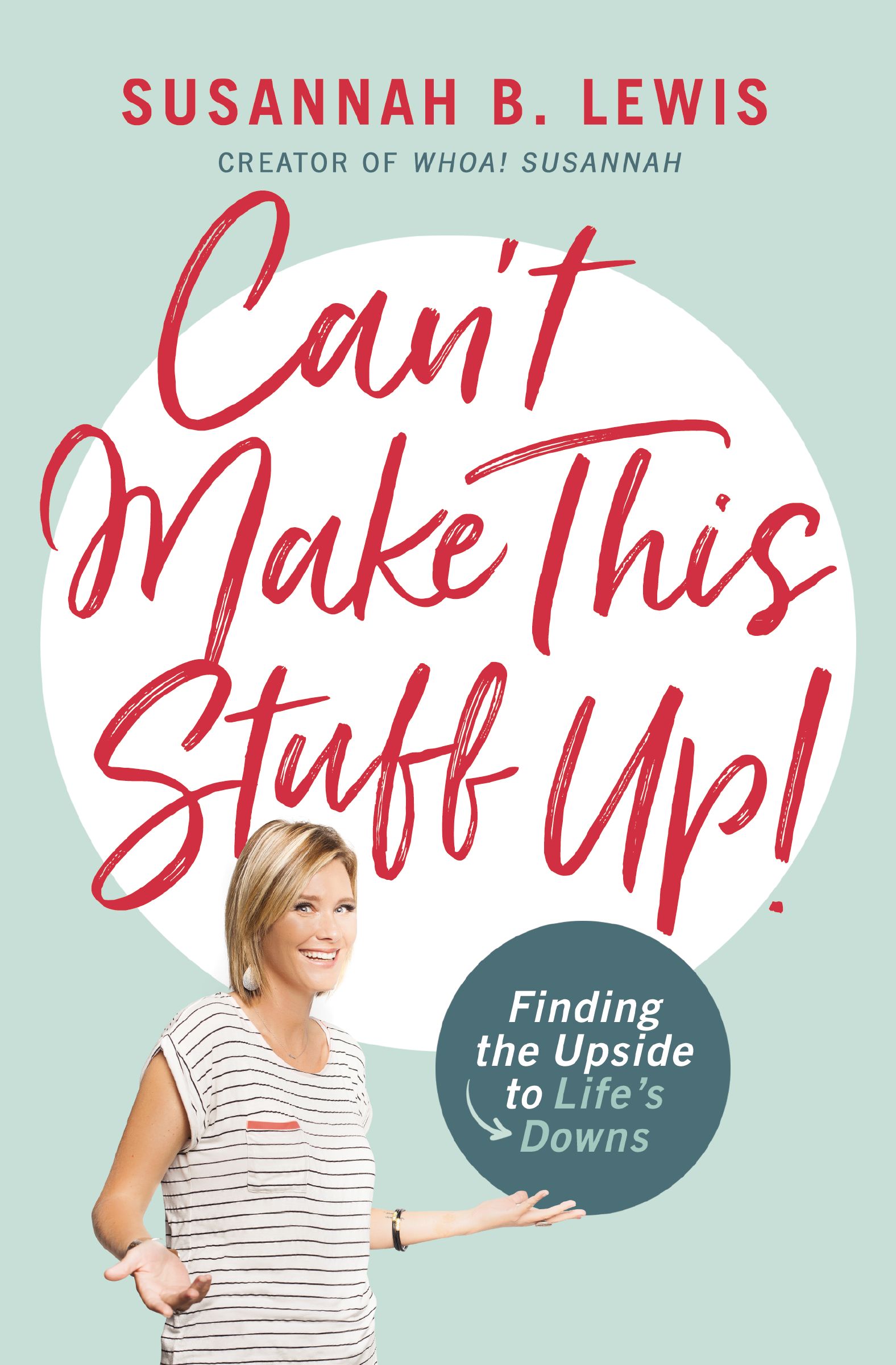
Can't Make This Stuff Up!: Finding the Upside to Life's Downs

House of Shadows: An Enthralling Historical Mystery

You Be You: Detox Your Life, Crush Your Limitations, and Own Your Awesome

American Moonshot: John F. Kennedy and the Great Space Race
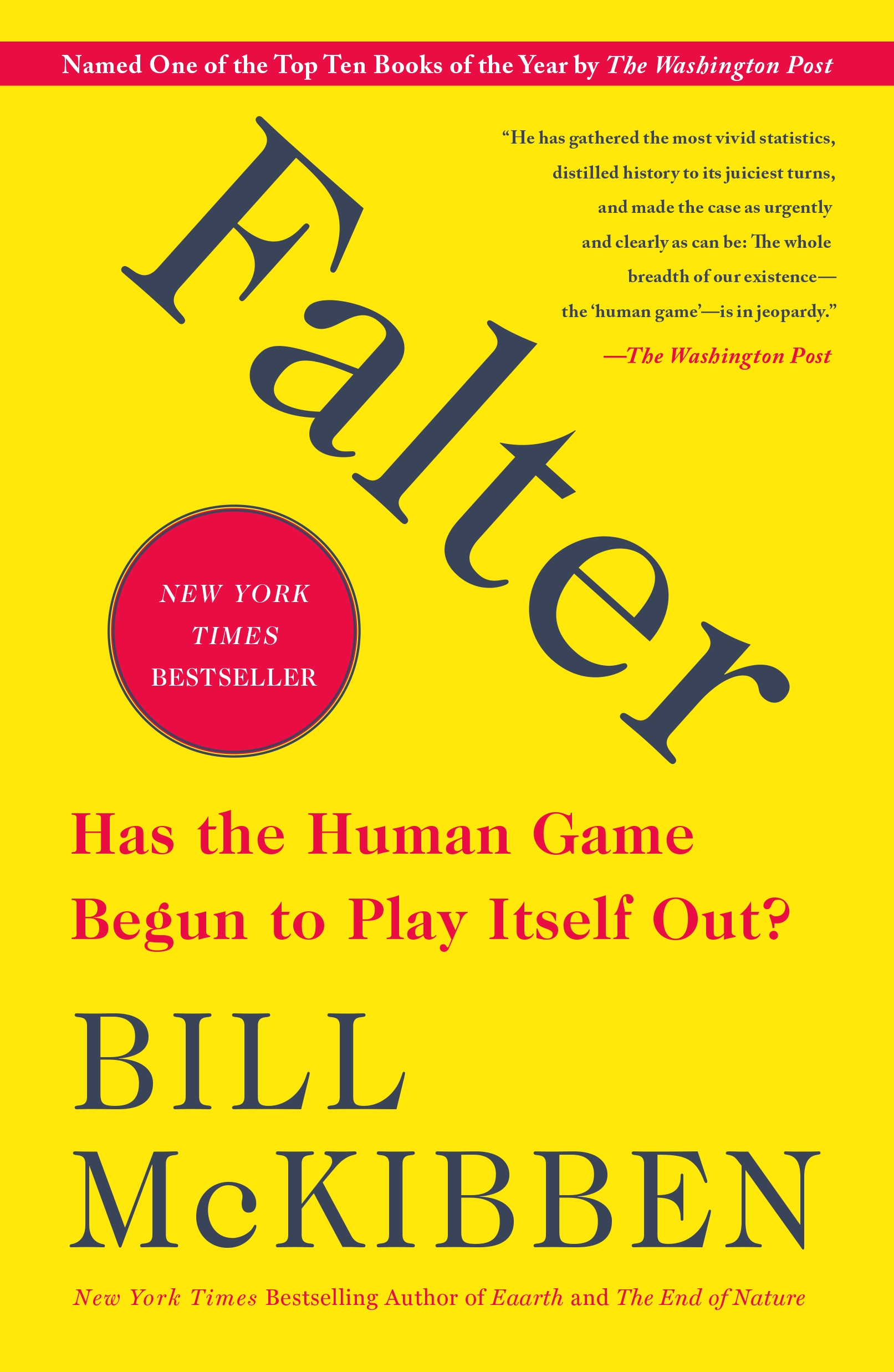
Falter: Has the Human Game Begun to Play Itself Out?

Twinkle, Twinkle, Little Star (Indestructibles Series)

There Was an Old Lady Who Swallowed a Chick!

Made for Me

The Book Club

The Silent Woman (Cat Carlisle, Book 1)

Settings
Reflow text when sidebars are open.
