
- Browse Category
Subjects
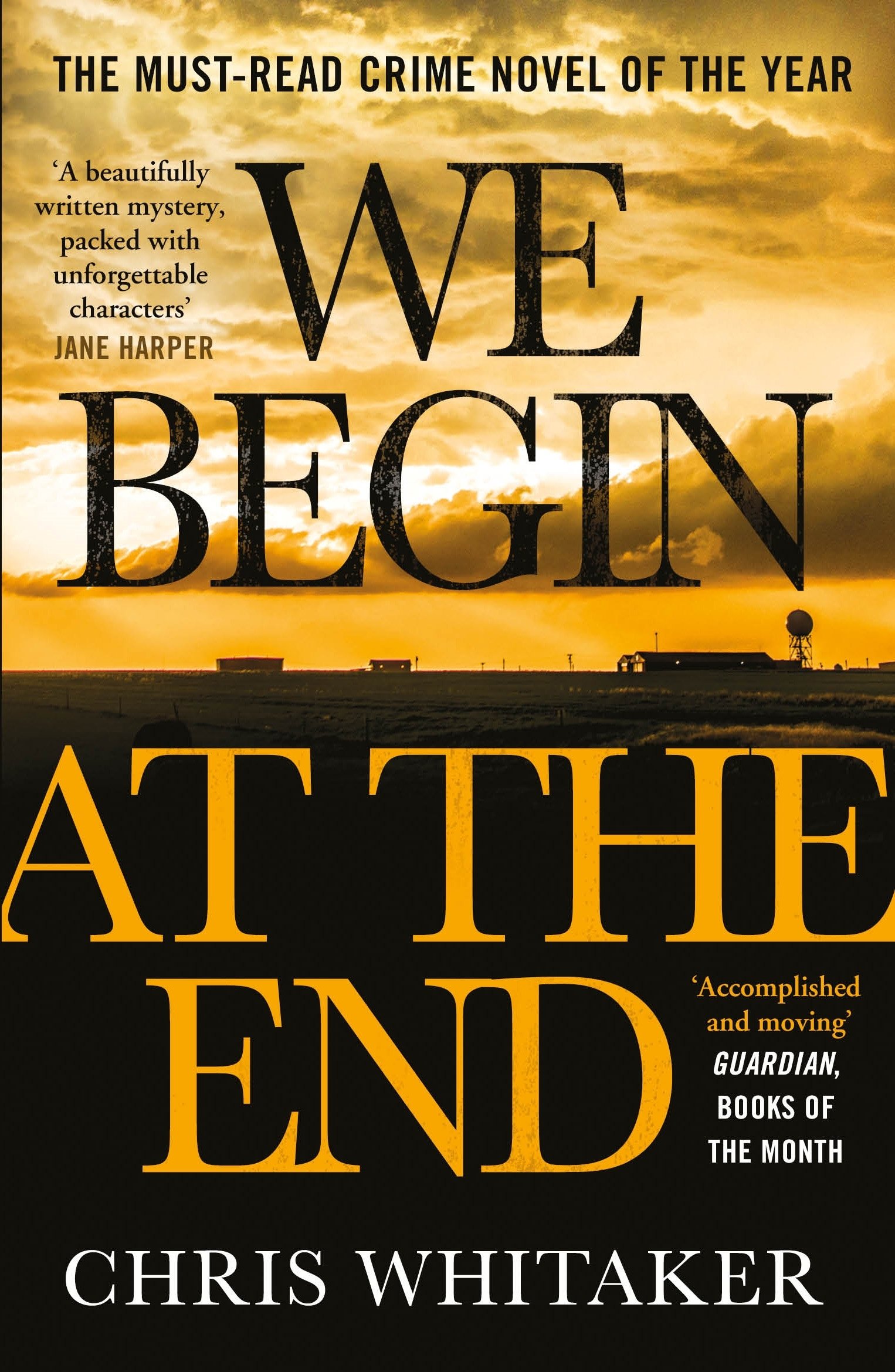 We Begin at the EndLearn More
 - Choice Picks
- Top 100 Free Books
- Blog
- Recently Added
- Submit your eBook
- Browse Category
We Begin at the EndLearn More
- Choice Picks
- Top 100 Free Books
- Blog
- Recently Added
- Submit your eBook
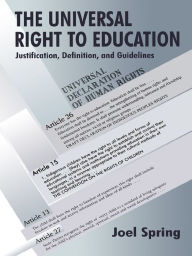
The Universal Right to Education: Justification, Definition, and Guidelines Joel Spring Author
2021-04-11 13:21:11
In this book, Joel Spring offers a powerful and closely reasoned justification and definition for the universal right to education--applicable to all cultures--as provided for in Article 26 of the United Nation's Universal Declaration of Human Rights...
Read more
In this book, Joel Spring offers a powerful and closely reasoned justification and definition for the universal right to education--applicable to all cultures--as provided for in Article 26 of the United Nation's Universal Declaration of Human Rights. One sixth of the world's population, nearly 855 million people, are functionally illiterate, and 130 million children in developing countries are without access to basic education. Spring argues that in our crowded global economy, educational deprivation has dire consequences for human welfare. Such deprivation diminishes political power. Education is essential for providing citizens with the tools for resisting totalitarian and repressive governments and economic exploitation. What is to be done? The historically grounded, highly original analysis and proposals Spring sets forth in this book go a long way toward answering this urgent question. Spring first looks at the debates leading up to the Universal Declaration of Human Rights in 1948, to see how the various writers dealt with the issue of cultural differences. These discussions provide a framework for examining the problem of reconciling cultural differences with universal concepts. He next expands on the issue of education and cultural differences by proposing a justification for education that is applicable to indigenous peoples and minority cultures and languages. This justification is then applied to all people within the current global economy. Acknowledging that the right to an education is inseparable from children's rights, he uses the concept of a universal right to education to justify children's rights, and, in turn, applies his definition of children's liberty rights to the concept of education. His synthesis of cultural, language, and children's rights provides the basis for a universal justification and definition for the right to education -- which, in the concluding chapters, Spring uses to propose universal guidelines for human rights education, and instruction in literacy, numeracy, cultural centeredness, and moral economy.
Less

Compare Prices
| Store | Availability | Book Format | Condition | Price |
|---|---|---|---|---|
| Barnes & Noble | In Stock | NOOK Book | NOOK Book | Buy USD 42.49 |
Available Discount
No Discount available
Related Books
View All
The Secret Wife: A captivating story of romance, passion and mystery

Feed Your Best Friend Better: Easy, Nutritious Meals and Treats for Dogs
Trillion Dollar Coach: The Leadership Playbook of Silicon Valley's Bill Campbell
The Pout-Pout Fish

The Book Club
Hurricane Season
American Moonshot: John F. Kennedy and the Great Space Race

Going to School

Made for Me
Secrets Between Us: An absolutely gripping psychological thriller

We Are Not Friends (You Are Not Small)

Good Night, Little Blue Truck

Twinkle, Twinkle, Little Star (Indestructibles Series)

Row, Row, Row Your Boat (Indestructibles Series)

The Silent Woman (Cat Carlisle, Book 1)
Clean & Lean: 30 Days, 30 Foods, a New You!

Life Will Be the Death of Me: ...And You Too!
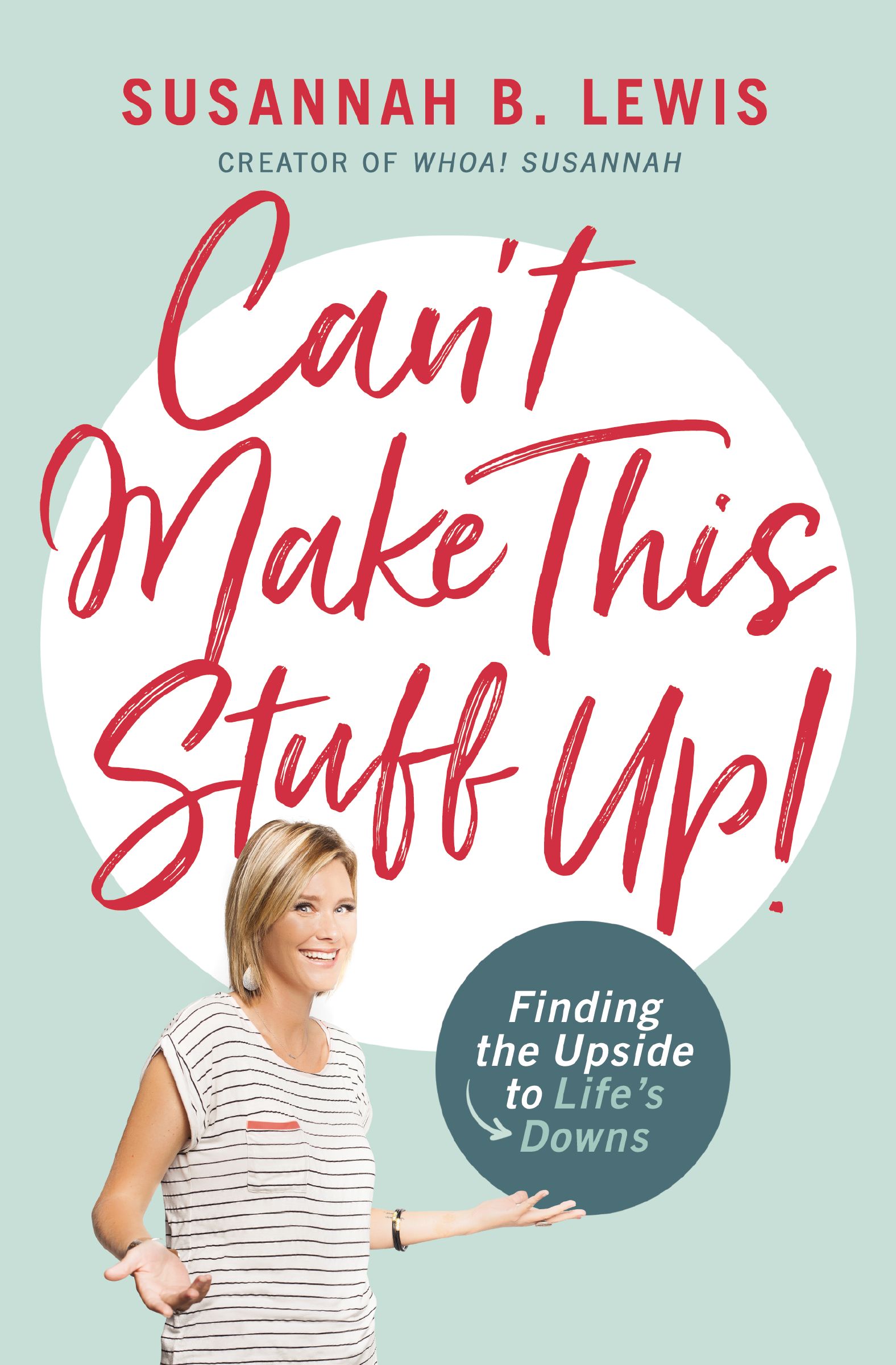
Can't Make This Stuff Up!: Finding the Upside to Life's Downs
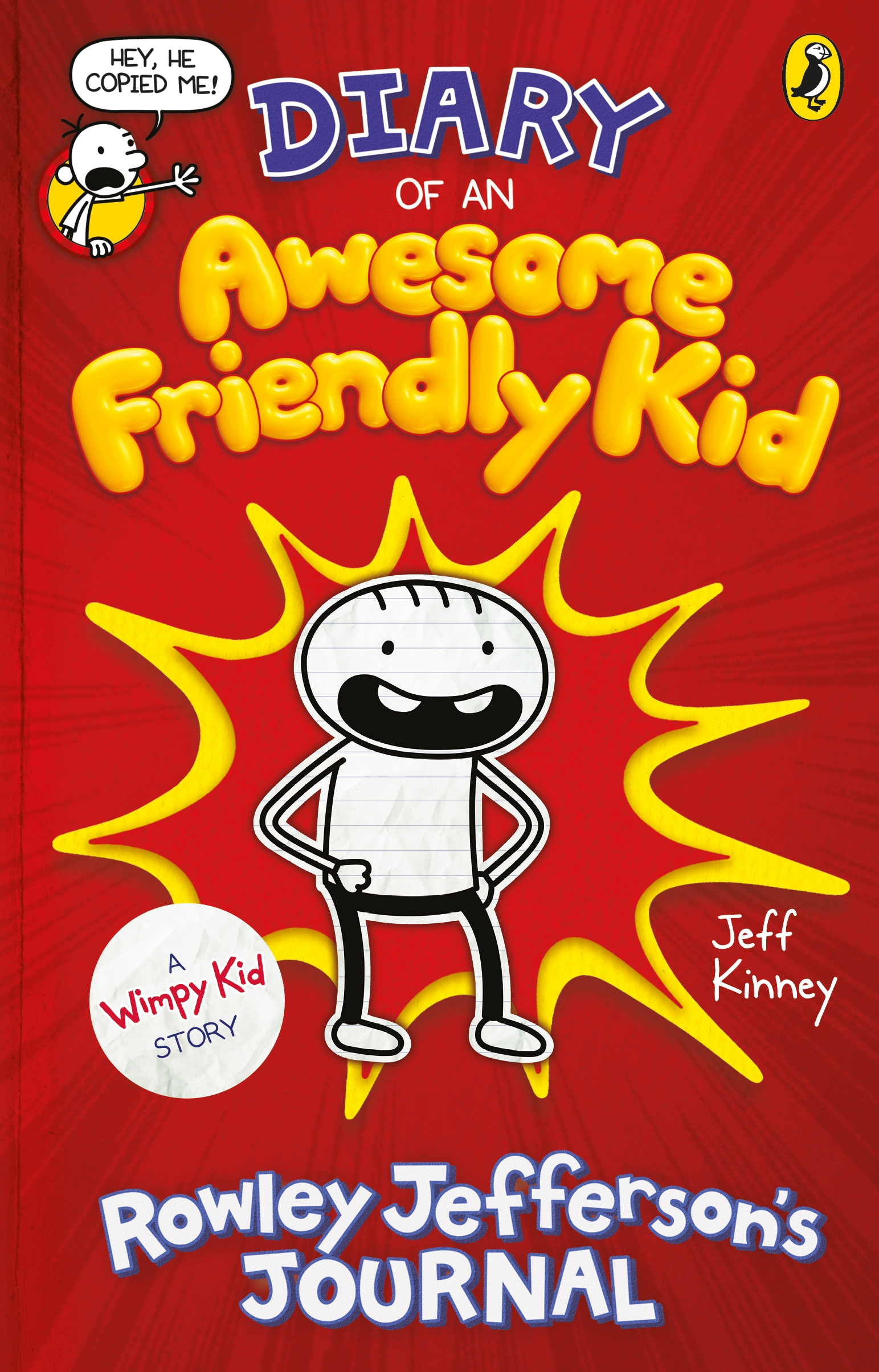
Diary of an Awesome Friendly Kid: Rowley Jefferson's Journal

House of Shadows: An Enthralling Historical Mystery

There Was an Old Lady Who Swallowed a Chick!
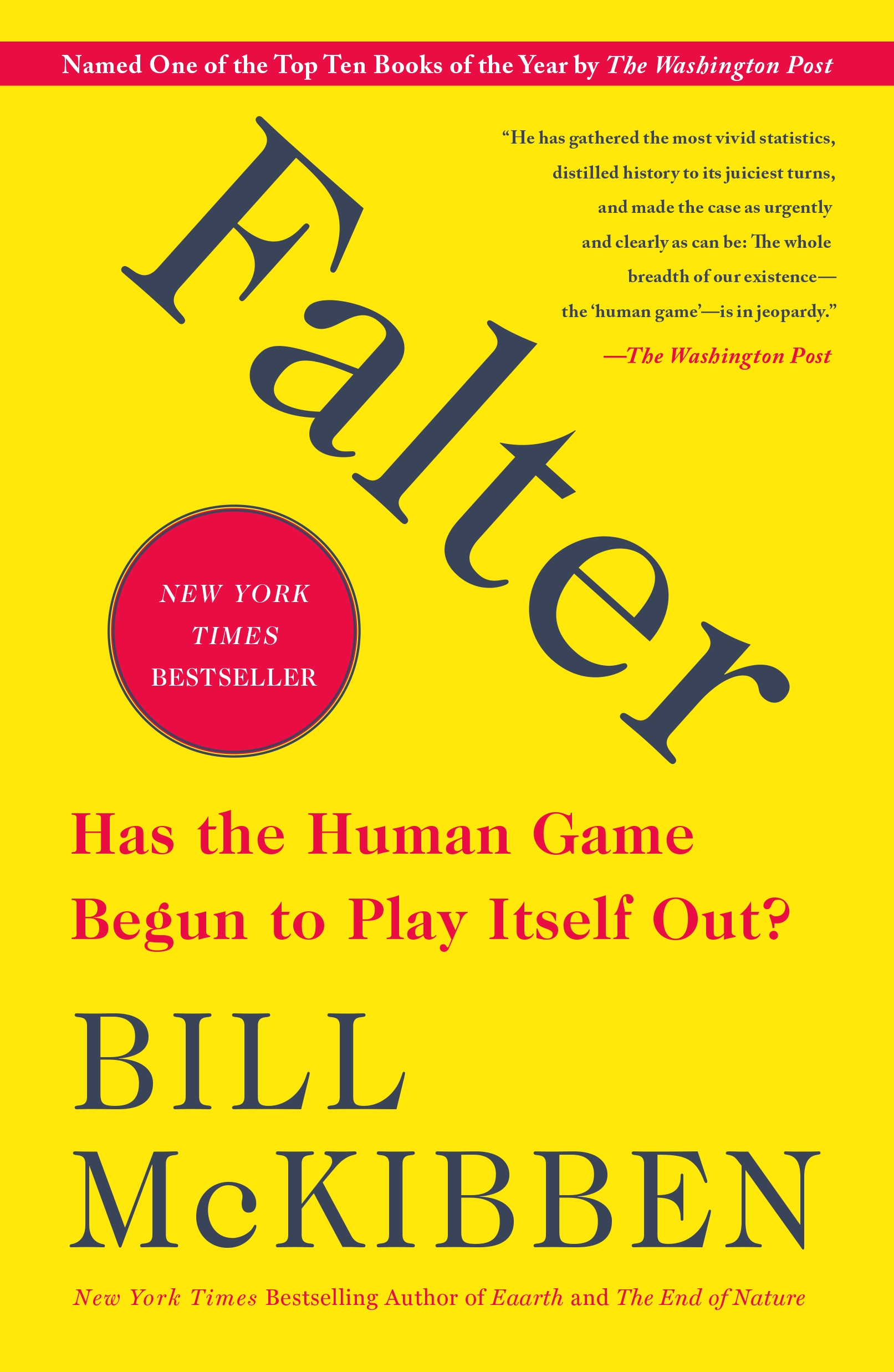
Falter: Has the Human Game Begun to Play Itself Out?
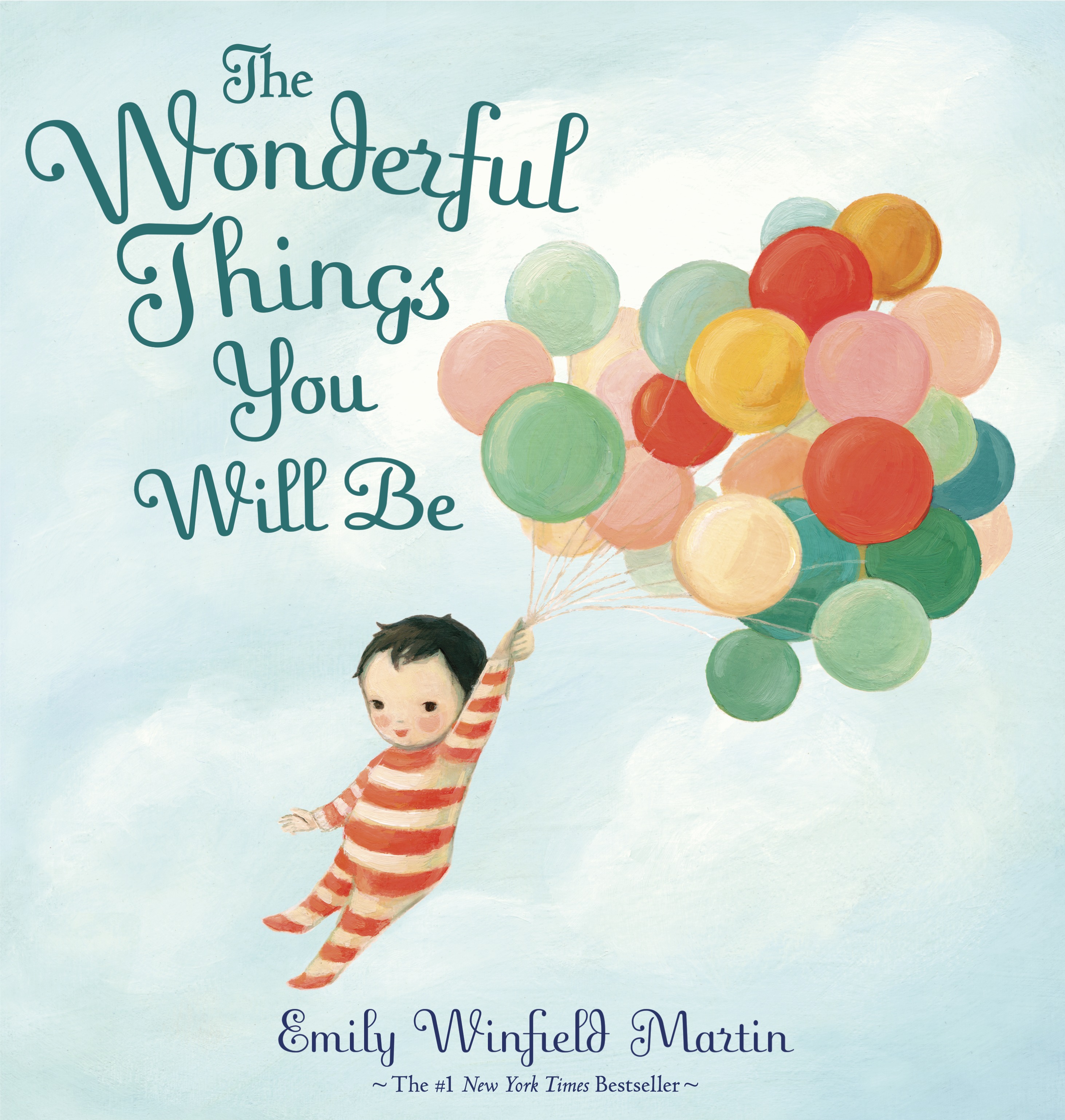
The Wonderful Things You Will Be

You Be You: Detox Your Life, Crush Your Limitations, and Own Your Awesome
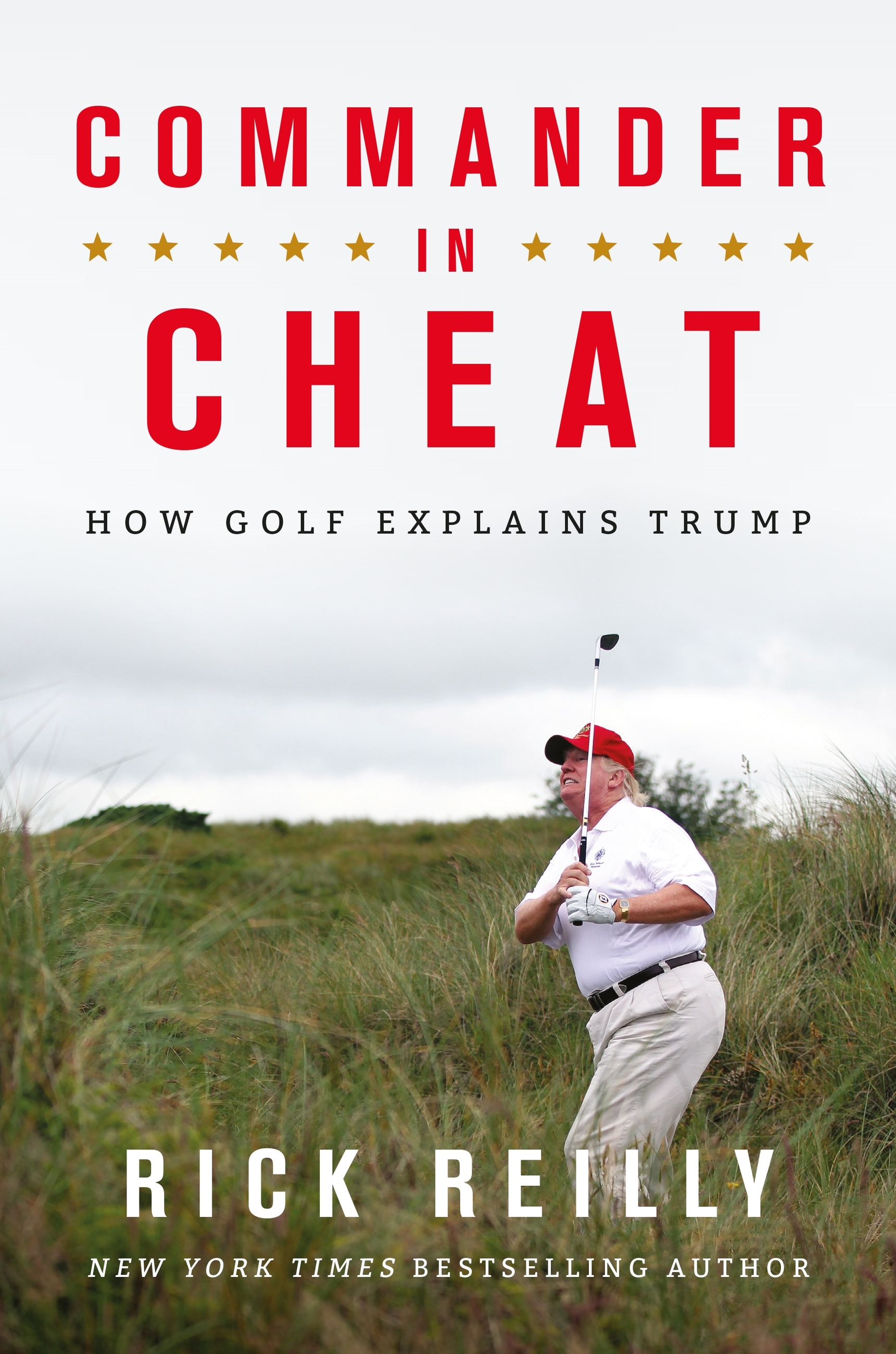
Commander in Cheat: How Golf Explains Trump

Settings
Reflow text when sidebars are open.
